California Colonial Gingerbread Cookies Recipe
Ingredients
Method
- Set your oven to 375°F. Line baking sheets with parchment paper or silicone baking mats and set aside.
- In a large bowl, whisk together the white sugar, ginger, nutmeg, cinnamon, salt, and baking soda until well combined.
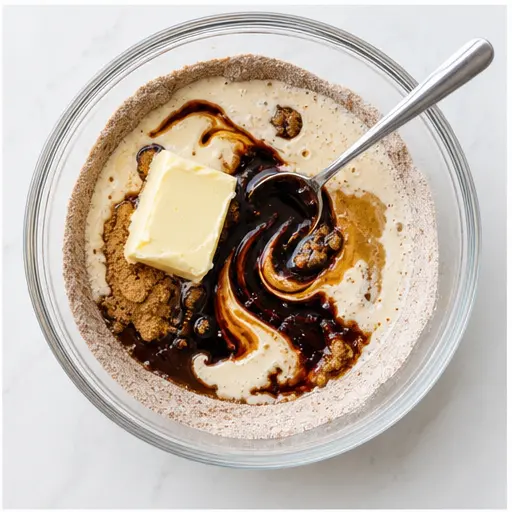
- Add the softened butter, evaporated milk, and molasses to the dry ingredients. Using an electric mixer, start on the lowest speed to avoid splashing, then gradually increase speed until the butter and sugar are creamed and the mixture is completely smooth.
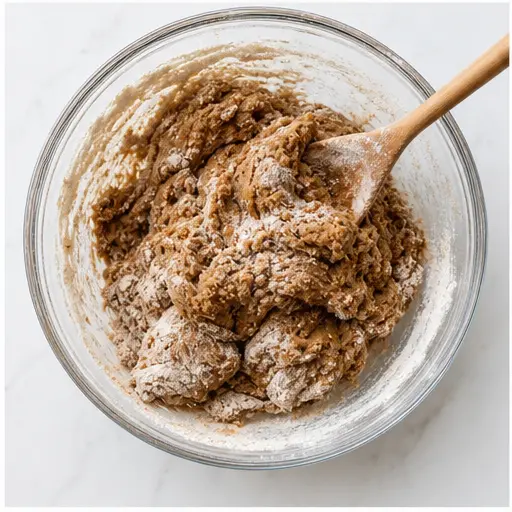
- With the mixer on low, add the flour one cup at a time, mixing each addition until just incorporated before adding the next.
- The dough should be stiff enough to handle without sticking to your fingers. If it is still too wet and sticky, add additional flour (half a cup at a time) until a fairly stiff dough forms.
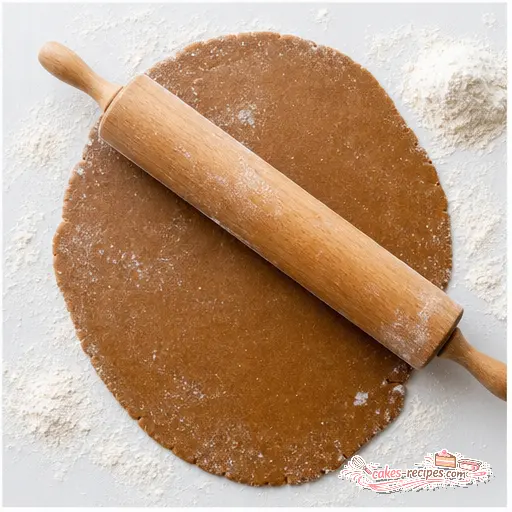
- Once the dough is smooth, roll it out on a very well-floured surface to a thickness of 1/2 inch.
- Use a 2 1/2-inch round biscuit cutter or your favorite cookie cutter to cut the dough into shapes. Add flour as needed to the dough, rolling pin, and cutter to prevent sticking. Place the cut shapes on the prepared baking sheets.
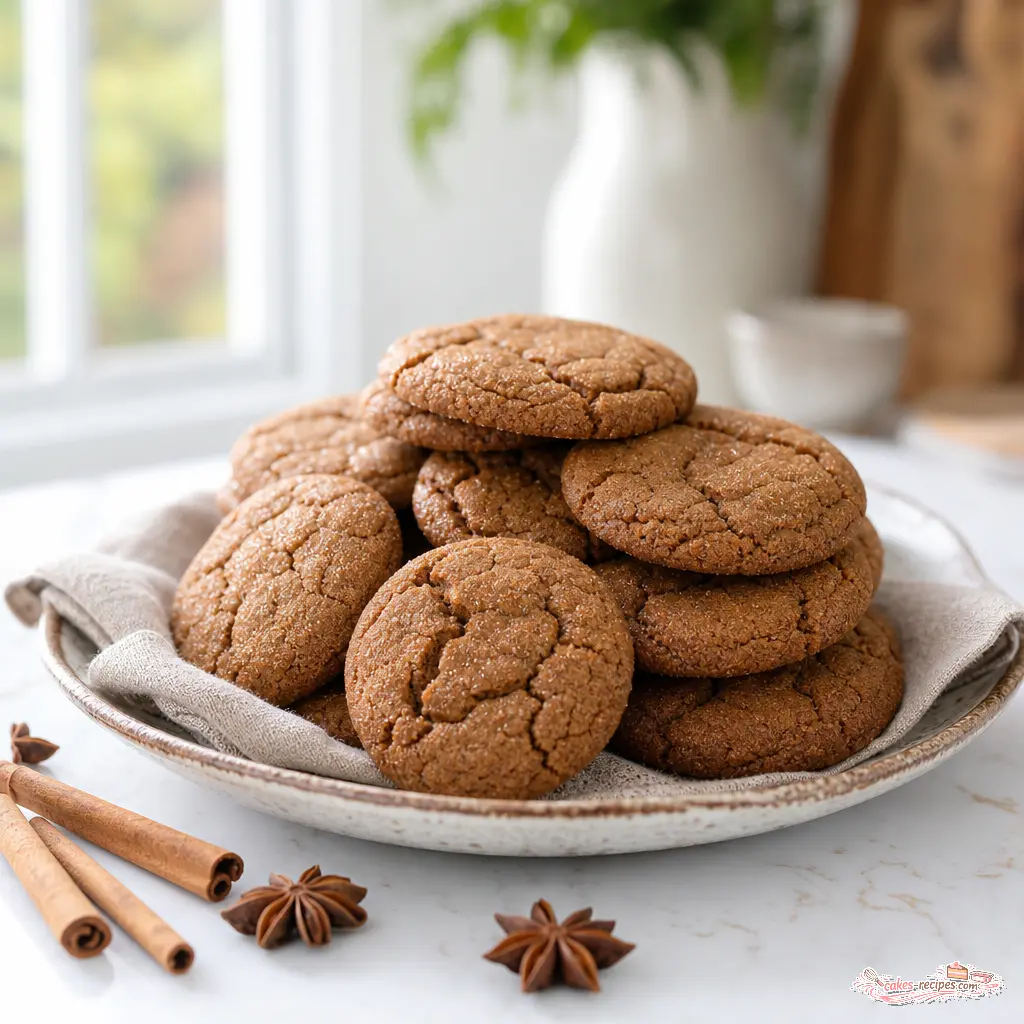
- Bake for 10 to 12 minutes, until slightly golden brown but still soft. Do not overbake, or the cookies will become hard and crispy. For a soft, chewy, cake-like texture, remove them from the oven while they are still soft and let them firm up slightly as they cool.
- Allow the cookies to cool on the baking sheet for a few minutes before transferring them to a wire rack to cool completely.
Nutrition
Notes
Tried this recipe?
Let us know how it was!Why This Recipe Works
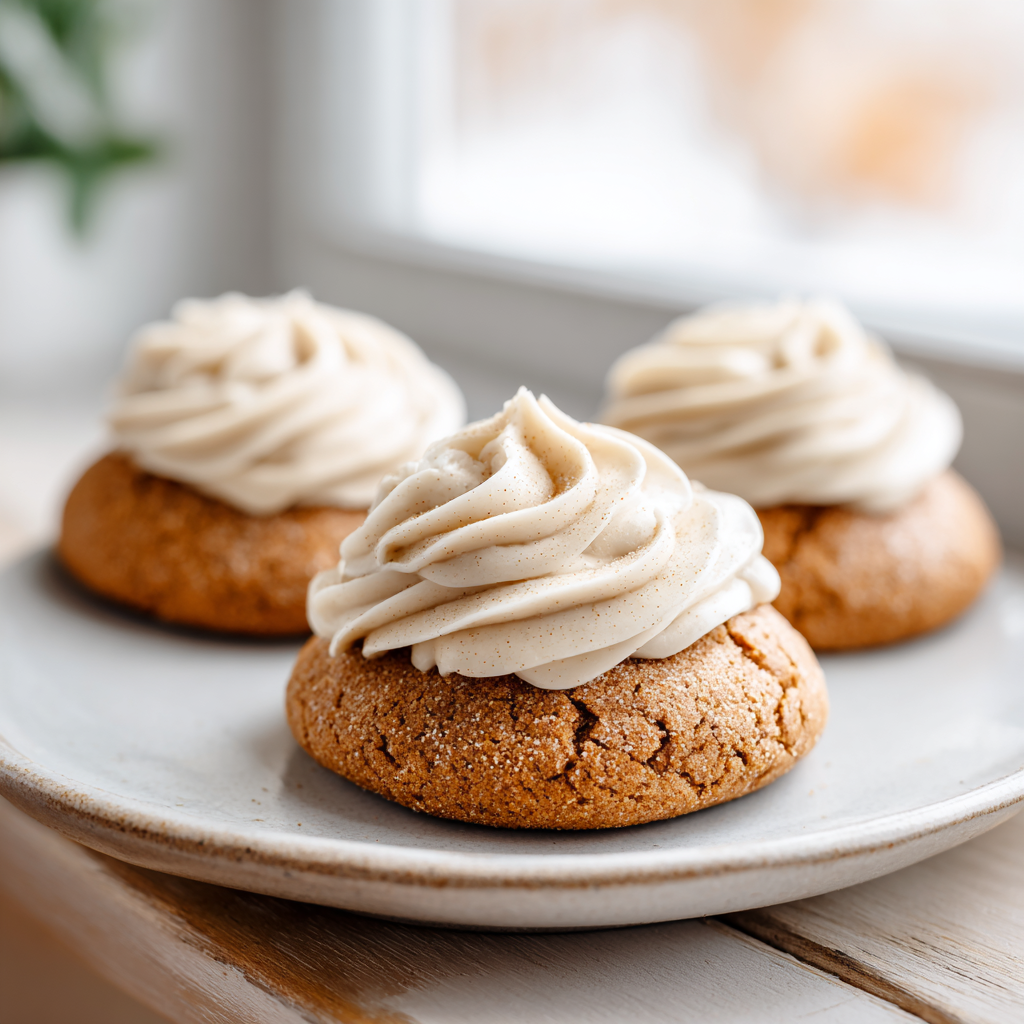
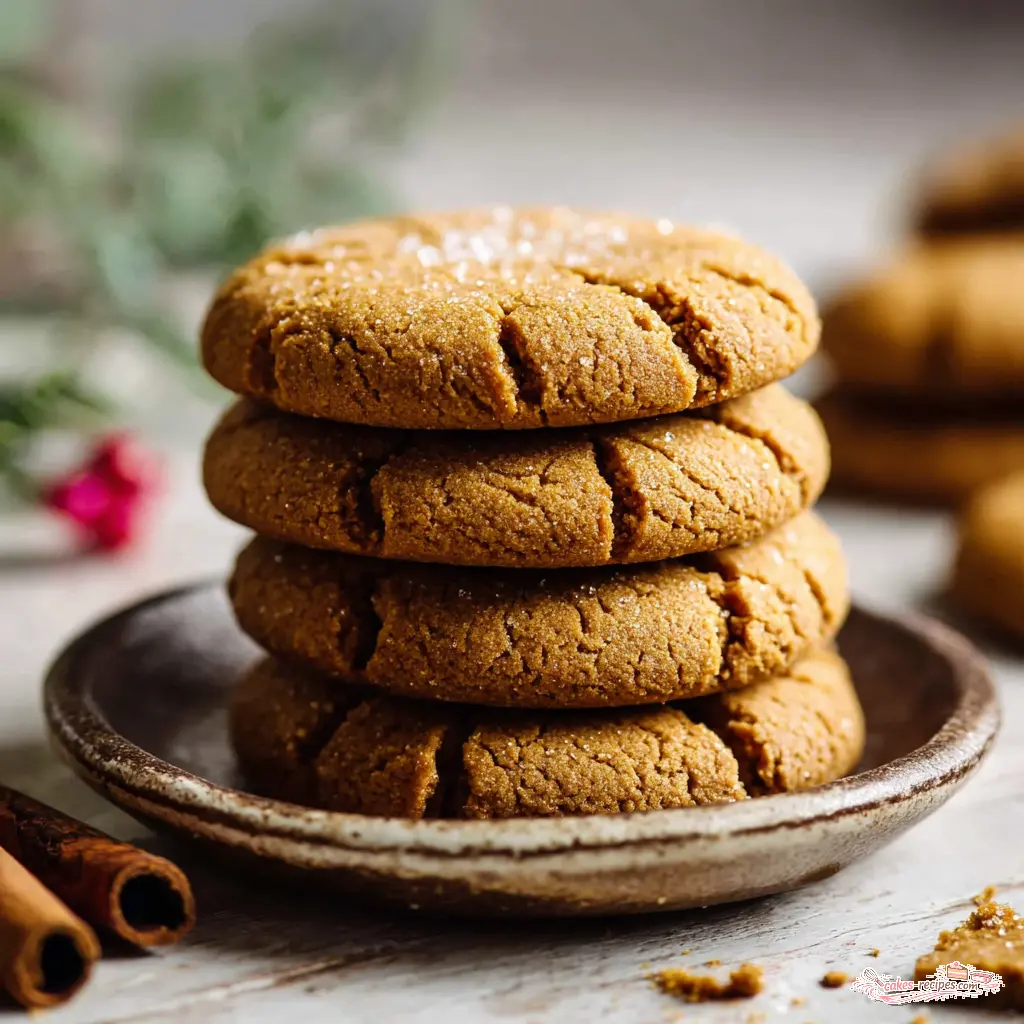
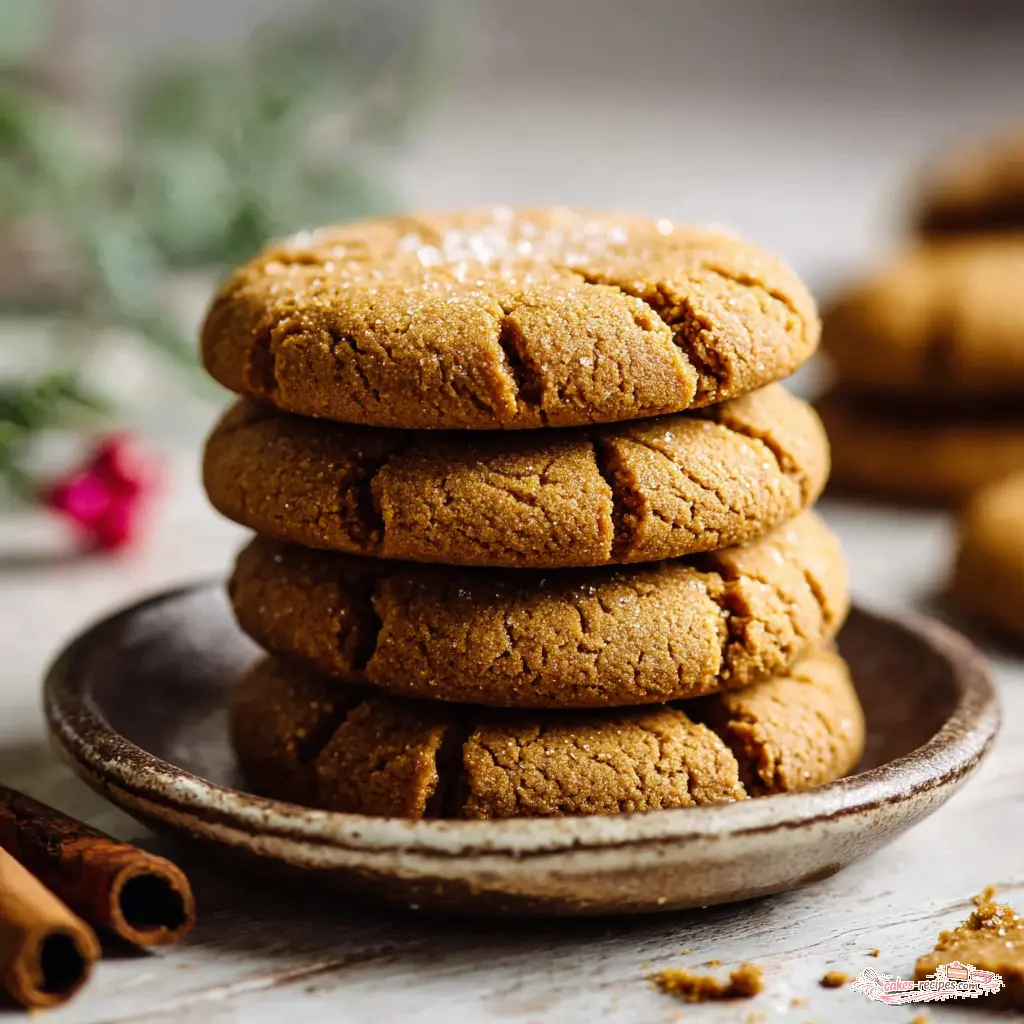
Imagine a snowy December in 1796, the kitchen fire crackling, and the scent of molasses and ginger filling the air. That’s the world these 1796 gingerbread cookies come from. They’re not your average grocery store gingerbread they’re a direct link to Amelia Simmons, the author of the first American cookbook, American Cookery. Her recipe, adapted here, gives us a cookie that’s soft, almost cake-like, with a deep molasses flavor that’s more about warmth than intense spice.
What I love about this recipe is how straightforward it is. There’s no complicated technique, no need for a stand mixer if you don’t have one. Colonial women worked with what they had, and that spirit carries through. The dough comes together quickly, and the result is a batch of cookies that feels both historic and completely at home on a modern cookie plate.
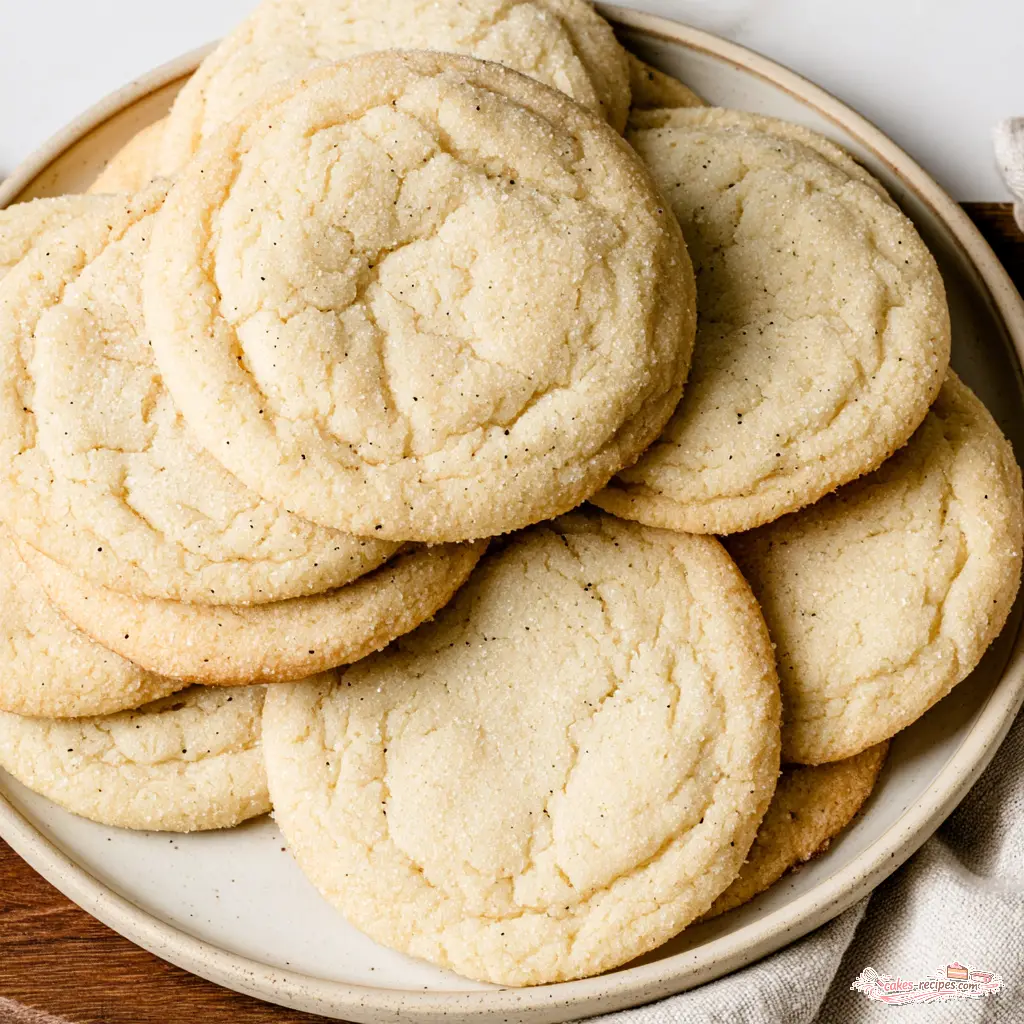
These are soft gingerbread cookies, not the crispy kind you might be used to. The texture is tender and chewy, thanks to the molasses and evaporated milk. And the flavor? It’s molasses-forward with gentle notes of ginger, nutmeg, and cinnamon. They’re not overpowering just a subtle, comforting spice that makes you want another bite.
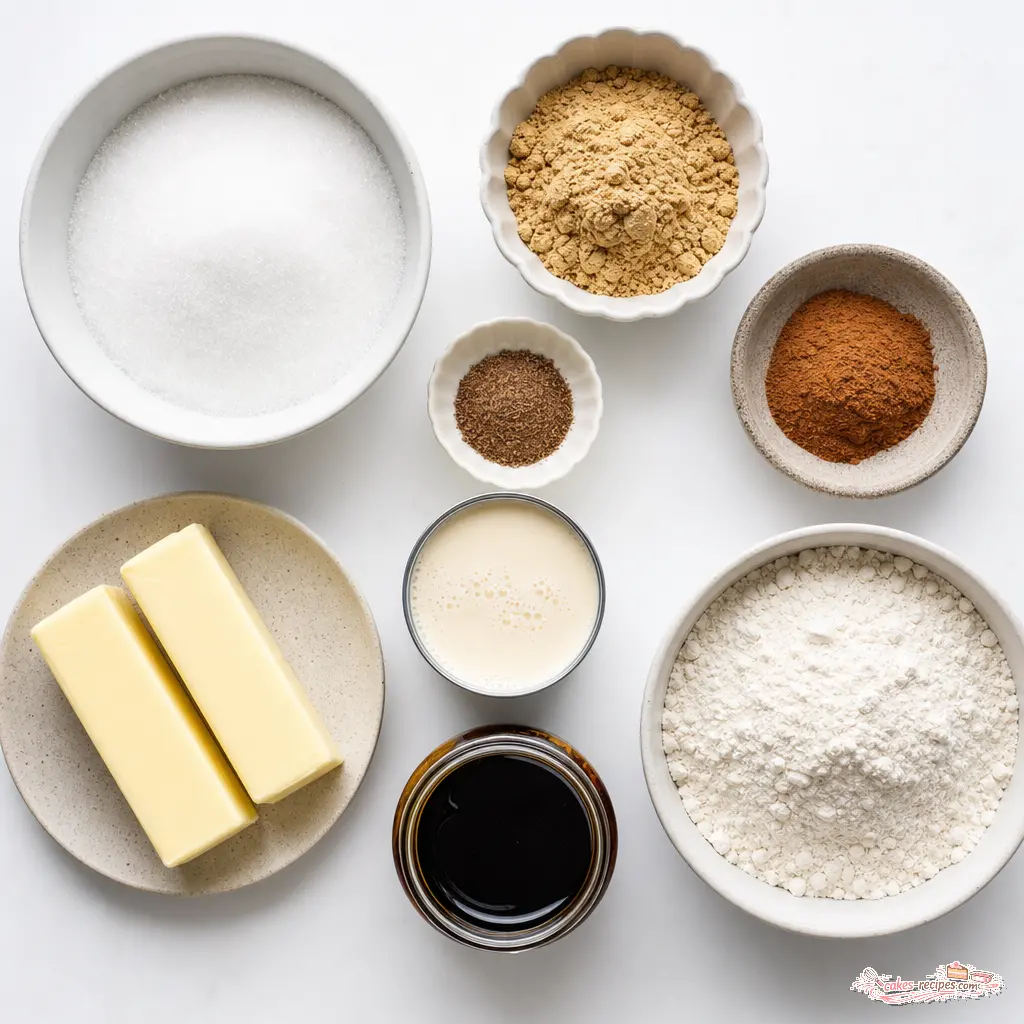
Ingredients for 1796 Gingerbread Cookies
Let’s talk about what goes into these cookies. The ingredient list is short, but each one plays a specific role. I’ve tested this recipe a few times, and I’ve learned a thing or two about what works.
- White sugar: This recipe uses white sugar, not brown. I know, it’s tempting to swap in brown sugar for extra molasses flavor, but the recipe already has plenty of that. White sugar keeps the texture light and lets the molasses shine.
- Ground ginger, nutmeg, cinnamon: The spice trio. They’re mild here, so if you want a stronger kick, you can increase the ginger to a full tablespoon. But for authenticity, stick with the measurements listed.
- Salted butter: Two sticks, softened. I use salted because that’s what most of us have on hand. If you only have unsalted, add a pinch of extra salt.
- Evaporated milk: This is a key ingredient. It adds richness and a slight creaminess that regular milk just can’t match. Don’t substitute with regular milk the texture won’t be the same.
- Molasses: The star of the show. Use a robust molasses, not the light kind. Blackstrap is fine, but it can be a bit bitter. A classic unsulphured molasses works beautifully.
- All-purpose flour: Four cups, plus more for rolling. The dough needs to be stiff enough to handle, so don’t be shy with the flour.
That’s it. No fancy extracts, no unusual spices. Just simple, honest ingredients that come together to create something special.
Step-by-Step Instructions
Making these cookies is a process, but it’s a rewarding one. I’ll walk you through the major stages, with some tips I’ve picked up along the way.
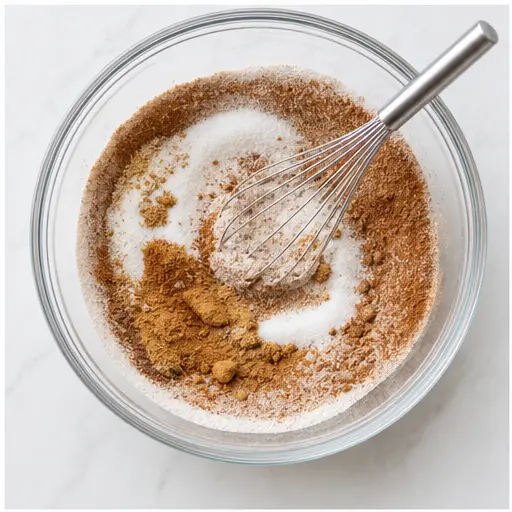
Stage 1: Mix the dry ingredients. In a large bowl, whisk together the sugar, ginger, nutmeg, cinnamon, salt, and baking soda. Take your time with this you want the spices evenly distributed. The aroma alone is worth the effort.
Stage 2: Cream the butter and molasses. Add the softened butter, evaporated milk, and molasses to the dry ingredients. Use an electric mixer on low speed to start, then gradually increase. You’ll see the mixture transform into a smooth, dark, glossy cream. That’s exactly what we want.
Stage 3: Add the flour. With the mixer on low, add the flour one cup at a time. Mix until just incorporated before adding the next cup. The dough will become stiff this is normal. If it’s still too sticky, add more flour, half a cup at a time, until it forms a cohesive ball that doesn’t stick to your fingers.
Stage 4: Roll and cut. On a well-floured surface, roll the dough to a 1/2-inch thickness. Use a 2 1/2-inch round biscuit cutter or any cookie cutter you like. Place the cut shapes on prepared baking sheets. Don’t forget to add flour to the rolling pin and cutter as needed to prevent sticking.
Stage 5: Bake. Bake at 375°F for 10 to 12 minutes. The cookies should be slightly golden brown but still soft. Don’t overbake they’ll firm up as they cool. For that soft, chewy texture, remove them from the oven while they’re still a bit tender.
Let them cool on the baking sheet for a few minutes before transferring to a wire rack. This step is crucial moving them too soon can cause them to break.
Tips for Perfect Gingerbread Cookies
I’ve made these cookies more times than I can count, and I’ve learned a few things that make a real difference. Here are my top tips.
- Don’t overmix the dough. Once the flour is incorporated, stop. Overmixing develops gluten and makes the cookies tough.
- Chill the dough if it’s too sticky. If the dough feels overly soft, pop it in the fridge for 15 minutes. It’ll be much easier to roll.
- Test one cookie first. Ovens vary. Bake a single cookie to check the time and temperature before committing to a full batch.
- Use a light hand with the flour. When rolling, use just enough flour to prevent sticking. Too much flour will dry out the cookies.
- For a crispier cookie, roll thinner. If you prefer a crunch, roll the dough to 1/4-inch thickness and bake for an extra minute or two.
These tips come from experience. I’ve had batches that were too sticky, too dry, or too crispy. But once you get the hang of it, these cookies are incredibly forgiving.
Variations and Add-Ins
While the base recipe is perfect as is, there’s room for creativity. Here are a few variations I’ve tried and enjoyed.
- Spice it up: If you want a more robust spice profile, add 1/2 teaspoon of ground cloves and 1/4 teaspoon of allspice. Just know it won’t taste exactly like the original.
- Citrus notes: Add 1/2 cup of chopped candied orange or lemon peel to the dough. It adds a bright, fruity contrast to the rich molasses.
- Honey or treacle: You can substitute half the molasses with honey or treacle syrup for a milder flavor. The cookies will be slightly less dark but still delicious.
- Glaze them: For a festive touch, drizzle with a simple glaze made from powdered sugar and a splash of milk. Or just dust with powdered sugar.
These variations are optional, of course. The original 1796 gingerbread cookies recipe is wonderful on its own.
Serving Suggestions
These cookies are versatile. They’re perfect for a July 4th celebration, a colonial-themed party, or just a quiet afternoon with a cup of tea. Here are some ways I like to serve them.
- With tea or coffee: The soft, spicy cookies pair beautifully with a hot beverage. The molasses flavor stands up well to black tea or a dark roast.
- As a dessert: Serve them with a dollop of whipped cream or a scoop of vanilla ice cream. It’s a simple but satisfying treat.
- For a patriotic touch: Arrange them on a platter with fresh berries and a sprinkle of powdered sugar. Red, white, and blue never looked so good.
- Gift them: Pack them in a tin with a ribbon. They make a thoughtful, homemade gift for any occasion.
However you serve them, these cookies are sure to be a hit.
Storage and Freezing
Proper storage keeps these cookies fresh and delicious. Here’s what I recommend.
- Room temperature: Store in an airtight container at room temperature for up to a week. They’ll stay soft and chewy.
- Freezing: Cool the cookies completely, then wrap them tightly in plastic wrap and place in a freezer-safe bag. They’ll keep for up to 3 months.
- Thawing: Let them thaw at room temperature for about 30 minutes before serving. They’ll taste just as fresh as the day you baked them.
If you want to reheat them, pop them in a 300°F oven for a few minutes. It brings back that just-baked warmth.
Frequently Asked Questions
I hope this guide helps you bring a taste of 1796 into your kitchen. These cookies are more than a recipe they’re a connection to our culinary past. And they’re absolutely delicious. When you make them, tag me on Pinterest I want to see your colonial creations! Share your baking on Pinterest.
Source: Nutritional Information
What makes these 1796 gingerbread cookies different from modern gingerbread?
These cookies are softer and more cake-like than the crisp gingerbread you might be used to. They rely on molasses for sweetness and depth, with milder spices. The texture is tender and chewy, not crunchy, and the flavor is more about molasses than strong ginger.
Can I use regular milk instead of evaporated milk in this colonial gingerbread cookies recipe?
I wouldn’t recommend it. Evaporated milk adds a richness and slight creaminess that regular milk just can’t replicate. The texture of the cookies will be noticeably different. Stick with evaporated milk for the best results.
How long do these historic gingerbread cookies stay fresh?
Stored in an airtight container at room temperature, they’ll stay fresh for up to a week. The molasses helps keep them moist. If you freeze them, they’ll last for up to 3 months without losing their soft texture.
What is the best way to store leftover gingerbread cookies?
An airtight container at room temperature is best. Avoid the refrigerator, as it can dry them out. For longer storage, wrap them tightly and freeze. Just thaw at room temperature before serving.
Can I substitute salted butter with unsalted butter in this recipe?
Yes, you can. If you use unsalted butter, just add an extra 1/4 teaspoon of salt to the dry ingredients. The recipe already includes salt, so the balance will be fine either way.