
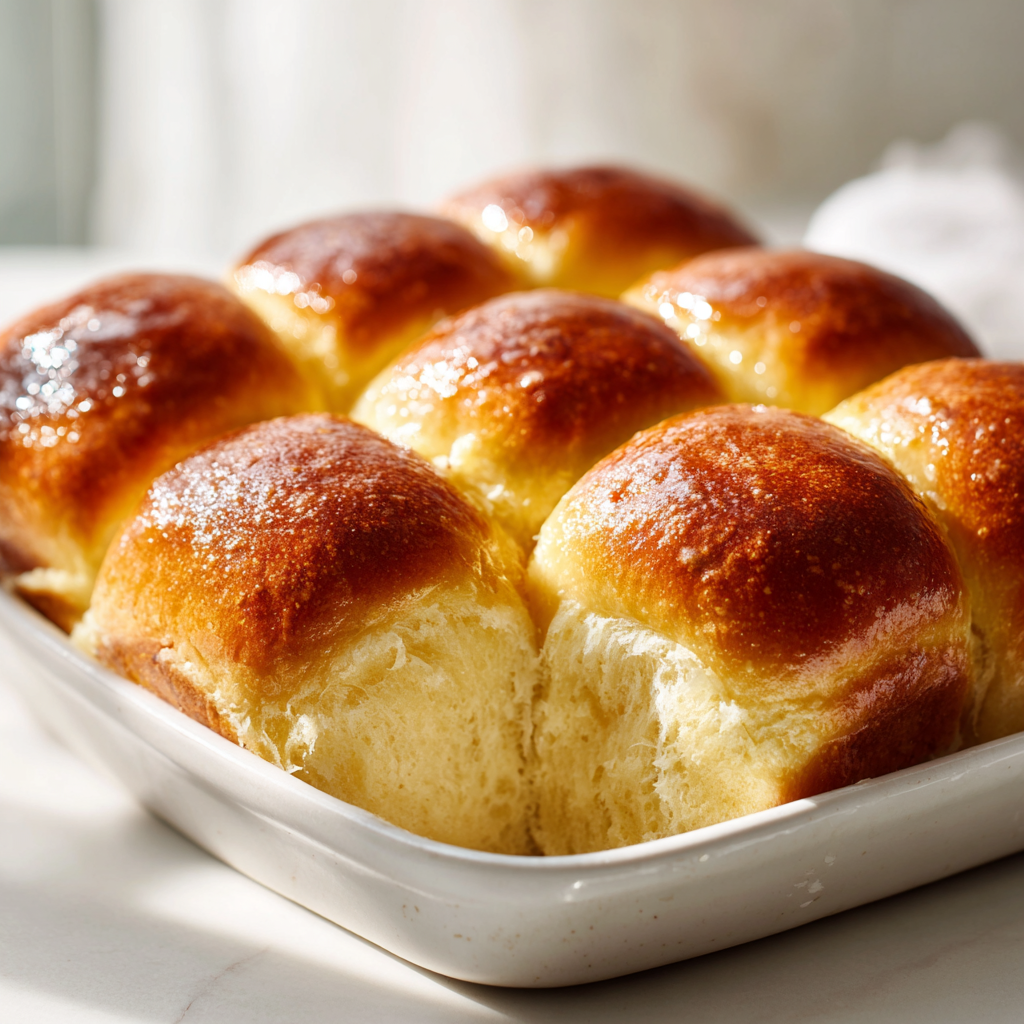
Ultimate Brioche Dinner Rolls: Soft & Buttery
Ingredients
Method
- In a large measuring cup, combine the warm milk (about 105°F), active dry yeast, and 1 tablespoon of sugar. Whisk gently, then let sit for 10 minutes until frothy.
- Attach the dough hook to a stand mixer. Add the flour, remaining 1/4 cup sugar, salt, eggs, and the frothy yeast mixture. Mix on low speed until the flour starts to incorporate, then increase to high speed and beat for 4-5 minutes until the dough comes together.
- With the mixer on high, add the softened butter chunks one at a time. Continue mixing for 5-10 minutes until the dough is smooth, elastic, and pulls away from the sides of the bowl. Be patient—this step is key.
- Transfer the dough to a lightly oiled bowl (olive oil works great). Cover with a kitchen towel or plastic wrap and let rise in a warm place for about 1 hour, or until doubled in size. You can use your oven's proof setting if available.
- Punch down the dough and divide it into 12 equal pieces. Shape each piece into a smooth ball. Arrange the balls in a greased 9x13-inch baking dish. Cover and let rise for another hour—they don't need to double, just puff up.
- Preheat the oven to 350°F. In a small bowl, whisk the egg with 1 teaspoon of water to make the egg wash. Brush the tops of the rolls gently. Bake for about 25 minutes, until golden brown and the internal temperature reaches 190°F.
Nutrition
Notes
Tried this recipe?
Let us know how it was!Why These Brioche Dinner Rolls Belong on Your Table
I remember the first time I pulled a pan of homemade brioche dinner rolls from the oven. The kitchen smelled like butter and warmth, and my kids were circling like little sharks. My oldest asked, “Can we eat them now?” And I said, “Let them cool for five minutes.” We didn’t make it to three.
These rolls are everything you want from a dinner roll soft, fluffy, rich, and just sweet enough. The kind that makes you close your eyes when you take a bite. And I promise, you can make them. Even if yeast has scared you in the past. Even if you’re juggling a dozen other dishes for a holiday meal.
This brioche dinner rolls recipe is designed for real home bakers. It uses simple ingredients you probably already have. And it gives you that golden, pull-apart texture that makes everyone at the table say “Wow, you made these?”
So let’s get into it. Because you got this.
What Is Brioche Exactly?
Brioche is what happens when bread gets fancy. It’s an enriched dough meaning it has butter and eggs mixed in, which makes it richer and softer than your standard white bread. Think of it as the difference between a basic sandwich loaf and something that feels like a treat.
The magic of brioche comes from the butter. Lots of it. And eggs. And a little patience. The dough starts out sticky and messy, but with enough kneading, it transforms into something silky and smooth. Like a soft earlobe, that’s what you’re looking for. Claro que sí.
These brioche dinner rolls are my go-to for holidays, but honestly? They’re perfect for any dinner where you want to impress. Sunday roasts, Easter, Thanksgiving, even a simple weeknight pasta. They make everything feel special.
Ingredient Notes for the Best Brioche Dinner Rolls
Let’s talk about what goes into these rolls. Simple stuff, but each ingredient plays a role. Get these right and you’re already halfway there.
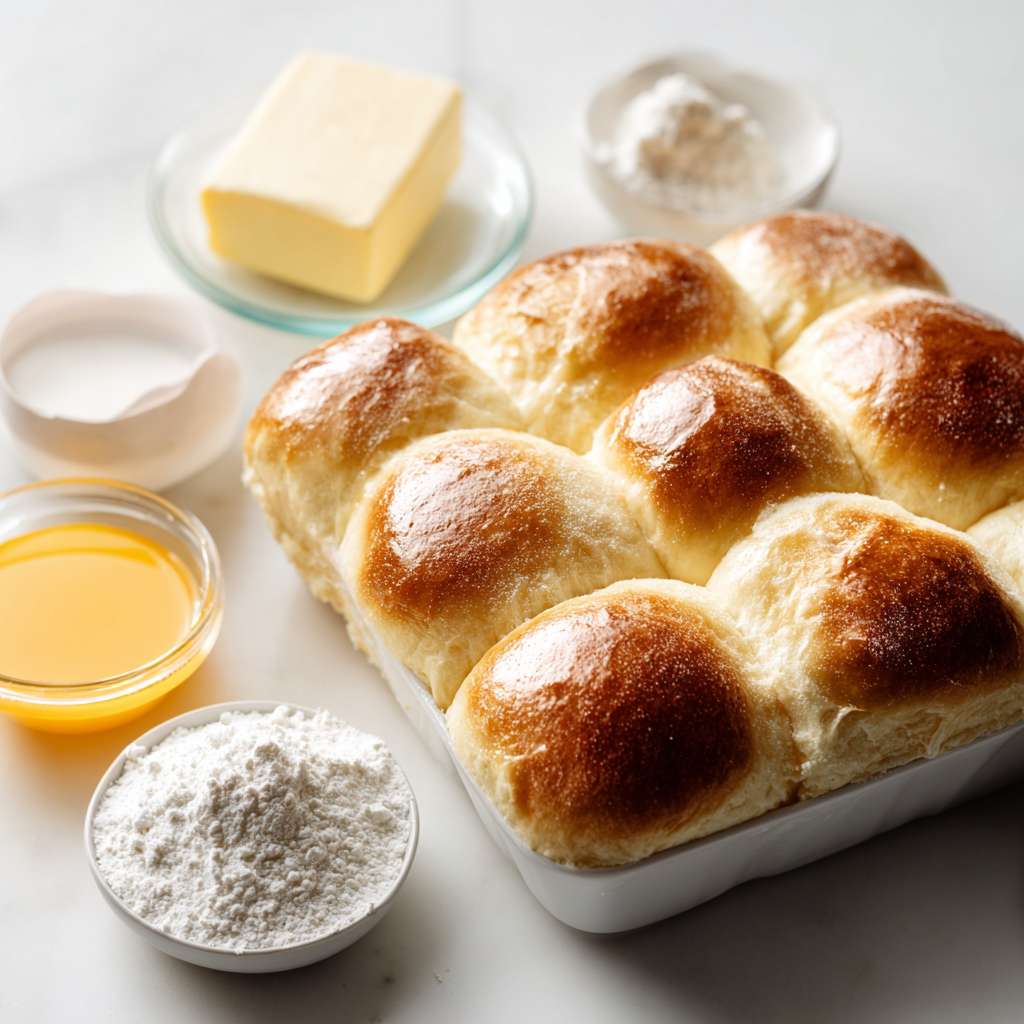
- Whole milk: Warmed to about 105°F. Not hot warm. Think baby bottle temperature. Too hot and you’ll kill the yeast. Too cold and the yeast won’t wake up. Así es.
- Active dry yeast: The kind you proof first. Don’t skip the proofing step it’s your insurance policy. If it doesn’t get frothy after 10 minutes, your yeast is dead. Start over.
- Granulated sugar: A little for the yeast to eat, a little more for sweetness. Brioche is slightly sweet, but not dessert-sweet. You can adjust it if you want, but I like it as written.
- All-purpose flour: Spoon and level it. Don’t scoop straight from the bag you’ll pack in too much flour and get dense rolls. Use AP flour, not bread flour. Bread flour can make these too chewy.
- Eggs: Room temperature. Cold eggs will shock the dough and make it harder to come together. Set them out an hour before you start.
- Unsalted butter: Softened, cut into chunks. And yes, it’s a lot of butter. But one bite and you’ll know why. Use good-quality butter I like California butter for the flavor.
That’s it. No fancy ingredients. No trips to a specialty store. Just pantry staples that come together into something amazing.
How to Make Brioche Dinner Rolls
Alright, let’s walk through this. I’ll give you the big picture steps here the recipe card below has the exact details. Think of this as your guide to why things work the way they do.
Stage 1: Activate the Yeast
Start by warming your milk. I microwave it for about 30 seconds, then check the temperature with my finger. It should feel warm but not hot. Add the yeast and a tablespoon of sugar, whisk gently, and let it sit. In about 10 minutes, it should look frothy and smell like bread. If it doesn’t, your yeast is old. No te preocupes just grab a fresh packet.
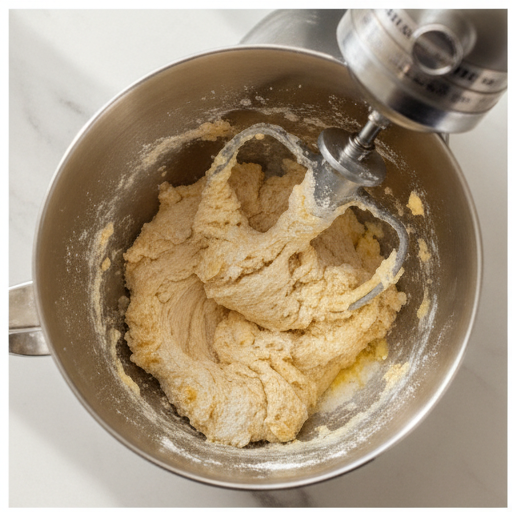
Stage 2: Mix and Knead
In your stand mixer with the dough hook, combine the flour, remaining sugar, salt, eggs, and the frothy yeast mixture. Mix on low until the flour starts to come together, then crank it up to high. Beat for 4-5 minutes. The dough will look shaggy at first. Don’t panic. That’s normal.
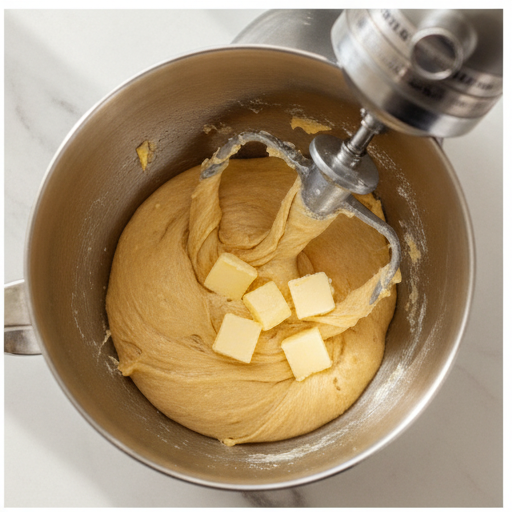
Now comes the butter. With the mixer running on high, add the softened butter chunks one at a time. This takes patience. Keep mixing for 5-10 minutes until the dough is smooth, elastic, and pulls away from the sides of the bowl. It should feel soft and silky like a baby’s cheek.
Stage 3: First Rise
Transfer the dough to a lightly oiled bowl. Cover with a kitchen towel or plastic wrap. Let it rise in a warm place for about an hour, until doubled in size. In summer, your dough will rise faster that’s a good thing! If your kitchen is hot, find a cooler spot or even pop it in the fridge for a slower rise.
I once overproofed my dough on a scorching July afternoon. It got too puffy and then collapsed. Lesson learned: keep an eye on it. When it’s doubled, it’s ready.
Stage 4: Shape and Second Rise
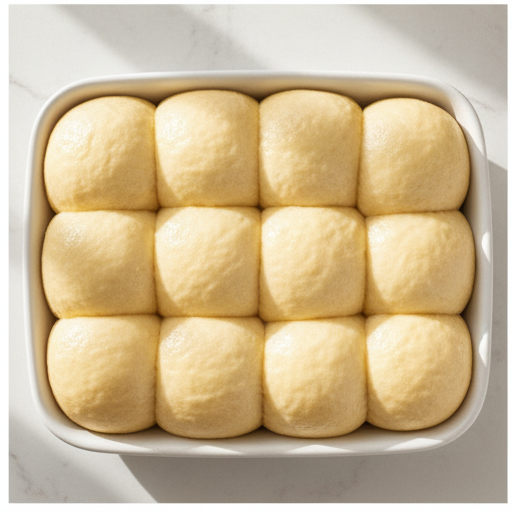
Punch down the dough. Divide it into 12 equal pieces. Shape each into a smooth ball tuck the edges under and roll it between your palms. Arrange them in a greased 9×13 baking dish. Cover and let rise for another hour. They don’t need to double, just puff up nicely.
For the egg wash, whisk one egg with a teaspoon of water. Brush the tops gently this gives you that gorgeous golden brown finish.
Stage 5: Bake
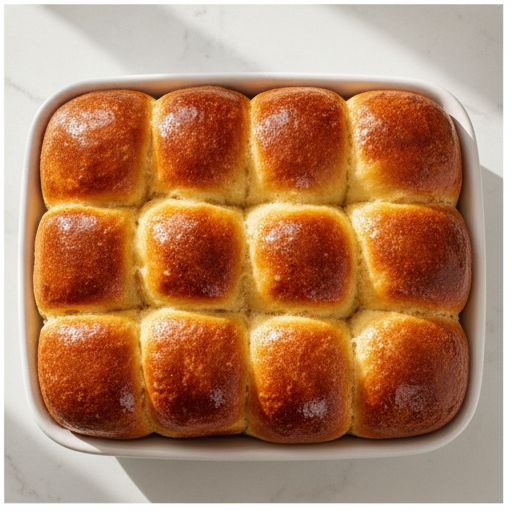
Preheat the oven to 350°F. Bake the rolls for about 25 minutes, until golden brown and the internal temperature hits 190°F. Your kitchen will smell incredible. Let them cool in the pan for a few minutes before serving. Or don’t. I won’t judge.
Tips for Perfect Brioche Dinner Rolls
Over the years, I’ve learned a few things that make these rolls turn out perfect every time. Here are my best tips:
- Check your yeast: If you’re not sure if your yeast is fresh, proof it first. Frothy = good. Flat = bad. Por supuesto.
- Use room temperature ingredients: Cold eggs and cold butter will make the dough stiff and hard to knead. Set everything out an hour before you start.
- Don’t rush the butter addition: Add it one chunk at a time and let each piece get fully incorporated before adding the next. This is where the texture happens.
- Do the windowpane test: Take a small piece of dough and stretch it gently. If it stretches thin enough to see light through without tearing, it’s ready. If it tears, keep kneading.
- Adjust for summer heat: On hot days, your dough will rise faster. Check it earlier than the recipe says. If it’s rising too fast, move it to a cooler spot.
- Don’t overmix after adding the butter: Stop once the dough is smooth and elastic. Overmixing can make the rolls tough.
Variations to Try
Once you’ve mastered the basic brioche dinner rolls recipe, you can play around. Here are some ideas:
- Mini slider buns: Divide the dough into 24 pieces instead of 12. Shape into balls, place on a greased baking sheet, and bake for about 15-18 minutes. Perfect for sliders.
- Knotted rolls: Roll each piece into a 12-inch rope. Tie into a loose knot, tuck the ends under, and bake. Fancy-looking but easy.
- Seeded tops: Before baking, brush with egg wash and sprinkle sesame seeds or flaky salt on top. Adds crunch and flavor.
Storage and Reheating
These rolls store beautifully. Here’s what to do:
- Room temperature: Store in an airtight container or ziplock bag for 1-2 days.
- Refrigerator: They’ll keep for up to 5 days in the fridge.
- Freezer: Freeze baked rolls for up to 2 months in a freezer-safe bag. To reheat, wrap in foil and warm in a 300°F oven for about 10 minutes.
- Make ahead: After shaping, cover the rolls tightly and refrigerate for up to 12 hours. Let them sit at room temperature for 20 minutes before baking.
For best results, brush with melted butter before reheating. It brings back that fresh-baked taste.
Frequently Asked Questions
More Brioche Recipes to Try
If you love these brioche dinner rolls, you might enjoy other enriched bread recipes. Check out my brioche burger buns or a classic brioche loaf. They all start with the same buttery dough.
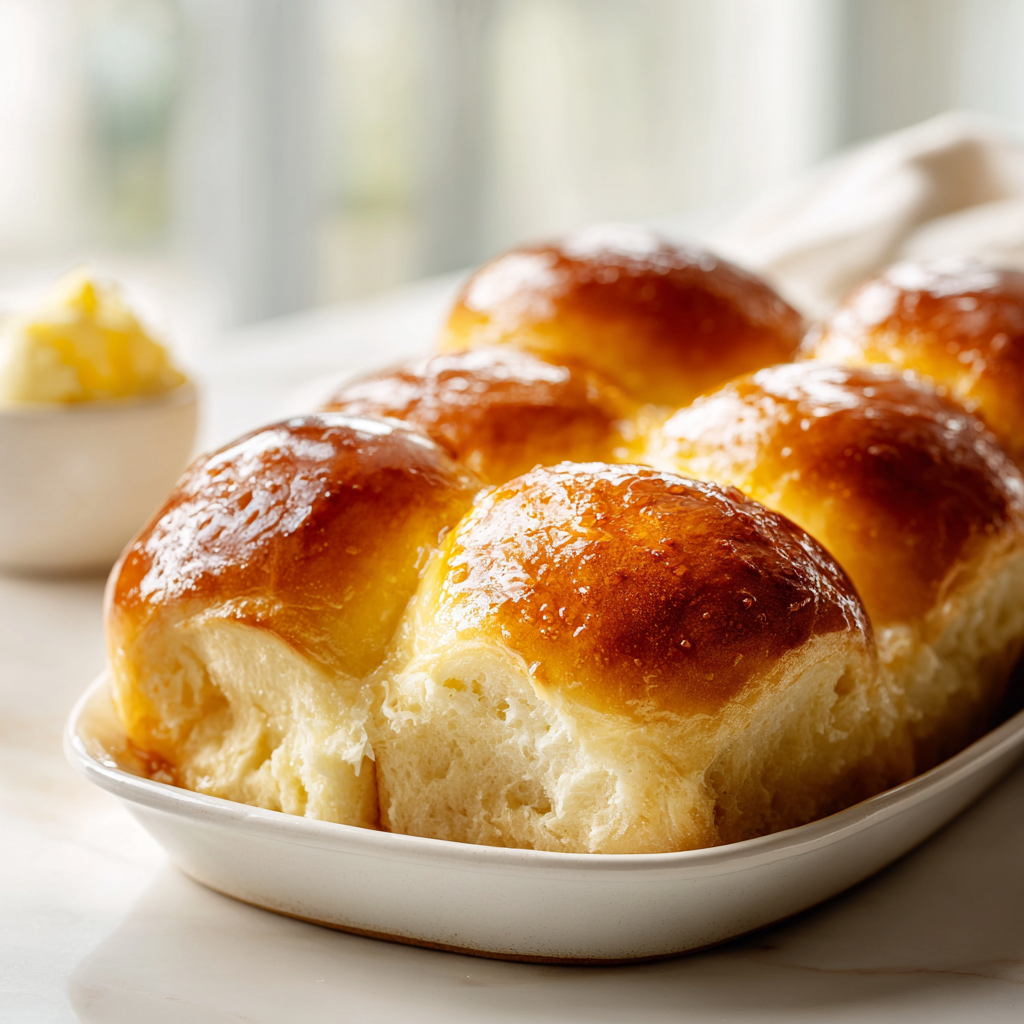
When you pull these rolls apart at your 4th of July BBQ or Thanksgiving dinner, you’ll feel that little rush of pride. The one that says “I made this.” And your family will agree these are the best brioche dinner rolls they’ve ever had.
For more inspiration, follow me on Pinterest where I share all my favorite recipes and tips.
Source: Nutritional Information



6 Responses
I made these for Easter dinner and they were a huge hit! The dough was stickier than I expected, but I trusted the process and they turned out perfectly golden and fluffy. My only question is could I use bread flour instead of all-purpose?
Hi Sarah! Yes, you can absolutely use bread flour—it will give the rolls a slightly chewier texture and a bit more structure, which works beautifully with brioche. Just add an extra tablespoon of milk if the dough feels too dry.
These rolls are dangerously good. I made a double batch for Thanksgiving and they were gone before the turkey was carved. The only thing I’d tweak is maybe a little less sugar next time, but that’s personal preference.
Made these for a potluck and they were good, but mine came out a bit dense. I think I overworked the dough after adding the butter. Any tips for knowing when to stop kneading?
Hi David! Over-kneading can definitely make brioche dense. For enriched doughs like this, stop as soon as the dough passes the windowpane test—stretch a small piece thin enough to see light through without it tearing. Also, make sure your butter is at room temperature before adding it.
I’ve been trying to perfect brioche for years and this recipe finally clicked for me. That tip about the dough feeling like a soft earlobe? Genuinely helpful. I did find the rising time took closer to 2 hours in my cool kitchen, so plan ahead!