Vegan Oatmeal Cookies
Ingredients
Method
- Preheat the oven to 350°F (180°C). Line two large baking sheets with parchment paper.
- In a large bowl, beat the vegan butter, brown sugar, and granulated sugar with an electric mixer until light and fluffy.
- Add the vanilla extract and dairy-free milk, then beat until just combined.
- Add the flour, cinnamon, baking soda, and salt, and mix until no dry spots remain.
- Add the rolled oats and stir until well incorporated. Some oats should break down; the dough should be soft and tacky but not sticky. If dry, add another 1–2 tablespoons of milk.
- Using a small cookie scoop or tablespoon, portion the dough into 15 balls (about 40g each). Place on the prepared sheets, spacing 2 inches apart. For slightly thinner cookies, gently flatten each ball with your fingers.
- Bake for 11–15 minutes. For chewy cookies, bake on the shorter side; for crispier cookies, bake longer. The cookies will look underdone but will set as they cool.
- Let the cookies cool on the baking sheet on a wire rack for 5 minutes, then transfer to the rack to cool completely.
- Enjoy warm or at room temperature. Store in an airtight container at room temperature for up to 1 week, in the fridge for up to 2 weeks, or in the freezer for up to 2 months.
Nutrition
Notes
Tried this recipe?
Let us know how it was!Why You’ll Love These Vegan Oatmeal Cookies
You’re craving a warm, chewy cookie, but dairy and eggs are out. I get it. That moment when you want something comforting, something that tastes like real baking, but you’re not sure if the plant-based version will actually work. I’ve been there. My first attempt at vegan cookies was a disaster flat, crumbly, and honestly kind of sad. But I learned a few things since then.
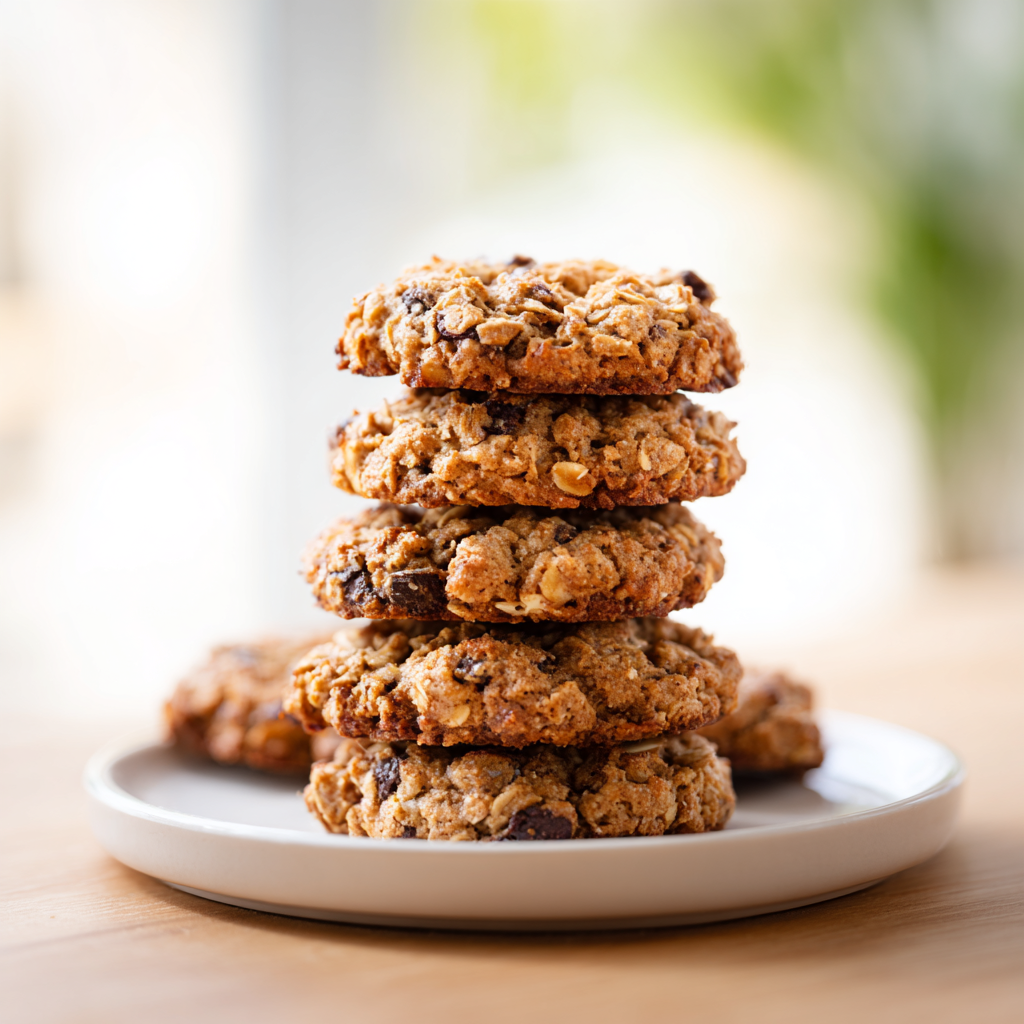
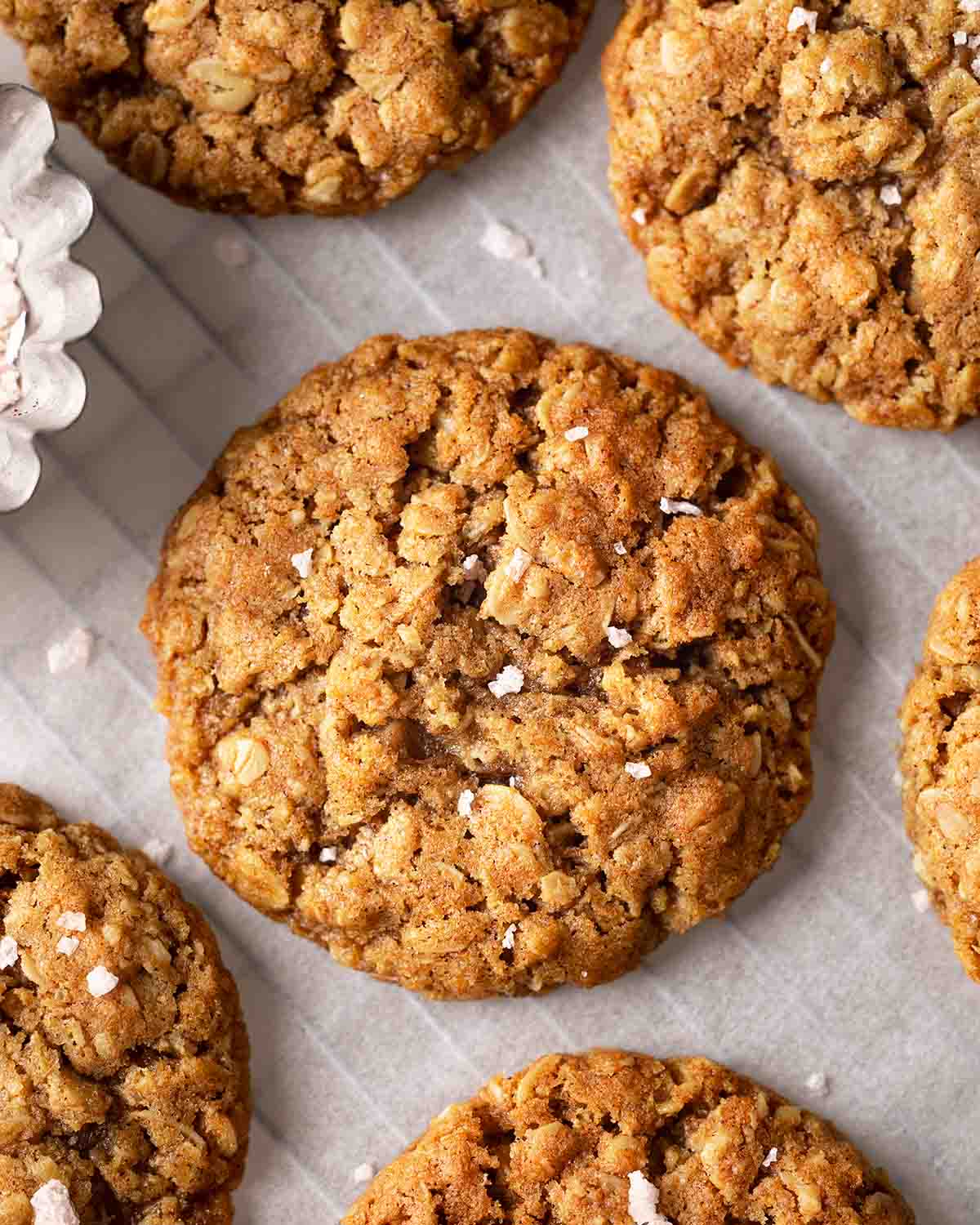
These vegan oatmeal cookies are the result of that learning. They’re soft, chewy, and completely indistinguishable from traditional oatmeal cookies. Made in one bowl, with no chilling required, and using ingredients you probably already have in your pantry. That’s what we want, right? A recipe that delivers without a complicated process.
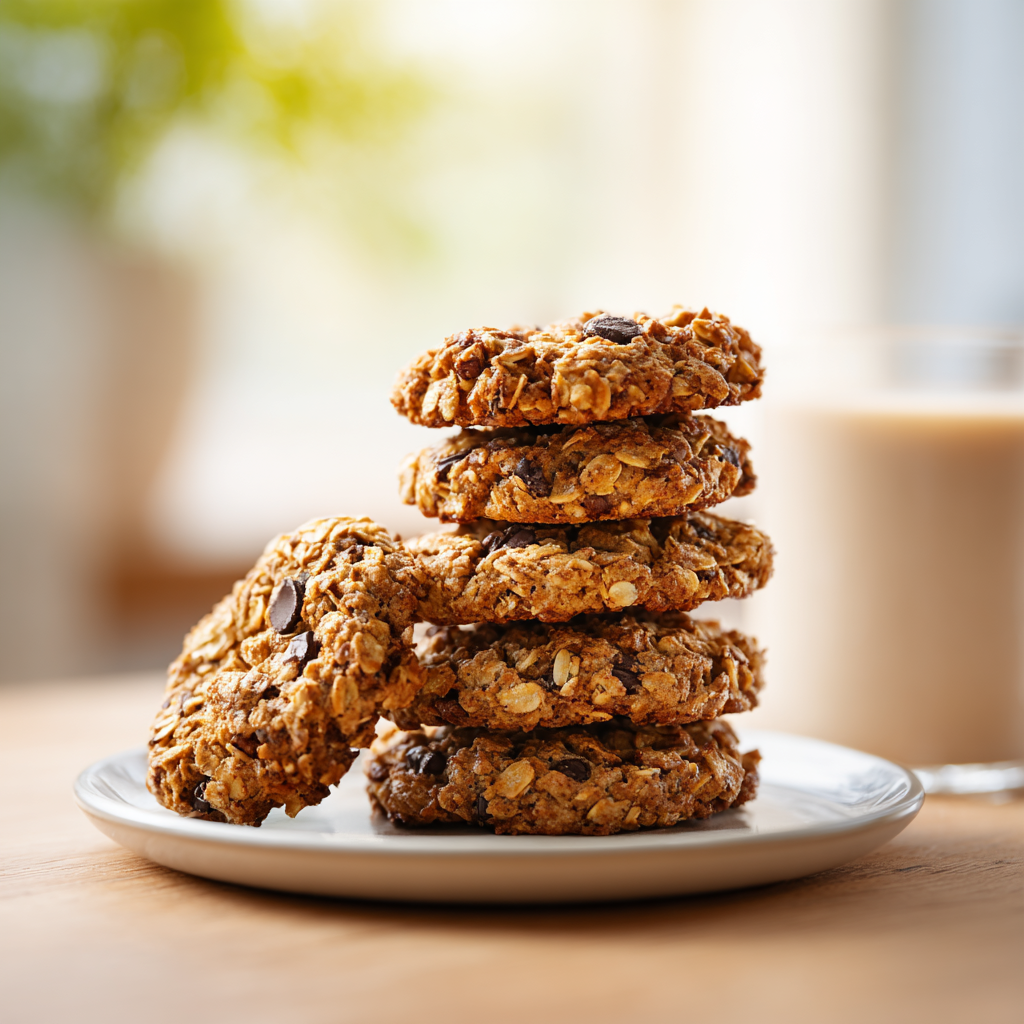
What makes these special? The texture. They’re not dry or crumbly like some vegan cookies can be. They hold together beautifully, with a tender crumb and just the right amount of chew. The oats give them that hearty, satisfying bite, while the brown sugar and cinnamon create a flavor that fills your kitchen with pure comfort. And the best part? No one will guess they’re vegan.
Simple Ingredients You’ll Need
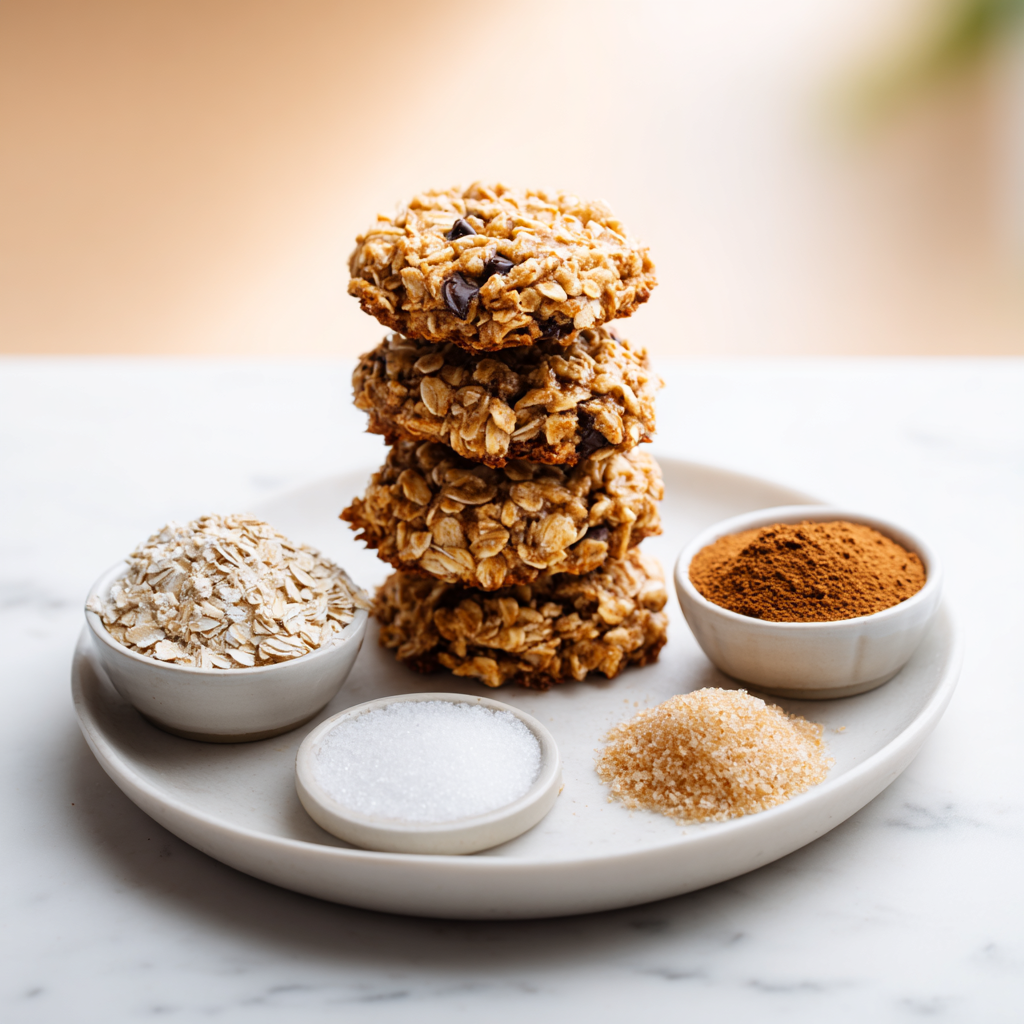
Let’s talk about what goes into these cookies. The ingredient list is short and sweet, which is exactly how I like my baking. No obscure substitutes, no trips to three different stores. Just pantry staples that work together beautifully.
- Vegan butter: This is the backbone of the cookie. Use a good quality block-style vegan butter, not the spreadable kind in a tub. I’ve found brands like Earth Balance or Miyoko’s work wonderfully. The block holds its structure better and gives you that perfect spread.
- Brown sugar and granulated sugar: The combination is key. Brown sugar adds moisture and that deep, caramel-like flavor. Granulated sugar helps with spreading and gives the edges a nice crispness.
- Dairy-free milk: Just a couple of tablespoons. Almond milk or oat milk both work great. It adds just enough moisture to bring the dough together.
- Vanilla extract: Don’t skip it. It rounds out the flavors and makes everything taste more, well, cookie-like.
- All-purpose flour: Spoon and level it for accuracy. Scooping directly from the bag packs too much flour and leads to dry cookies.
- Ground cinnamon: That warm, cozy flavor that makes oatmeal cookies so comforting.
- Baking soda and salt: For lift and balance. Just a pinch of each.
- Rolled oats: This is important use rolled oats, not quick oats. Rolled oats give you that hearty texture and chew. Quick oats break down too much and make the cookies mushy.
Ingredient Notes and Substitutions
I know life happens, and sometimes you don’t have exactly what the recipe calls for. Let’s talk about swaps that work and ones that don’t.
Vegan butter alternatives: If you don’t have vegan butter, you can use coconut oil. Use refined coconut oil for a neutral flavor, and make sure it’s solid but soft (not melted). The cookies will be slightly more tender and may spread a bit more. Another option is nut butter, like almond or cashew butter, but this will change the flavor and texture significantly the cookies will be denser and more cakey.
Sugar substitutions: For a refined sugar-free version, you can replace the brown sugar with coconut sugar. It has a similar moisture content and gives a lovely caramel note. Just keep in mind the cookies will be darker in color. Do NOT use liquid sweeteners like maple syrup or agave they’ll make the dough too runny and the cookies will spread into flat puddles.
Flour options: For gluten-free cookies, use a cup-for-cup gluten-free all-purpose flour blend. I’ve had good results with Bob’s Red Mill 1-to-1 Baking Flour. You may need an extra tablespoon of flour if the dough feels too sticky. And make sure to use certified gluten-free rolled oats.
Oat alternatives: I really recommend sticking with rolled oats. But if all you have are quick oats, you can use them just know the texture will be softer and less chewy. The cookies will still taste great, they just won’t have that same hearty bite.
How to Make Vegan Oatmeal Cookies
Alright, let’s get to the fun part. The process is straightforward, and I’ll walk you through each stage so you know exactly what to look for. Take your time with each step it’s worth it.
Stage 1: Cream the butter and sugars. In a large bowl, beat the vegan butter, brown sugar, and granulated sugar together with an electric mixer until light and fluffy. This takes about 2-3 minutes. You want the mixture to look pale and aerated. Don’t rush this proper creaming creates air pockets that help the cookies rise and stay tender. The texture should be smooth and almost paste-like.
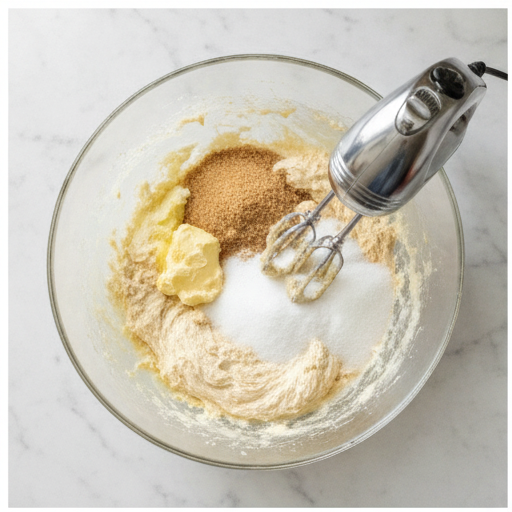
Stage 2: Add the wet ingredients. Add the vanilla extract and dairy-free milk, then beat until just combined. Scrape down the sides of the bowl with a spatula to make sure everything is evenly incorporated. The mixture might look a little separated at this point that’s okay. Don’t stress if it looks a bit greasy. It will come together once you add the dry ingredients.
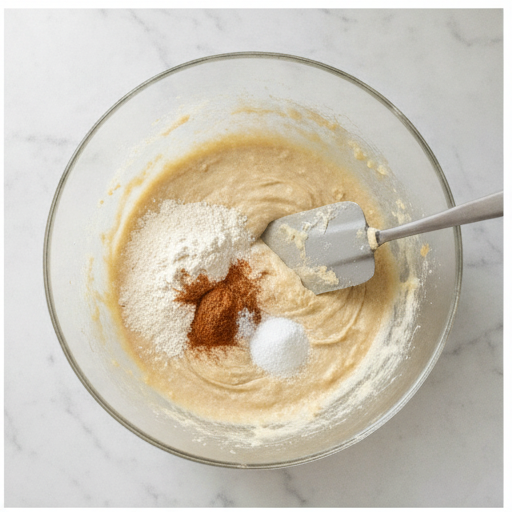
Stage 3: Add the dry ingredients. Add the flour, cinnamon, baking soda, and salt. Mix on low speed or fold by hand until no dry spots remain. Be gentle here overmixing can develop too much gluten and make the cookies tough. You just want everything evenly distributed. The dough should be soft and cohesive.
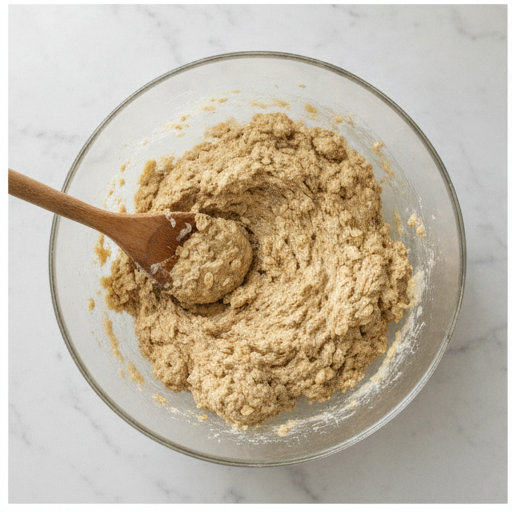
Stage 4: Add the oats and portion. Add the rolled oats and stir until well incorporated. Some oats will break down as you mix, which is exactly what we want. The dough should be soft and tacky but not sticky. If it feels dry, add another 1-2 tablespoons of milk. Using a small cookie scoop or tablespoon, portion the dough into 15 balls (about 40g each). Place them on parchment-lined baking sheets, spacing 2 inches apart. For slightly thinner cookies, gently flatten each ball with your fingers.
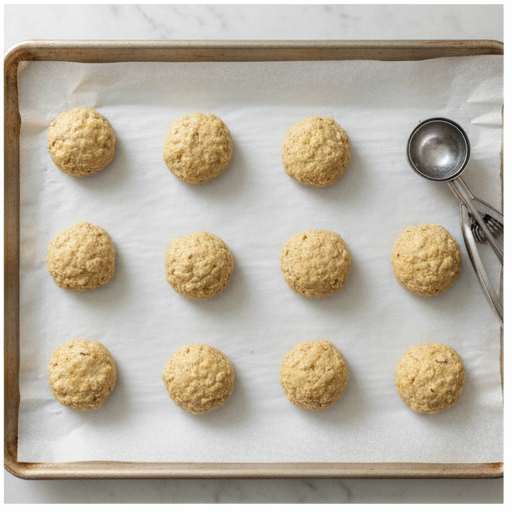
Baking: Bake at 350°F for 11-15 minutes. For chewy cookies, aim for the shorter time about 11-12 minutes. For crispier cookies, go longer. The cookies will look underdone when you pull them out, with slightly puffed centers and golden edges. That’s exactly what you want. They’ll continue to set as they cool on the baking sheet for 5 minutes, then transfer to a wire rack to cool completely.
Top Tips for Perfect Cookies
After a few batches (and a few failures), I’ve learned what makes the difference between good cookies and great ones. Here are my top tips.
Common Mistakes and How to Fix Them
❌ Mistake: Cookies are too flat. ✅ Solution: Your vegan butter was too soft or warm. Chill the butter before starting. Also, make sure your baking soda is fresh test it by dropping a pinch into vinegar; it should bubble vigorously.
❌ Mistake: Cookies are too dry and crumbly. ✅ Solution: You likely overmeasured the flour. Use the spoon-and-level method: spoon flour into your measuring cup, then level off with a knife. Or use a kitchen scale for accuracy (95g is the sweet spot).
❌ Mistake: Cookies aren’t spreading. ✅ Solution: Gently flatten the dough balls before baking. If they still don’t spread, your dough might be too dry add an extra tablespoon of milk next time.
❌ Mistake: Cookies are too sweet. ✅ Solution: Reduce the brown sugar by 2 tablespoons. The sweetness level is balanced for most palates, but feel free to adjust to your taste.
Measure flour correctly. This is the number one issue I see. Scooping directly from the bag packs in extra flour, leading to dry cookies. Always spoon the flour into your measuring cup and level it off.
Use a cookie scoop. It ensures all your cookies are the same size, which means they’ll bake evenly. A #40 scoop (about 1.5 tablespoons) is perfect.
Don’t overbake. The cookies will look slightly puffy and underdone when you take them out. Trust the process. They’ll set up beautifully as they cool.
Let them cool on the sheet. That 5-minute rest on the hot baking sheet is crucial. It allows the centers to finish cooking without drying out the edges.
Optional Add-Ins and Variations
One of the best things about this vegan oatmeal cookie recipe is how adaptable it is. The base dough is a blank canvas for whatever you’re craving. Here are some of my favorite variations.
- Chocolate chip: Fold in 1/2 cup of dairy-free chocolate chips. Dark chocolate chips are my go-to they add a rich, slightly bitter contrast to the sweet dough.
- Raisin: Add 1/2 cup of raisins. Soak them in warm water for 10 minutes first, then drain and pat dry. This plumps them up and keeps them from drawing moisture out of the dough.
- Cranberry-almond: Use 1/4 cup dried cranberries and 1/4 cup chopped almonds. The tartness of the cranberries pairs beautifully with the warm cinnamon.
- Coconut: Add 1/4 cup finely shredded (desiccated) coconut. Toast it lightly in a dry pan first for extra flavor.
- Spice it up: Add 1/4 teaspoon ground ginger or a pinch of ground cloves along with the cinnamon. It gives the cookies a cozy, almost holiday-like warmth.
Gluten-free option: As I mentioned earlier, use a cup-for-cup gluten-free flour blend and certified gluten-free oats. The dough will be a bit tackier, so you might need an extra tablespoon of flour. The cookies will still be soft and chewy just slightly more delicate.
How to Store and Freeze
These cookies keep beautifully, which is great for meal prep or just having a sweet treat on hand. Here’s what I’ve found works best.
At room temperature: Store in an airtight container for up to 1 week. Layer them with parchment paper between each layer to prevent sticking. They’ll stay soft and chewy the whole time.
In the fridge: For longer storage, keep them in a covered container in the fridge for up to 2 weeks. Let them come to room temperature before serving, or pop one in the microwave for 10 seconds for that fresh-from-the-oven warmth.
In the freezer: You have two options. Freeze baked cookies in a freezer-safe bag or container for up to 2-3 months. Thaw at room temperature for about 15 minutes. Or freeze the dough balls portion them out, place on a baking sheet, freeze until solid, then transfer to a bag. When you’re ready to bake, let them come to room temperature for about 20 minutes, then bake as directed. You may need to add an extra minute or two to the baking time.
Reheating: For that just-baked experience, warm a cookie in a 300°F oven for 3-5 minutes, or microwave for 10-15 seconds. The edges will crisp up slightly, and the center will be soft and gooey.
Frequently Asked Questions
I hope you love these vegan oatmeal cookies as much as I do. They’ve become my go-to for bake sales, potlucks, and quiet afternoons when I need something comforting. Bake a batch, share with someone who doubts vegan cookies, and come back to tell me how it went! And if you’re looking for more inspiration, follow me on Pinterest for more vegan baking ideas.
Source: Nutritional Information
How can I make gluten-free vegan oatmeal cookies?
Replace the all-purpose flour with a cup-for-cup gluten-free all-purpose baking blend, like Bob’s Red Mill 1-to-1. Use certified gluten-free rolled oats. The dough will be tackier than the original add an extra tablespoon of flour and reduce the milk by 1 tablespoon if needed. Bake time stays the same.
Can I make these oatmeal cookies without refined sugar?
Yes. Substitute the brown sugar with coconut sugar in equal measure. The cookies will be slightly darker in color and have a deeper caramel flavor. Do not use liquid sweeteners like maple syrup, as they’ll make the dough too wet and cause the cookies to spread into thin, crispy discs.