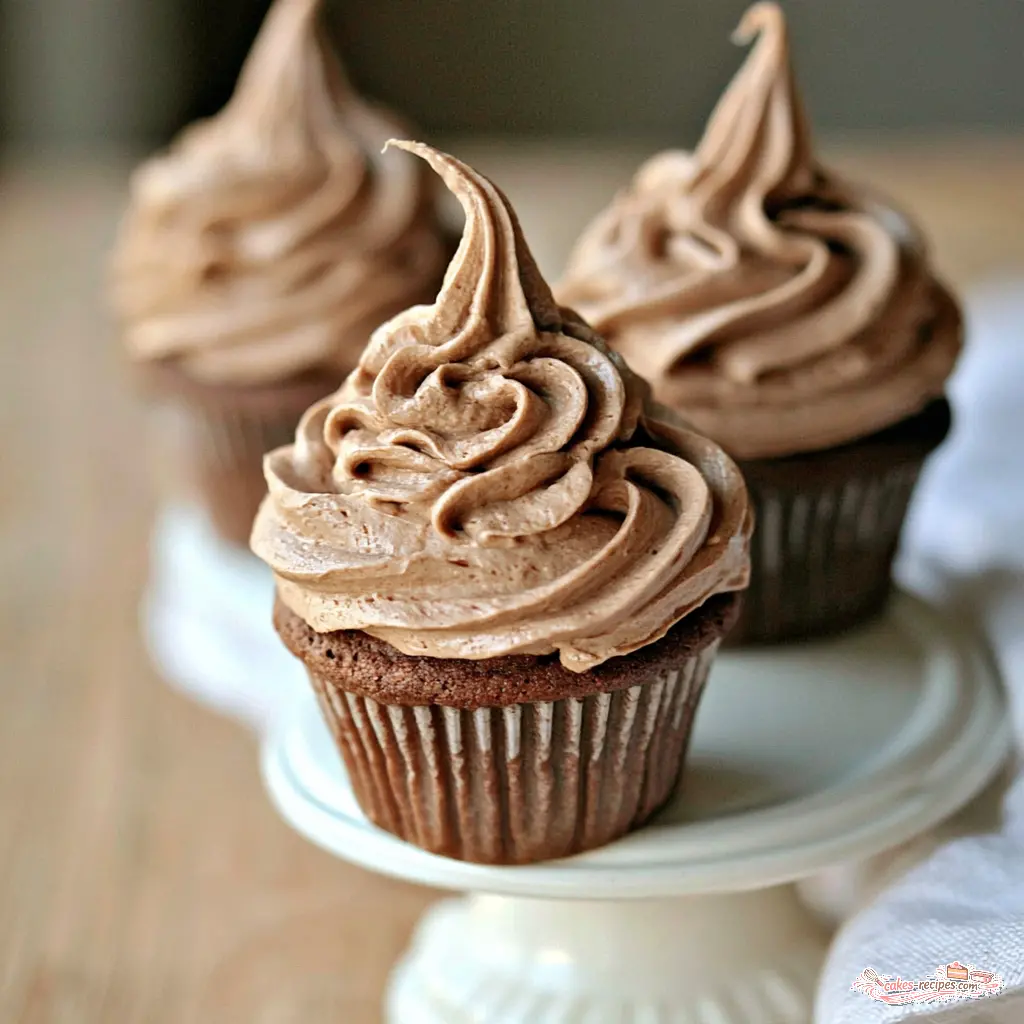
Rich and Creamy Nutella Buttercream Frosting
Ingredients
Method
- In a large bowl, beat the butter with 1/2 cup of powdered sugar at a time until smooth. After each addition of sugar, mix in 1 tablespoon of Nutella, then the vanilla. Once all is incorporated, beat on high for 20 seconds to make the frosting fluffy.
- Pour in the half-and-half, 1 tablespoon at a time, until the buttercream is thick enough to hold its shape. Add a pinch of salt, then whip on high for another 20 seconds.
- Use right away, or store covered in the refrigerator for up to 3 days. When ready to use from chilled, let it soften at room temperature, then beat on low until smooth.
Nutrition
Notes
Tried this recipe?
Let us know how it was!Why You’ll Love This Nutella Buttercream
I have one frosting rule, and it comes straight from my mom’s catering kitchen: if it can’t travel, it doesn’t belong on a dessert table. Runny frosting has wrecked more of my cakes than I care to count.
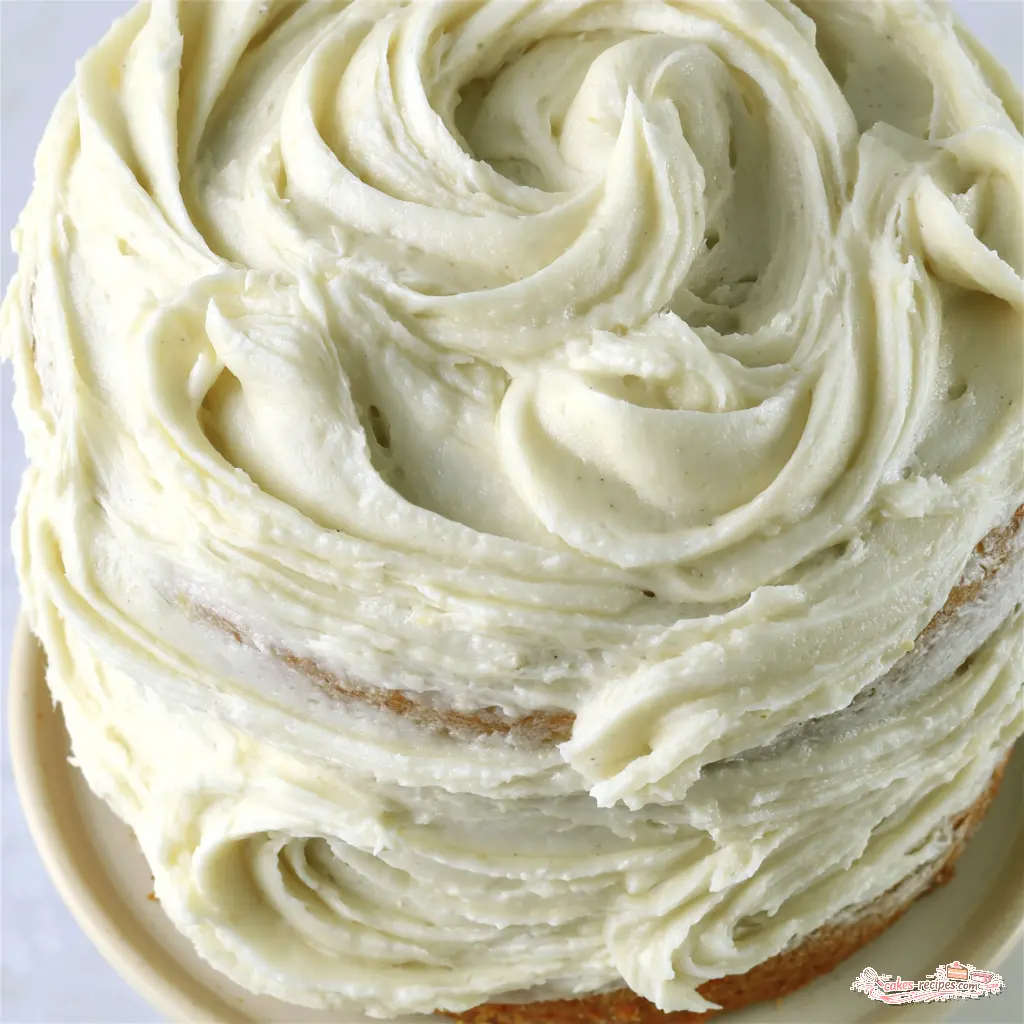
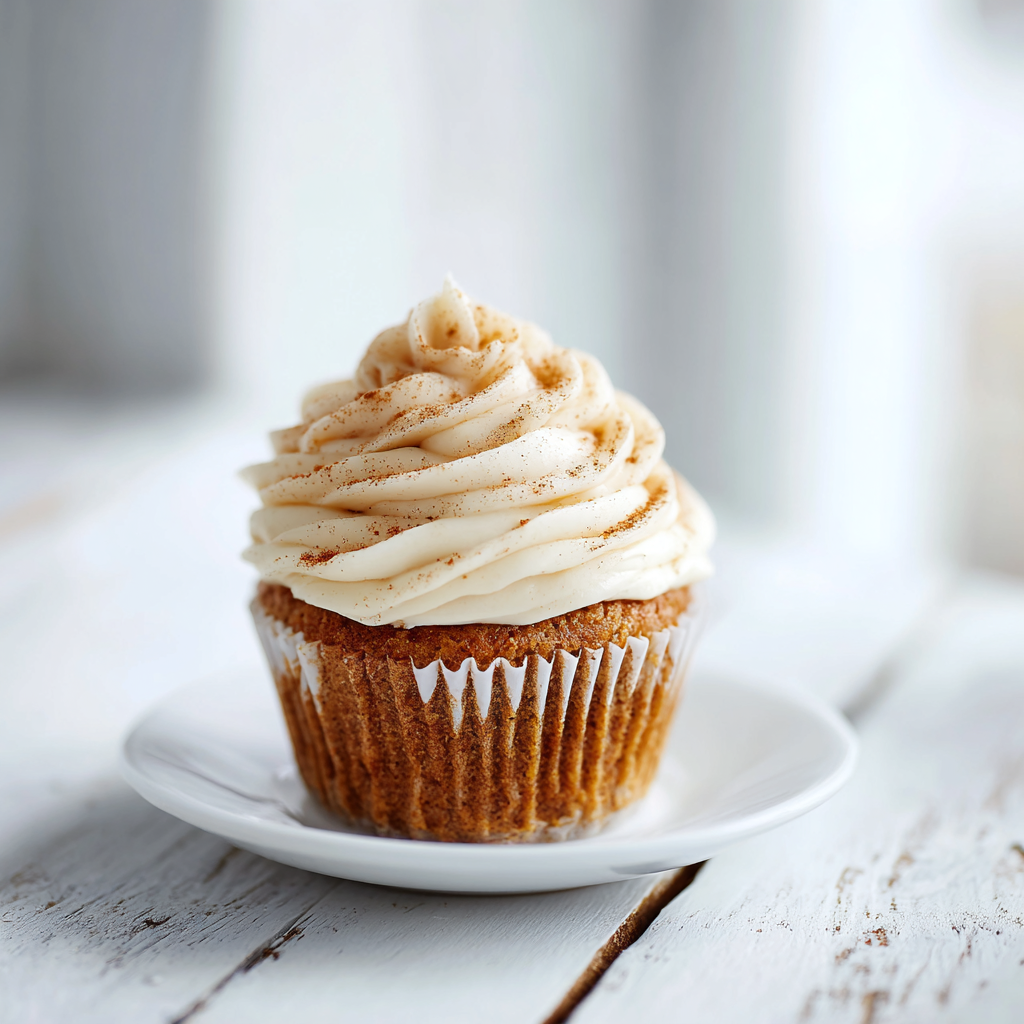
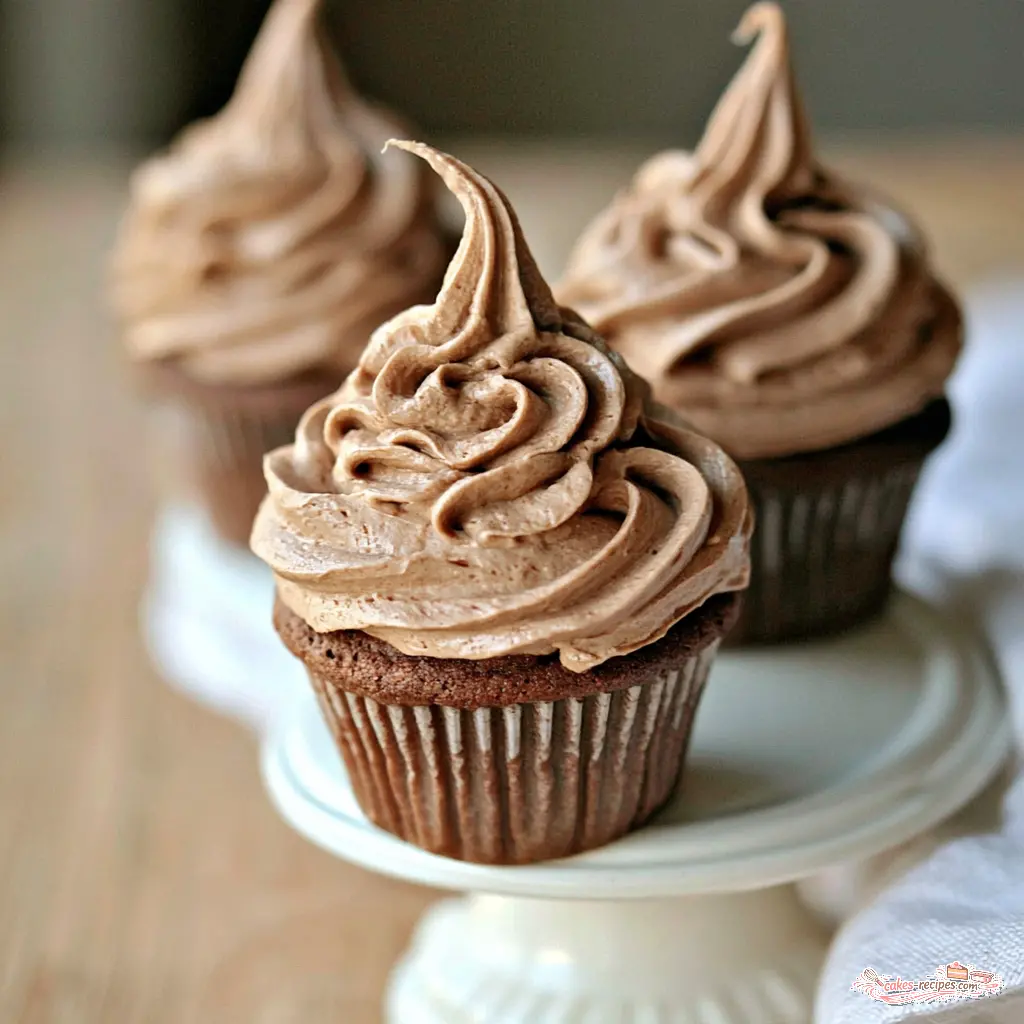
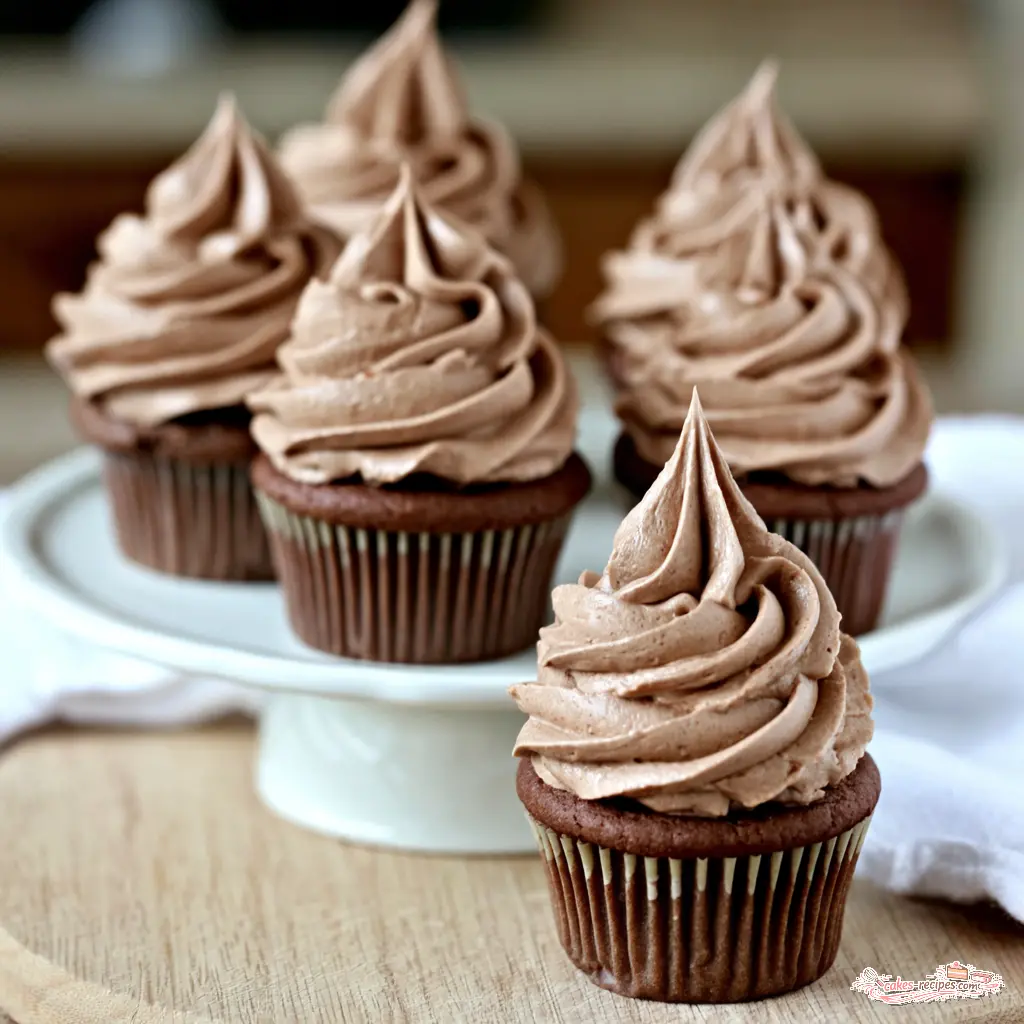
This Nutella buttercream passes that rule without breaking a sweat. It pipes into tall swirls, holds its shape at room temperature, and actually tastes like chocolate hazelnut instead of sweet butter.
Fall is peak frosting season around here. Halloween cupcakes are already on my calendar, and the cool weather means nothing is melting on the counter while I work. It’s a good setup.
Here’s what you’re getting:
- Real Nutella flavor. The chocolate hazelnut taste stays front and center, not buried under sugar.
- A pipeable, stable texture. Thick enough for rosettes, smooth enough for a clean cake finish.
- Six ingredients, about ten minutes. No cooking, no candy thermometer, no drama.
- Make-ahead friendly. Mix it days before the party and re-whip it when you’re ready.
Honestly? It’s the easiest way to make a box of chocolate cupcakes look like you tried. You didn’t. Nobody has to know.
Ingredients You’ll Need
Six things, and you probably have three of them already. The fourth is Nutella, which I’m guessing did not survive the week in your pantry.
Unsalted butter is the base. Powdered sugar builds the structure. Nutella brings the flavor. Vanilla extract rounds it out, half-and-half loosens everything into something silky, and a pinch of kosher salt keeps it from tasting flat.
Sensory cue to know you’re on track: once the sugar goes in, the butter lightens in color and the whole bowl smells like a chocolate hazelnut latte. That’s your green light.
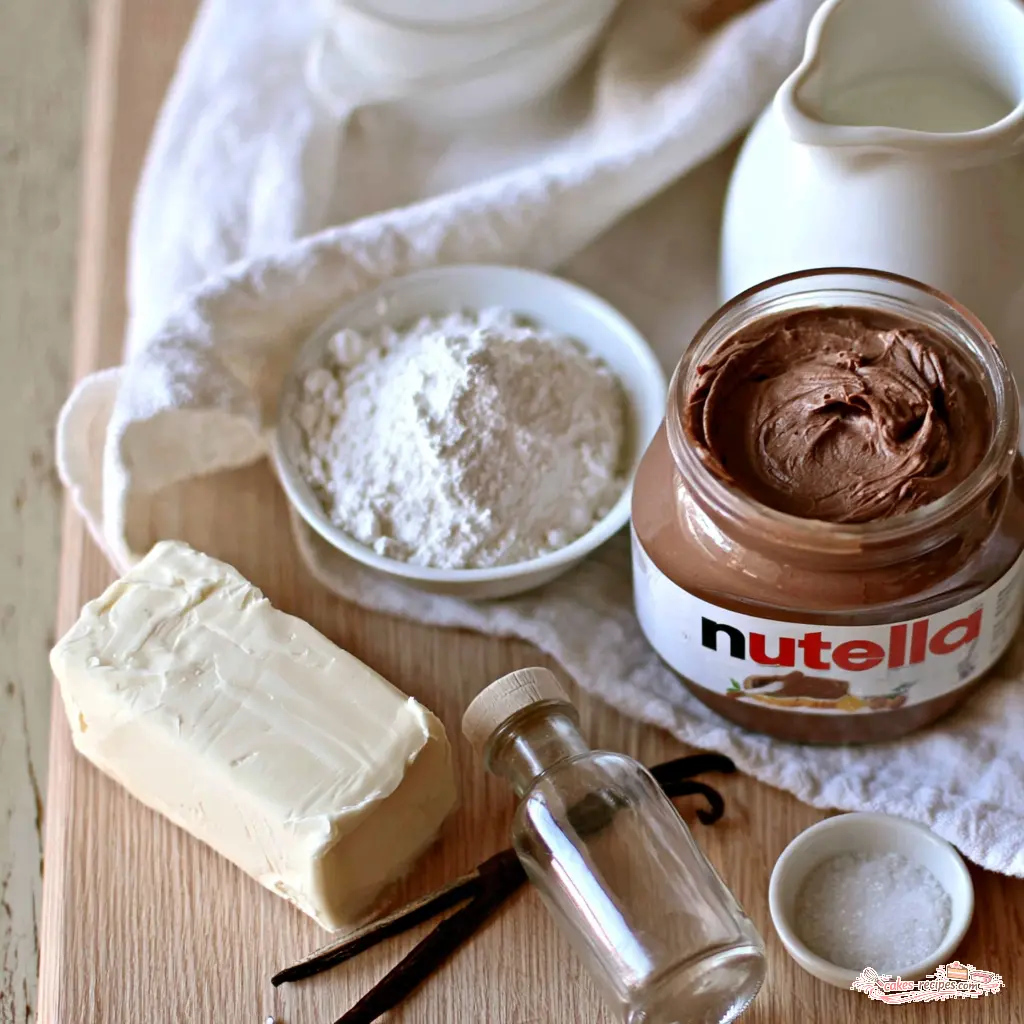
Ingredient Notes and Swaps
- Butter: Unsalted, and truly soft. If you can’t dent it with your finger, give it another 30 minutes on the counter. Don’t microwave it into a puddle.
- Powdered sugar: Also sold as confectioners’ sugar. Sift it if yours is lumpy, because lumpy sugar means lumpy frosting no matter how long you beat it.
- Nutella: Regular, straight from the jar. If it’s cold, stir it until it’s smooth and spreadable first.
- Half-and-half: This is what makes the frosting silky instead of heavy. Whole milk gives you a lighter texture, and heavy cream gives you a richer, fluffier one.
- Kosher salt: Don’t skip it. It doesn’t make the frosting salty. It makes the hazelnut taste louder.
Budget swaps: Store-brand chocolate hazelnut spread works fine here, and at the rate this disappears, that’s what I buy for big batches. Stock up on butter when it’s on sale and freeze the extra. Powdered sugar is one of the cheapest things in the baking aisle, so don’t overthink that one.
Allergy note: Nutella contains hazelnuts and milk, so this frosting isn’t safe for nut or dairy allergies. There are nut-free options in the FAQ below.
How to Make Nutella Buttercream
The whole thing happens in one bowl with no cooking involved. What matters is the order and the mixer speed. Get those two right and this Nutella buttercream recipe is basically foolproof.
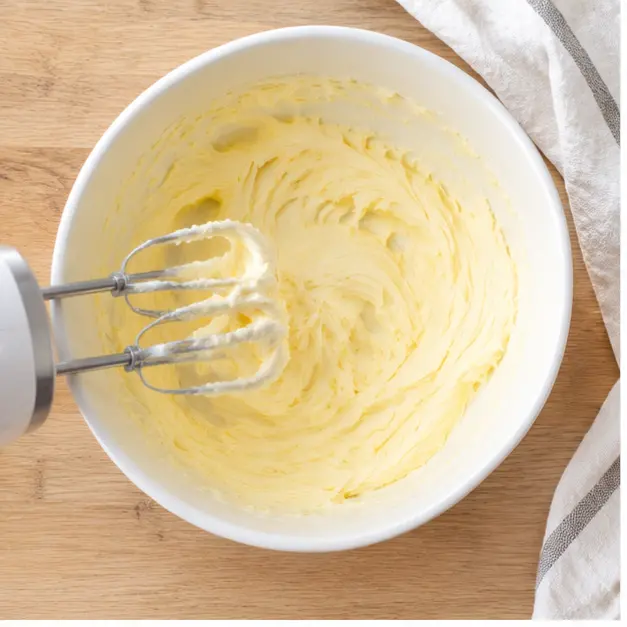
Stage 1: Get the butter truly smooth. Beat the softened butter on its own for a full minute before anything else touches it. You’re looking for a pale, glossy, almost fluffy base with no cold lumps hiding at the bottom of the bowl. Any firm butter left at this point will show up later as lumps you can’t beat out.
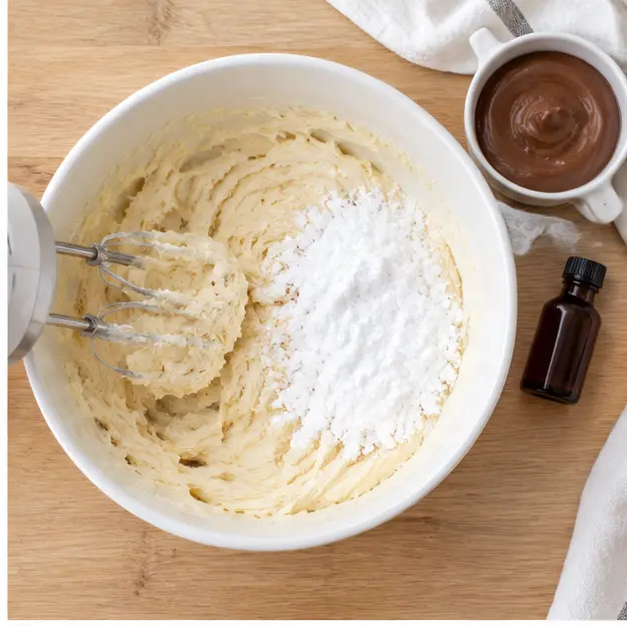
Stage 2: Add the sugar and Nutella in alternating batches. Add the powdered sugar about a half cup at a time, and after each addition, mix in a tablespoon of Nutella, then the vanilla. That back-and-forth is the trick. Most people dump everything in at once and end up with something thin or gritty. Start the mixer on low, too. Powdered sugar on high speed becomes a kitchen-wide dust cloud.
Stage 3: Loosen it and whip it. Once everything is incorporated, beat on high for about 20 seconds. Watch the texture change. It gets lighter and glossier, and it’ll hold a soft peak. Then pour in the half-and-half one tablespoon at a time until the frosting is thick enough to hold its shape. Add the pinch of salt and whip on high for 20 more seconds.
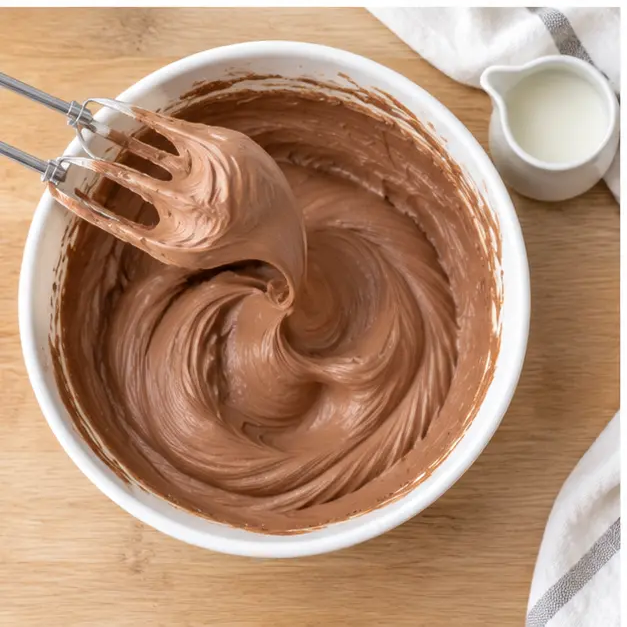
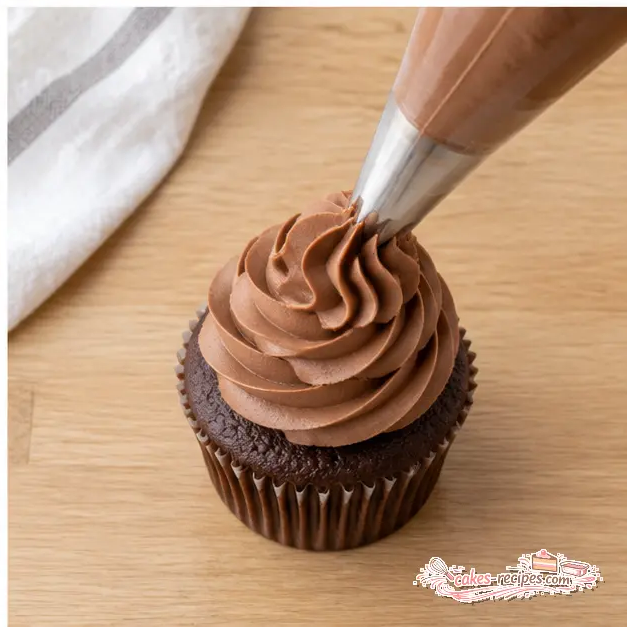
Stage 4: Use it or chill it. It’s ready immediately, which is the best part of this whole recipe. Spread it with an offset spatula for a smooth cake finish, or load it into a piping bag with a star tip for swirls. Working ahead instead? Cover and refrigerate, then let it soften at room temperature and beat on low until it’s smooth again.
Tips for Success
These are the small things that separate a frosting people tolerate from one they ask about at the party. Nutella buttercream consistency lives and dies by these details.
- Room temperature butter is non-negotiable. Cold butter can’t absorb powdered sugar, so you get a curdled, grainy mess instead of a fluffy one.
- Use unsalted butter. Salted butter plus added salt is how frosting starts tasting like a pretzel.
- Why butter temperature matters, in plain terms: soft butter traps air when you beat it. Trapped air is what makes frosting fluffy. Cold butter just smears around the bowl.
- Start low, finish high. Low speed until the sugar is mixed in, then a final 20 seconds on high.
- Stop beating once the sugar is in. Overbeating past that point breaks the emulsion and gives you a greasy texture.
- Chill time isn’t punishment. If it looks soft or slightly curdled midway, 10 minutes in the fridge plus a quick whip fixes most of it.
Troubleshooting Texture Issues
Here’s the note I wish someone had handed me years ago. Runny Nutella buttercream is not a lost cause, and neither is any other texture problem. Nothing here requires starting over.
- ❌ Too runny to pipe → ✅ Add powdered sugar a few tablespoons at a time, or chill 15 to 20 minutes and re-whip. That’s how to thicken Nutella frosting fast.
- ❌ Too stiff or crumbly → ✅ Add half-and-half one teaspoon at a time. A teaspoon goes a lot further than you’d think.
- ❌ Looks curdled or separated → ✅ That’s a temperature problem, not a flavor problem. Set the bowl somewhere warm for 10 minutes and beat again.
- ❌ Greasy or slick → ✅ You overbeat it after the sugar went in. Chill 15 minutes, then re-whip on low for just a few seconds.
- ❌ Tastes like plain butter → ✅ Add another tablespoon of Nutella and a pinch more salt. Taste again. Repeat if needed.
Nutella Buttercream Variations
The base is basically a 3 ingredient Nutella frosting (butter, sugar, Nutella) plus the extras that make it taste balanced. From there, it’s yours to play with.
- Deeper chocolate: Beat in 1 to 2 tablespoons of cocoa powder for a darker chocolate hazelnut frosting.
- Lighter texture: Use whole milk instead of half-and-half.
- Richer and fluffier: Swap in heavy cream.
- 2 ingredient version: Nutella and softened butter alone will frost a cake. It’s soft, less sweet, and it slouches at warm room temperature. Fine for spreading, not great for piping.
- Small batch: Halve everything for a single 8-inch round or six cupcakes.
One warning about shortcuts. Nutella buttercream without powdered sugar never gets truly stable. Sugar isn’t just sweetener here, it’s structure. Skip it and you end up with something closer to a spread than a frosting. The best Nutella buttercream still needs it.
What to Frost with Nutella Buttercream
One batch makes about 2 cups, which covers 12 to 16 cupcakes or one 9-inch layer cake. If you’re piping tall swirls and piling them high, plan on the lower end of that cupcake count.
- Chocolate cupcakes with a star tip swirl and absolutely nothing else on top. It doesn’t need help.
- Vanilla cupcakes for a chocolate hazelnut contrast.
- Banana cupcakes or banana cake, which is the pairing I make most once the weather turns.
- A 9-inch layer cake headed for a Thanksgiving table.
- Halloween cupcakes, swirled high for a classroom party.
- Cookies, brownies, or graham crackers if you want to use up the last half cup.
Feeding a crowd? Double the batch and keep it covered at room temperature while you frost in stages. It holds fine for a couple of hours, which is exactly why I reach for buttercream over whipped cream every single time.
Storage Tips
Store this Nutella buttercream in an airtight container in the refrigerator for up to 3 days. Before using it, let it sit at room temperature for about 30 minutes and beat it on low until it’s smooth.
Don’t frost with it cold. Cold frosting tears cake and skips across the surface instead of spreading where you want it.
Make-Ahead and Freezing
This is where a good homemade Nutella buttercream earns its spot in my party rotation.
- Make ahead: Up to 3 days in the fridge, covered tight.
- Freeze: Up to 2 months in a freezer-safe container. Press plastic wrap against the surface first.
- Thaw: Overnight in the refrigerator, then 30 minutes at room temperature.
- Revive: Beat on low, adding a teaspoon of half-and-half if it looks stiff.
I usually make a double batch on a Thursday, freeze half, and frost on Saturday morning. No stress, no frantic mixing while guests are ringing the doorbell.
Nutella Buttercream FAQ
Let’s Get Frosting
When you pipe this Nutella buttercream onto a cupcake, you’ll know within seconds whether it’s right. It should hold the swirl, look glossy, and smell like the jar. If it slouches, chill it for ten minutes and try again. That’s the whole learning curve.
Make a batch for Halloween. Make another for Thanksgiving. Then tell me how it went, because I genuinely want to know which dessert you put it on first.
Want more crowd-friendly party desserts and photos of what I’m testing next? Come find me on my Pinterest boards, where I save cakes, cupcakes, and frostings all season long.
Source: Learn More About This Dish
What common buttercream mistakes should I avoid?
Cold butter, salted butter, and high mixer speed too soon. Cold butter won’t absorb powdered sugar, salted butter wrecks your salt control, and high speed right away throws sugar everywhere. Also stop beating once the sugar is in, or the frosting turns greasy.
Can you add Nutella to buttercream frosting?
Yes, and it stirs right in. This Nutella buttercream uses a half cup of Nutella to one cup of butter, which keeps the flavor bold without making it too soft to pipe. Go much heavier than that and you’ll need extra powdered sugar for stability.
Do hazelnut and chocolate go together?
Really well. Hazelnut is nutty and lightly sweet, chocolate is rich and a little bitter, and together they taste like a truffle. That’s the entire reason chocolate hazelnut buttercream works on everything from banana cake to plain vanilla cupcakes.
Can I make a 3 ingredient Nutella frosting?
Sort of, yes. Butter, powdered sugar, and Nutella will give you a usable frosting. It just won’t be balanced. The vanilla adds warmth, the half-and-half makes it silky, and the salt keeps it from tasting flat. Those three extras are worth it.
Can I use another nut spread?
Any chocolate hazelnut spread behaves the same way, so store brands are totally fine. For a nut-free version, use a sunflower or oat-based chocolate spread, but add less liquid, since those tend to be softer out of the jar.
How much frosting does this make?
About 2 cups, enough for 12 to 16 cupcakes or one 9-inch layer cake. Tall piping uses more, so plan closer to 12 cupcakes if you’re going big with the swirls. Double the batch for a two-layer cake.
How do I thicken runny Nutella buttercream?
Two ways. Add powdered sugar a few tablespoons at a time and beat on low, or chill the bowl for 15 to 20 minutes and re-whip. Warm kitchens and warm Nutella are the usual culprits, so a short chill solves it more often than more sugar does.