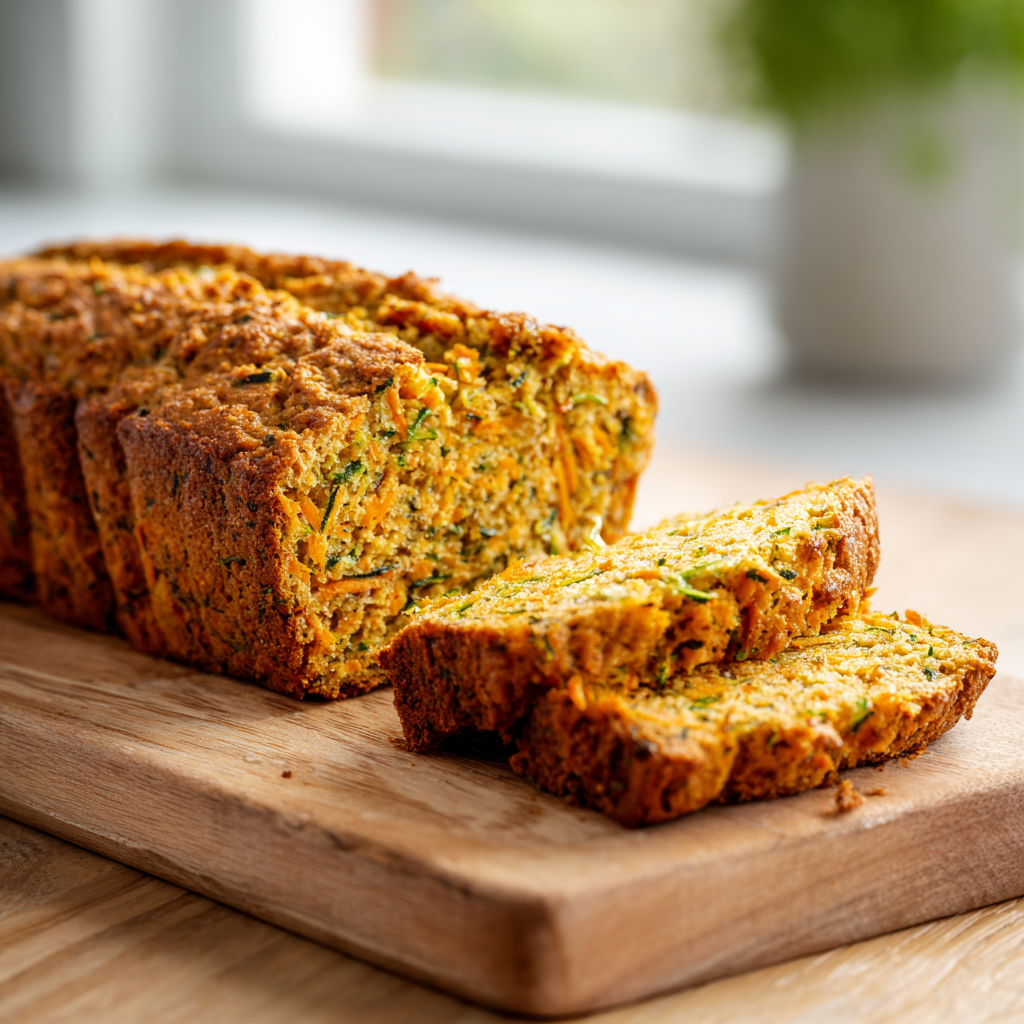
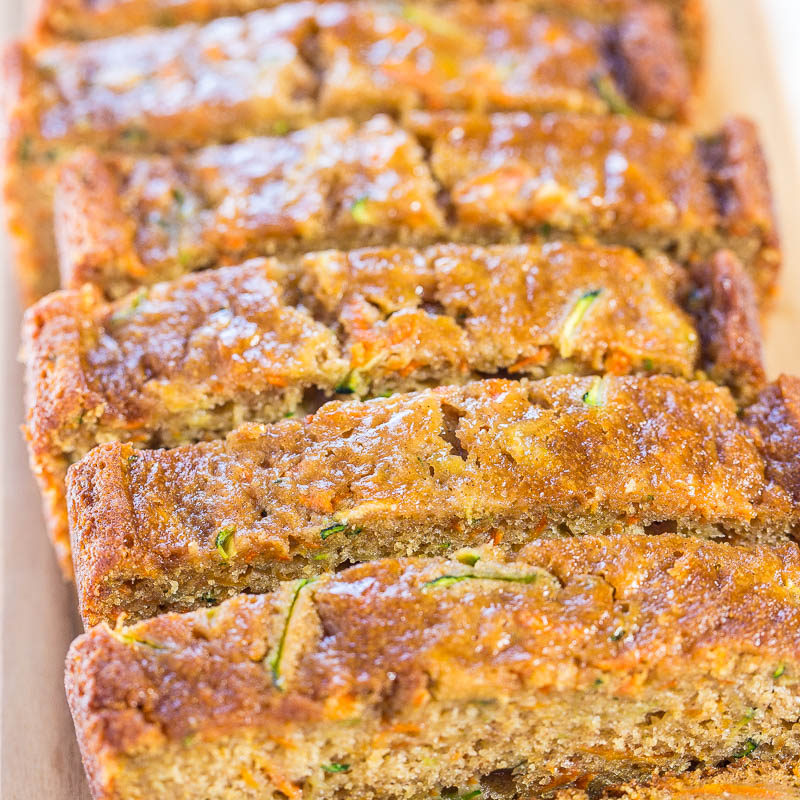
Best Carrot Zucchini Bread Recipe
Ingredients
Method
- Preheat your oven to 350°F. Spray a 9x5-inch loaf pan with floured baking spray, or grease and flour it thoroughly; set aside.
- In a large bowl, combine the egg, brown sugar, melted coconut oil, granulated sugar, sour cream, and vanilla extract. Whisk until smooth and well blended.
- Add the cinnamon, flour, baking powder, baking soda, and salt (if using). Fold gently with a rubber spatula or stir slowly with a spoon just until the flour disappears—do not overmix.
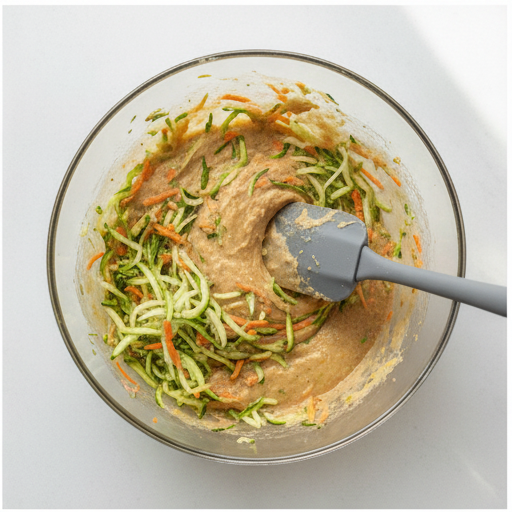
- Add the grated carrots, grated zucchini, and walnuts (if using). Fold gently until evenly distributed. The batter will be thick, which is exactly what you want.
- Transfer the batter to the prepared loaf pan, spreading it evenly and smoothing the top lightly with the spatula.
- Bake for 52 to 58 minutes, or until the top is golden brown, the center feels set, and a toothpick inserted in the middle comes out clean or with a few moist crumbs (no raw batter). Start checking around 50 minutes. If the top is browning too quickly, tent the pan loosely with aluminum foil after about 35 minutes.
- Let the bread cool in the pan for 15 minutes, then carefully turn it out onto a wire rack to cool completely before slicing and serving.
Nutrition
Notes
Tried this recipe?
Let us know how it was!Why This Carrot Zucchini Bread Works
Ever stare at a pile of zucchini and carrots from the farmers market and think, there has to be a better fate than yet another sad salad? I’ve been there. Last July I came home from the Santa Monica Farmers Market with a bag of zucchini so big it barely fit in my fridge. My first attempt at using them up? A dry, dense loaf that tasted more like cardboard than comfort. Honestly, it was a disaster.
But here’s the thing. I kept tweaking. And what I landed on is this carrot zucchini bread. It’s the kind of loaf that makes you forget you’re eating vegetables. Think banana bread but with a little more structure, a bit of spice, and that perfect tender crumb that stays moist for days. Real talk, my neighbor who swears she hates zucchini ate half a loaf before I could say anything.
This recipe is forgiving. It’s one bowl, no mixer required. You’re going to love how simple it is. And the best part? It uses up exactly that surplus of summer squash and carrots sitting in your crisper drawer right now.
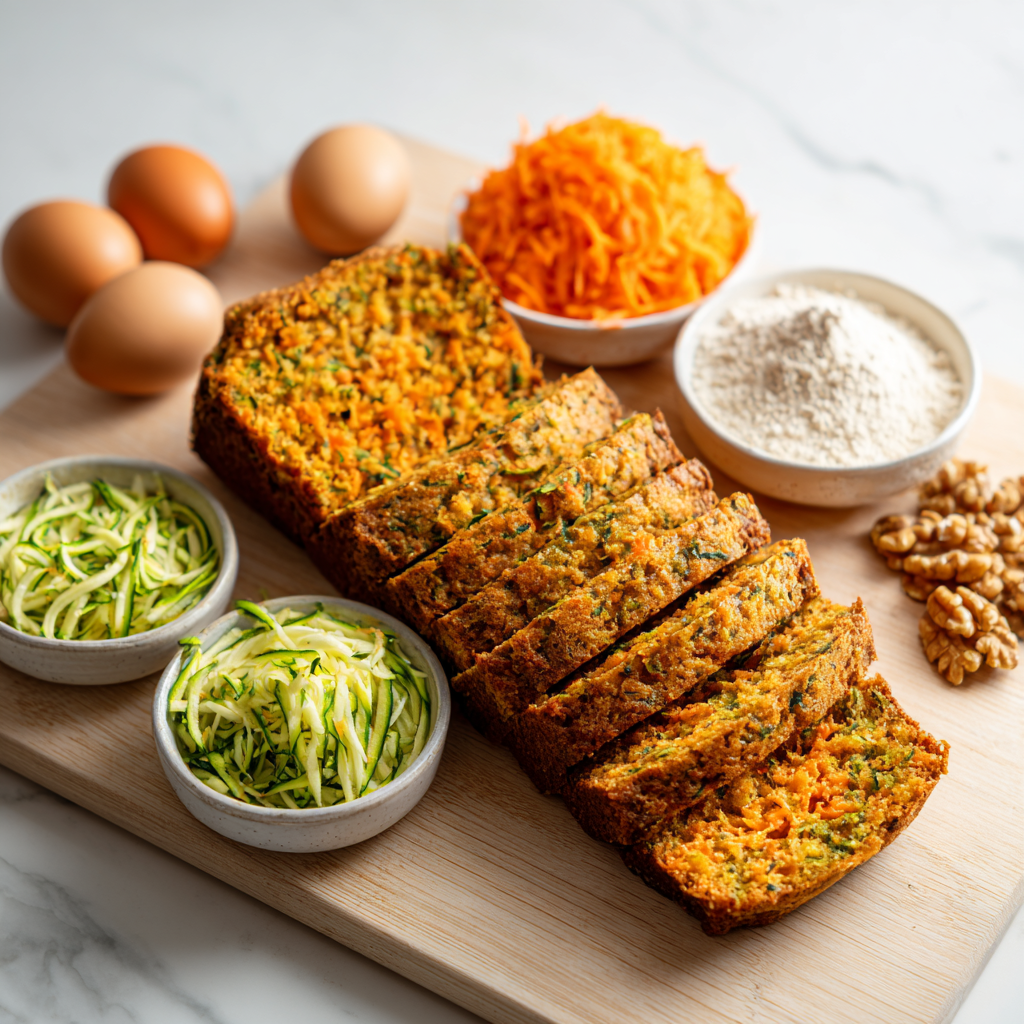
Carrot Zucchini Bread Ingredients
Let’s talk about what goes into this loaf. The ingredient list is short, and everything has a job. Here’s the breakdown:
- Egg: Just one large egg gives structure. It binds everything without making the bread heavy.
- Brown sugar + granulated sugar: The brown sugar brings moisture and that deep caramel note. The white sugar keeps things light. Trust the process on using both.
- Coconut oil: Melted and cooled, this is what makes the crumb so tender. It’s a solid fat at room temperature, which means the bread stays soft without being greasy.
- Sour cream: This is my secret weapon. A quarter cup adds richness and keeps the loaf from drying out. Full-fat is best, but Greek yogurt works too.
- Vanilla extract: Two teaspoons might seem like a lot, but vanilla rounds out the spices beautifully.
- Cinnamon: This isn’t a shy amount. Two teaspoons gives the bread that warm, spiced flavor we all crave.
- Flour, baking powder, baking soda, salt: The usual suspects. Spoon and level your flour, please. It makes a difference.
- Grated carrots + zucchini: One cup each. The carrots add sweetness and color. The zucchini adds moisture without flavor. They’re a perfect pair.
- Walnuts: Totally optional, but I love the crunch. They break up the soft crumb nicely.
In my experience, the quality of your vegetables matters. Fresh, firm zucchini and carrots that still have their tops on will give you the best results. No shortcuts here.
How to Make Carrot Zucchini Bread
Making this bread is almost too easy. I’ll walk you through the major stages. The full details are in the recipe card above, but here’s the why behind each step.
Stage 1: Prep your vegetables. Grate your zucchini and carrots using the coarse side of a box grater. For the zucchini, here’s the big question everyone asks: do you squeeze out the moisture? In this recipe, I gently squeeze it in a clean kitchen towel. Not bone dry, just enough so it’s not dripping. This prevents a gummy texture. The carrots don’t need squeezing at all.
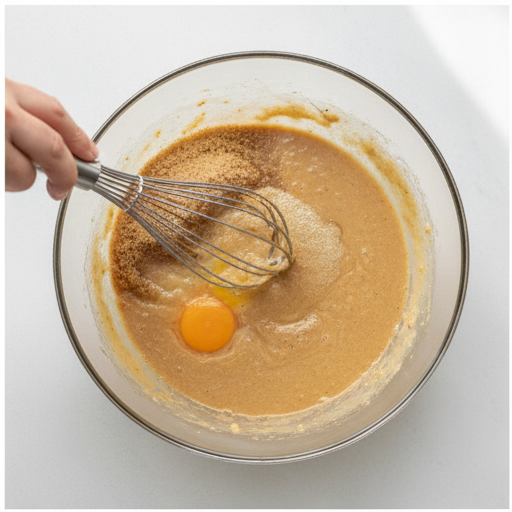
Stage 2: Mix the wet ingredients. In a large bowl, whisk together the egg, both sugars, melted coconut oil, sour cream, and vanilla. Whisk until it’s smooth and glossy. The coconut oil should be liquid but not hot, otherwise it’ll cook the egg. I usually melt it in the microwave and let it sit for a minute.
Stage 3: Add the dry ingredients. Sprinkle the cinnamon, flour, baking powder, baking soda, and salt right over the wet mixture. Fold gently with a rubber spatula. And I mean gently. Overmixing develops gluten, which makes quick breads tough. Just fold until the flour disappears. A few streaks are fine.
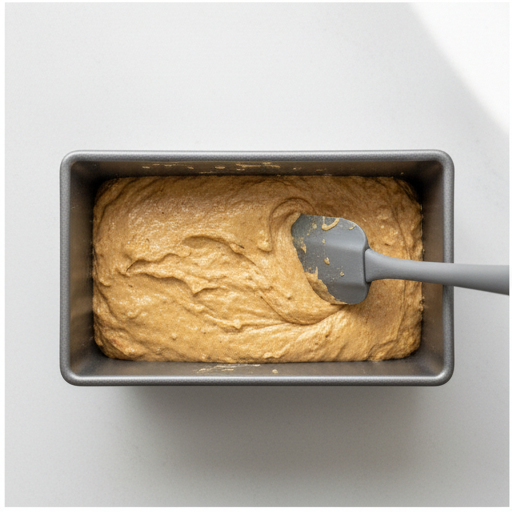
Stage 4: Add the vegetables and bake. Fold in the grated carrots, zucchini, and walnuts. The batter will be thick. That’s exactly what you want. Pour it into your prepared pan and spread it even. Bake at 350°F for 52 to 58 minutes. Start checking at 50 minutes. If the top browns too fast, tent it loosely with foil after 35 minutes.
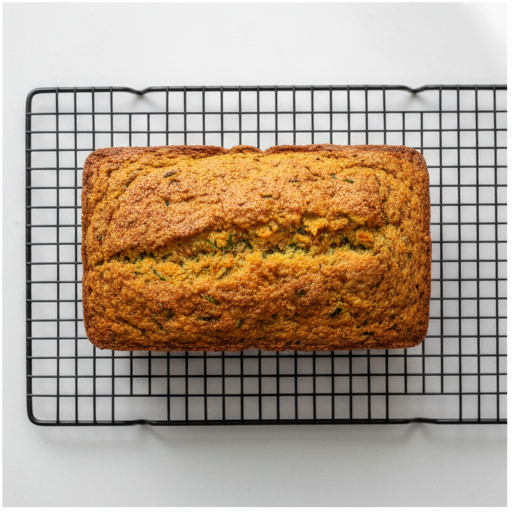
Baking Tips for Moist Bread
Getting that perfect moist crumb isn’t luck. Here’s what I’ve learned from making this loaf more times than I can count:
- Don’t skip the sour cream. It’s the moisture insurance. Without it, the bread leans dry.
- Use the toothpick test. Stick a toothpick into the center. If it comes out clean or with a few moist crumbs, you’re golden. If it’s wet batter, keep baking.
- If you take the bread out too early, you can’t put it back. I’ve tried. It doesn’t work and it’s not safe. Better to check a few minutes early than late.
- Let it cool in the pan for 15 minutes. This lets the structure set. If you try to slice it hot, it’ll fall apart.
- If your loaf sinks in the middle, it’s still delicious. That’s a baker’s badge of honor. Usually means it was slightly underbaked or the oven temp was off. Still tastes great.
One more thing. The batter should be thickish, not runny. If it looks too thin, your zucchini might have been too wet. Next time, squeeze a bit more. No worries though, it’ll still bake up fine.
Variations and Add-Ins
This carrot zucchini bread is a great base for experimenting. Here are some ideas that work well:
- Swap the nuts: Use pecans instead of walnuts. Or leave them out entirely for a nut-free version.
- Add dried fruit: A half cup of raisins or dried cranberries adds sweetness and chew.
- Brighten it up: A teaspoon of orange zest in the batter is lovely. It pairs beautifully with the cinnamon.
- Make it dairy-free: Swap the sour cream for plain Greek yogurt or a vegan alternative. Works great.
- Change the oil: Canola or vegetable oil can replace the coconut oil. The texture will be slightly different, but still good.
- Make muffins: Divide the batter into a greased muffin tin and bake at 350°F for 18 to 22 minutes. Perfect for grab-and-go breakfasts.
Honestly, you can play around with the vegetable ratio too. Use two cups of zucchini and skip the carrots, or vice versa. The total should be about three cups of grated vegetables. It’s forgiving.
Storage Instructions
This bread keeps beautifully, which is one of my favorite things about it. Here’s how to store it:
At room temperature: Wrap the loaf tightly in plastic wrap or store it in an airtight container. It stays fresh for up to 5 days. I usually keep it on the counter, not the fridge, because the fridge can dry it out.
In the freezer: This carrot zucchini bread freezes like a dream. Wrap the whole loaf in plastic wrap, then foil, and freeze for up to 4 months. You can also slice it first and wrap individual slices. That way you can pull out one slice at a time.
To reheat: Microwave a frozen slice at 50% power for about 45 seconds. Or let it thaw at room temperature. A quick toast in the oven brings back that fresh-baked warmth.
Bag it up, take it to a picnic, and watch it disappear. That’s the real test, right?
Frequently Asked Questions
More Easy Zucchini Bread Recipes
If you love this carrot zucchini bread, you might want to check out some other ways to use up your summer garden haul. I’ve got a classic zucchini bread that’s pure comfort, and a chocolate zucchini loaf that feels like dessert. Both are just as forgiving and delicious.
For more inspiration, I’m always sharing new recipes and ideas over on my Pinterest board. Come say hi and pin this carrot zucchini bread for later. You’re going to want it on hand when those zucchini start piling up.
Source: Nutritional Information
How do you make carrot zucchini bread moist and tender?
The sour cream is key. It adds fat and moisture without making the bread heavy. Also, don’t overmix the batter and gently squeeze the zucchini to remove excess water. That combination gives you a tender, moist crumb every time.
Can you freeze carrot zucchini bread for later?
Absolutely. Wrap the cooled loaf tightly in plastic wrap, then a layer of foil. Freeze for up to 4 months. For single servings, slice the bread first, wrap each slice, and freeze. Thaw at room temperature or microwave at 50% power for 45 seconds.
What can I substitute for walnuts in this zucchini carrot bread?
Pecans are a great swap. Or skip the nuts entirely for a nut-free loaf. If you want a different texture, try adding a half cup of raisins or dried cranberries. The bread works well with or without add-ins.
How long does carrot zucchini bread stay fresh?
Stored tightly wrapped at room temperature, it stays fresh for up to 5 days. Keep it on the counter, not the fridge. The fridge tends to dry out quick breads. If it’s still around after that, slice and freeze the rest.
Is it necessary to squeeze out the zucchini for this carrot zucchini bread?
I recommend it. Gently squeeze the grated zucchini in a clean kitchen towel to remove some liquid. Not bone dry, just so it’s not dripping. This prevents a gummy, dense texture. The carrots don’t need squeezing at all.
What kind of coconut oil should I use?
Use regular, unrefined or refined coconut oil. Melt it and let it cool slightly before mixing. If you don’t have coconut oil, you can substitute canola or vegetable oil. The texture will be a bit different, but it works.