Sourdough Flour Tortillas
Ingredients
Method
- In a large bowl, whisk together the sourdough discard, olive oil, and water until smooth. Add the flour and salt, then mix until a shaggy dough forms. Knead by hand or with a dough hook for about 2 minutes until smooth.
- Perform one set of stretch and folds: gently pull one side of the dough up and fold it over the center. Rotate the bowl and repeat on all four sides.
- Cover the dough with a clean kitchen towel and let it rest for 30 minutes at room temperature.
- Divide the rested dough into 8 equal pieces. On a lightly floured surface, roll each piece into a thin round, about 6 inches in diameter. Stack them with parchment paper between layers to prevent sticking.
- Heat a cast iron skillet or nonstick pan over medium-low heat. Cook each tortilla for 3 to 4 minutes per side, until bubbles appear and the surface is lightly browned. Do not turn the heat up too high, or the tortillas will become crisp instead of soft.
- Serve warm, or let cool completely before storing. Keep in the fridge for up to a week, or freeze for up to 6 months.
Nutrition
Notes
Tried this recipe?
Let us know how it was!Why This Recipe Works
I’ve made dozens of tortillas that turned into hockey pucks before I cracked the code. Oh my goodness, the frustration was real. You know the feeling you spend time mixing, resting, rolling, only to end up with stiff discs that crack when you try to fold them. Not cute.
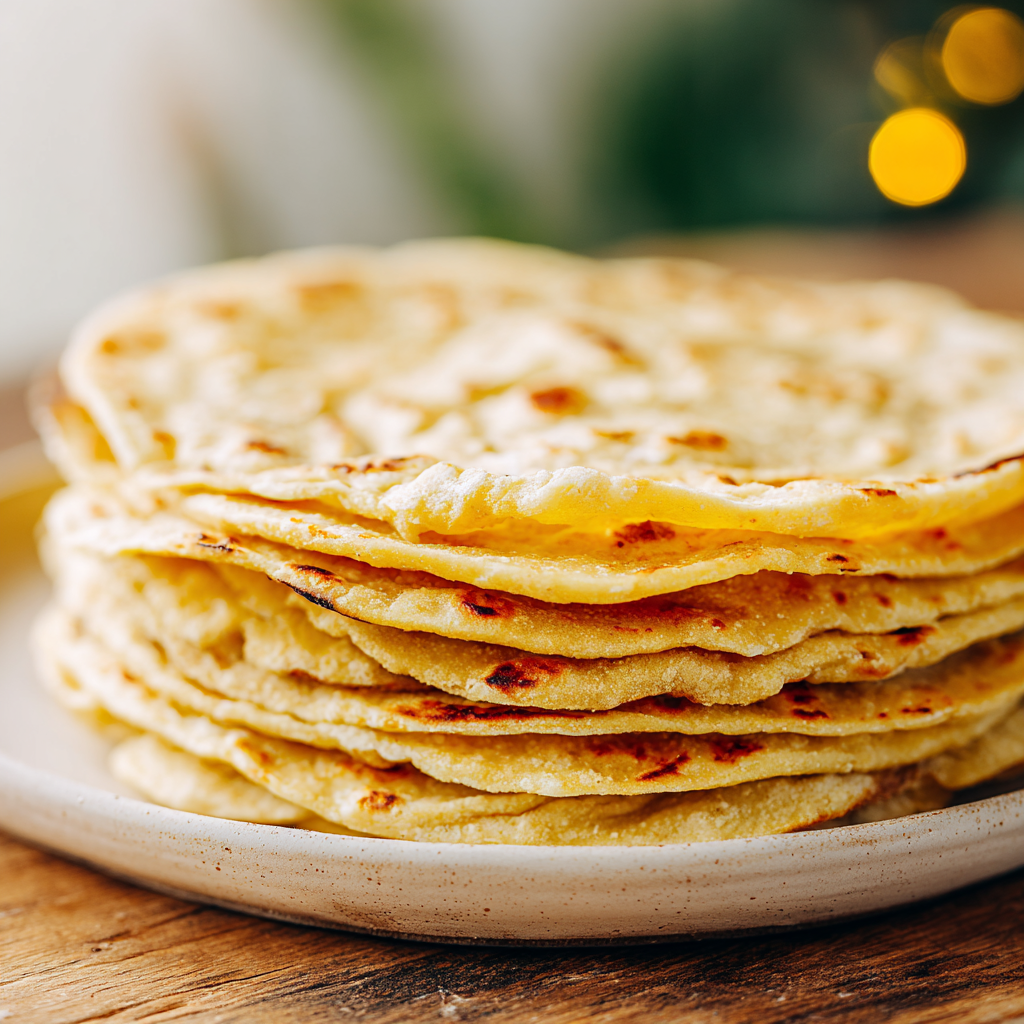
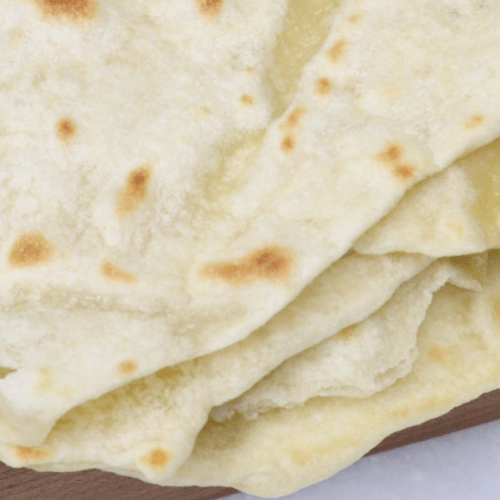
These sourdough flour tortillas are different. They’re soft, pliable, and have that subtle tangy flavor that makes everything taste better. The secret? It’s all about hydration and rest time. This recipe uses sourdough discard (or active starter) which adds both flavor and tenderness. Plus, the olive oil keeps them flexible even after they cool.
I’m obsessed with how these turn out. They puff up in the skillet with beautiful golden spots, and they stay soft for days. Totally doable for a weeknight taco situation or a weekend burrito feast.
Ingredients You’ll Need
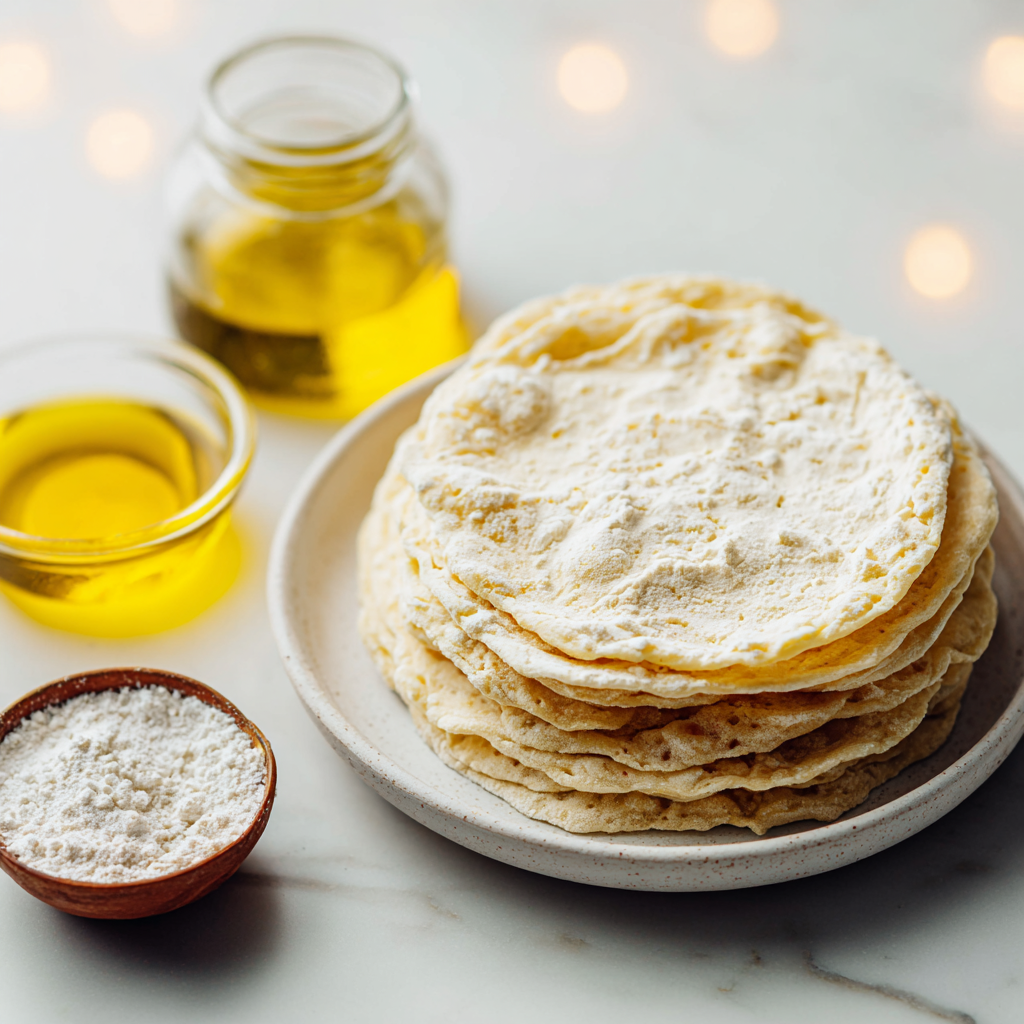
This recipe keeps things simple. You probably have most of these in your kitchen right now. Here’s what you need:
- Sourdough starter discard This is the star. Unfed discard works perfectly. Active starter works too, just adjust the water slightly if it’s very bubbly.
- Olive oil I prefer California olive oil for its fruity flavor. You can use avocado oil or melted butter if that’s what you have.
- Water Room temperature water helps the dough come together smoothly.
- All-purpose flour This is what gives you soft, tender tortillas. Bread flour works but makes them slightly chewier.
- Fine sea salt Just a half teaspoon enhances all the flavors.
That’s it. Five ingredients. No lard, no baking powder, no weird stuff. This works for me, but you can play with flours later if you want.
Step-by-Step Instructions
Let me walk you through the process. I’ll explain why each step matters so you don’t end up with those sad, crunchy tortillas.
Mixing the Dough
In a large bowl, whisk together the sourdough discard, olive oil, and water until it’s smooth. It should look like a thick, creamy liquid. Then add the flour and salt. Mix until a shaggy dough forms it’ll look messy and that’s totally fine. Knead it by hand for about 2 minutes until it’s smooth. You can use a dough hook if you prefer.
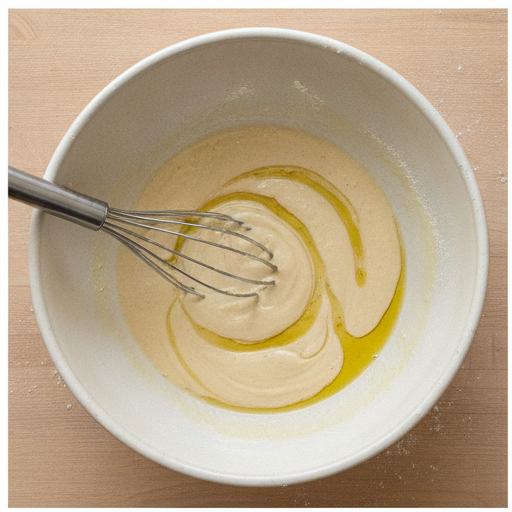
The dough should feel soft and slightly tacky, not sticky. If it’s too sticky, add a tablespoon more flour. Too dry? Add a teaspoon of water. Trust your hands here.
The Resting Game
This is where the magic happens. After kneading, do one set of stretch and folds gently pull one side up and fold it over the center, rotate the bowl, repeat on all four sides. Then cover the dough with a clean kitchen towel and let it rest for 30 minutes at room temperature.
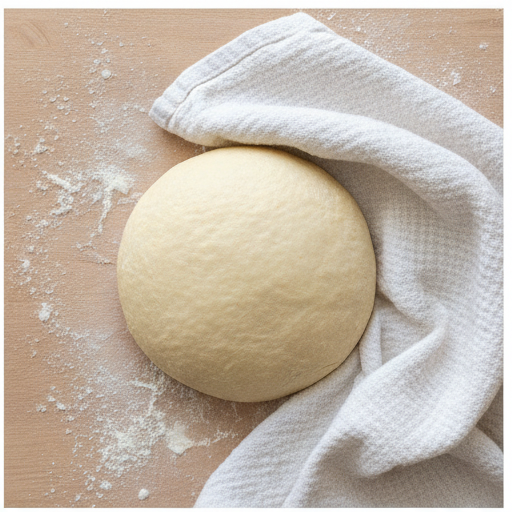
Why rest? It relaxes the gluten. That’s the real secret to easy rolling. Without this rest, the dough fights back and springs into a smaller shape. With it, the dough becomes cooperative and rolls out beautifully thin.
Rolling Them Out
Divide the rested dough into 8 equal pieces. On a lightly floured surface, roll each piece into a thin round, about 6 inches in diameter. Stack them with parchment paper between layers so they don’t stick together.
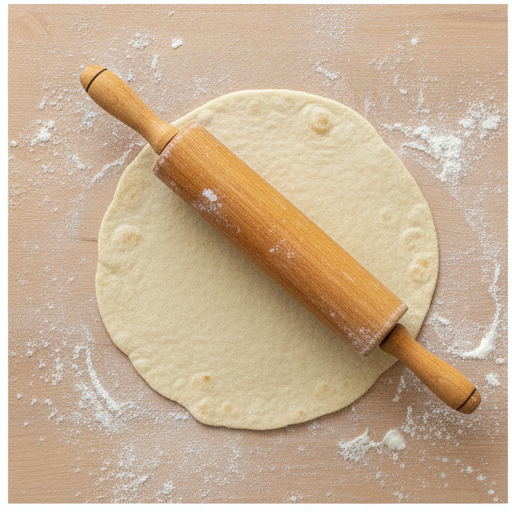
Roll as thin as you can without tearing. Think of a warm, slightly chewy blanket that’s what you’re going for. A tortilla press works too if you have one, but honestly, a rolling pin gives you more control.
Cooking to Perfection
Heat a cast iron skillet or nonstick pan over medium-low heat. Cook each tortilla for 3 to 4 minutes per side. You’ll see bubbles appear on the surface, and it should puff up in the middle. That puffing is a good sign it means the steam is creating pockets of air inside.
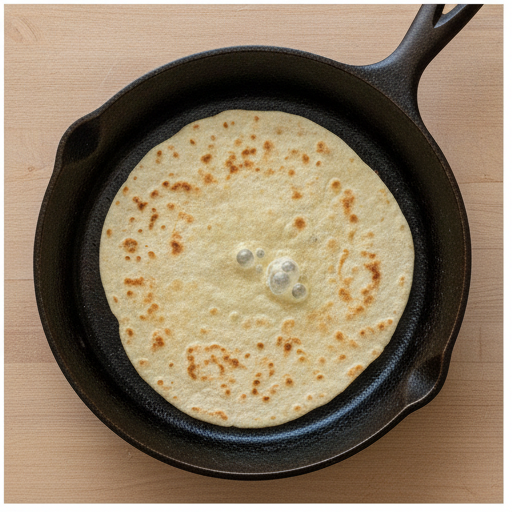
Don’t turn the heat up too high. I know it’s tempting, but high heat makes them crisp instead of soft. Medium-low gives you that beautiful golden color with a tender interior. The first tortilla might look pale that’s normal, the pan needs to come up to temperature.
Tips for Perfect Tortillas
Here are the things I wish someone had told me when I started making sourdough flour tortillas:
- Rest is non-negotiable. That 30-minute rest relaxes the gluten. Skip it and you’ll fight with the dough the whole time.
- Roll thin but not too thin. About 1/8 inch is ideal. Too thin and they become cracker-like. Too thick and they’re doughy in the middle.
- Watch the pan temperature. Medium-low heat is your friend. If the tortilla cooks in under 2 minutes per side, your pan is too hot.
- Stack them as they cook. Place cooked tortillas in a clean kitchen towel or between parchment paper. The steam keeps them soft.
- Use discard or active starter. Both work. If using active starter, reduce the water slightly since it’s more liquid.
Common Mistakes to Avoid
Let’s talk about what can go wrong. I’ve made every mistake in the book so you don’t have to.
❌ Mistake: Dough is too dry and cracks when rolling.
✅ Solution: Add water, one teaspoon at a time, until the dough feels soft and pliable. Also, make sure you rested it long enough.
❌ Mistake: Tortillas turn out crunchy and don’t puff.
✅ Solution: Your pan is too hot. Lower the heat to medium-low. Also check that you rolled them thin enough thick tortillas don’t puff well.
❌ Mistake: Tortillas tear when you try to fold them.
✅ Solution: They might be overcooked. Cook just until golden spots appear, not until they’re deeply browned. Also, let them steam in a towel after cooking.
❌ Mistake: Dough is too sticky to work with.
✅ Solution: Add a tablespoon more flour during mixing. But don’t add too much slightly tacky dough makes softer tortillas.
Storage & Reheating
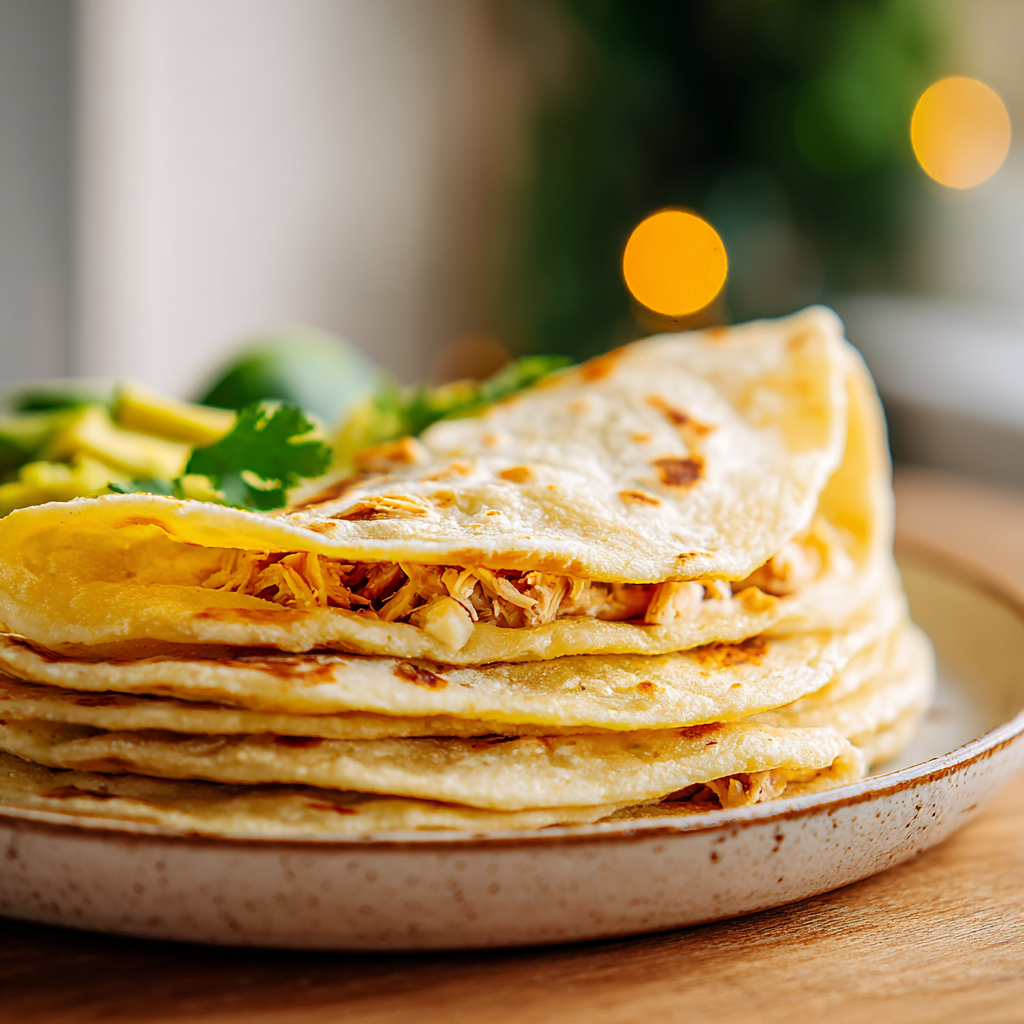
These sourdough flour tortillas store beautifully. Let them cool completely before storing. Keep them in an airtight bag or container at room temperature for up to 5 days. For longer storage, freeze them for up to 6 months.
To reheat, my favorite method is a dry skillet over medium heat for about 30 seconds per side. You can also wrap them in a damp paper towel and microwave for 30 seconds. The oven works too 350°F for about 5 minutes wrapped in foil.
Pro tip: Stack them with parchment paper between each tortilla before freezing. That way you can grab just one or two without thawing the whole batch.
Frequently Asked Questions
Now go make some tacos you’ve got tortillas. And honestly, there’s nothing quite like the feeling of pulling a warm, puffy tortilla off the skillet, knowing you made it from scratch. That tangy sourdough flavor, the soft foldable texture, the way it wraps around your fillings without cracking. That’s the good stuff.
Source: Health & Nutrition Research
Can I use a tortilla press with this dough?
Yes, absolutely. Make sure the dough has rested for at least 30 minutes. Press between two sheets of parchment paper to prevent sticking. A press gives you even thickness, which is great for consistent cooking.
How do I transfer thin tortillas to the skillet?
Gently peel the rolled tortilla off the surface using your fingertips. If it sticks, use a bench scraper. Slide it onto your palm and carefully lay it in the hot skillet. Don’t worry if it wrinkles slightly it’ll flatten as it cooks.
Why are my tortillas crunchy and not puffing?
This usually means your pan is too hot. Lower the heat to medium-low. Also check that you rolled them thin enough and rested the dough properly. The puffing comes from steam if the outside cooks too fast, steam can’t build up inside.
Can I use olive oil instead of butter?
This recipe actually calls for olive oil, not butter. Olive oil gives these tortillas a lovely fruity flavor and keeps them soft. You can substitute melted butter or avocado oil if you prefer, but olive oil works beautifully.
Can I use lard instead of butter?
This recipe doesn’t use lard or butter. It uses olive oil for a lighter, fruitier flavor. If you want to use a solid fat, melted butter or refined coconut oil would work as substitutes, but olive oil gives the best texture.
Why is the texture not right no bubbling, crunchy?
Several things could be off. First, check your pan temperature it should be medium-low. Second, make sure you rested the dough for at least 30 minutes. Third, roll them thin enough. And finally, don’t overcook them. Look for golden spots, not deep brown.
Is sourdough bread better for you?
Sourdough has some benefits over regular bread. The fermentation process breaks down phytic acid, which can make nutrients more available. It also has a lower glycemic index, meaning it doesn’t spike blood sugar as much. But it’s still bread enjoy it in moderation.
How do you heat up sourdough tortillas?
My favorite method is a dry skillet over medium heat for about 30 seconds per side. You can also microwave them wrapped in a damp paper towel for 30 seconds, or warm them in a 350°F oven wrapped in foil for 5 minutes.
Can you freeze sourdough tortillas?
Yes, these freeze beautifully. Stack them with parchment paper between each tortilla, then place in an airtight container or freezer bag. They’ll keep for up to 6 months. Thaw at room temperature or reheat directly from frozen in a skillet.
What can you use sourdough starter for?
So many things! Beyond these tortillas, you can make pancakes, waffles, crackers, pizza dough, cinnamon rolls, and banana bread. Sourdough discard adds tangy flavor and tenderness to almost any baked good. It’s a versatile kitchen staple.
What is the best flour for sourdough?
All-purpose flour is the most versatile and gives soft, tender results. Bread flour makes chewier tortillas and bread. Whole wheat adds nutty flavor but can make tortillas denser. For these tortillas, all-purpose is my go-to for the perfect texture.