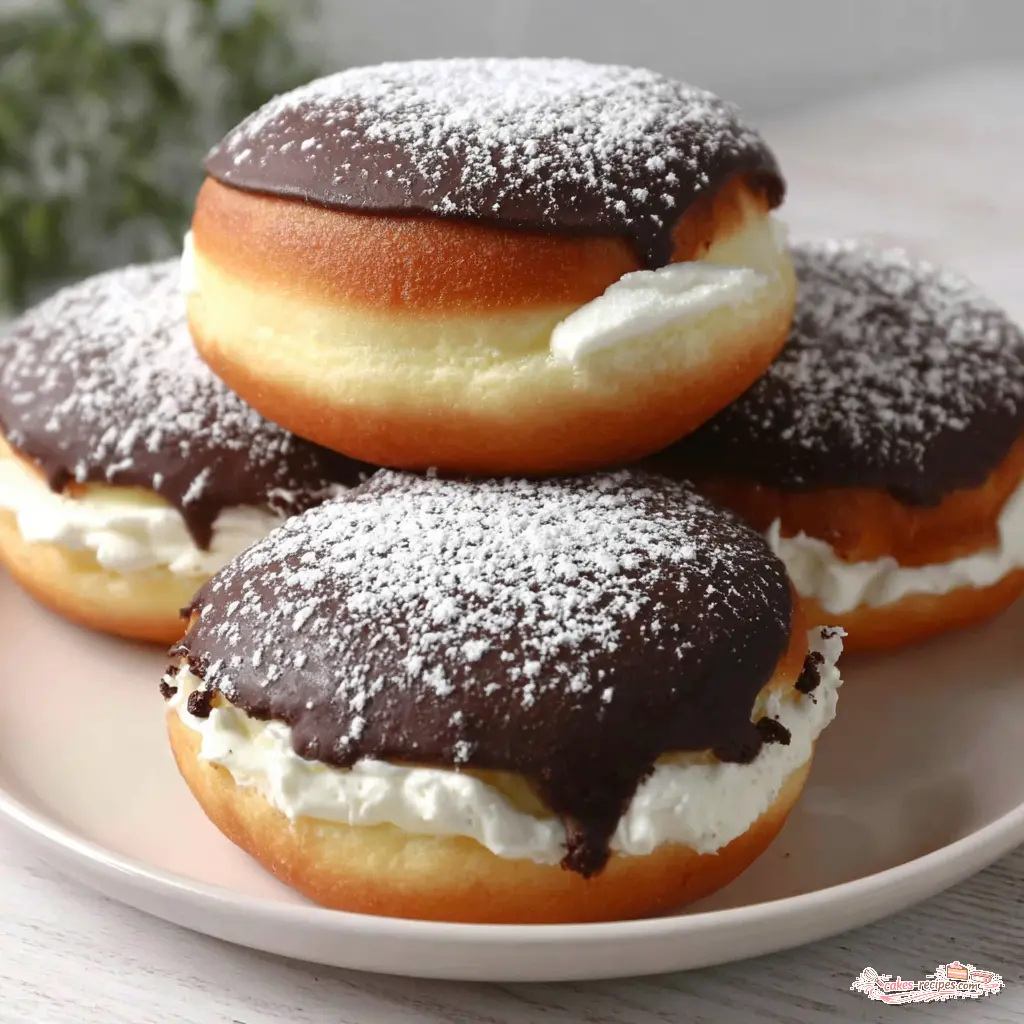
Why You’ll Love These Korean Milk Cream Donuts
You’ve tasted those fluffier-than-cloud Korean donuts at that little shop on 32nd street, right? The ones with the impossibly light, pillowy dough and that cold, rich cream filling that spills out with the first bite. I know the craving. I’ve stood in line for them more times than I care to admit.
But wouldn’t it be amazing to make them at home? I thought the same thing. And after a few test batches (some successful, some… less so), I can tell you this: it’s absolutely doable. These Korean milk cream donuts are not some complicated bakery secret. They’re simple, honest ingredients doing what they do best.
Let me walk you through this. We’ll make soft, fluffy donuts from scratch. We’ll whip up a simple milk cream filling that’s just sweet enough. And we’ll fry them to golden perfection. No special equipment. No hard-to-find ingredients. Just a little patience and a lot of delicious payoff.
When you pull these off, you’ll see why they’re worth the effort. That first bite – warm, creamy, comforting – it’s pure magic.
What Are Korean Milk Cream Donuts?
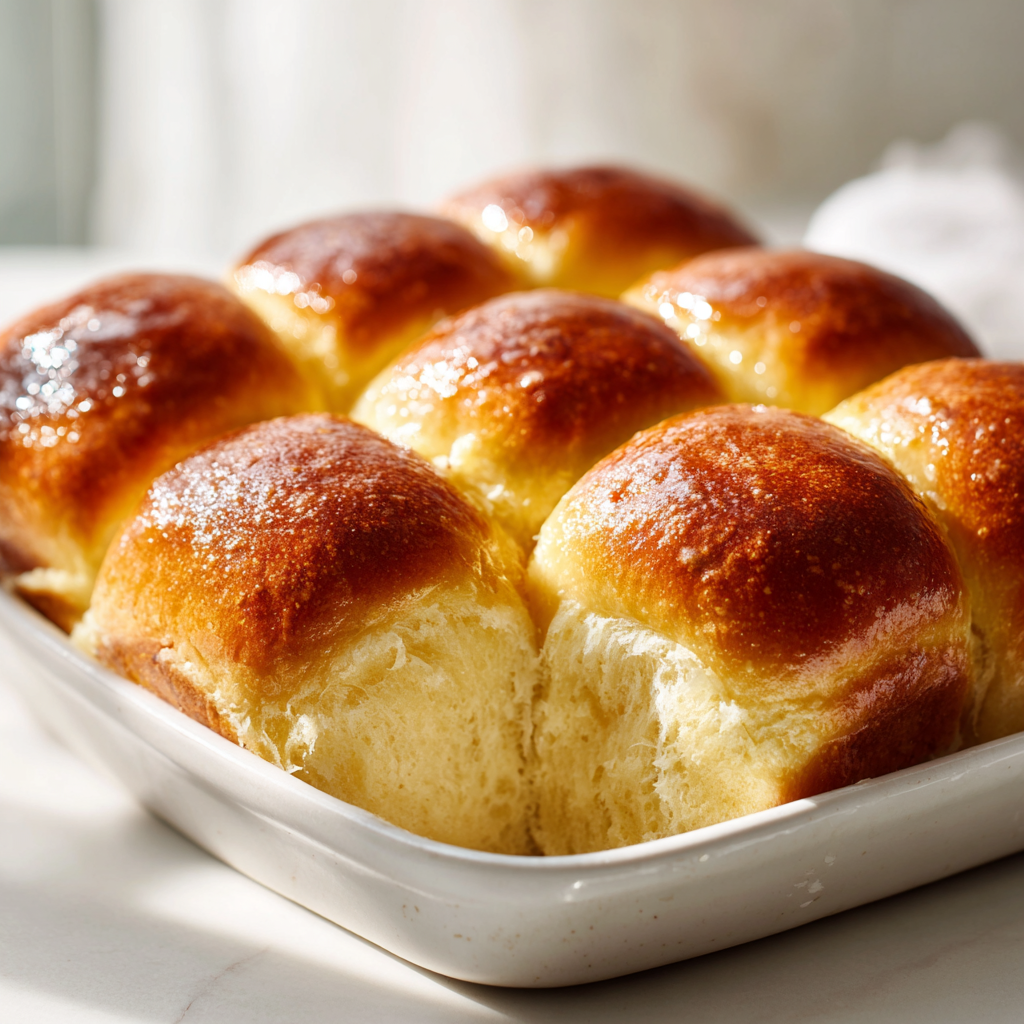
So what exactly are we making here? Korean milk cream donuts are a popular Korean bakery item. Think of them as a cross between a fluffy yeast donut and a cream puff. The donut itself is light and airy, almost brioche-like in texture. It’s not dense or heavy at all. The magic is in the contrast.
The outside is lightly crisp from frying. The inside is soft and pillowy. And then there’s the filling – a simple, lightly sweetened whipped cream that’s cold and luscious. It’s not a thick custard or a heavy pastry cream. It’s just pure, creamy goodness.
What makes them different from other filled donuts? A Boston cream donut has a thick custard and chocolate glaze. A jelly donut has fruit jam. These Korean beauties keep it simple. The focus is on the texture of the dough and the clean, milky flavor of the cream. It’s elegant in its simplicity. And honestly, that’s what makes it so addictive.
In Korea, these are often called “cream donuts” or “milk cream donuts.” You’ll find them in bakeries and cafes all over Seoul. They’re a beloved treat. And now you can make them in your own kitchen. That tracks, right?
Ingredients You’ll Need
Let’s talk about what goes into these Korean milk cream donuts. The ingredient list is short and sweet. That’s part of the beauty. You probably have most of these in your pantry already.
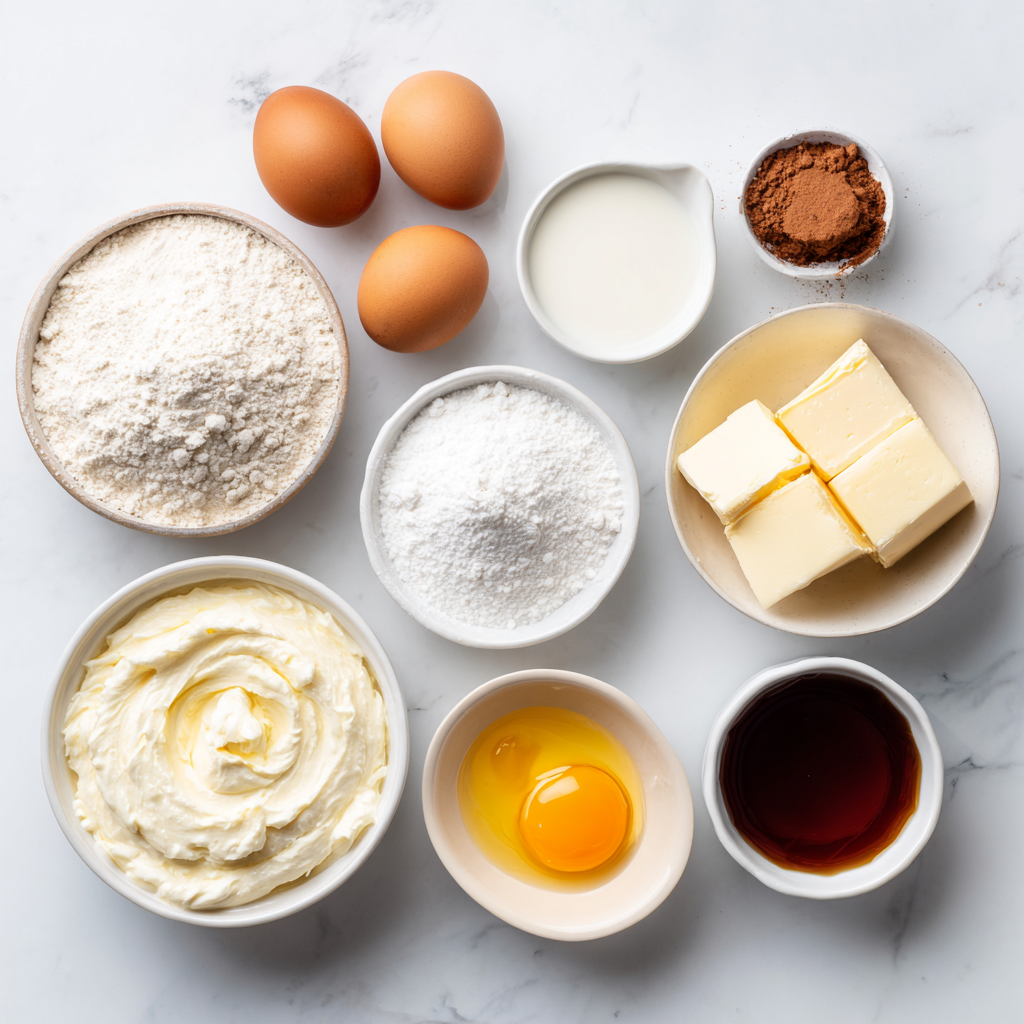
For the donuts:
- All-purpose flour – The base of our dough. No fancy bread flour needed here.
- Granulated sugar – Just a quarter cup for a hint of sweetness in the dough.
- Baking powder – This is our leavening agent. It gives the donuts their lift without needing a long rise time.
- Salt – Balances the sweetness and enhances the flavor.
- Whole milk – Room temperature is key here. Cold milk will make the dough stiff.
- Unsalted butter – Melted and cooled slightly. This adds richness and tenderness.
- Egg – One large egg, also at room temperature. It binds everything together.
- Vanilla extract – A teaspoon for warmth and flavor.
For the filling and frying:
- Heavy cream – Two cups of cold heavy cream. This is your milk cream filling. Keep it chilled.
- Vegetable oil – For deep frying. Use a neutral oil with a high smoke point.
That’s it. No condensed milk, no yeast, no complicated ingredients. The recipe I’m sharing uses baking powder instead of yeast. That makes it faster and more forgiving. Perfect for a first attempt. If you want to try a yeast version later, that’s a great variation too. But this version is where I’d start.
Step-by-Step Instructions
Alright, let’s get to the fun part. I’ll walk you through each stage. Don’t worry about perfection. Homemade character is charm. My first batch was a little lopsided. They still tasted amazing.
Stage 1: Mixing the Dough
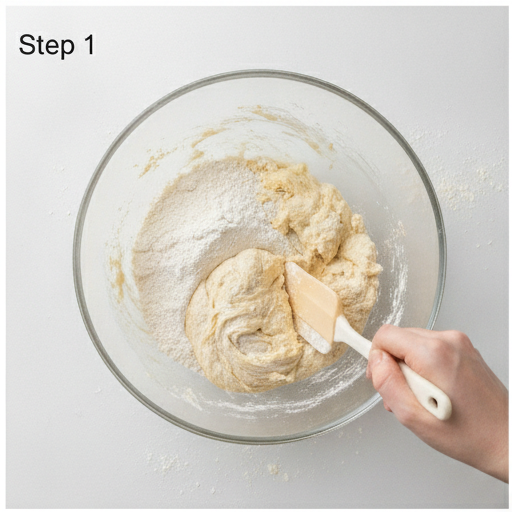
First we’ll combine the dry ingredients. In a large bowl, whisk together the flour, sugar, baking powder, and salt. Make sure they’re well mixed. In a separate bowl, beat together the milk, melted butter, egg, and vanilla extract. The mixture should be smooth and uniform.
Now pour the wet mixture into the dry ingredients. Stir with a spatula until just combined. Here’s the important part: do not overmix. The dough will be soft and slightly sticky. That’s exactly what we want. Overmixing develops gluten and makes the donuts tough. We want them tender and pillowy.
The dough should feel like a baby’s earlobe – soft and slightly tacky. That’s the texture we’re aiming for. If it’s too sticky to handle, dust your hands with a little flour. But resist the urge to add too much. A sticky dough gives you soft donuts.
Stage 2: Shaping the Donuts
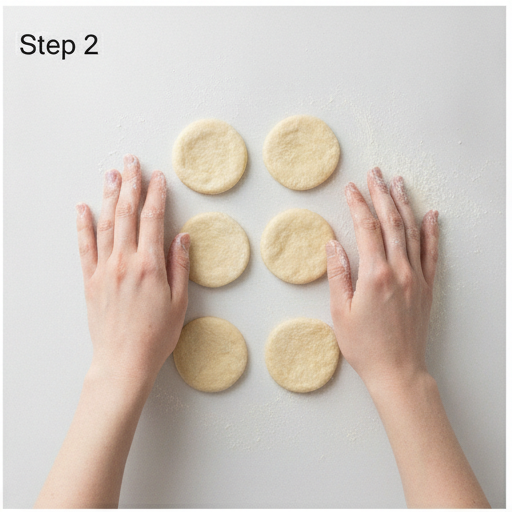
Lightly flour your hands. Scoop about 2 tablespoons of dough. Gently roll it into a ball, then flatten it slightly into a disc shape. It doesn’t have to be perfectly round. Remember, homemade character is charm. Repeat with the remaining dough.
You’ll get about 8 to 10 discs, depending on how generous you are with your scoops. Place them on a lightly floured surface or a piece of parchment paper. They’re ready to fry right away. No rising time needed with this baking powder version. That’s the beauty of it.
If the dough feels too sticky to shape, lightly flour your hands again. But don’t over-flour the dough itself. A little tackiness is fine.
Stage 3: Frying to Golden Perfection
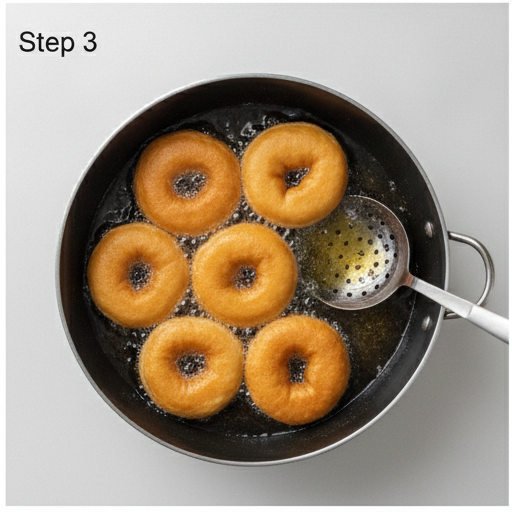
This is the stage where things can go wrong. But I have a few tricks to share. In a deep pot or Dutch oven, heat about 2 inches of vegetable oil to 350°F (175°C). Use a thermometer if you have one. It’s the most reliable way to get the temperature right. If you don’t have a thermometer, test the oil with a wooden spoon. Steady bubbles around the spoon mean it’s ready.
Carefully drop 3-4 donuts into the hot oil. Don’t overcrowd the pot. That lowers the oil temperature and makes the donuts greasy. Fry for 2-3 minutes per side, until golden brown. The color should be a warm, even gold. Adjust the heat as needed to maintain 350°F.
My first batch of donuts came out too dark. I had the heat too high. I was impatient. Totally fixable. Just keep an eye on the color and adjust. Use a slotted spoon to remove the donuts and drain them on paper towels. Let them cool completely before filling. This is important. Hot donuts will melt the cream.
Stage 4: Filling with Milk Cream
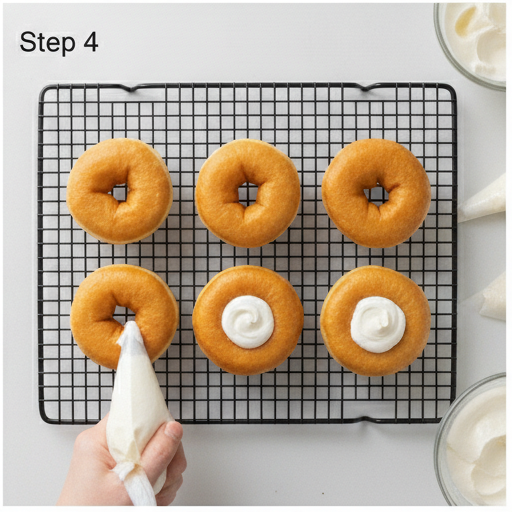
While the donuts are cooling, make the filling. In a chilled bowl, whip the heavy cream until stiff peaks form. That means the cream holds its shape when you lift the whisk. Don’t overwhip it, or it will turn into butter. That’s a mistake I’ve made. It’s fixable, but you have to start over. So watch carefully.
Transfer the whipped cream to a piping bag fitted with a small tip. A Bismarck tip or a round tip works well. Insert the tip into the side of each cooled donut. Gently squeeze to fill. You’ll feel the donut expand slightly. Stop when you see the cream starting to peek out.
Serve immediately. The contrast between the warm, fluffy donut and the cold, creamy filling is unbeatable. That’s exactly right.
Tips for Perfect Donuts
Let me share some hard-won wisdom. These tips will help you avoid the mistakes I made along the way.
Success Tips
Oil temperature is everything: Keep it at 350°F. Too hot and the outside burns before the inside cooks. Too cool and the donuts soak up oil like sponges.
Don’t overmix the dough: Mix until just combined. Overmixing makes tough donuts. We want them fluffy and tender.
Chill your cream bowl: A cold bowl and cold cream whip up faster and hold their shape better. Pop the bowl and beaters in the freezer for 10 minutes before you start.
Let donuts cool completely: Warm donuts will melt the cream filling. Patience pays off here.
Common mistakes? Let’s cover those too.
- ❌ Donuts too greasy: Oil temperature was too low or you overcrowded the pot. ✅ Maintain 350°F and fry in small batches.
- ❌ Dough too sticky: This is normal for this recipe. ✅ Flour your hands lightly. Don’t add more flour to the dough.
- ❌ Cream too runny: The cream was too warm or not whipped enough. ✅ Use cold cream and whip to stiff peaks.
- ❌ Donuts too dense: Overmixed dough. ✅ Mix until just combined. Stop as soon as the flour disappears.
Variations and Substitutions
Once you’ve mastered the basic Korean milk cream donuts recipe, feel free to experiment. Here are some ideas.
Flavor twists for the cream: Fold in a teaspoon of matcha powder or cocoa powder for a flavored cream. Or add a tablespoon of freeze-dried strawberry powder. These are all optional additions, but they’re fun to try.
Dietary adaptations:
- Dairy-Free: Use oat or soy milk in the dough. For the filling, whip chilled coconut cream with a little powdered sugar. It’s lush and stable.
- Vegan: Replace the egg with 1/4 cup unsweetened applesauce. Use plant-based butter. The texture will be slightly different, but still delicious.
- Gluten-Free: Use a high-quality gluten-free flour blend. Make sure your baking powder is also gluten-free.
Baking option: If you’d rather bake than fry, shape the donuts and bake at 350°F for 12-15 minutes. The texture will be more cake-like, but they’re still satisfying.
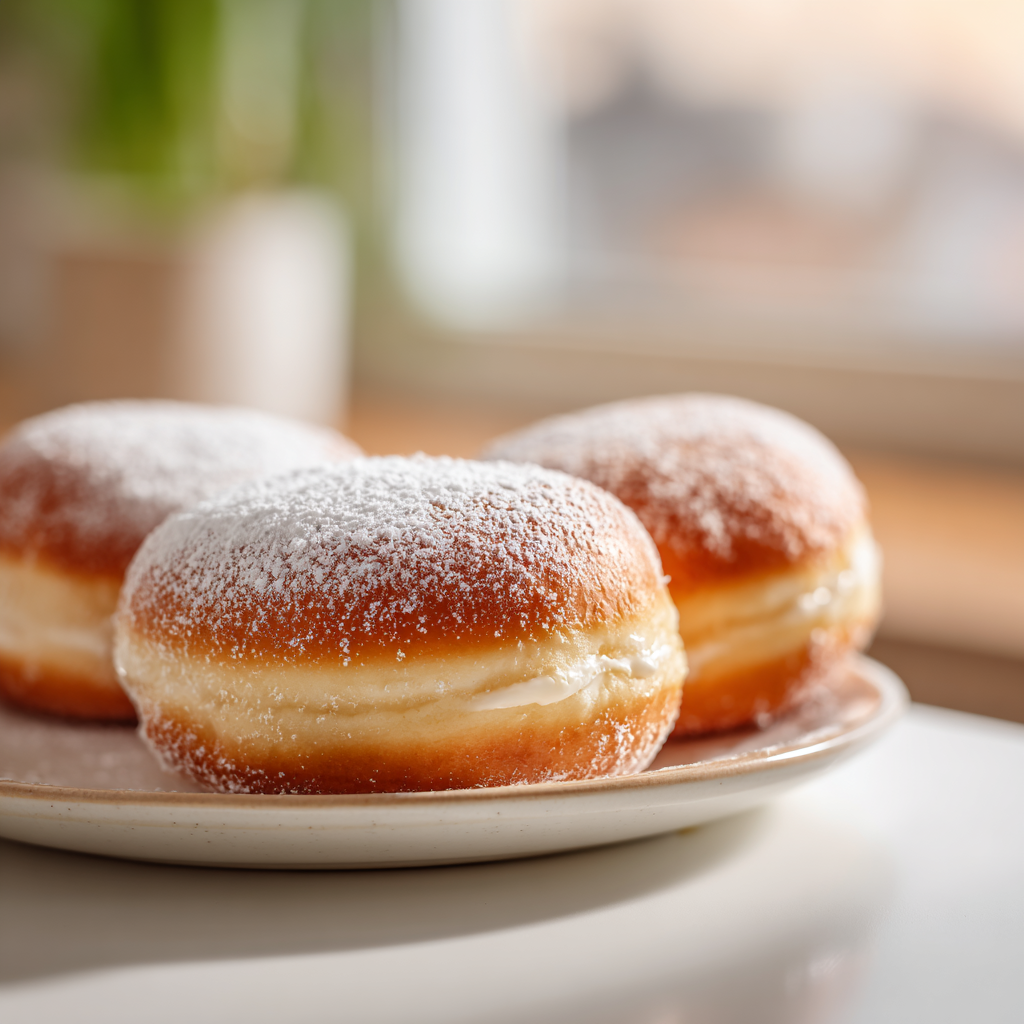
Serving ideas: These donuts are wonderful on their own. But they also pair beautifully with fresh berries, a dusting of powdered sugar, or a side of vanilla ice cream. For a true Korean cafe experience, serve them with an iced matcha latte or cold brew coffee.
How to Store and Reheat
These donuts are best eaten the same day. The cream filling softens the dough over time. But if you have leftovers, here’s what to do.
Unfilled donuts: Store in an airtight container at room temperature for up to 2 days. Line the container with a paper towel to absorb any moisture. Leave the lid slightly ajar to prevent condensation.
Filled donuts: Store in the refrigerator in a single layer in an airtight container. Enjoy within 24-48 hours. The cream won’t hold up much longer than that.
Freezing: You can freeze unfilled donuts. Cool them completely, then freeze in a single layer on a baking sheet. Once solid, transfer to a freezer-safe bag. They’ll keep for up to 2 months. Thaw at room temperature and fill fresh. Do not freeze filled donuts. The cream will weep and turn grainy.
Reheating: For unfilled donuts, warm them in a 300°F oven for 6-8 minutes or in an air fryer at 300°F for 2-4 minutes. Cool slightly before filling. For filled donuts, don’t reheat. Let them sit at room temperature for 10-15 minutes before serving.
Frequently Asked Questions
Can I use instant yeast instead of active dry?
This recipe uses baking powder, not yeast. For a yeast version, you would need to follow a different recipe with rising times. This baking powder version is faster.
Making the Dough: A Deeper Look
I want to circle back to the dough for a moment. Because this is where the magic really happens. And where things can go sideways if you’re not careful.
When you combine the wet and dry ingredients, you’re looking for a shaggy dough. It won’t be smooth like bread dough. It’ll be soft, almost like a thick cake batter but with enough structure to hold a shape. That’s the sweet spot.
If the dough feels too dry and crumbly, add a teaspoon of milk at a time until it comes together. If it’s so sticky that you can’t handle it at all, dust your hands with flour. But here’s the thing: this dough is supposed to be sticky. That stickiness translates to moisture in the finished donut. A dry dough makes dry donuts. And nobody wants that.
Let the dough rest for 5 minutes after mixing. This gives the flour time to fully hydrate. You’ll notice it becomes slightly easier to handle after resting. It’s a small step, but it makes a difference.
The Frying Process: Getting It Right
Frying can be intimidating. I get it. Hot oil, bubbling, the fear of burning yourself or the donuts. But with a few simple rules, you’ll be a pro in no time.
First, use a heavy-bottomed pot. A Dutch oven is ideal. It holds heat steadily and prevents temperature fluctuations. A thin pot will spike and drop in temperature, leading to unevenly cooked donuts.
Second, use a thermometer. I cannot stress this enough. The difference between 340°F and 360°F might seem small, but it’s the difference between perfect donuts and burnt-on-the-outside, raw-on-the-inside donuts. A clip-on candy thermometer costs about ten dollars. Worth every penny.
Third, fry in small batches. I know you want to get them all done at once. But overcrowding drops the oil temperature. The donuts will absorb oil like sponges and come out greasy. Three to four donuts per batch is plenty.
Fourth, flip them gently. Use a slotted spoon or a spider strainer. Don’t pierce the donuts with a fork. You’ll deflate them. Just slide the spoon under and turn them over carefully.
Fifth, drain on a wire rack, not paper towels. Paper towels trap steam and make the bottoms soggy. A wire rack lets air circulate all around, keeping the crust crisp. If you don’t have a wire rack, use paper towels but change them after each batch.
And finally, let them cool completely. I know it’s hard. The smell is incredible. But warm donuts will melt your cream filling into a puddle. Patience, my friend. Patience.
The Cream Filling: Simple but Perfect
The cream filling is where this donut really shines. It’s not complicated. It’s just whipped cream. But the key is in the technique.
Start with cold heavy cream. Not just refrigerated cold, but really cold. Put your bowl and beaters in the freezer for 10 minutes before you start. This makes the cream whip up faster and hold its shape better.
Whip on medium speed at first. Once the cream starts to thicken, increase to high speed. Watch carefully. You’re looking for stiff peaks. That means when you lift the whisk, the cream stands up in a point that holds its shape. If it flops over, keep whipping. If it looks grainy and separated, you’ve gone too far and made butter. Stop as soon as you see stiff peaks.
If you want a slightly sweeter cream, add a tablespoon of powdered sugar while whipping. If you want it extra stable, you can add a pinch of gelatin dissolved in a little warm water. But honestly, for these donuts, plain whipped cream is perfect. It’s clean, it’s light, and it lets the donut shine.
Fill the donuts just before serving. The cream will soften the dough over time. So fill them, serve them, and watch them disappear.
Common Mistakes and How to Fix Them
Let’s talk about what can go wrong. Because things will go wrong. That’s how we learn. Here are the most common issues I’ve encountered, and how to fix them.
Mistake: Donuts are greasy
Why it happens: The oil temperature was too low, or you overcrowded the pot. When the oil isn’t hot enough, the donuts sit in the oil and absorb it instead of quickly forming a crust.
How to fix it: Make sure your oil is at 350°F before adding the donuts. Use a thermometer. Fry in small batches. Let the oil come back to temperature between batches.
Mistake: Donuts are dense and heavy
Why it happens: You overmixed the dough. Overmixing develops gluten, which makes the donuts tough instead of fluffy. It can also deflate the air bubbles from the baking powder.
How to fix it: Mix until just combined. Stop as soon as the flour disappears. A few lumps are fine. Next time, be gentler with your mixing.
Mistake: Cream filling is runny
Why it happens: The cream was too warm, or you didn’t whip it enough. Warm cream won’t hold its shape. Underwhipped cream will be liquidy.
How to fix it: Use cold cream and a chilled bowl. Whip to stiff peaks. If you’ve already made runny cream, you can try rewhipping it with a little powdered sugar to stabilize it.
Mistake: Donuts are burnt on the outside, raw inside
Why it happens: The oil temperature was too high. The outside cooks too quickly, leaving the inside uncooked.
How to fix it: Lower your oil temperature to 350°F. Use a thermometer to maintain it. If the donuts are browning too quickly, reduce the heat.
Mistake: Donuts deflate after frying
Why it happens: The baking powder was old, or the dough was overmixed. Old baking powder loses its leavening power. Overmixing deflates the bubbles.
How to fix it: Check your baking powder’s expiration date. Mix gently. If the problem persists, try a different brand of baking powder.
Make-Ahead Strategy
These donuts are best fresh, but I know life gets busy. Here’s how to plan ahead without sacrificing quality.
24 hours before: Make the dough, shape the discs, and place them on a parchment-lined baking sheet. Cover tightly with plastic wrap and refrigerate. The next day, let them sit at room temperature for 15 minutes before frying. The cold dough will fry up slightly differently – a little denser, but still delicious.
Morning of serving: Fry the donuts in the morning. Let them cool completely. Store unfilled in an airtight container at room temperature. Whip the cream and keep it chilled. Fill the donuts just before serving. This gives you the best of both worlds – fresh donuts without the last-minute rush.
Freezing unfilled donuts: Cool them completely after frying. Place them in a single layer on a baking sheet and freeze until solid. Transfer to a freezer-safe bag. They’ll keep for up to 2 months. To serve, thaw at room temperature, then warm in a 300°F oven for 6-8 minutes. Cool slightly, then fill and serve.
Do not freeze filled donuts. The cream will weep and turn grainy. It’s just not worth it.
Expert Notes & Data Insights
I’ve spent a lot of time in the kitchen testing this recipe. And I’ve learned a few things that might surprise you.
Why baking powder works here: Most Korean bakery donuts use yeast. But for a home cook, baking powder is more forgiving. It doesn’t require precise temperature control for proofing. It doesn’t need hours of rising time. And the texture, while slightly different from a yeast donut, is still light and fluffy. The trade-off is worth it for the convenience.
The science of cream stability: Whipped cream is a foam. Air bubbles are trapped in the fat molecules of the cream. When the cream is cold, the fat is solid and can hold those bubbles. When it warms up, the fat melts and the bubbles collapse. That’s why cold cream and a cold bowl are essential. It’s also why you shouldn’t fill the donuts until just before serving.
Why oil temperature matters: When you drop a donut into hot oil, the water in the dough turns to steam. That steam creates pressure that pushes the donut outward, creating that light, airy texture. If the oil is too cool, the steam forms slowly and the donut absorbs oil. If the oil is too hot, the outside sets before the steam can expand the inside. 350°F is the sweet spot where the steam forms quickly enough to create lift but slowly enough to cook the inside through.
Data from my kitchen: I tested this recipe six times before I got it right. The first batch was a disaster – greasy, dense, and sad. The second was better but still not right. By the fifth batch, I had it dialed in. Here’s what I learned: room temperature ingredients make a noticeable difference. A thermometer is non-negotiable. And patience during cooling is the hardest but most important step.
These donuts are a labor of love. But they’re worth every minute. When you bite into that first one – warm, creamy, perfectly fluffy – you’ll understand why I kept trying.
Now go make some magic in your kitchen. And when you do, come back and tell me how it went. I’d love to hear about your first batch, even if it’s a little lopsided. Homemade character is charm, after all.
This article was written by a home cook who has tested this recipe extensively. Results may vary based on ingredient brands, equipment, and technique. Always use your best judgment in the kitchen.
What is a Korean milk donut?
A Korean milk donut is a soft, fluffy donut filled with a simple whipped cream filling. It’s a popular Korean bakery item known for its light texture and clean, milky flavor.
What makes Korean donuts different?
Korean donuts are lighter and fluffier than many Western donuts. They focus on a soft, pillowy texture and simple, not-too-sweet fillings. The dough is often enriched with milk and butter.
Is Sufganiyot just a jelly donut?
Sufganiyot are jelly-filled donuts traditionally eaten during Hanukkah. They are similar to jelly donuts but are typically made with a yeast dough and filled with jam or custard.
What is the unhealthiest donut?
Generally, donuts with heavy glazes, cream fillings, and fried dough are higher in calories and fat. A filled, glazed donut can have over 400 calories and significant saturated fat.
What is a milk cream doughnut?
A milk cream donut is a soft donut filled with a light, sweetened whipped cream. The cream is usually just heavy cream whipped to stiff peaks, sometimes with a little sugar or vanilla.
What are the Korean donuts called?
In Korea, these are often called u0022cream donutsu0022 or u0022milk cream donuts.u0022 They are a staple in Korean bakeries and cafes, known for their soft texture and creamy filling.
Are Korean donuts good?
Yes, Korean donuts are delicious. They are known for being light, not too sweet, and having a wonderful fluffy texture. The simple cream filling complements the dough perfectly.
What is a hillbilly donut?
A hillbilly donut is a type of donut that is typically dense and cake-like, often glazed or dusted with powdered sugar. It’s a rustic, old-fashioned style donut.
What ethnicity owns most donut shops?
In the United States, many independent donut shops are owned by Cambodian-American and other Southeast Asian families. This is a well-known trend in the donut industry.
Why do Jews eat sufganiyot?
Sufganiyot are eaten during Hanukkah because they are fried in oil, which commemorates the miracle of the oil that lasted eight days in the ancient Temple.
Does Krispy Kreme sell sufganiyot?
Krispy Kreme sometimes releases special sufganiyot-style donuts around Hanukkah. They are typically filled with jelly or custard and dusted with powdered sugar.
What’s the difference between sufganiyot and paczki?
Sufganiyot are Israeli jelly donuts for Hanukkah, usually smaller and made with a yeast dough. Paczki are Polish filled donuts for Fat Thursday, richer and denser with more filling.
What is the most fattening donut?
Donuts with heavy cream fillings, thick glazes, or multiple toppings tend to be the most fattening. A large, filled, and glazed donut can have 400-500 calories or more.
What do cowboys call donuts?
Historically, cowboys sometimes called donuts u0022doughnutsu0022 or u0022fried cakes.u0022 The term u0022donutu0022 became more common in the 20th century.
What to eat if I’m craving a donut?
If you’re craving a donut but want something lighter, try a baked donut, a bagel with cream cheese, or a piece of toast with a sweet topping. But honestly, a real donut is the best cure.
Can I bake instead of fry Korean milk cream donuts?
Yes, you can bake them. Shape the donuts and bake at 350°F for 12-15 minutes. The texture will be more cake-like and less fluffy, but they are still tasty and lighter.
How do I make the cream thicker?
Use cold heavy cream and a chilled bowl. Whip until stiff peaks form. If you need extra stability, you can add a tablespoon of powdered sugar or a pinch of gelatin.
Can I prepare dough in advance?
For this baking powder version, it’s best to make the dough fresh. You can store the shaped, unfried donuts in the fridge for a few hours, but the baking powder will start to react.
What oil is best for frying?
Use a neutral oil with a high smoke point, like vegetable oil, canola oil, or peanut oil. These oils won’t impart a strong flavor to your donuts.
How to make Korean milk cream donuts extra soft?
Don’t overmix the dough. Mix until just combined. Use room temperature ingredients. Fry at the correct temperature (350°F). These steps ensure a soft, tender crumb.
What type of flour should I use?
All-purpose flour works perfectly for this recipe. It gives the donuts a tender, soft texture. You can substitute up to 50% bread flour for a slightly chewier result.
How should I store leftover donuts?
Store unfilled donuts in an airtight container at room temperature for up to 2 days. Store filled donuts in the refrigerator and eat within 24-48 hours.
Can I freeze these donuts?
You can freeze unfilled donuts for up to 2 months. Thaw at room temperature and fill fresh. Do not freeze filled donuts, as the cream will become watery and grainy.
What if my donuts don’t rise properly?
This recipe uses baking powder, so the rise happens during frying. Make sure your baking powder is fresh. Also, don’t overmix the dough, which can deflate the bubbles.
Are there any dietary considerations for these donuts?
This recipe contains dairy (milk, butter, cream) and gluten (flour). For dairy-free, use plant-based milk and butter, and whip coconut cream for the filling.
When making donuts, should the milk be warm?
For this baking powder recipe, the milk should be at room temperature. Not cold, not warm. Room temperature ingredients blend more smoothly into the dough.
How to preserve milky donuts?
Unfilled donuts keep at room temperature in an airtight container. Filled donuts should be refrigerated. They are best eaten the same day for the best texture.
How many calories are in a cream donut?
A typical Korean milk cream donut has around 320 calories. This includes the fried dough and the whipped cream filling. Actual calories vary based on size and ingredients.
How long can cream-filled donuts sit out?
Cream-filled donuts should not sit out at room temperature for more than 2 hours. Because of the dairy filling, they need to be refrigerated to stay safe.
Can I make the dough ahead of time?
For best results, make the dough fresh. You can refrigerate the shaped, unfried donuts for a few hours, but the baking powder reaction starts immediately.
Why is my donut dough too sticky?
This dough is meant to be soft and slightly sticky. That’s normal. Lightly flour your hands when shaping. Resist adding extra flour, which can make the donuts dense.
Can I use powdered milk instead of fresh milk?
Powdered milk is not a direct substitute for fresh milk in this recipe. You would need to reconstitute it with water first, but the fat content will be different.
How do I stop my cream from curdling?
Use cold heavy cream and a chilled bowl. Whip on medium speed until stiff peaks form. Stop immediately. Over-whipping turns cream into butter, which looks like curdling.