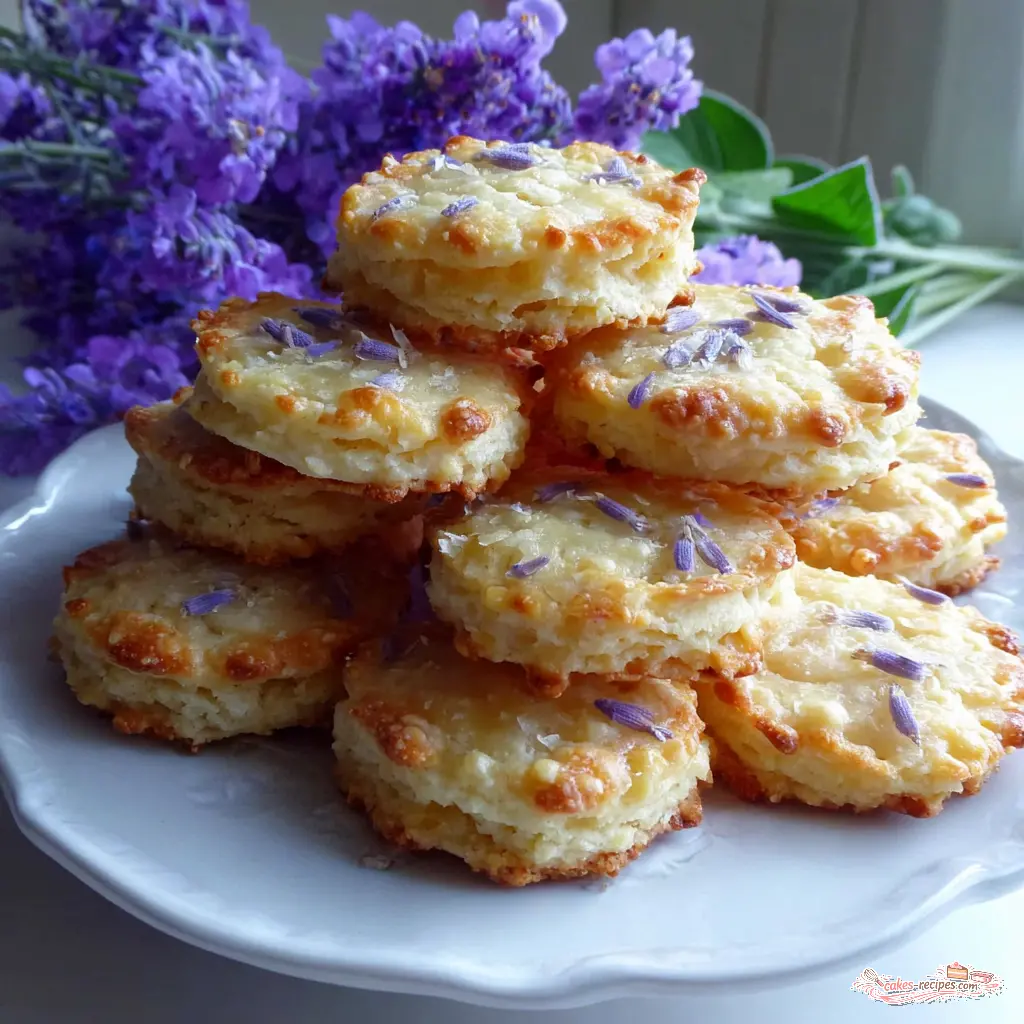
Why You’ll Love These Lavender Biscuits
Ever picked up dried lavender at the store and wondered what to do with it? I know I have. It sits in your pantry looking pretty, smelling like a garden in Provence, and you think, “This is too fancy for me to use.”
Here’s the deal: these lavender biscuits are the perfect place to start. They’re not complicated, they don’t require any special equipment, and they turn out flaky, buttery, and just subtly floral. No soapy taste, I promise. I’ve made that mistake before, and I’ll tell you how to avoid it.
These biscuits are great for brunch with friends, a quiet afternoon tea, or even as a thoughtful homemade gift. The honey adds a gentle sweetness that complements the lavender without overpowering it. And the garlic and herbs? They add a savory depth that makes these biscuits surprisingly versatile.
I’ve been making these lavender biscuits for a few years now, ever since my wife brought home a bag of culinary lavender from the Santa Monica Farmers Market. I was skeptical at first. But after a few test batches, I nailed the balance. Now they’re a regular request at our Sunday dinners.
What Makes These Lavender Biscuits Special
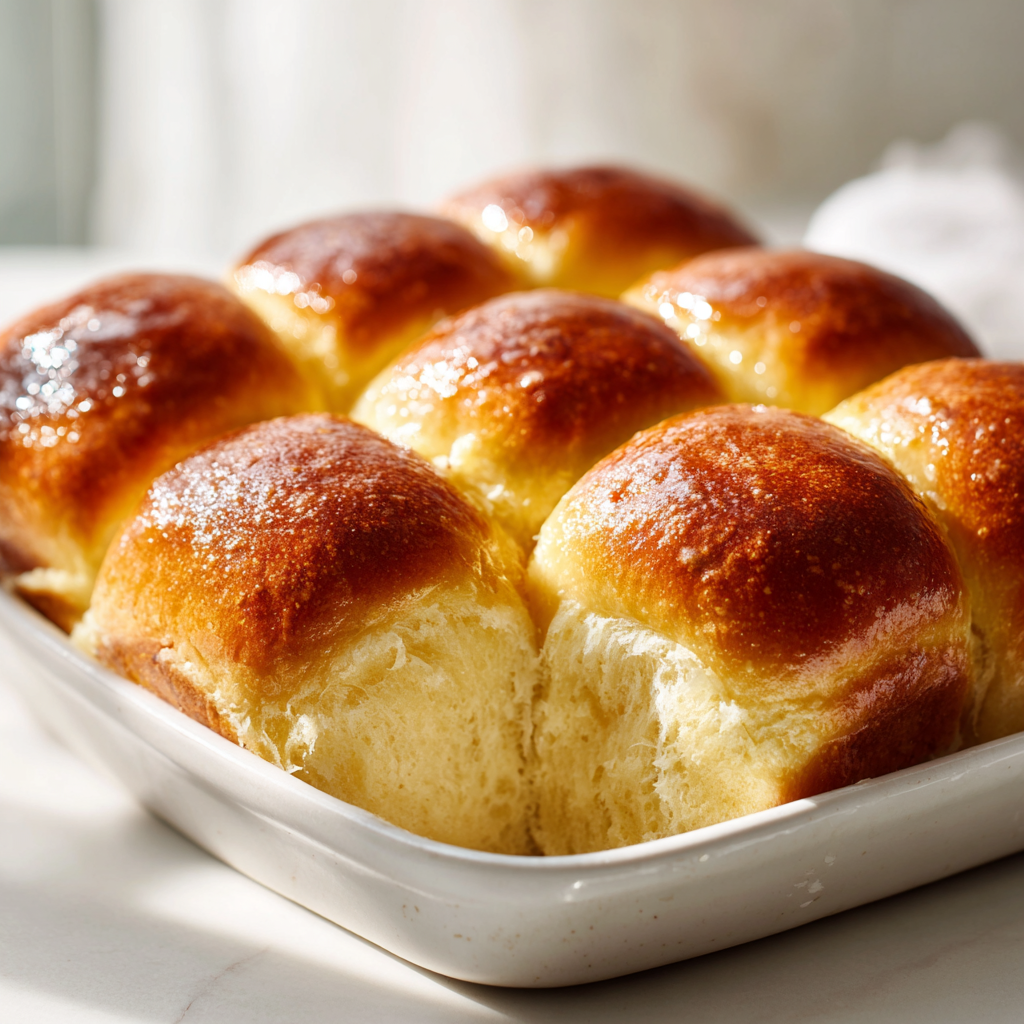
Flaky and tender: The cold buttermilk and careful folding create layers that practically melt in your mouth.
Subtle floral flavor: We use just the right amount of culinary lavender, so it’s aromatic without being overpowering.
Savory-sweet balance: The garlic and herbs add depth, while honey brings a gentle sweetness.
Beginner-friendly: If you can mix dough and roll it out, you can make these. No question.
Ingredients for Lavender Biscuits
Let’s talk about what goes into these lavender biscuits. The ingredient list might look a little unusual at first, but trust me, every single thing has a job to do.
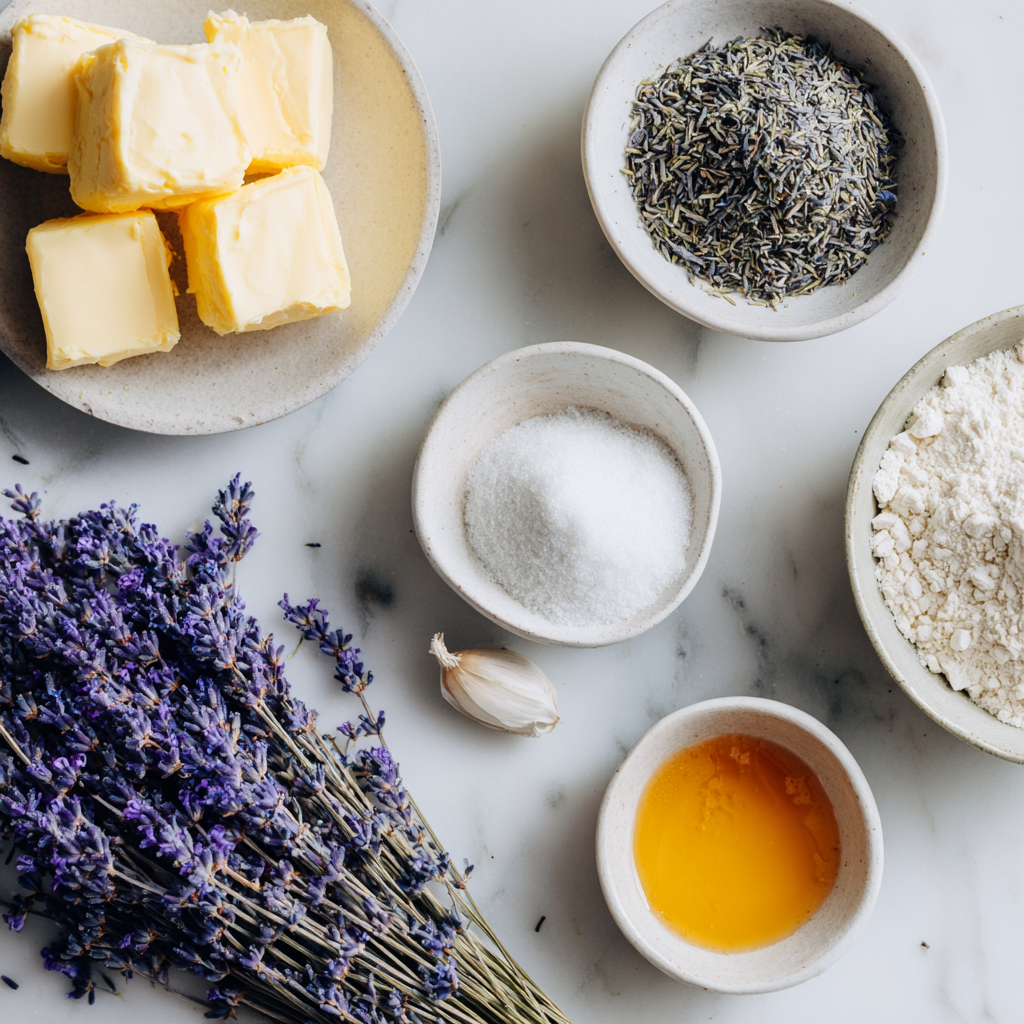
For the biscuit dough:
- Salted butter – Make sure it’s softened to room temperature. This helps it cream properly with the sugar and honey.
- Granulated sugar and honey – The sugar adds structure and sweetness. The honey brings floral notes that pair beautifully with the lavender.
- All-purpose flour – Standard flour works perfectly here. No need for anything fancy.
- Baking powder and salt – For lift and flavor. Don’t skip the salt, it balances the sweetness.
- Buttermilk – Cold buttermilk is key. The acidity tenderizes the gluten, giving you soft, flaky biscuits.
For the flavor boost:
- Garlic – Minced fresh garlic adds a savory punch. It’s subtle, but it makes a difference.
- Culinary lavender – This is the star. Make sure you get culinary-grade lavender, not the stuff from the craft store. More on that below.
- Dried parsley, thyme, and sage – These herbs add earthy, aromatic notes that complement the floral lavender.
One thing I learned the hard way: not all lavender is created equal. That bag of dried lavender you bought for potpourri? Don’t use it for baking. It might be treated with chemicals or just taste like soap. Stick with culinary lavender from a reputable source. Whole Foods or a local spice shop usually carries it.
How to Make Lavender Biscuits Step by Step
Alright, let’s get to the fun part. I’m going to walk you through the process in four main stages. Think of these as the big moves, not every tiny detail. The recipe card at the end has all the specifics.
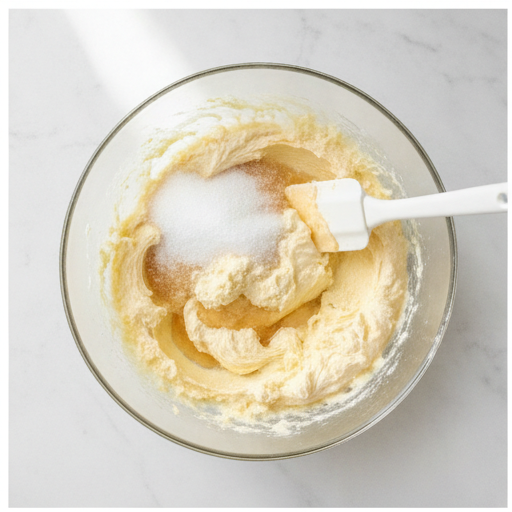
Stage 1: Make the honey butter log. Start by creaming the softened butter, granulated sugar, and honey together until it’s light and creamy. Shape it into a log, wrap it in plastic, and pop it in the fridge for about 30 minutes. This is your secret weapon for flaky layers. The cold butter will create steam pockets in the oven, giving you that perfect lift.
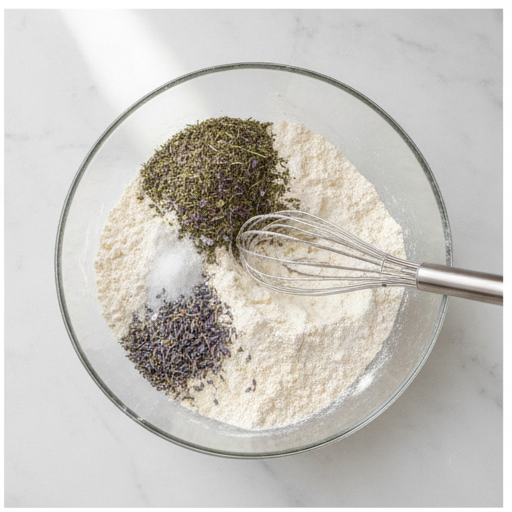
Stage 2: Mix the dry ingredients and herbs. In a large bowl, whisk together the flour, baking powder, and salt. Then stir in the minced garlic, parsley, thyme, sage, and crushed culinary lavender. The smell at this point is incredible. Garlic and herbs with that floral lavender note. It’s like a garden in a bowl.
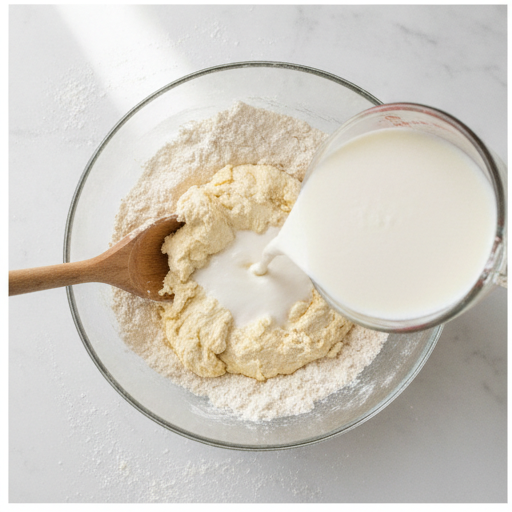
Stage 3: Add the buttermilk and form the dough. Pour the cold buttermilk into the dry mixture. Stir gently with a wooden spoon until just combined. You want a slightly sticky dough. Overmixing will make the biscuits tough, so stop as soon as it comes together. Let it rest for a few minutes to hydrate the flour.
Stage 4: Roll, fold, and bake. Transfer the dough to a floured surface. Knead it gently three or four times, just to bring it together. Shape it into a 1-inch thick rectangle and chill for 15-30 minutes. Then roll it out to 1/2-inch thick, place the chilled honey butter log in the center, and fold the dough over it. Roll and fold into thirds. Repeat twice. This creates those beautiful flaky layers. Finally, roll to 1-inch thick, cut into squares, freeze for 5-10 minutes, then bake at 400°F for about 25 minutes until golden brown.
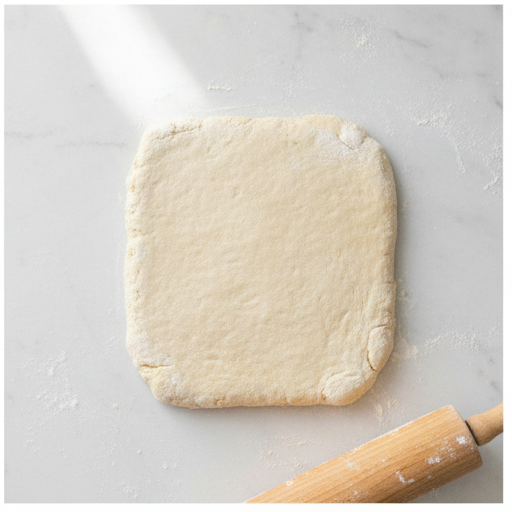
That’s it. The hardest part is waiting for them to cool enough to eat. Trust me, your kitchen will smell amazing.
Tips for Perfect Lavender Biscuits
I’ve made these lavender biscuits more times than I can count, and I’ve learned a few things along the way. Here are my best tips to make sure yours turn out perfect.
- Use culinary lavender. I can’t stress this enough. Ornamental lavender can be bitter and chemical-tasting. Culinary lavender is safe and has a much better flavor.
- Crush the lavender buds. Give them a quick crush with your fingers or a mortar and pestle before adding them to the dough. This releases the oils and distributes the flavor more evenly.
- Keep everything cold. Cold butter, cold buttermilk, and a chilled dough are essential for flaky layers. If your kitchen is warm, pop the dough in the fridge for a few extra minutes.
- Don’t overmix. Stir until just combined. Overworking the dough develops gluten, which makes biscuits tough and dense.
- Watch the baking time. These biscuits bake at 400°F for about 25 minutes. Every oven is different, so start checking at 20 minutes. You want them golden brown on top and bottom.
- Brush with honey butter after baking. This adds a beautiful sheen and an extra layer of sweetness. It’s the finishing touch that makes these biscuits special.
Common Mistakes to Avoid
❌ Using too much lavender: A little goes a long way. Stick with 1 tablespoon for this recipe. More than that and your biscuits will taste like soap.
✅ Solution: Start with less. You can always add more next time if you want a stronger floral flavor.
❌ Using non-culinary lavender: This is the biggest mistake I see. Non-culinary lavender can be treated with pesticides or just taste awful.
✅ Solution: Buy culinary lavender from a reputable source. It’s worth the extra few dollars.
Variations to Try
Once you’ve mastered the basic lavender biscuits, feel free to experiment. Here are a few variations I’ve tried and loved.
- Lemon lavender biscuits: Add the zest of one lemon to the dry ingredients. The citrus brightens the floral notes beautifully.
- Rosemary lavender biscuits: Swap the dried parsley, thyme, and sage for 1 tablespoon of finely chopped fresh rosemary. It’s a classic pairing.
- Chamomile lavender biscuits: Replace the dried herbs with 1 tablespoon of dried chamomile flowers. It’s delicate and soothing.
- Vegan lavender biscuits: Use a non-dairy butter substitute and plant-based buttermilk (add a tablespoon of lemon juice to oat milk and let it sit for 5 minutes).
These are just starting points. The beauty of this recipe is how adaptable it is. Feel free to make it your own.
How to Store and Reheat Lavender Biscuits
If you have any leftovers, which is rare in my house, here’s how to keep them fresh.
- Room temperature: Store in an airtight container for up to 3 days. They’ll stay soft and flavorful.
- Refrigerator: You can refrigerate them, but they’ll dry out faster. Only do this if you need to keep them longer than 3 days.
- Freezer: These biscuits freeze beautifully. Wrap them individually in plastic wrap, then place in a freezer bag. They’ll keep for up to 3 months.
To reheat: The best way is in a 350°F oven for about 5 minutes. This brings back the flaky texture and warms them through. You can also microwave them for 15-20 seconds, but they’ll be softer and less flaky.
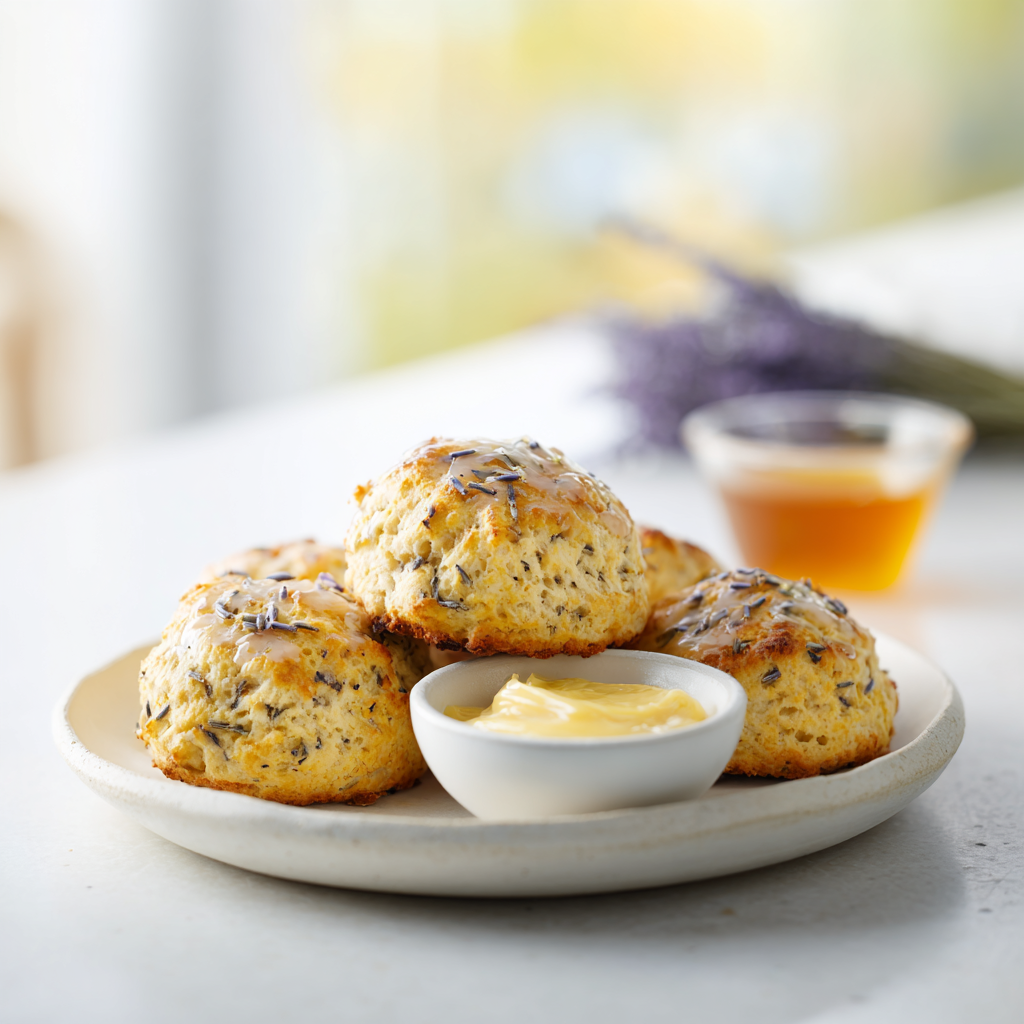
I love serving these lavender biscuits with a pat of honey butter and a cup of hot tea. They’re also fantastic with jam, or even alongside a bowl of soup for a savory twist. The possibilities are endless.
If you make these, I’d love to see them. Tag me on Pinterest with your lavender biscuits! I’m over at Pinterest and I love seeing what you all create.
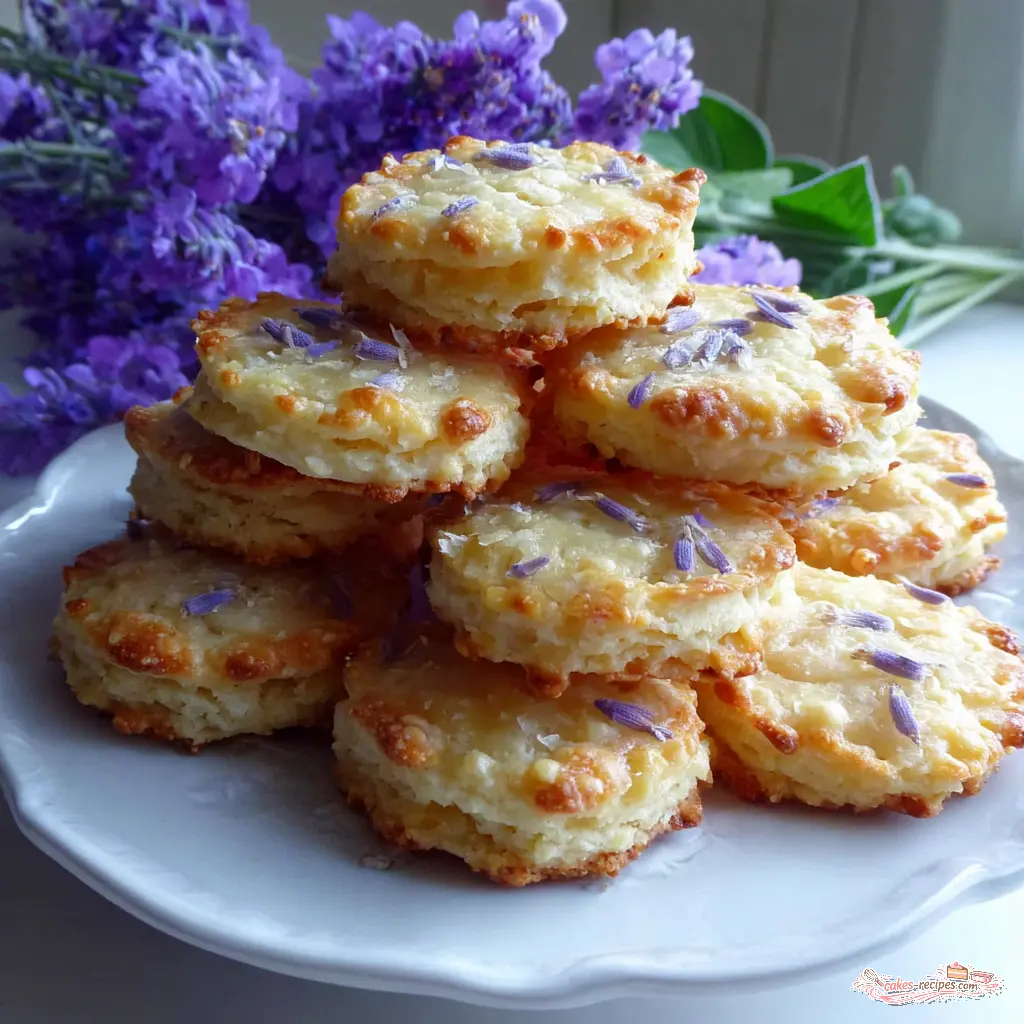
California Lavender Biscuits with a Honey Twist
Ingredients
Method
- In a mixing bowl, combine the softened butter, granulated sugar, and honey until creamy. Shape the mixture into a log, wrap it in plastic, and refrigerate for 30 minutes.
- In a large bowl, whisk together the all-purpose flour, baking powder, salt, and sugar. Stir in the minced garlic, parsley, thyme, sage, and crushed lavender.
- Pour the cold buttermilk into the dry mixture. Stir gently until just combined to form a slightly sticky dough. Let it hydrate for a few minutes.
- Transfer the dough to a floured surface. Knead gently three to four times to bring it together. Shape into a 1-inch thick rectangle and chill for 15-30 minutes.
- Roll the dough into a 1/2-inch thick rectangle, place the chilled honey butter in the center, and fold the dough over the butter. Roll and fold into thirds. Repeat twice.
- Preheat the oven to 400°F. Roll the dough to 1-inch thick, cut into squares or rectangles, and freeze for 5-10 minutes.
- Brush the tops with buttermilk and bake for 25 minutes until golden brown. Monitor closely to avoid overbaking.
- Brush with melted butter and honey after baking. Serve warm.
Nutrition
Notes
Tried this recipe?
Let us know how it was!Frequently Asked Questions
Source: Research Source
How to make lavender biscuits?
Start by creaming softened butter, sugar, and honey. Mix dry ingredients with crushed culinary lavender and herbs. Add cold buttermilk, form a dough, chill, roll, fold, and bake at 400°F for 25 minutes. The recipe card above has full details.
What flavors go well with lavender in baking?
Lavender pairs beautifully with honey, lemon, vanilla, and herbs like rosemary and thyme. In this recipe, garlic and sage add a savory depth that balances the floral notes. The key is to use lavender sparingly so it doesn’t overpower.
What does lavender taste like in cookies?
Lavender has a delicate floral taste, similar to rose or chamomile but with a slightly woodsy, herbaceous undertone. When used correctly, it adds a subtle perfume that’s elegant and not overpowering. Too much can taste soapy, so measure carefully.
How long does dried lavender last for baking?
Dried culinary lavender lasts about 1 to 2 years when stored in an airtight container away from light and heat. For the best flavor, try to use it within 6 months. It will still be safe to use after that, but the floral notes will fade.
What does lavender taste like in baking?
In baking, lavender adds a gentle floral sweetness with hints of mint and rosemary. It’s subtle and aromatic, not at all bitter if you use culinary grade. The flavor becomes more pronounced as it bakes, so a little goes a long way.
How to make lavender dough?
Crush dried culinary lavender buds and mix them into your dry ingredients. Then add wet ingredients like buttermilk and melted butter. The lavender distributes evenly through the dough, giving every bite a consistent floral flavor. Chill the dough before baking.
When not to use lavender?
Don’t use lavender in recipes where it would clash with strong, savory flavors like cumin or chili. Also avoid using it if you’re serving people who are sensitive to floral tastes. Stick to sweet or herbaceous dishes where lavender can shine.
What kind of lavender is best for baking?
English lavender (Lavandula angustifolia) is the best variety for baking. It has a sweet, mild flavor with low camphor content. Always look for culinary-grade lavender from a reputable source to ensure it’s safe and free from chemicals.
What spices go well with lavender?
Lavender pairs well with warm spices like cardamom, cinnamon, and nutmeg, as well as herbs like rosemary, thyme, and sage. In this recipe, we use garlic, thyme, and sage for a savory twist. Lemon zest also brightens the floral notes.
How much lavender to put in cookies?
For a batch of 12-16 cookies or biscuits, use about 1 tablespoon of dried culinary lavender buds. Crush them first to release the oils. Start with less if you’re unsure, you can always add more next time. Too much will taste like soap.
What is Taylor Swift’s cookie recipe?
Taylor Swift’s famous cookie recipe is for chai sugar cookies with royal icing, not lavender biscuits. That recipe uses chai tea bags, butter, sugar, and flour. It’s a completely different flavor profile, though both are delicious in their own way.
Can you put lavender in cookies?
Absolutely. Lavender works beautifully in cookies, biscuits, and shortbread. The key is to use culinary-grade lavender and not overdo it. A tablespoon of crushed buds per batch adds a subtle floral note that’s elegant and unique.
How to use dried lavender in baking?
Crush dried culinary lavender buds before adding them to your dry ingredients. This releases the essential oils. You can also infuse it into sugar or milk by steeping it gently. For biscuits, mixing it directly into the flour works perfectly.
Is it better to use fresh or dried lavender?
Dried lavender is generally better for baking because it has a more concentrated flavor and is easier to measure. Fresh lavender has higher water content and can make dough sticky. If using fresh, double the amount and remove the flowers from the stems.
How to tell if lavender is safe to eat?
Check the label for u0022culinary gradeu0022 or u0022food gradeu0022 lavender. It should come from a reputable source and be labeled specifically for consumption. Avoid lavender from craft stores, garden centers, or unknown sources, as it may contain pesticides or chemicals.