What Does This Carrot Cake Taste Like?
The first carrot cake I made was a brick. I’m not exaggerating. It was dense, dry, and tasted vaguely of over-spiced sawdust. My mom, who could temper chocolate in her sleep, just looked at the sad little thing and said, “You added the carrots too early, didn’t you?” She was right. I had no idea what I was doing.
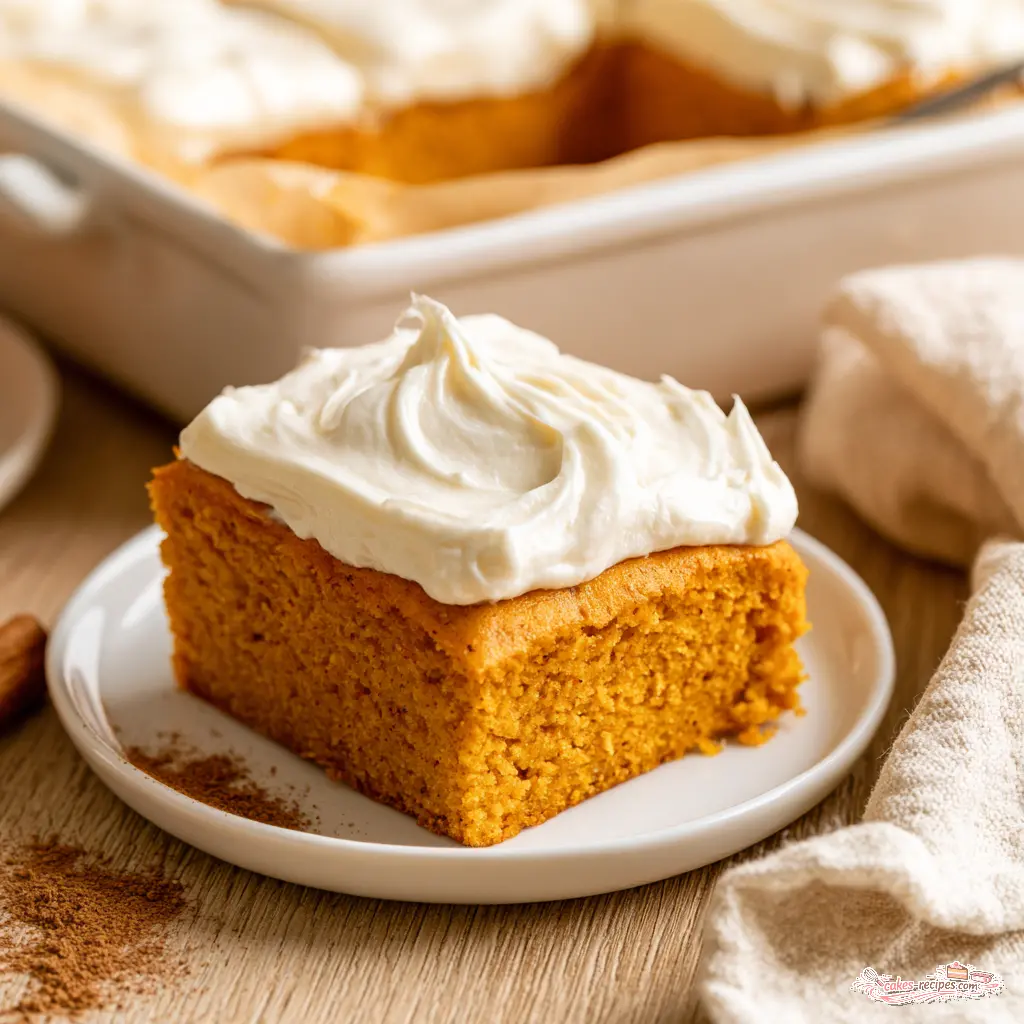
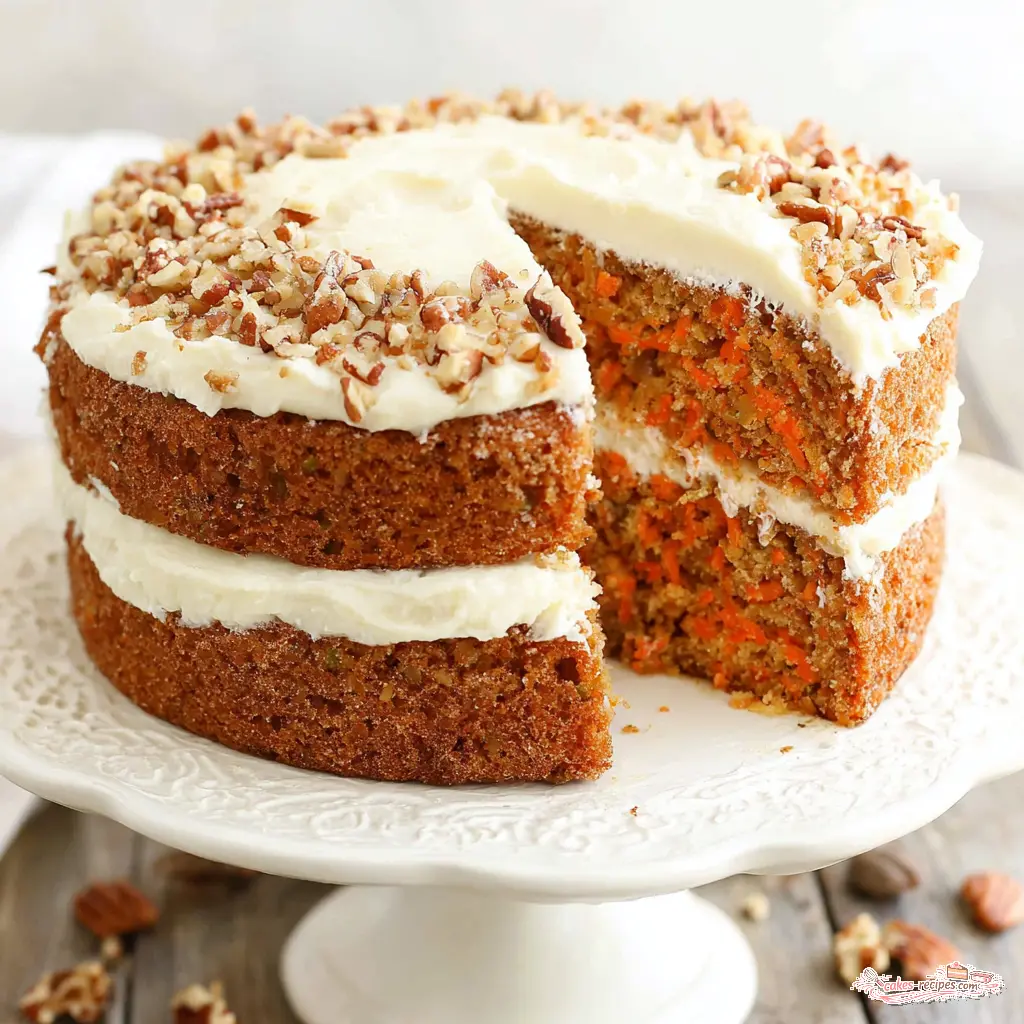
But this recipe? This is the one that changed everything. This carrot cake is everything you want it to be. The crumb is incredibly tender, almost velvety, with a moistness that stays for days. Each bite carries that warm, familiar hug of cinnamon, with just a whisper of ginger and nutmeg in the background. It’s not a spice bomb. It’s balanced.
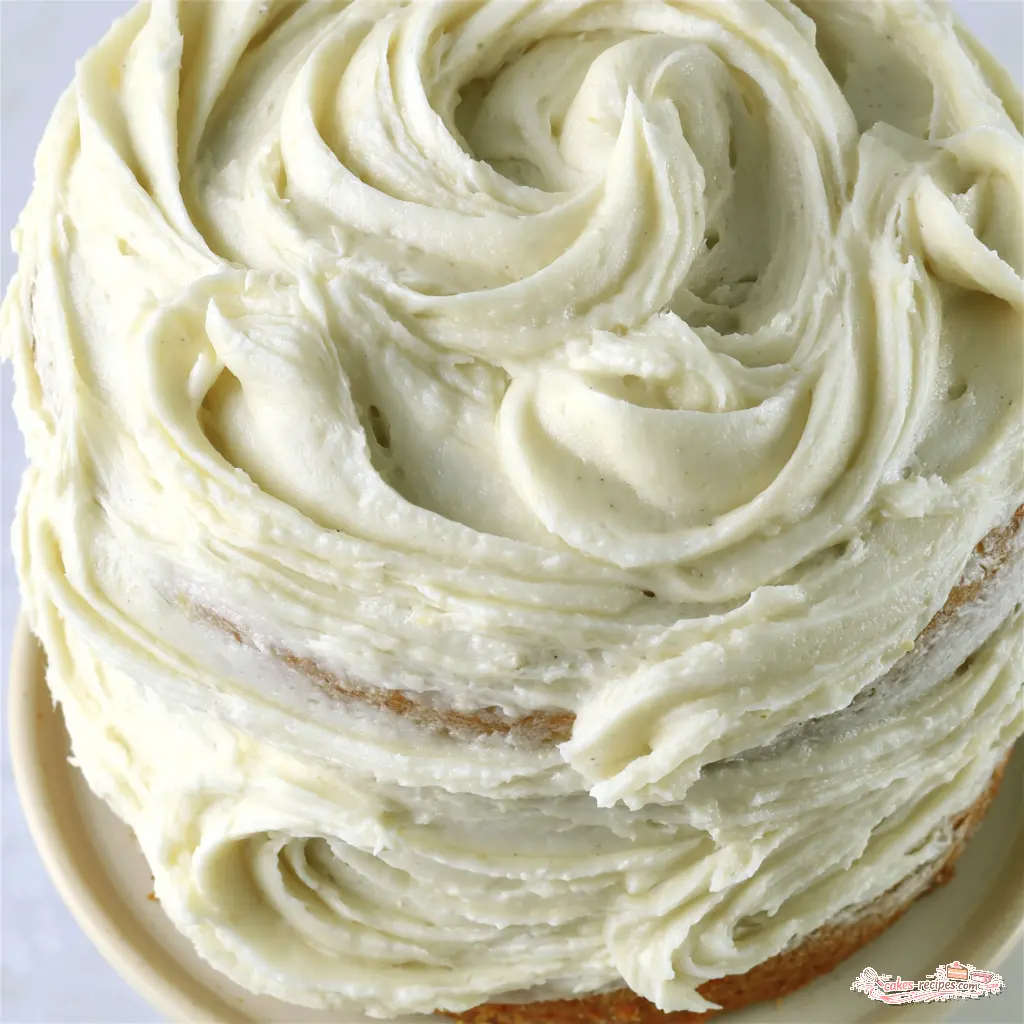
And then there’s the frosting. A tangy, silky cream cheese frosting that doesn’t slide off the cake or weep in the fridge. It’s stable enough to hold its shape, but soft enough to melt on your tongue. That contrast between the sweet, spiced cake and the cool, tangy frosting is what makes this carrot cake recipe a true classic.
In my experience, though others might differ, this cake tastes even better the next day. The flavors meld, the moisture distributes evenly, and the frosting sets perfectly. It’s the kind of dessert that makes people close their eyes when they take a bite. That’s the result you want.
Key Ingredients for the Best Carrot Cake
Let’s talk about what makes this moist carrot cake work. It’s not magic, it’s chemistry. And I’m going to explain it in a way that makes sense, I promise.
First, the fat. We’re using canola or vegetable oil here. Butter adds flavor, sure, but oil keeps the cake tender and moist for days. Butter cakes are great, but they firm up in the fridge. Oil cakes stay soft. That’s just science.
Second, the sugar blend. We use both brown sugar and granulated sugar. Brown sugar brings moisture and that slight molasses depth. Granulated sugar gives structure and helps with browning. The combination is non-negotiable for the best texture.
Now, the secret weapon: unsweetened applesauce. This isn’t in every carrot cake, and that’s a shame. It adds moisture without making the cake greasy. It also lets you use a little less oil. The result is a cake that’s tender but not heavy. Fair point, you might think it’s weird, but trust me on this one.
And the carrots. Oh, the carrots. This is where most people go wrong. You need to grate them yourself from whole carrots. Pre-shredded carrots from a bag are too dry and coarse. They won’t melt into the batter the same way. Freshly grated carrots release their natural moisture and sweetness into the cake. That’s the difference between a good cake and a great one.
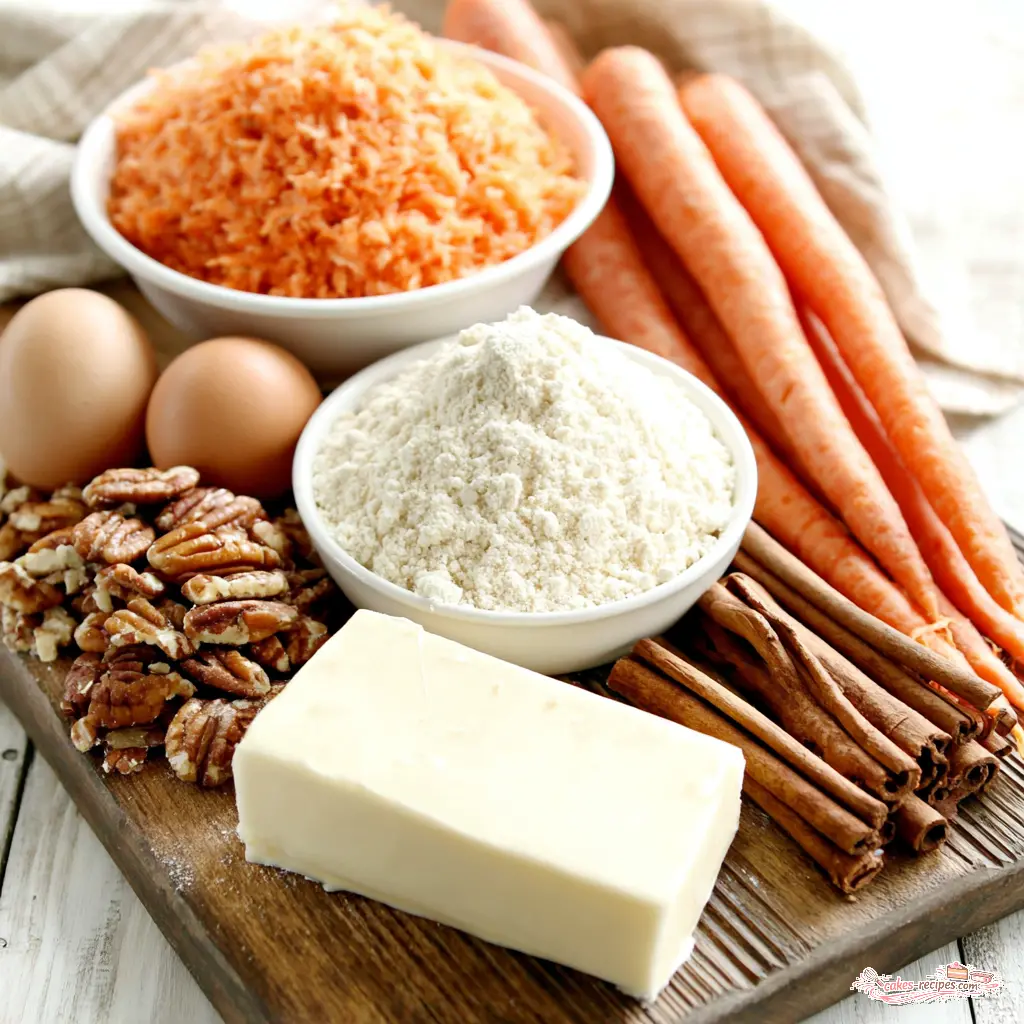
Our cinnamon nutmeg ginger spice blend is simple but effective. We’re using 1 1/2 teaspoons cinnamon, 1/2 teaspoon ginger, and 1/4 teaspoon nutmeg. No cloves here, they can overpower the delicate carrot flavor. This blend is warm and aromatic without being aggressive.
One more thing about the best oil for carrot cake. Canola or vegetable oil is ideal because they’re neutral. You don’t want the oil to compete with the spices or the carrots. If you’re feeling fancy, you could use a light olive oil, but I’d stick with neutral for this one.
How to Make Carrot Cake Moist
Everyone asks about this. What’s the secret to a great carrot cake? It’s a combination of factors, not just one trick.
First, the applesauce. As I mentioned, it adds moisture without extra fat. It’s a simple swap that makes a real difference.
Second, don’t overmix. This is huge. When you combine the wet and dry ingredients, you need to fold gently until just combined. Overmixing develops gluten, and too much gluten makes a tough, dense cake. You want to see a few streaks of flour, then stop.
Third, the carrots themselves. Freshly grated carrots hold moisture. When they bake, that moisture releases into the batter, keeping everything tender. If you use pre-shredded carrots, you lose that moisture and end up with a drier cake.
Fourth, the oil. Butter is about 80% fat and 20% water. Oil is 100% fat. That extra fat coats the flour proteins and prevents them from forming too much gluten. It’s the same reason oil cakes stay moist longer than butter cakes.
And finally, don’t overbake. This is the most common mistake. Bake until a toothpick comes out clean with just a few moist crumbs. If you wait until it’s completely dry, you’ve gone too far. The cake will continue to cook from residual heat as it cools.
Step-by-Step Instructions
I’m going to walk you through the process. But remember, the full ingredient list and exact measurements are in the recipe card below. Here, I want to focus on the why behind each step.
Stage 1: Prep and Mix Dry Ingredients
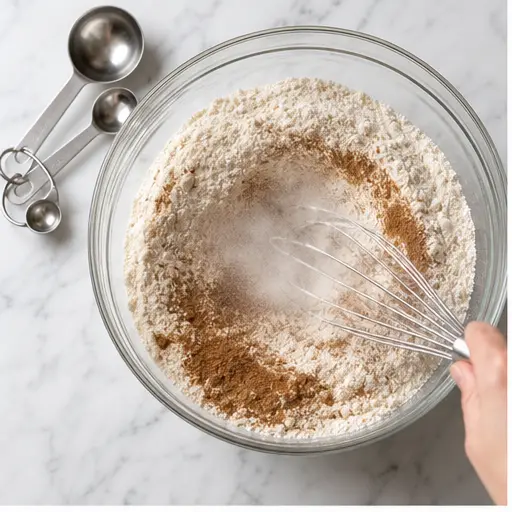
Preheat your oven to 350°F. Spray two 9-inch round cake pans with nonstick spray and line the bottoms with parchment paper. This is non-negotiable if you want clean release. In a large bowl, whisk together the flour, baking powder, baking soda, cinnamon, ginger, nutmeg, and salt. Whisking distributes the leavening agents and spices evenly. That’s exactly right.
Stage 2: Mix Wet Ingredients
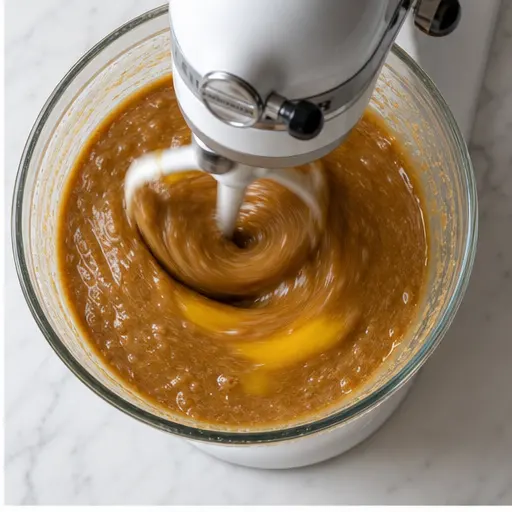
In another large bowl, whisk together the oil, eggs, brown sugar, granulated sugar, applesauce, and vanilla extract. Whisk until smooth and emulsified. The mixture should look glossy and uniform. Then stir in the grated carrots. The carrots should be well incorporated, but don’t overwork it.
Stage 3: Combine Wet and Dry
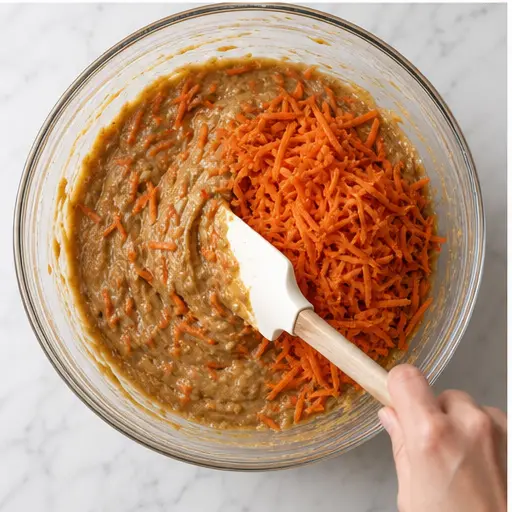
Pour the wet mixture into the dry ingredients. Fold with a rubber spatula or whisk until just combined. A few streaks of flour are okay. Overmixing is the enemy here. The batter will be thick and fragrant, with little flecks of orange carrot throughout.
Stage 4: Bake and Cool
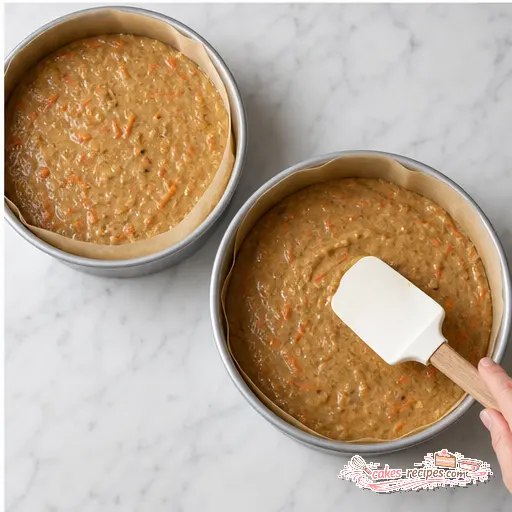
Divide the batter evenly between the prepared pans. Bake for 30 to 35 minutes. The tops should spring back when lightly touched, and a toothpick inserted in the center should come out clean. Let the cakes cool in the pans for 20 to 25 minutes, then invert onto a wire rack to cool completely. Do not rush this. Warm cake will melt your frosting into a sad puddle.
Cream Cheese Frosting Tips
This cream cheese frosting recipe is simple, but it requires attention to detail. The biggest mistake people make is using cream cheese spread from a tub. You need brick-style cream cheese. Spread has added water and stabilizers that make the frosting runny.
Both the cream cheese and the butter must be softened to room temperature. Cold cream cheese will leave lumps. Too soft, and the frosting will be loose. Aim for that sweet spot where the cream cheese yields to gentle pressure but still holds its shape.
Beat the cream cheese alone first until smooth. Then add the butter and beat for 30 seconds to a minute until creamy. Then add the powdered sugar and vanilla. Mix on low until incorporated, then increase to medium and beat until smooth and fluffy.
For cream cheese frosting stabilization, the key is the butter-to-cream-cheese ratio. We use equal parts by weight (8 ounces each). This creates a frosting that’s firm enough to pipe but still tastes tangy and fresh.
If your kitchen is hot, chill the frosting for 15 minutes before spreading. And always frost a completely cooled cake. I cannot stress this enough.
Baking Tips for Perfect Results
Let’s address some common mistakes and how to avoid them.
Troubleshooting Your Carrot Cake
❌ Mistake: Cake is too dense.
✅ Solution: You likely overmixed the batter. Fold gently until just combined. Also, check your baking powder and baking soda for freshness.
❌ Mistake: Cake is dry.
✅ Solution: Overbaking is the most likely cause. Check for doneness at 30 minutes. Also, make sure you’re using freshly grated carrots, not pre-shredded.
❌ Mistake: Frosting is runny.
✅ Solution: You used cream cheese spread instead of brick-style. Or your butter and cream cheese were too soft. Chill the frosting for 15 minutes before using.
❌ Mistake: Cake sticks to the pan.
✅ Solution: Always line the bottoms with parchment paper. Spray the pans well, including the sides.
❌ Mistake: Cake sinks in the middle.
✅ Solution: The oven door was opened too early. Wait until at least the 25-minute mark before checking. Also, make sure your oven is at the correct temperature.
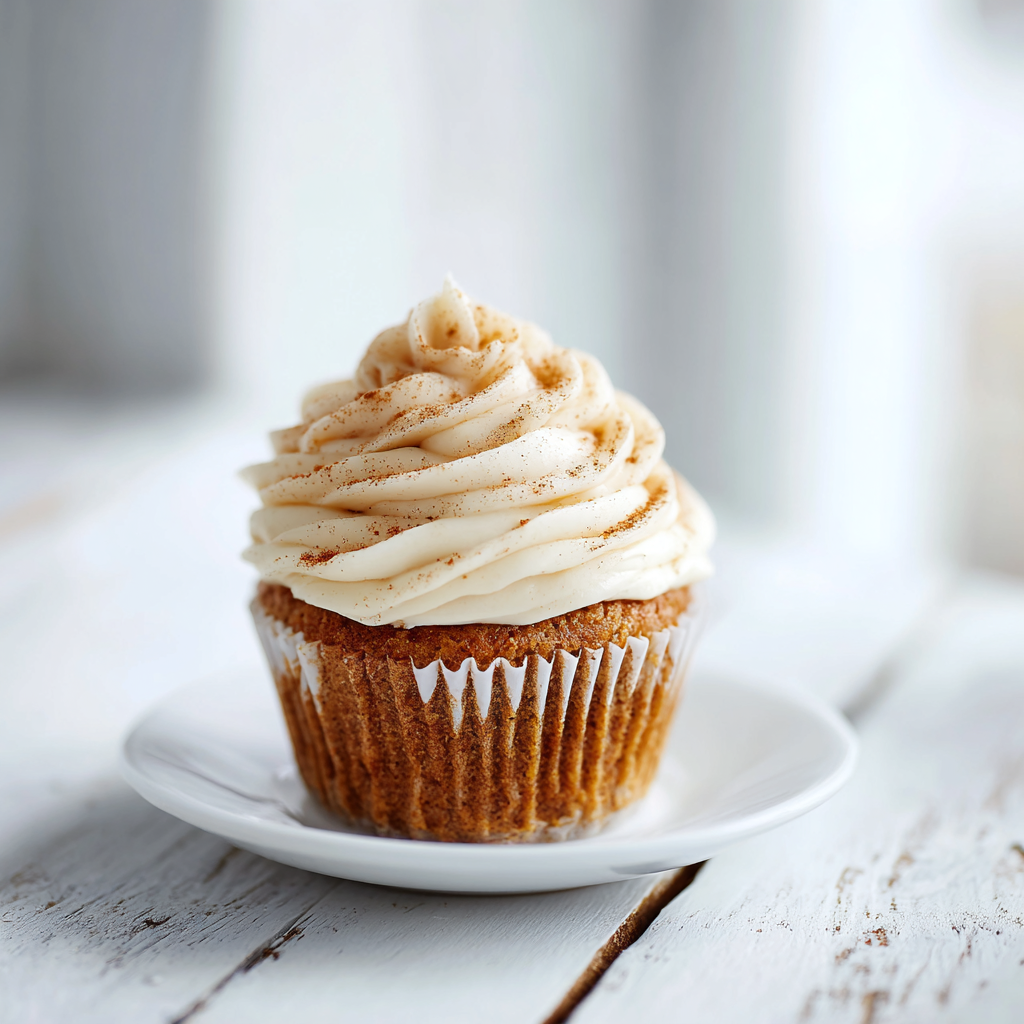
For 9×13 carrot cake, pour the batter into a greased 9×13-inch pan and bake at 350°F for 35 to 45 minutes. For bundt pan carrot cake, use a 10-12 cup bundt pan and bake for 55 to 75 minutes. For carrot cake cupcakes, fill liners 2/3 full and bake for 16 to 22 minutes (makes 24-28 cupcakes).
If you want to add optional mix-ins, now’s the time. You can fold in up to 1 cup of chopped walnuts or pecans, or 1/2 cup of raisins. These are completely optional. The cake is fantastic without them. If you want a carrot cake with pineapple, drain 1 cup of crushed pineapple well and fold it in with the carrots. It adds even more moisture.
Storage & Leftovers
Proper carrot cake storage is important, especially in summer. Because of the cream cheese frosting, this cake must be refrigerated. Store it in an airtight container in the fridge for up to 4 days.
For freezing carrot cake, you have options. You can freeze the unfrosted cake layers. Wrap each layer tightly in plastic wrap, then in aluminum foil. Freeze for up to 3 months. Thaw overnight in the fridge before frosting.
You can also freeze the frosting separately. Store it in an airtight container in the freezer for up to 3 months. Thaw in the fridge overnight, then re-whip briefly before using.
For frosted cake, you can freeze the entire assembled cake. Place it in the freezer unwrapped for about an hour until the frosting is firm. Then wrap it tightly in plastic wrap and foil. Freeze for up to 3 months. Thaw in the fridge overnight.
To serve, bring the cake to room temperature for about 30 minutes before slicing. This takes the chill off and allows the flavors to shine. I tend to prefer it slightly cool, but that’s subjective.
Conclusion
This cake will be the star of your summer table. Whether it’s a Fourth of July BBQ, a birthday party, or just a Sunday dinner with family, this carrot cake delivers every time. It’s the kind of dessert that people ask for by name. “Can you bring that carrot cake again?”
I’ve been making this recipe for years, and it never fails. The combination of warm spices, tender crumb, and tangy cream cheese frosting is timeless. It’s a classic for a reason.
If you make this cake, I’d love to hear about it. Drop a comment below or tag me on social media. And if you’re looking for more inspiration, check out my Pinterest board for even more baking ideas.
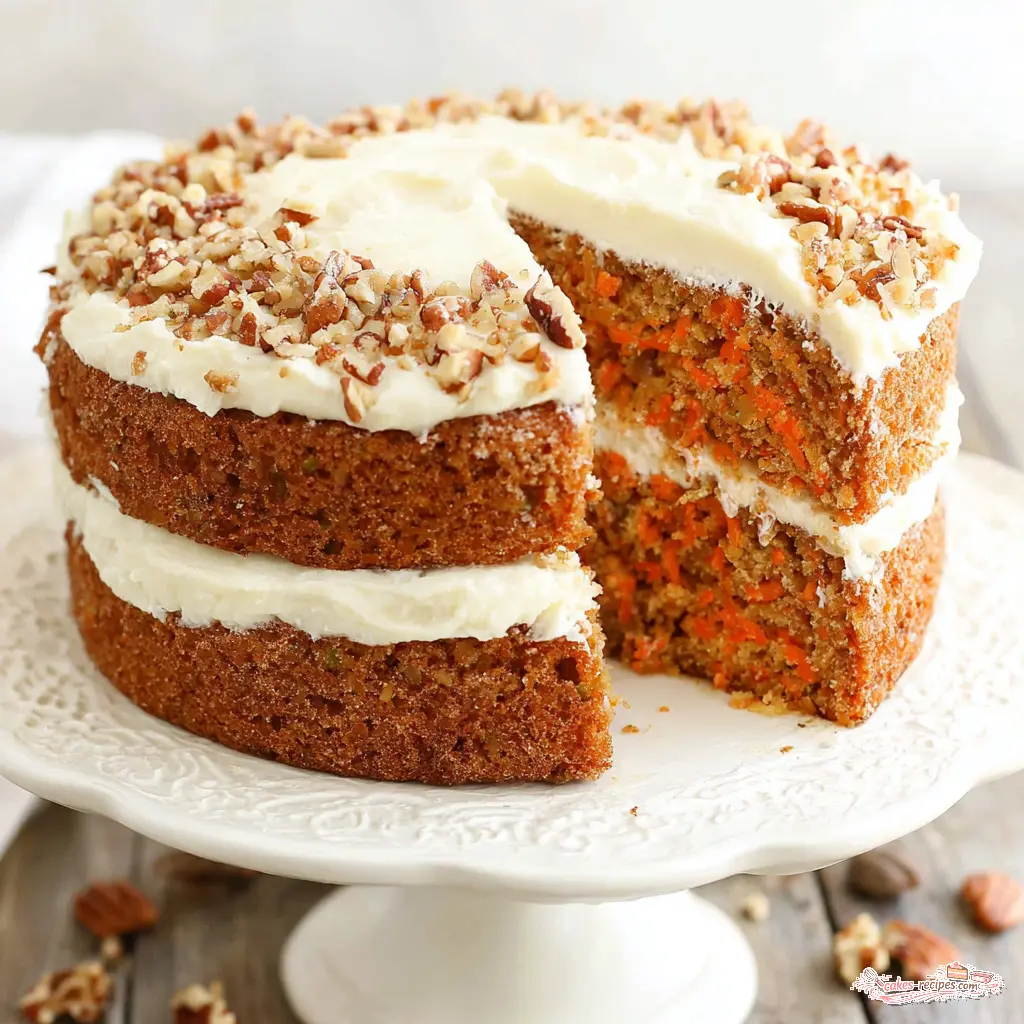
Classic California Carrot Cake with Cream Cheese Frosting
Ingredients
Method
- Preheat your oven to 350°F. Spray two 9-inch round cake pans with nonstick cooking spray, then line the bottoms with parchment paper circles. Set aside.
- In a large bowl, whisk together the flour, baking powder, baking soda, cinnamon, ginger, nutmeg, and salt until evenly combined. Set aside.
- In another large bowl, whisk together the oil, eggs, brown sugar, granulated sugar, applesauce, and vanilla extract until smooth. Stir in the grated carrots until well incorporated.
- Pour the wet mixture into the dry ingredients and fold with a rubber spatula or whisk until just combined. Be careful not to overmix.
- Divide the batter evenly between the prepared pans. Bake for 30 to 35 minutes, or until the tops spring back and a toothpick inserted in the center comes out clean.
- Transfer the pans to a wire rack and let the cakes cool in the pans for 20 to 25 minutes. Then invert onto the rack to cool completely.
- In the bowl of a stand mixer fitted with the paddle attachment (or using a hand mixer), beat the cream cheese on medium speed until smooth. Add the butter and beat for 30 seconds to 1 minute until creamy and well combined.
- Add the powdered sugar and vanilla extract, then mix on low speed until incorporated. Increase speed to medium and beat until smooth and fluffy, scraping down the sides as needed.
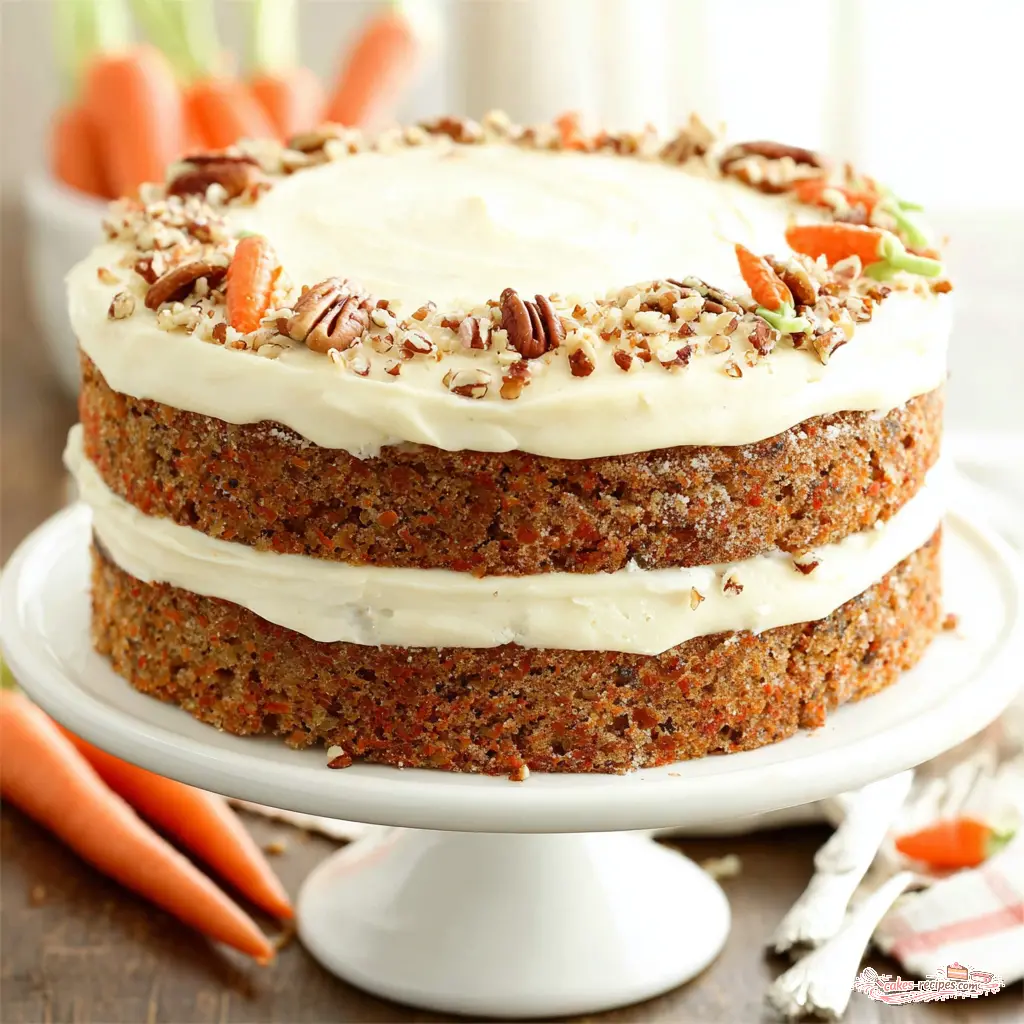
- Level the tops of the cooled cakes with a serrated knife or cake leveler. Place one layer on a cake stand, spread about 1/2 cup plus 1 tablespoon of frosting evenly over the top. Place the second layer on top, then use the remaining frosting to cover the top and sides. If desired, garnish with chopped pecans or toasted coconut.
Nutrition
Notes
Tried this recipe?
Let us know how it was!Frequently Asked Questions
Source: Nutritional Information