
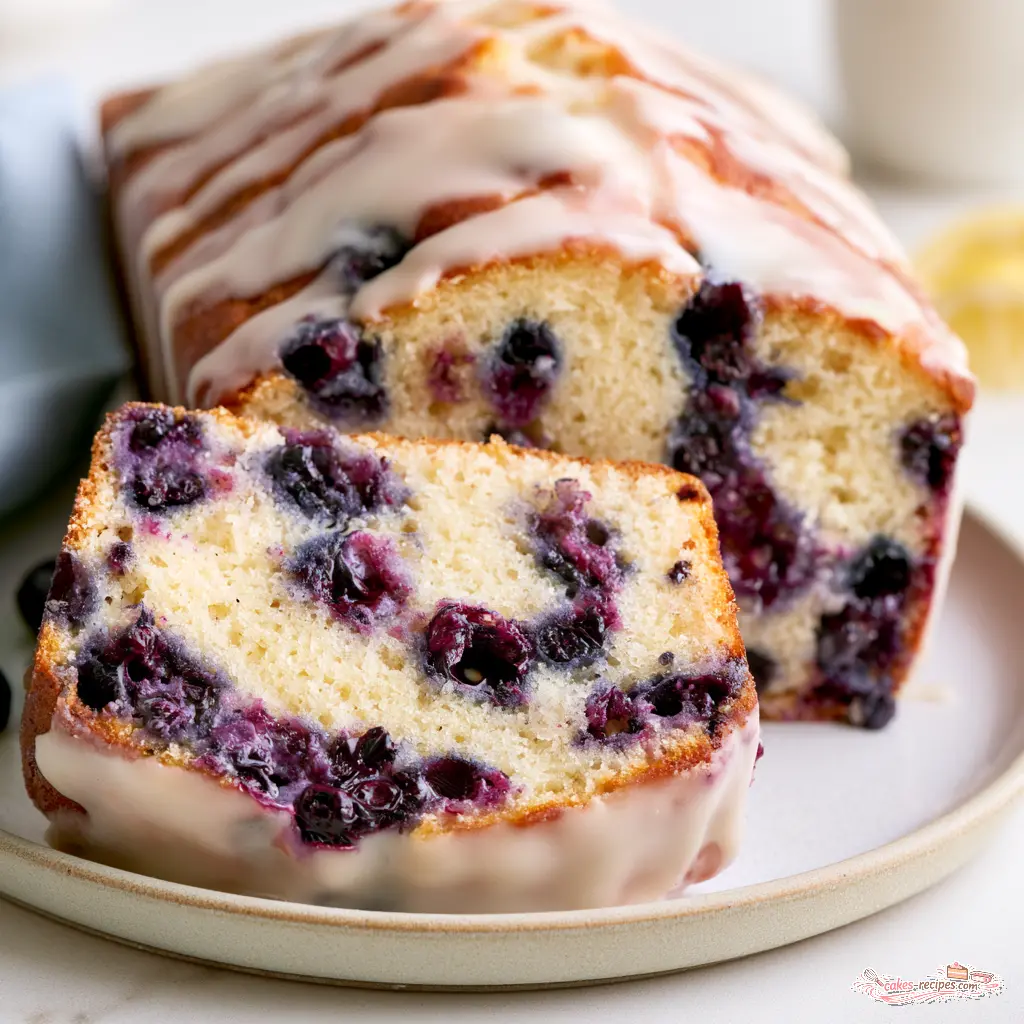
Meyer Lemon Blueberry Bread
Ingredients
Method
- Heat the oven to 350°F. Line a 9x5-inch loaf pan with parchment paper or lightly grease it with butter.
- In a medium bowl, whisk together the flour, baking powder, and salt until combined. Set aside.
- In a bowl of an electric mixer, beat the melted butter, sugar, eggs, vanilla, lemon zest, and lemon juice until smooth and well blended.
- With the mixer on low speed, add the flour mixture and milk alternately in two batches: half the flour, then half the milk, then the remaining flour, then remaining milk. Stop mixing as soon as the batter comes together.
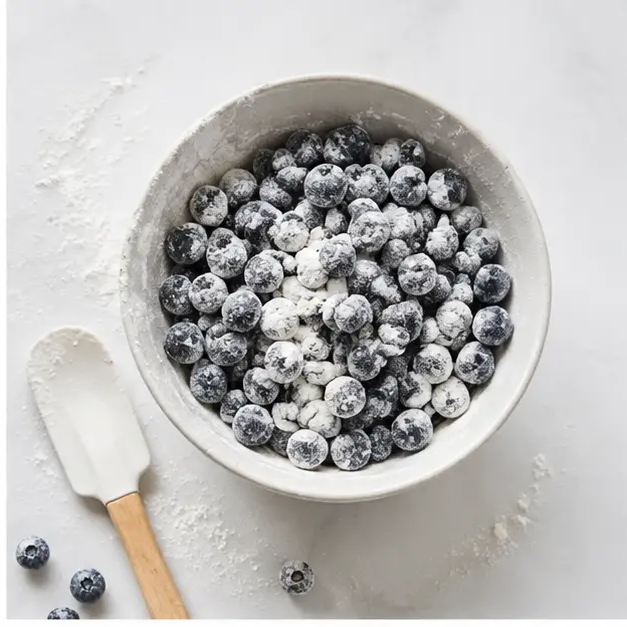
- If using fresh blueberries, rinse them and leave them slightly damp. In a small bowl, toss the berries with the 1 tablespoon of flour to coat them evenly; this helps keep them from sinking.
- Use a spatula to gently and quickly fold the floured blueberries into the batter by hand just until incorporated.
- Scrape the batter into the prepared pan immediately. Bake for 55 to 65 minutes, until a toothpick inserted in the center comes out clean. Let the loaf cool in the pan for 30 minutes, then transfer it to a wire rack set over a baking sheet.
- For the glaze, whisk together the melted butter, powdered sugar, lemon juice, and vanilla until smooth. Pour the glaze over the still-warm loaf and let it set for a few minutes before slicing.
Nutrition
Notes
Tried this recipe?
Let us know how it was!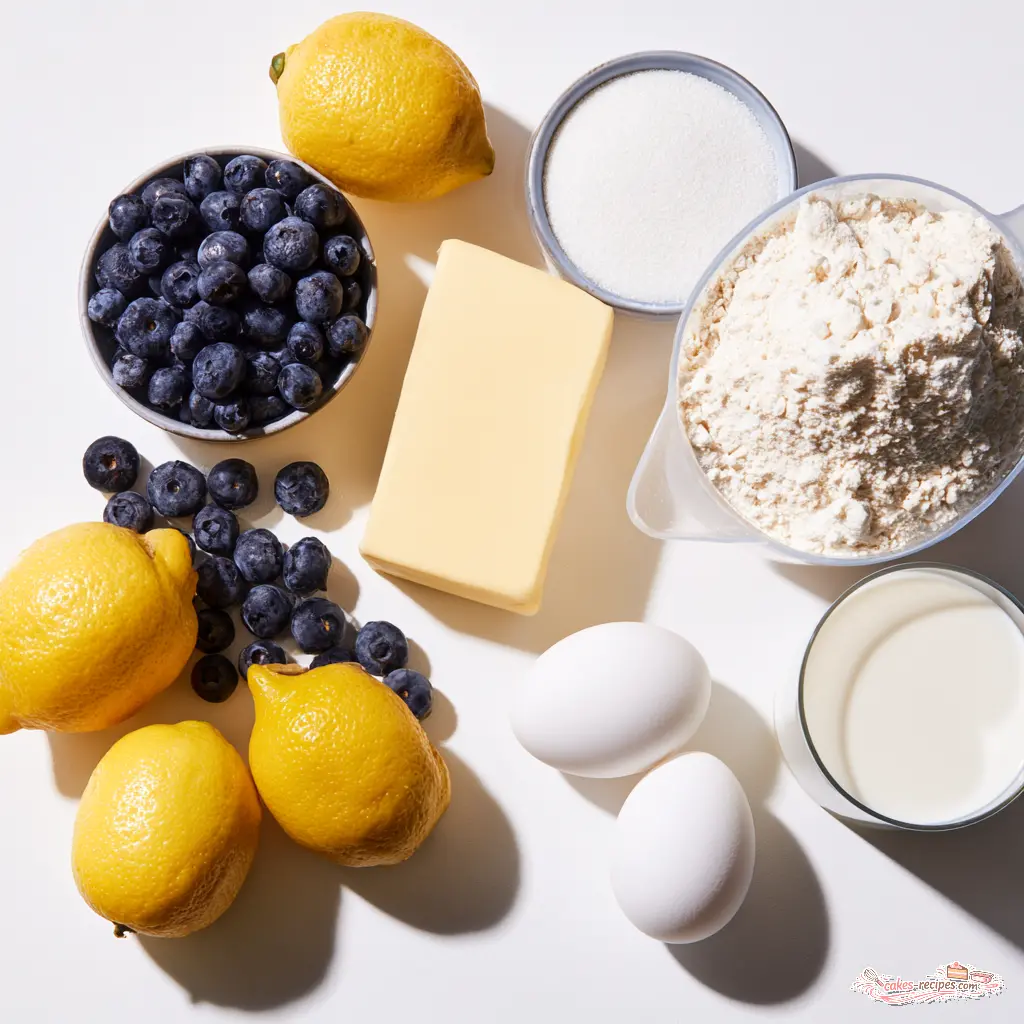
The Lemon Blueberry Bread That Ends the Sinking Struggle
There are exactly two kinds of people at a Labor Day cookout, and I’ve made peace with that. The ones who show up with something homemade like this lemon blueberry bread, and the ones who quietly wish they had.
Send the summer out the right way. This is the last great loaf of the season, and cool September mornings were basically invented for oven-warmed quick bread with coffee.
I say that as someone who’s been burned. Literally and figuratively. My first lemon blueberry loaf was a dense, dry brick that my sister still brings up at Sunday dinners. Then came the phase where every blueberry sank to the bottom, huddled together in a sad purple layer while the top half of the loaf was plain and dry.
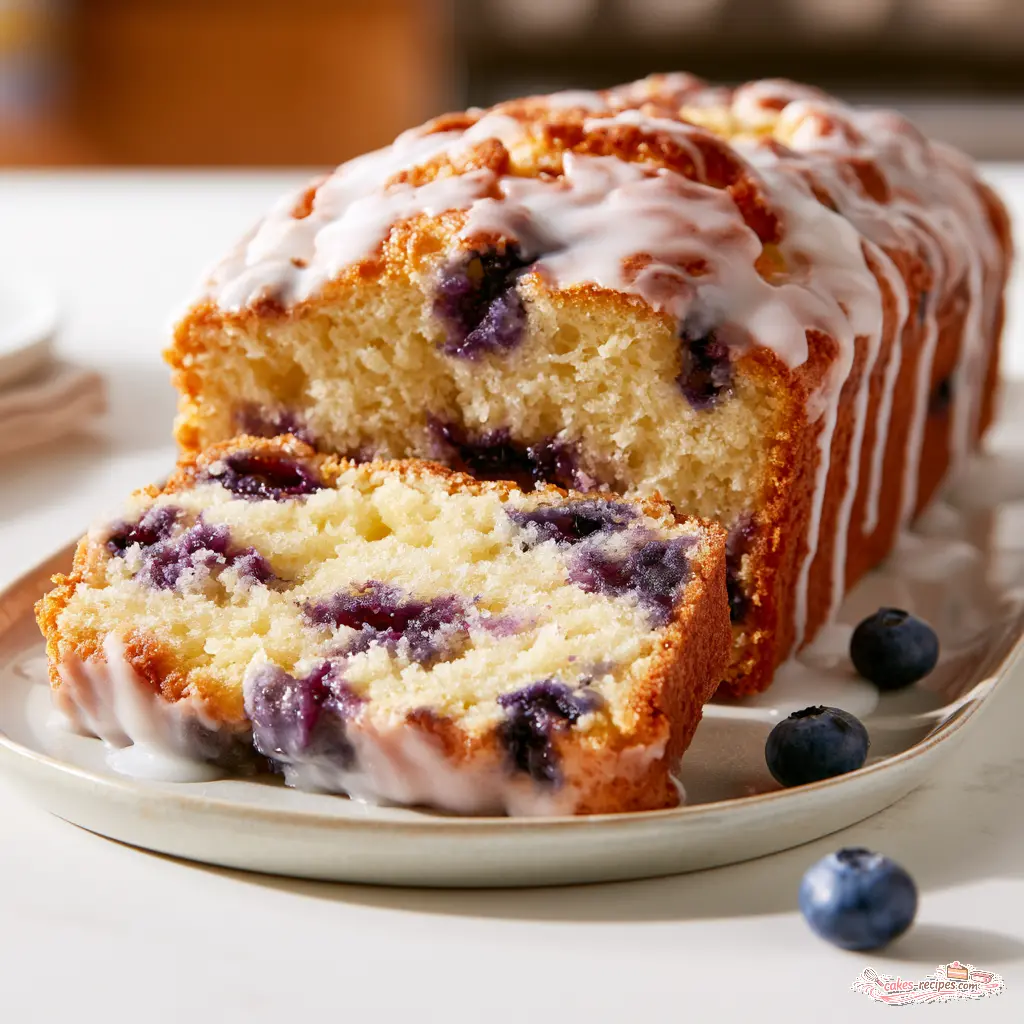
So I get it if you’re skeptical. This lemon blueberry bread recipe finally worked for me, and it’ll work for you too. It’s the kind of lemon blueberry quick bread that makes people hover around the cutting board. Moist crumbs, jammy pockets of fruit, bright lemon flavor from real zest, and a crackly glaze that makes it look bakery-made.

The Short Ingredient List for This Lemon Blueberry Loaf
The beauty of this lemon blueberry bread is that it’s a pantry recipe. Flour, baking powder, salt, butter, sugar, eggs, vanilla, milk, lemons, and blueberries. That’s the whole list, and you probably have most of it already.
Here’s what each one does, and why the small details matter more than you’d think. This is the stuff I wish someone had told me before my sister immortalized that first dry brick:
All-purpose flour. Measure it right, and I’m not being bossy about this for no reason. Scooping your measuring cup straight into the bag packs in way too much flour and gives you a dense, dry loaf. Fluff the flour, spoon it gently into the cup, and level it off with a knife. That one fifteen-second habit makes a bigger difference than any other step in this recipe.
Baking powder. Two full teaspoons, and yes, that’s intentional. It looks like a lot, but this is what gives the loaf its lift. Use less and you’ll get a sad, flat bread that never quite rises. I’ve made that mistake so you don’t have to.
Unsalted butter. If salted is all you have, just cut the added salt in half and go about your day. Nobody will know the difference.
Lemons. Zest them before you juice them. That’s non-negotiable, because a slippery naked lemon is miserable to zest. And here’s the real trick: rub the zest into the sugar with your fingertips until it smells like a lemon grove. That releases the essential oils and makes the lemon flavor ten times brighter than just tossing zest in with everything else.
Blueberries. Fresh or frozen both work beautifully. Toss them in a tablespoon of flour before folding them in, and whatever you do, do not thaw frozen berries first. Thawed berries bleed juice into the batter, which turns the whole loaf gray-purple and makes every single berry sink. Flour-coated berries, straight from the freezer, stay suspended right where you want them.
See? Not complicated. Just a few smart moves that make all the difference when the loaf comes out of the oven.
How to Make This Lemon Blueberry Loaf
Grab one bowl for the dry ingredients and another for the wet. Or, if you’re me, use the same bowl and just don’t tell anyone. Here’s the rhythm:
1. Get ready. Preheat the oven to 350°F and grease a 9×5-inch loaf pan. If you have a glass pan, use it glass conducts heat more gently than dark metal, so fruit quick breads bake evenly instead of browning on the outside while the middle lags behind.
2. Whisk the dry ingredients. Flour, baking powder, and salt in a bowl. Set it aside while you work on the wet stuff.
3. Cream the butter, sugar, and zest. This is where the magic starts. Beat the butter and sugar together for a good two minutes until light and fluffy, then add the lemon-sugar you made earlier. Add the eggs one at a time, then the vanilla and milk. Room-temperature eggs blend in more smoothly, so pull them out of the fridge when you preheat the oven.
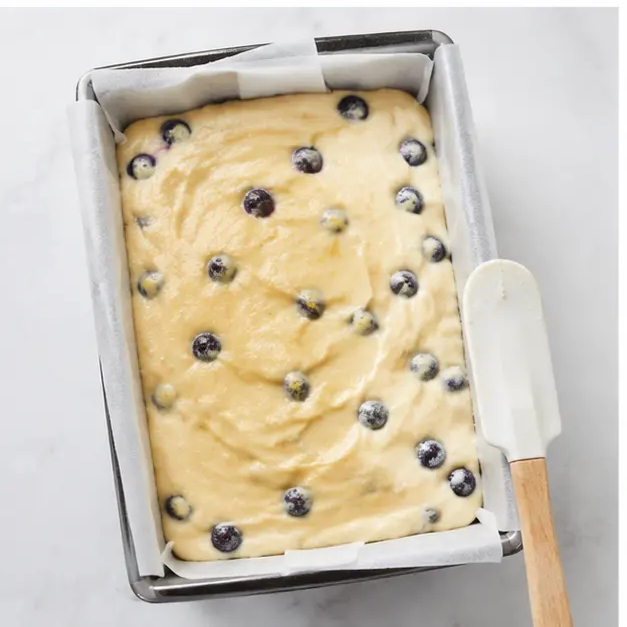
4. Fold in the blueberries. Sprinkle your flour-coated berries over the batter and fold gently with a spatula until just combined. A few streaks of flour are totally fine. Overmixing develops gluten, and gluten is the enemy of a tender crumb.
5. Bake. Pour the batter into the prepared pan and smooth the top. Bake for 50 to 60 minutes. If the top browns too quickly, tent it loosely with foil. You’ll know it’s done when a toothpick inserted in the center comes out with just a few moist crumbs clinging to it no gooey batter.
6. Cool, then glaze. Let the bread rest in the pan for 10 to 15 minutes, then transfer it to a wire rack. And here’s the part everyone gets impatient with: wait until it’s completely cool before glazing. Warm bread melts the glaze and turns it into a sticky, see-through mess. The recipe card has the full glaze measurements, but it’s just powdered sugar and fresh lemon juice whisked until smooth. Two minutes, tops.
Why This Lemon Blueberry Quick Bread Works
There’s a little bit of baking science behind why this loaf finally came out right. Understanding it makes you a better baker even when you’re not making this recipe.
The flour coating on the blueberries creates a thin barrier between the berries and the batter. That barrier helps them grip the batter and stay suspended as the loaf rises, instead of sinking into a sad purple layer at the bottom.
Not overmixing is a big deal because gluten develops the more you stir. Too much gluten means tough, dense bread. Stir until everything just comes together, then put the spatula down. Walk away if you have to.
Real lemon zest delivers fragrant oils that bottled juice simply can’t touch. Juice gives you acid; zest gives you perfume. That’s why rubbing the zest into the sugar matters you’re waking up those oils before they even hit the batter.
The glass pan is a quiet hero. Dark metal pans absorb heat fast, which over-browns the crust while the center is still raw. Glass heats more evenly, which is exactly what a fruit-heavy batter needs.

Variations and Substitutions
This lemon blueberry bread is friendly to improvisation, and I’ve tested enough variations to know which ones hold up:
Other berries. Raspberries, blackberries, or chopped strawberries all work beautifully. If you’re using strawberries, cut them into roughly 1/4-inch pieces so they don’t weigh down the batter.
Crumble topping instead of glaze. A simple streusel of flour, cold butter, and sugar sprinkled on top before baking gives you a bakery-style crunchy crust that’s hard to argue with. If you go this route, skip the glaze entirely.
Mini loaves. These make fantastic gifts. Divide the batter between small loaf pans and bake for 20 to 25 minutes, checking early since smaller pans bake faster.
Gluten-free. Use an equal amount of a good-quality 1:1 gluten-free flour blend. I’ve had excellent results with the standard blends just don’t skip the flour coating on the berries.
Dairy-free. Swap the butter for a plant-based butter alternative and the milk for oat or almond milk. The blueberries add enough moisture that the crumb stays tender.
Storage & Freezing
If this loaf lasts more than two days in your house, I honestly want to know how you did it. But if you do end up with leftovers, here’s the full picture:
Room temperature. Store in an airtight container for up to 3 days. This is the best way to keep the texture soft.
Refrigerator. Up to 5 days in an airtight container. Chilling can dry out quick breads slightly, but a quick 10-second microwave warm-up brings it right back.
Freezer. Wrap the completely cooled loaf without glaze in plastic wrap, then a layer of foil, and freeze for up to 3 to 4 months. Slice it before freezing if you want to pull out single servings. Thaw in the fridge overnight, or let a slice sit at room temperature for about an hour.
Make-ahead tip: Baking this the day before an event? Skip the glaze until the morning of. The unglazed loaf stays perfectly moist wrapped in plastic wrap overnight, and a fresh glaze makes it taste like you baked it that very morning.
Frequently Asked Questions
Can I use frozen blueberries?
Yes, and this is the question I get most often. Add them straight from the freezer do not thaw. Thawing releases juices that streak and discolor the batter and turn the bread a weird gray-purple. Toss them in flour while still frozen and fold them in.
Can I use dried blueberries?
You can, but the bread will be drier. Dried berries don’t carry the moisture that fresh or frozen ones do, so soak them in warm water or lemon juice for about 10 minutes, drain them well, then coat in flour before adding. You’ll lose some of that jammy pop, so I’d only go this route in a pinch.
Can I make this into muffins?
Absolutely. Divide the batter into a standard 12-cup muffin tin and bake at 350°F. Start checking at 15 minutes they’re typically done around 18 to 20. The flour-coated berry trick works for muffins too.
Why did my blueberries sink to the bottom?
Two usual culprits. Either the berries weren’t coated in flour, or the batter was too thin. The flour coating helps them grip the batter as the loaf rises. Also check that your baking powder is fresh old powder means less rise, which means berries have nowhere to go but down.
Does the bread really need the glaze?
No, and I say that honestly. The bread is genuinely wonderful on its own. But the glaze adds a bright, tangy lemon kick that makes it feel like something from a bakery case. If you skip it, add an extra teaspoon of lemon zest to the batter to keep the lemon flavor front and center.
Can I freeze the loaf with the glaze on?
It’s better without. The glaze softens and soaks into the crumb as it thaws, which turns the top sticky. Freeze unglazed, then whisk up a fresh batch of glaze on serving day. It takes two minutes and tastes noticeably better.
Expert Notes & Data Insights
I tested this lemon blueberry bread four separate times before I felt confident enough to hand the recipe over. A few patterns came out of that testing that are worth passing along.
First, flour measurement is the single most common variable between a moist crumb and a dry one. It was the culprit in more failed quick breads than butter quality, egg size, or even oven temperature. The spoon-and-level method costs fifteen extra seconds and saves you a whole disappointing loaf.
Second, the creaming step is not optional theater. Two full minutes of beating butter and sugar together adds air that builds the light, tender structure everyone wants from a quick bread. Rushing it is the fastest way to a flat, tight crumb.
Third, pan selection matters more than people think. In my testing, glass loaf pans produced noticeably more even browning and a better overall rise than dark metal pans. If you only own metal, tent the loaf with foil around the 30-minute mark and start checking for doneness a few minutes early.
And finally this is the data insight I love most this lemon blueberry quick bread actually improves overnight. The flavors meld, the crumb settles, and the lemon mellows into something deeper. If you can resist cutting into it the moment it cools, wrap it in plastic, wait a day, and taste the difference. I promise it’s worth it.
Now go make yourself some lemon blueberry bread. Your kitchen’s about to smell incredible, and this time, there won’t be a single sad blueberry at the bottom of the pan.
What does adding lemon do to blueberry bread?
Lemon is the perfect partner for blueberries in quick bread because it brightens the flavor and balances the berries’ natural sweetness with a touch of citrusy tang. The acid in lemon juice and the fragrant oils in the zest also add moisture and help activate the leavening agents, which gives the bread a tender, cake-like crumb. When using Meyer lemons, as in this recipe, you get a slightly sweeter, less acidic lemon flavor that lets the blueberries shine even more.
Is Pepperidge Farm lemon blueberry bread seasonal?
Pepperidge Farm’s lemon blueberry bread may be offered as a limited-time or seasonal flavor, often appearing in spring and summer when lemon and berry flavors are most popular. Availability can vary by store and region, so it’s best to check your local grocery store or the brand’s website. If you can’t find it, making your own lemon blueberry bread at home is easy and lets you enjoy it any time of year—plus you control the ingredients and sweetness.
Should you refrigerate lemon blueberry bread?
You can store lemon blueberry bread at room temperature in an airtight container for up to 3 days, and it will stay wonderfully soft and moist. For longer storage, refrigerate it in an airtight container for up to 5 days, especially if the bread has a lemon glaze that you want to keep from getting sticky. Let the bread cool completely and wrap it well before refrigerating. If you plan to keep it beyond 5 days or want it for later, freeze unglazed bread for up to 3–4 months.
Is lemon blueberry bread healthy?
This lemon blueberry bread is a healthier-than-average quick bread because it uses olive oil and Greek yogurt instead of butter, which adds moisture and protein while keeping the texture tender. Blueberries are rich in antioxidants, and lemon provides vitamin C, so every slice offers a little nutritional bonus. While it’s still a sweet treat with sugar and flour, you can easily lighten it up by using whole wheat pastry flour, reducing the sugar slightly, or swapping the glaze for a simple dusting of powdered sugar.
How do you make lemon blueberry bread?
To make this lemon blueberry bread, start by preheating your oven to 350°F and greasing a 9×5-inch loaf pan. Whisk together the dry ingredients—flour, baking powder, and salt—and toss the blueberries with a little flour to keep them from sinking. In a separate bowl, beat eggs, sugar, olive oil, Greek yogurt, lemon zest, lemon juice, and vanilla, then stir in the dry ingredients until just combined. Gently fold in the blueberries and pour the thick batter into the pan. Bake for 50–60 minutes, or until a toothpick inserted in the center comes out clean. Let the bread cool completely before adding the lemon glaze.
What ingredients are needed for lemon blueberry bread?
The key ingredients for this lemon blueberry bread are all-purpose flour, baking powder, salt, eggs, sugar, olive oil, Greek yogurt, fresh or frozen blueberries, and plenty of fresh lemon zest and juice. For the optional but delicious glaze, you’ll need powdered sugar and a bit more fresh lemon juice. That simple pantry list comes together into a moist, tender quick bread that’s perfect for breakfast, brunch, or dessert. You can also swap in sour cream for the Greek yogurt or use frozen blueberries straight from the freezer without thawing.
How long does lemon blueberry bread last?
Lemon blueberry bread stays fresh at room temperature for up to 3 days when stored in an airtight container, and it will keep in the refrigerator for up to 5 days. If you want to keep it longer, freeze the unglazed bread for up to 3–4 months—just wrap it tightly in plastic wrap and foil, or place slices in a freezer-safe bag. Thaw in the refrigerator overnight or pop individual slices in the microwave for about 30 seconds when you’re ready to enjoy a warm piece.






4 Responses
Good flavor, but my loaf took almost 20 extra minutes in the oven and still felt a bit gummy in the middle. Maybe my oven runs cool, but I’d suggest checking with a thermometer next time.
This lemon blueberry bread turned out so moist and the glaze is perfection! I used frozen berries and they didn’t sink at all. Do you think I could swap the walnuts for pecans or just leave them out entirely?
So glad it worked with frozen berries! And yes, pecans would be lovely here, or omit them altogether — the bread will still be delicious.
I’ve tried a dozen lemon blueberry bread recipes and this is the first one that actually kept the berries evenly distributed. The lemon zest level is just right — bright but not tart. My whole family devoured it in one morning!