
Why You’ll Love These Einkorn Peanut Butter Cookies
The first time I tried making einkorn peanut butter cookies, they came out like little rocks. I’m not exaggerating. I was so excited about using this ancient grain, thinking it’d be a simple one-for-one swap with all-purpose flour. Spoiler: it’s not. That first batch crumbled apart when I tried to pick them up. My niece, who’s seven and has shockingly good taste for a kid, took one bite and said, “Uncle Marcus, these taste like brown.” She wasn’t wrong.
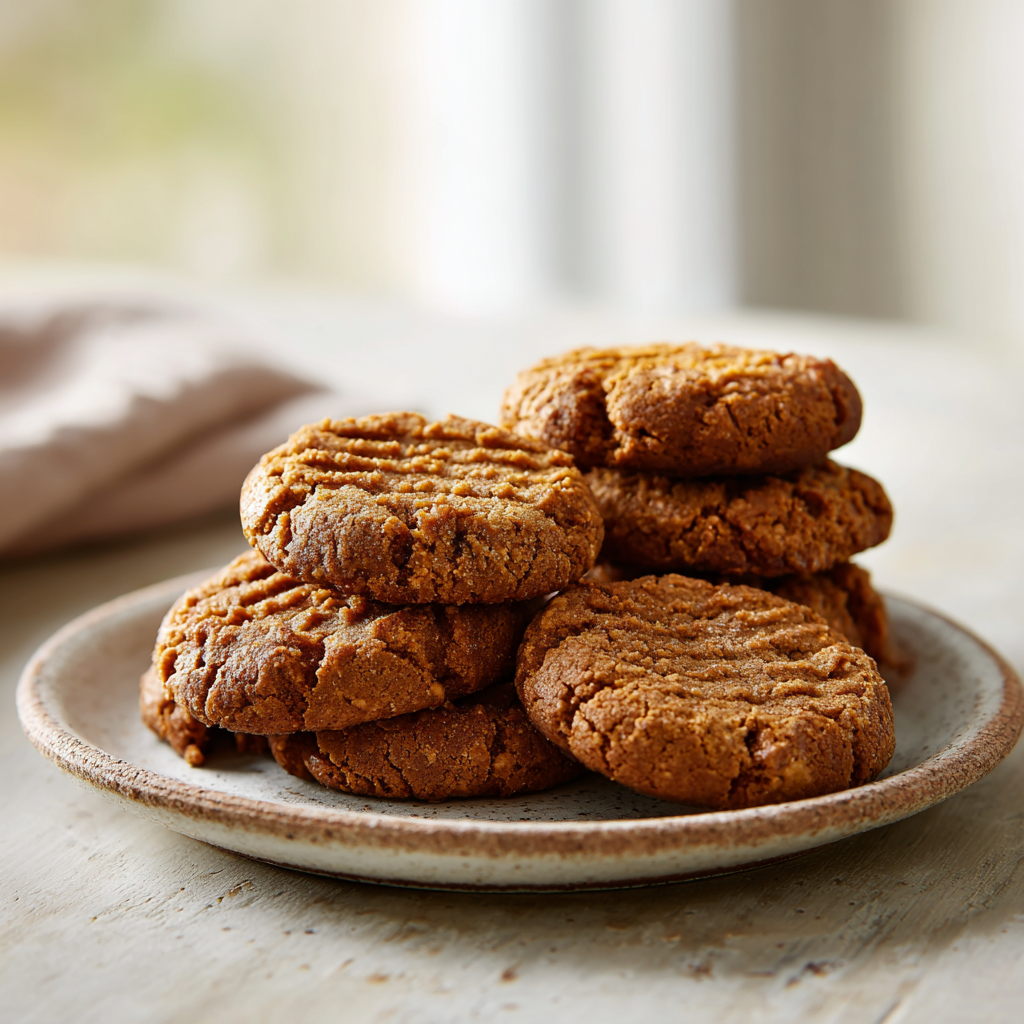
But I’m stubborn. I went back to the drawing board, tested different ratios, and figured out how einkorn actually works in cookies. And now? These einkorn peanut butter cookies are my go-to. They’re soft in the center, have those slightly crisp edges you want, and they actually hold together. That’s the result you want.
Here’s the thing about einkorn. It’s like the shy kid at the party it doesn’t like to mix too much. Treat it gently, and it’ll reward you with a cookie that has a subtle nutty sweetness and a tender crumb that modern wheat just can’t replicate. Plus, you get the nutritional benefits of an ancient grain. Fair point, though I know some of you are skeptical about whether einkorn is just a fad. Let me put that to rest: it’s been around for thousands of years, so it’s hardly a trend.
So if you’ve had disappointing results with einkorn baking before, I see what you mean. It’s frustrating. But these cookies are the recipe that changed my mind. Let me show you how to get them right.
What Einkorn Flour Should I Use for Baking Cookies?
This is the first question I get whenever I talk about einkorn peanut butter cookies. And it matters. Einkorn flour isn’t the same as modern all-purpose flour. It has a lower gluten content we’re talking about 20% less than standard wheat. That changes everything about how your dough behaves.
For this recipe, you want all-purpose einkorn flour. That’s the finely ground version you can buy from brands like Jovial or from smaller mills online. I’ve tested this with both store-bought and freshly milled einkorn, and both work. But there’s a catch with fresh-milled: it tends to be a bit more absorbent. So if you’re using freshly milled flour, you might need to add a tablespoon of milk to get the right dough consistency.
Here’s what I’ve learned about einkorn vs modern wheat in baking:
- Less gluten means less structure your cookies won’t spread as much, which is actually a good thing for thick, soft cookies.
- It absorbs liquid differently einkorn is thirsty. You’ll notice the dough feels drier than a standard peanut butter cookie dough. Don’t panic.
- It bakes faster because it’s more delicate, you’ll want to pull these out of the oven when the edges are just golden, even if the centers look slightly underdone.
Worth considering: if you’ve only ever baked with modern all-purpose flour, your instincts will be wrong with einkorn. That’s normal. I’ve made that mistake plenty of times. The key is to trust the recipe and look for visual doneness cues, not time cues.
Where to buy einkorn flour? Your best bet is a specialty grocery store like Whole Foods, or order online from Jovial Foods or Azure Standard. I’ve also seen it at some local farmers’ markets here in Chicago, which feels right buying ancient grains from a local source just makes sense.
Ingredients for Einkorn Peanut Butter Cookies
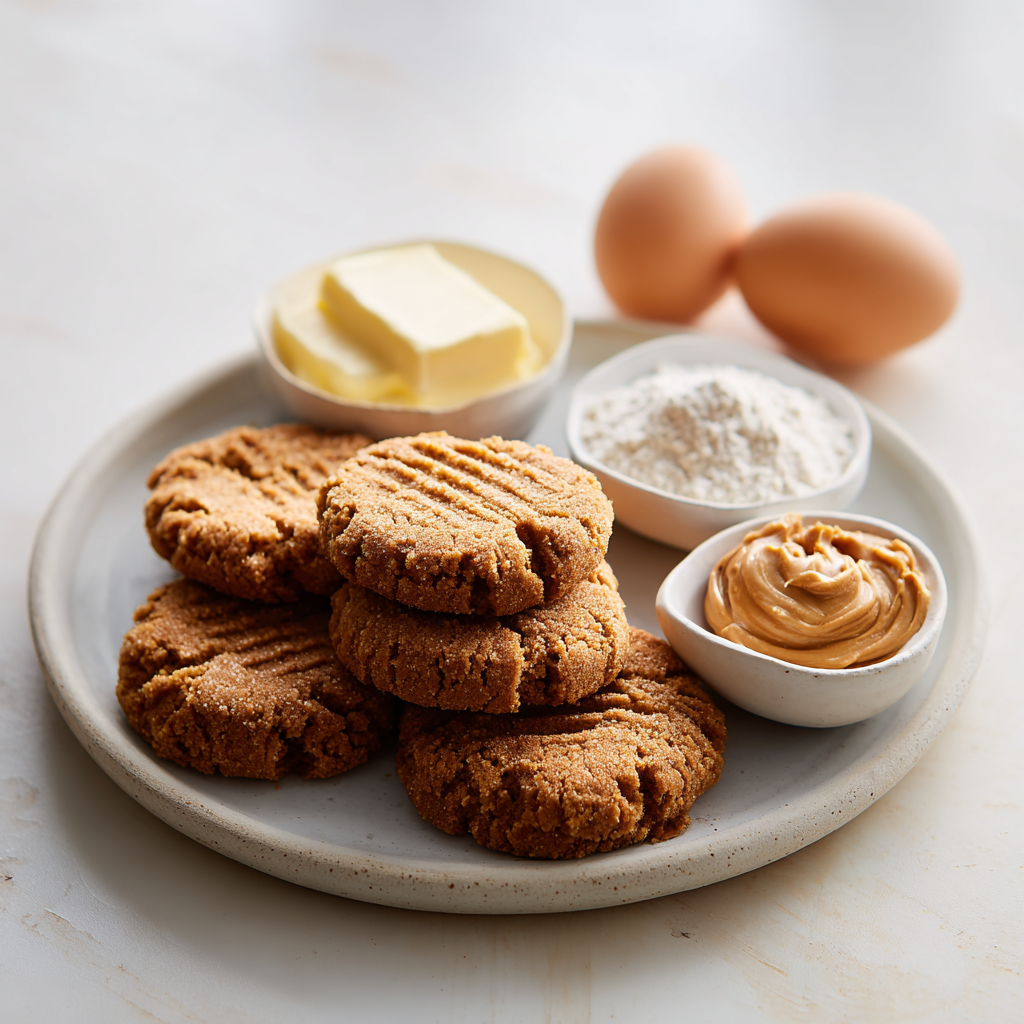
Let’s talk about what goes into these. The ingredient list is short, and that’s by design. Each component plays a specific role, and I’ve tested enough bad batches to know what happens when you mess with them.
The butter situation. You need unsalted butter at room temperature. Not melted, not cold. Room temperature. This is non-negotiable. If your butter is cold, it won’t cream properly with the sugars, and you’ll end up with dense cookies that don’t spread. I usually pull my butter out about an hour before I start baking. That tracks with most of my baking routine.
The sugar blend. I use a mix of coconut sugar and granulated sugar. The coconut sugar adds a subtle caramel-like depth that pairs beautifully with the peanut butter. But it’s not as sweet as white sugar, so the granulated sugar balances it out. If you want to use all granulated sugar, you can but the cookies will be a bit sweeter and slightly less complex in flavor.
The peanut butter. Here’s where people get nervous. Natural peanut butter or the processed stuff? I’ve tested both. For these einkorn peanut butter cookies, I actually prefer a standard creamy peanut butter like Skippy or Jif. Why? Natural peanut butter tends to separate, and the oil can make the cookies greasy. If you use natural, make sure you stir it really well and maybe add a tablespoon of flour to compensate. But honestly, the regular stuff works perfectly here. That’s the best peanut butter for cookies in this specific recipe.
The einkorn flour. Two cups, spooned and leveled. Don’t scoop directly from the bag you’ll pack it down and end up with too much flour. Spoon it into your measuring cup, then level it off with a knife. This is one of those einkorn flour baking tips that actually matters.
Quick note on the eggs: room temperature. Same reason as the butter. Cold eggs will seize up the butter and you’ll get a lumpy dough. I set my eggs out with the butter an hour beforehand.
Step-by-Step Instructions
Alright, let’s walk through this. I’m going to break it into stages so you can see the progression. This is where the magic happens.
Stage 1: Cream the Butter and Sugars
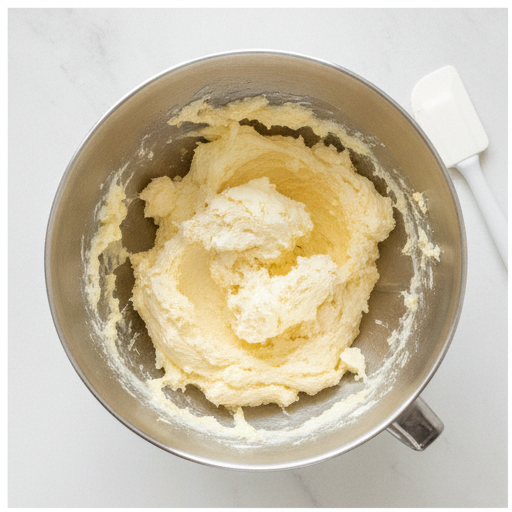
Start by creaming your room-temperature butter with the coconut sugar and granulated sugar. Use a stand mixer with the paddle attachment if you have one. You’re looking for a smooth, well-combined mixture about 1 to 2 minutes. It should look lighter in color and a bit fluffy. This is where you’re building the foundation for a soft cookie.
Don’t rush this step. If you under-cream, your cookies won’t have that tender texture. If you over-cream, you’ll incorporate too much air and they’ll spread too much. Stop when it looks uniform and slightly pale.
Stage 2: Add the Eggs and Peanut Butter
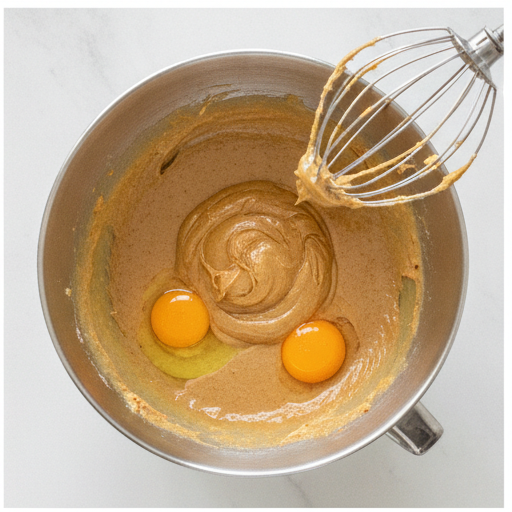
Add your room-temperature eggs and the peanut butter. Mix until fully incorporated. You’ll need to scrape down the sides of the bowl at least once things tend to accumulate there. The mixture will look a bit like a thick, tan batter. It should smell amazing at this point. That peanut butter aroma? That’s exactly what you want.
If your dough looks slightly separated or greasy here, it’s probably because your eggs or butter were too cold. That’s fixable just keep mixing for another 30 seconds and it’ll come together.
Stage 3: Mix in the Dry Ingredients
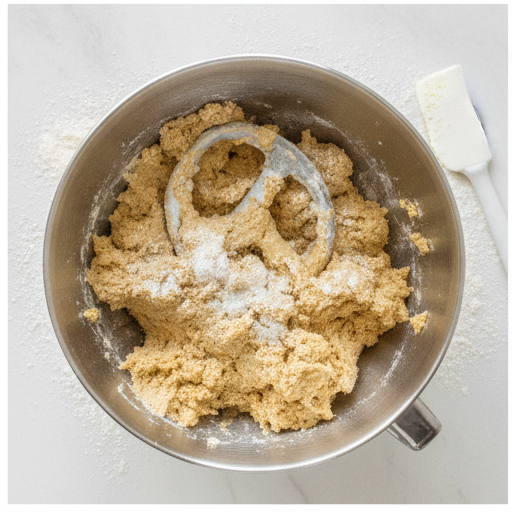
Add the einkorn flour, baking soda, baking powder, and salt. Mix just until combined. This is critical. Overmixing einkorn flour is the fastest way to dense, tough cookies. Remember, einkorn is delicate. You want to stop as soon as the flour disappears into the dough. A few streaks are fine.
The dough will feel different from what you’re used to. It’s a bit softer, almost like a soft play-dough. If it seems too sticky, chill it for 15 minutes. If it seems too dry, add a tablespoon of milk. That’s the einkorn cookie dough consistency you’re looking for pliable but not sticky.
Stage 4: Shape and Bake
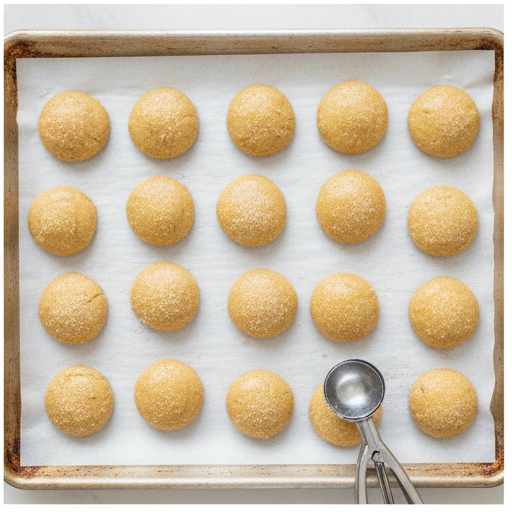
Use a large cookie scoop about 3.2 tablespoons to portion the dough. Roll each ball in granulated sugar, then place them on a parchment-lined baking sheet about 2 to 3 inches apart. Gently flatten each cookie with a fork to create that classic crisscross pattern. This isn’t just for looks; it helps the cookies bake evenly.
Bake at 350°F for 12 to 14 minutes. The edges should be golden and the centers should look set but still soft. Don’t wait for them to look fully done in the oven they’ll continue baking from the residual heat on the sheet. Let them cool on the baking sheet for 5 minutes before transferring to a wire rack.
This recipe makes 12 large bakery-style cookies. If you want smaller cookies, adjust the size and baking time accordingly. But honestly, the big ones are more impressive.
FAQs and Helpful Tips for the Best Cookies
I’ve been making these einkorn peanut butter cookies for a while now, and I’ve collected a few common questions. Let me address them.
One more thing if your cookies are spreading too much, your dough was probably too warm. Chill it for 20 minutes before baking. If they’re too dry, you might have overbaked or used too much flour. Spoon and level next time.
How to Store and Freeze Einkorn Peanut Butter Cookies
Einkorn baked goods have a reputation for drying out faster than their modern wheat counterparts. That’s true, but it’s manageable. Here’s what I do.
Room temperature storage. Keep them in an airtight container. I use a glass cookie jar with a tight lid. They’ll stay fresh for about 5 days. To maintain softness, add a slice of sandwich bread to the container the cookies will absorb the moisture from the bread. Replace the bread every couple of days if you’re storing them that long.
Freezing baked cookies. Let them cool completely, then layer them in a freezer-safe container with parchment paper between layers. They’ll keep for up to 3 months. To serve, let them thaw at room temperature for about 30 minutes. You can also pop them in a 300°F oven for 5 minutes to refresh the texture.
Freezing the dough. This is my preferred method. Scoop the dough into balls, roll them in sugar, and place them on a parchment-lined sheet pan. Freeze until solid, then transfer to a freezer bag. When you’re ready to bake, just add 1 to 2 minutes to the baking time. No need to thaw. This is perfect for summer picnics or 4th of July dessert ideas when you want fresh cookies without the last-minute rush.
Try These Other Einkorn Flour Recipes
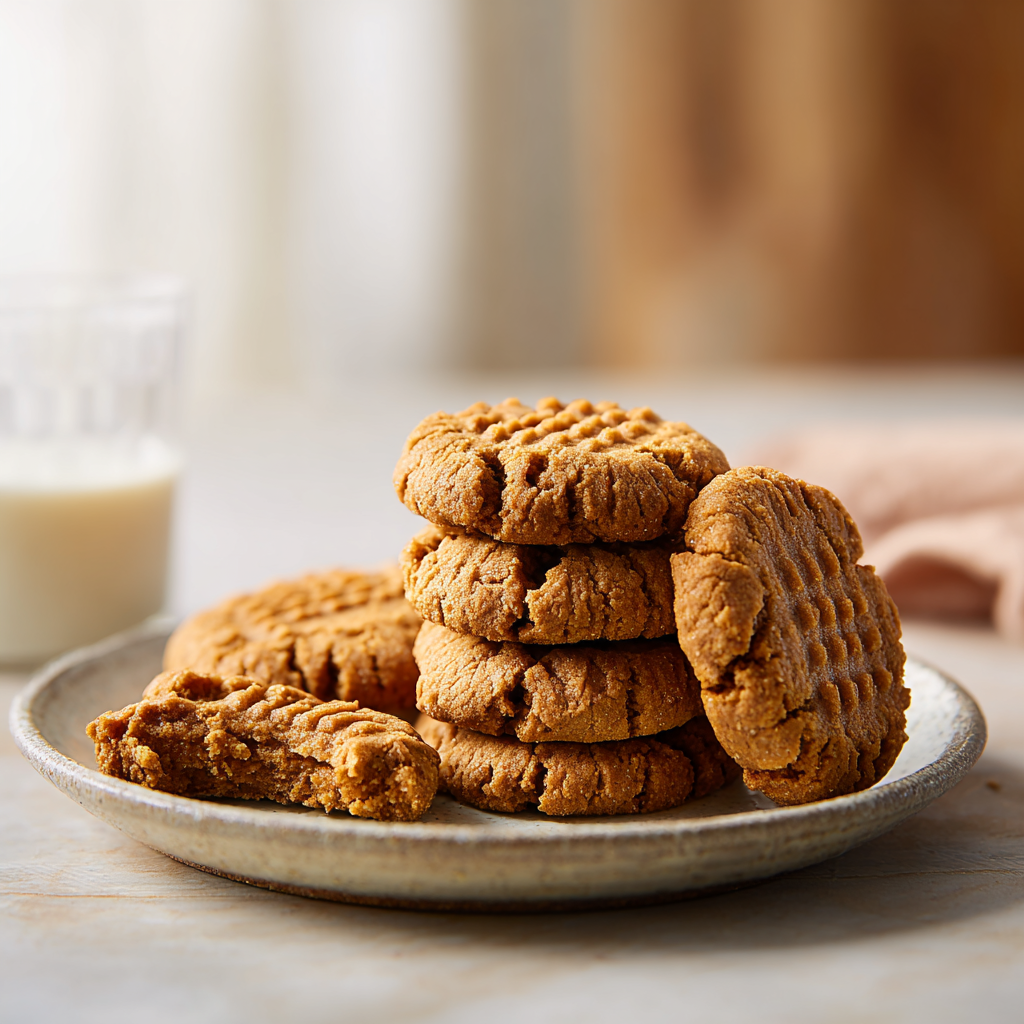
Once you’ve mastered these einkorn peanut butter cookies, you’ll want to experiment more. Einkorn is surprisingly versatile. Some of my other favorites include einkorn chocolate chip cookies (same principles apply gentle mixing, slightly lower bake time) and einkorn banana bread. The key takeaways from this recipe apply across the board: treat the dough gently, don’t overmix, and watch your bake times carefully.
I’ve also been experimenting with einkorn pie crusts for summer desserts. That’s a work in progress, but the initial results are promising. The nutty flavor of einkorn actually works beautifully with fruit fillings.
If you’re looking for more inspiration, check out my Pinterest board where I pin all my tested einkorn recipes. I’m always adding new finds, and I’d love for you to share your successes there too.
When you make these einkorn peanut butter cookies, tag me so I can share your success. There’s nothing better than seeing someone nail a recipe that took me so many tries to get right. Trust me on this once you get the hang of einkorn, you’ll wonder why you ever used modern flour for cookies.
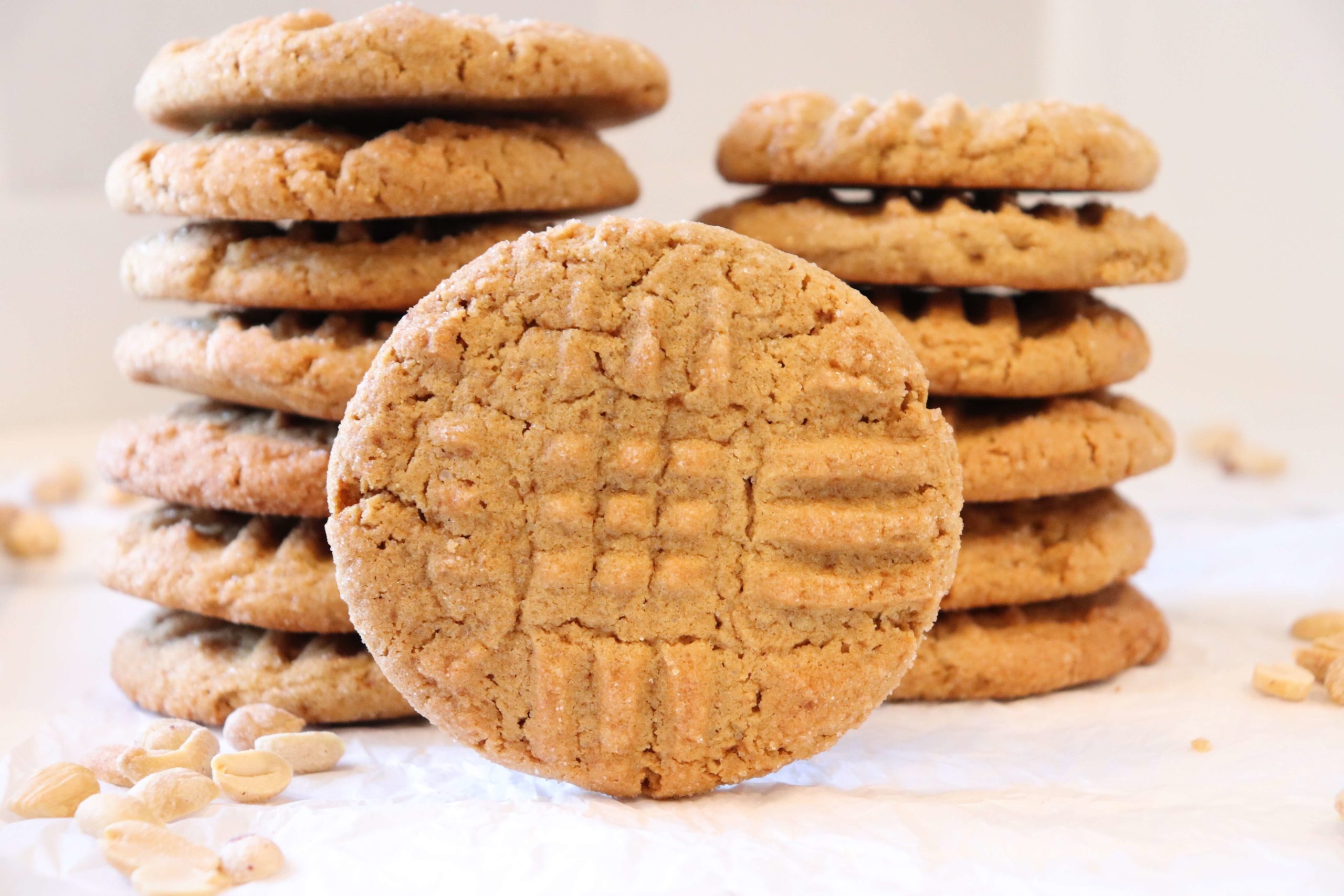
Classic Einkorn Peanut Butter Cookies
Ingredients
Method
- Line a large baking sheet with parchment paper and preheat your oven to 350 degrees Fahrenheit.
- In a stand mixer fitted with the paddle attachment, cream together the room-temperature butter, coconut sugar, and granulated sugar until smooth and well combined, about 1 to 2 minutes.
- Add the room-temperature eggs and peanut butter, then mix until fully incorporated. Scrape down the sides of the bowl as needed.
- Add the einkorn flour, baking soda, baking powder, and salt. Mix just until combined; be careful not to overmix.
- Using a large cookie scoop (about 3.2 tablespoons), scoop the dough into balls. Roll each ball in granulated sugar, then place them on the prepared baking sheet about 2 to 3 inches apart. Gently flatten each cookie with a fork to create a crisscross pattern.
- Bake in the preheated oven for 12 to 14 minutes, until the edges are golden and the centers are set. This recipe makes 12 large bakery-style cookies; for smaller cookies, adjust the size and baking time accordingly.
Nutrition
Notes
Tried this recipe?
Let us know how it was!Source: Nutritional Information
What makes einkorn peanut butter cookies different from regular peanut butter cookies?
Einkorn has lower gluten than modern wheat, so these cookies are naturally softer and more tender. They also have a subtle nutty flavor that regular flour doesn’t offer. The dough is less elastic, which means the cookies hold their shape better and don’t spread as much. That’s why they stay thick and chewy.
Can I substitute coconut sugar with regular sugar in einkorn peanut butter cookies?
Yes, you can use all granulated sugar. Just swap the 1/2 cup coconut sugar for another 1/2 cup granulated. The cookies will be a bit sweeter and won’t have that caramel depth, but they’ll still work. I’ve done it when I ran out of coconut sugar, and they turned out fine. Just slightly different flavor profile.
How do I achieve soft and chewy einkorn peanut butter cookies?
The secret is not overbaking. Pull them at 12 minutes when the edges are golden but the centers still look soft. They’ll set as they cool. Also, make sure your butter and eggs are at room temperature, and don’t overmix the dough. Einkorn is delicate, so gentle handling is key. Chilling the dough for 15 minutes helps too.
What is the best way to store einkorn peanut butter cookies?
Store them in an airtight container at room temperature for up to 5 days. Einkorn baked goods dry out faster than regular ones, so I recommend adding a slice of bread to the container to keep them soft. For longer storage, freeze the baked cookies in a freezer bag for up to 3 months. Thaw at room temperature for about 30 minutes.
How does einkorn flour affect the texture of peanut butter cookies?
Einkorn’s low gluten content means the cookies are more tender and less chewy than traditional versions. They have a finer crumb and a slightly denser texture. The cookies also spread less, so you get thicker, bakery-style results. That’s actually a benefit if you prefer soft, substantial cookies over thin, crispy ones.


3 Responses
I tried these with brown sugar since I didn’t have coconut sugar, and they came out perfectly soft and chewy! The einkorn really does give a nice nutty flavor. My kids devoured them in two days. Do you think I could sub almond butter for the peanut butter?
So glad they worked with brown sugar! For almond butter, you can try it, but expect a slightly drier texture since almond butter has less fat. You might need to add an extra tablespoon of butter to compensate.
Honestly, I was skeptical about einkorn after a few failed attempts, but this recipe finally worked for me. The trick about not overmixing was key. Only complaint is mine spread a bit too much—could be my butter was too soft. Still tasty though!