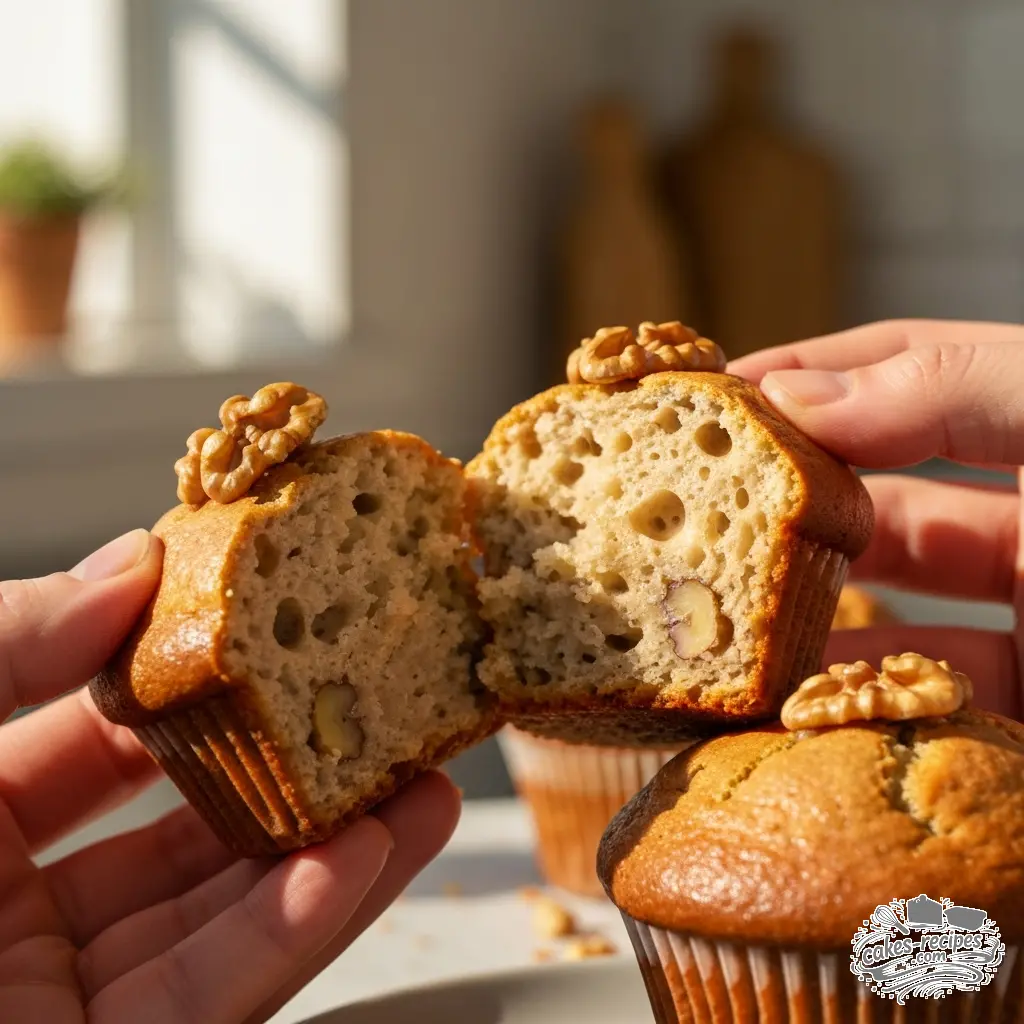
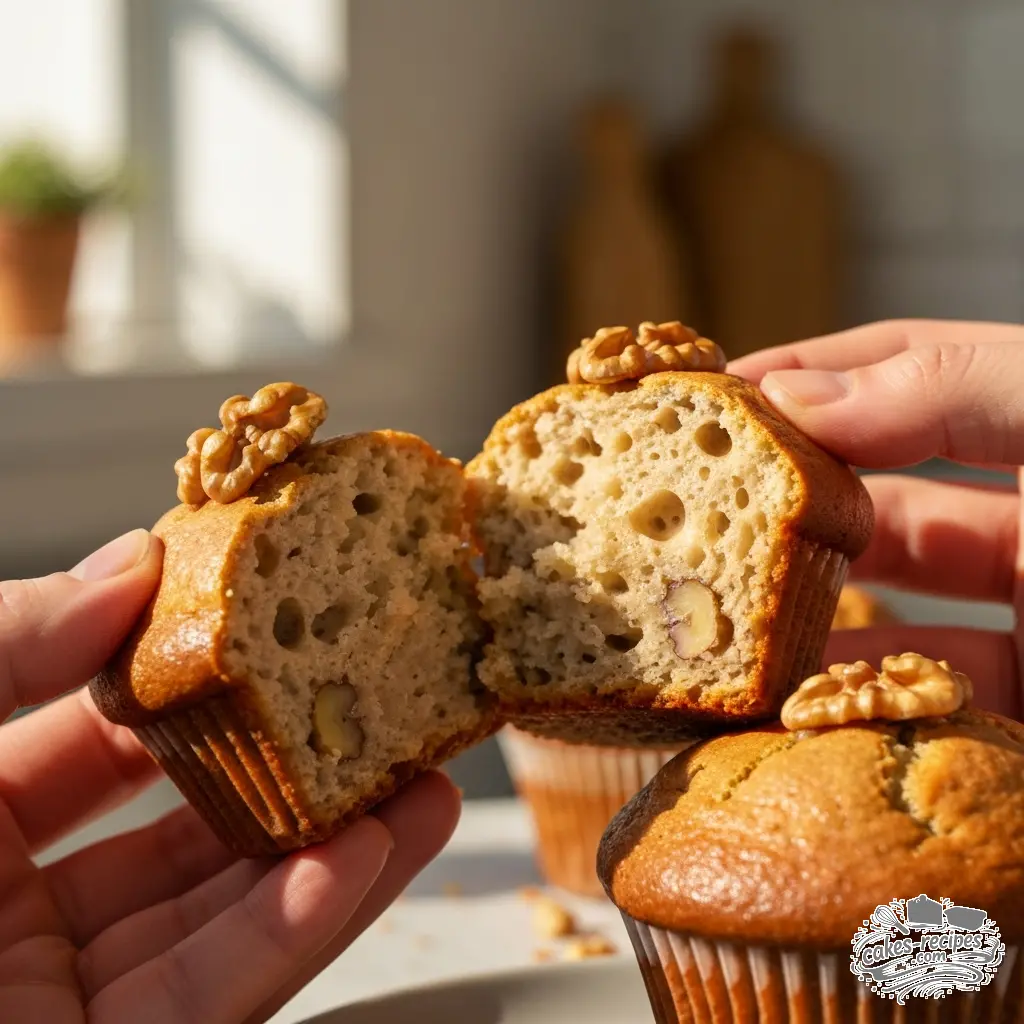
Bake Banana Walnut Muffins Vegan for Your Bakery Texture
Ingredients
Method
- Heat the oven to 400 degrees Fahrenheit. Arrange paper liners in a standard muffin pan and apply a light coating of oil spray.
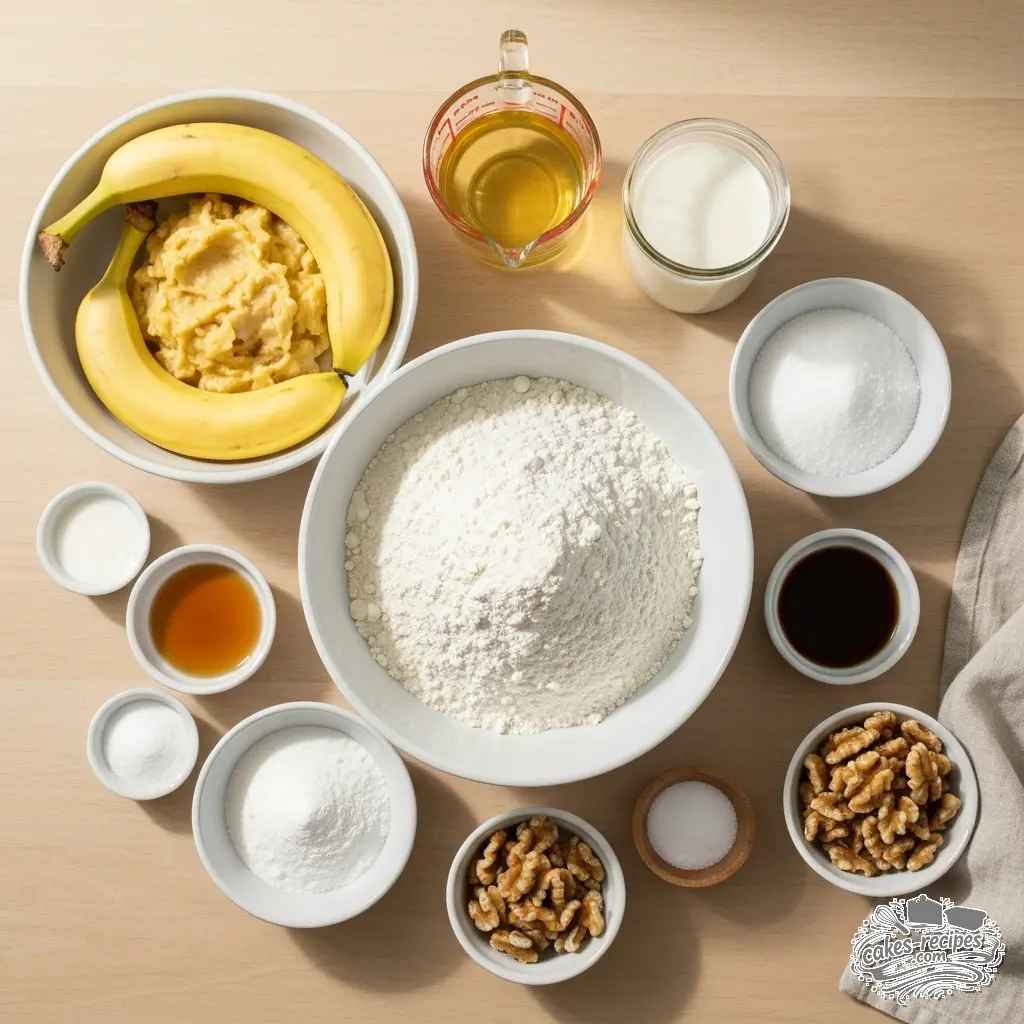
- Crush the bananas in a large mixing bowl and verify that you have approximately 1 1/4 cups.
- Combine the non-dairy milk, oil, sugar, vinegar, and vanilla in the bowl and whisk with the bananas until thoroughly incorporated.
- Add the flour to the wet ingredients, then sprinkle the baking powder and salt over the top. Stir with a large spoon until just combined, taking care not to overmix. A few small lumps are acceptable.
- Gently stir in the chopped walnuts or chocolate chips if preferred. Fill the muffin liners nearly to the top using a quarter-cup measure. Top with additional nuts or chocolate chips if desired.
- Bake for 20 to 24 minutes until the top is golden and a toothpick inserted in the center comes out clean. Allow to cool in the pan for 5 minutes before transferring to a wire rack. Serve and enjoy.
Nutrition
Notes
- Any non-dairy milk will work here. I used unsweetened soy milk.
- May sub more mashed banana for the oil, or use applesauce instead.
- May sub white whole wheat, whole wheat pastry or a gluten free flour mix for the white flour.
- Banana Muffins freeze well. I like to place them in a freezer bag, then I can pull one out whenever I want.
Tried this recipe?
Let us know how it was!The Search for the Perfect Rise
I still remember the first time I tried to make a vegan muffin. It was a rainy Tuesday in Seattle, the kind where the gray light barely filters through the kitchen window, and I was craving something warm. I used a recipe I found online, followed it exactly, and ended up with… hockey pucks. Dense, gummy, sad little discs that refused to rise.
My mentor, André, used to tell me back in Paris, “Nathan, baking is not magic. It is chemistry with a little bit of faith.” He was right. When you take away eggs and butter, you aren’t just removing ingredients. You’re removing structure and lift. You have to replace that chemistry. I’ve spent years obsessing over foam cakes and egg whites, so figuring out how to get **banana walnut muffins vegan** to rise like they came from a bakery became a bit of a personal project for me.
It’s February now, and the kitchen is cold. Generally, that makes yeast breads a nightmare, but for muffins? It’s actually okay. What we want here is a specific reaction between acid and base to create lift before the heat sets the structure. If you’ve been struggling with heavy, wet vegan baking, take your time reading this. I’ve broken down exactly why this recipe works when others fail. It’s worth the effort.
The “Ugly” Banana Secret
Let’s talk about bananas. I know you probably want to use those yellow ones sitting in your fruit bowl right now. Please, be patient with it. Don’t do it.
For the best **banana walnut muffins vegan**, your bananas need to be ugly. I mean really ugly. We’re talking mostly black skins, soft to the touch, smelling intensely sweet. When a banana ripens, its starch converts to sugar. This does two things for us. First, it provides natural sweetness, which means we can use less added sugar. Second, and more importantly for texture, that broken-down fruit structure incorporates into the batter much better than a starchy, firm banana.
If your bananas are just yellow with a few spots? Wait a few days. Or, if you’re desperate (and I’ve been there), you can roast them in their skins at 300°F for about 15 to 20 minutes until they turn black. It’s not quite the same depth of flavor as natural ripening, but it works in a pinch.
The Science of the Vegan Rise
Here is where the magic happens. Or rather, the chemistry. In a traditional muffin, eggs provide structure and lift. Without them, we need a powerful alternative. This recipe relies on a reaction between baking soda (make sure it’s fresh!) and apple cider vinegar.
When you mix the wet ingredients, you’ll add the vinegar to the non-dairy milk. It might curdle slightly. That’s exactly what we want. It’s essentially making a vegan buttermilk. When this acidic mixture hits the baking soda in the dry ingredients, it creates carbon dioxide bubbles. These bubbles get trapped in the batter and expand in the oven heat.
My mentor André always taught me to be gentle with aeration. “You work so hard to create the bubbles,” he’d say. “Do not kill them with violence.” When you combine your wet and dry ingredients, you must fold gently. If you overmix, you pop those bubbles and develop the gluten in the flour. Developed gluten makes bread chewy. We don’t want chewy muffins. We want tender ones.
The One-Bowl Method (Because Life is Busy)
I love precision, but I also have a five-year-old daughter who wants to “help” stir everything. This **banana walnut muffins vegan** recipe is forgiving enough for a chaotic afternoon. You don’t need a stand mixer. In fact, I prefer you don’t use one. A mixer is too aggressive for this batter.
Start by mashing your bananas. I like to leave a few small chunks about the size of a pea. It gives you these lovely pockets of fruit in the final muffin. Then, whisk in your oil, sugar, plant milk, and vinegar. It will look a bit separated at first. That’s okay. Just keep whisking until it comes together into an emulsion.
Sift your dry ingredients right over the wet bowl. I know, sifting seems like an extra step, but in vegan baking, aerating the flour before mixing helps prevent clumps without overmixing. It’s a small detail, but in my experience, it makes a difference.
Toasting the Walnuts: A Non-Negotiable Step
Can you use raw walnuts? I suppose. But should you? No. Raw walnuts can be a bit waxy and bitter. Toasting them releases their oils and makes them crunchy and fragrant. It brings out a nutty sweetness that pairs perfectly with the banana.
I usually toss them in a dry pan over medium heat for about 5 minutes. You’ll know they’re done when you can smell them. That toasted scent should fill the kitchen. Let them cool before adding them to the batter, or they might scramble the batter slightly around them. Also, here’s a trick I learned the hard way: toss your walnuts in a teaspoon of flour before folding them in. This gives them a little “grip” so they don’t all sink to the bottom of the muffin cup.
The Temperature Trick for Bakery Domes
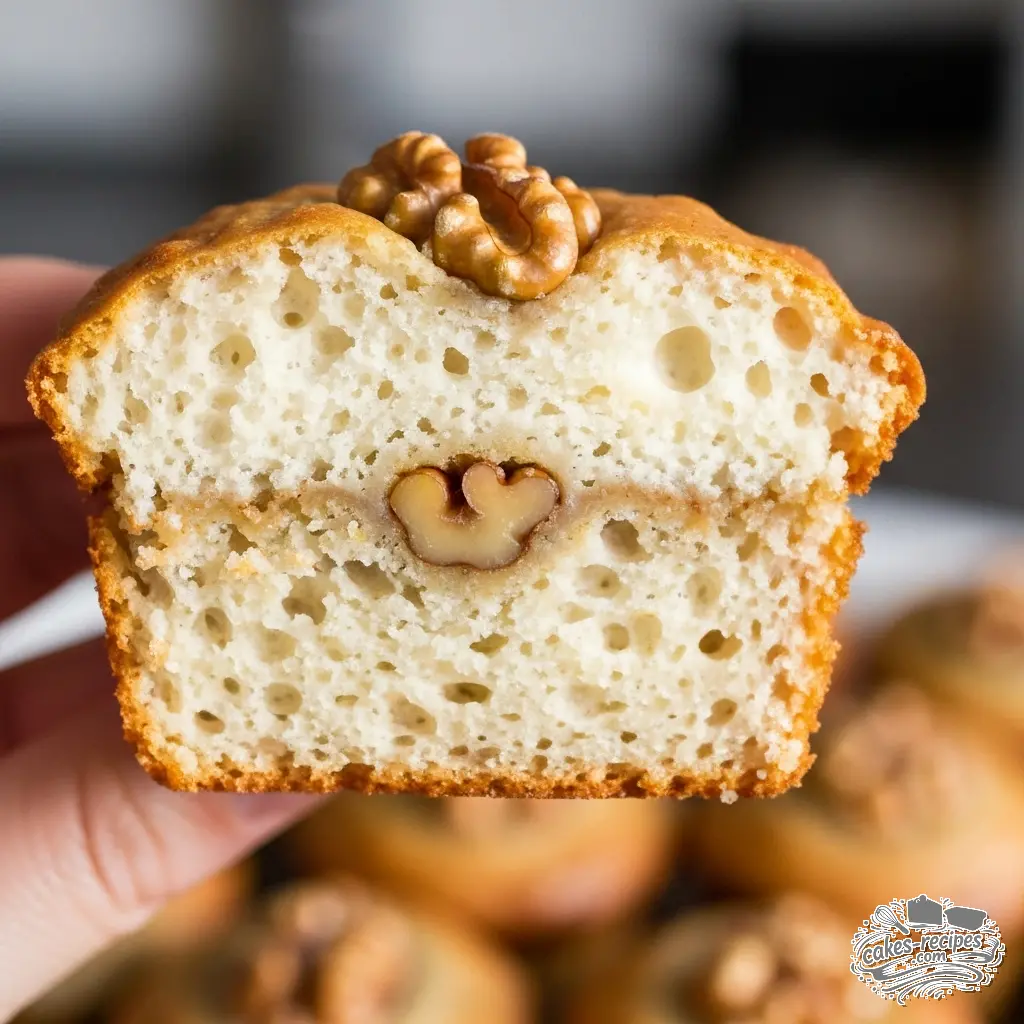
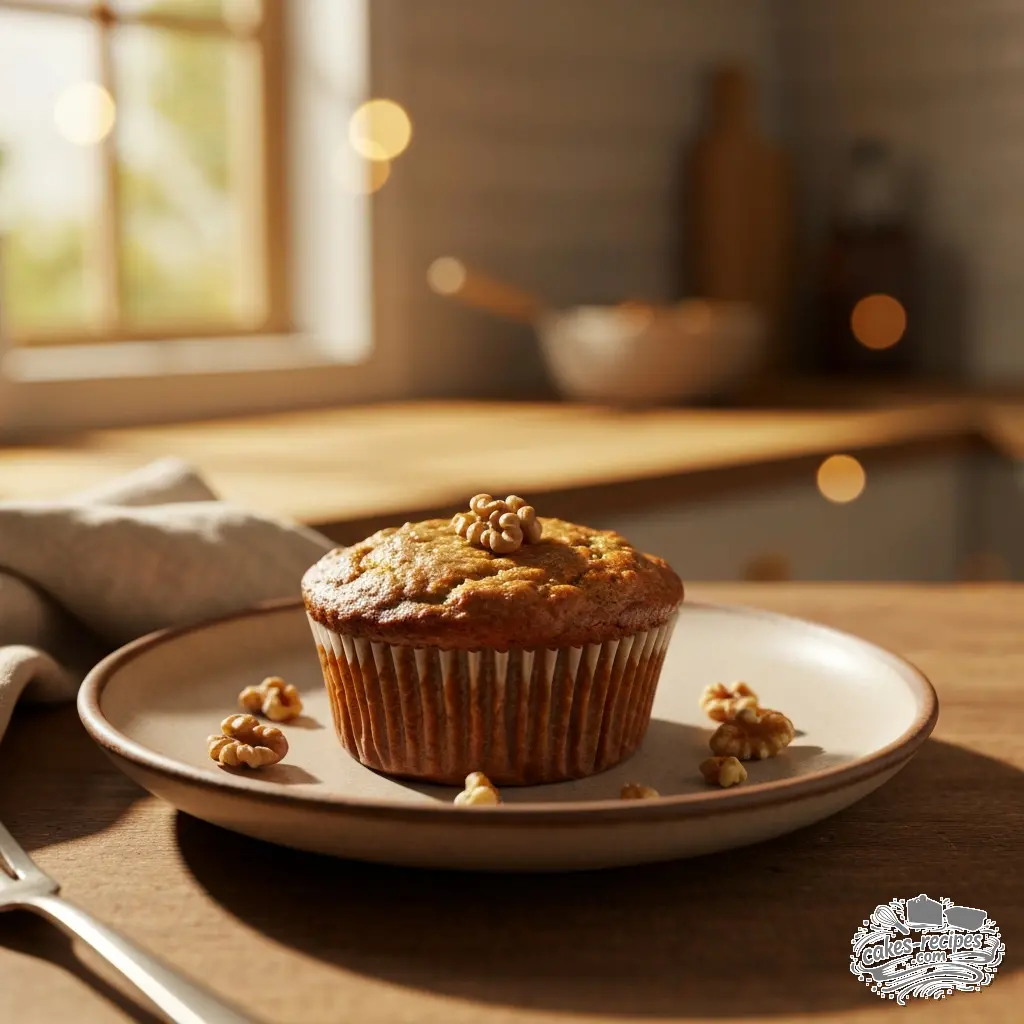
You know how bakery muffins always have those tall, beautiful domed tops? That’s what we’re aiming for. The secret isn’t more baking powder; it’s heat. We start the oven at a higher temperature 425°F (220°C) for the first 5 minutes. This intense initial heat causes the baking powder and soda to react rapidly, forcing the batter to shoot up quickly.
After 5 minutes, without opening the oven door (don’t even peek!), drop the temperature to 350°F (175°C) for the remaining time. This allows the center to cook through gently without burning the outside. If you bake at a steady 350°F the whole time, the muffins will spread out rather than up. They’ll taste fine, but they won’t look as impressive.
Another tip? Space them out. If you have two muffin tins, bake 6 muffins in a 12-cup tin, skipping every other hole. This allows hot air to circulate evenly around each muffin, helping them rise higher. It’s a bit more washing up, but for perfect **banana walnut muffins vegan**, it makes sense.
Troubleshooting: Why Did My Muffins Fail?
Even with the best recipe, things can go wrong. Let’s think about this. If your muffins came out dense or gummy, there are usually two culprits. One, you might have overmixed the batter. Remember, lumps are okay. Two, your bananas might have been too large. “Three bananas” is a vague measurement. I always measure the mashed fruit you want about 1.5 cups max. Too much moisture weighs down the crumb.
If they sank in the middle, they were likely underbaked. Vegan baking can be tricky because it doesn’t set as firmly as egg-based batter until it cools. Use a toothpick to test. It should come out clean or with just a few moist crumbs, never wet batter. And let them cool in the pan for 5 minutes before moving them. They need that time to set their structure.
Frequently Asked Questions
Storage and Serving Suggestions
When you pull these out of the oven, the smell of toasted walnuts and caramelized sugar will fill the house. It’s perfectly perfectly tender. Let them cool on a wire rack if you leave them in the hot tin too long, the bottoms can get soggy from the steam.
For serving, I love these slightly warm. If you’ve stored them, pop one in the microwave for 15 seconds or, even better, cut it in half and toast it in a skillet with a tiny bit of vegan butter. The cut side gets crispy and golden brown, while the inside stays soft. It’s just right with a cup of strong black coffee on a gray morning.
Final Thoughts
Making **banana walnut muffins vegan** doesn’t have to be a compromise on texture. It’s just about understanding the ingredients and treating them with respect. Be patient with the process, watch your oven temp, and don’t overmix. When you get it right, that first bite of airy, moist crumb is pure satisfaction. It reminds me of why I love baking simple ingredients transforming into something comforting.
If you try these, let me know how they turned out. Did you get the dome? Did you wait for the spotty bananas? I’d love to hear about it.
For more inspiration, check out my Pinterest boards where I collect all my favorite plant-based baking ideas.
Reference: Original Source
Can I make banana walnut muffins vegan ahead of time?
Absolutely. In my experience, the flavor actually improves the next day as the banana moisture redistributes. They hold their texture well for about 2 days at room temperature. Just make sure they are completely cool before storing, or they’ll get soggy.
How do I store leftover banana walnut muffins vegan?
I keep mine in an airtight container on the counter for up to 3 days. If you’re in a humid climate, maybe 2 days. For longer storage, freeze them. Wrap individually in plastic wrap and place in a zip-top bag. They freeze beautifully for up to 2 months.
Can I make these gluten-free?
Yes, but be careful with the flour blend. Use a high-quality 1:1 gluten-free baking flour that contains xanthan gum. The texture will be slightly different perhaps a bit more fragile but still delicious. Don’t use coconut flour; it absorbs too much liquid.
Why are my muffins rubbery?
This usually happens from overmixing. When you add the wet ingredients to the dry, mix only until the flour just disappears. If you beat the batter until it’s perfectly smooth, you’re developing gluten, which leads to a rubbery texture. Gentle folding is key.
Can I swap the oil for applesauce?
You can, but the texture will change. Oil makes baked goods tender and keeps them moist longer. Applesauce makes them denser and more u0022cakey.u0022 If you want to cut fat, try swapping half the oil for applesauce rather than all of it.