
Why This Pound Cake Is the Best
I’ve baked my share of hockey pucks. Dry, dense, disappointing things that looked promising going into the oven and came out… well, not. But this recipe? Never fails. It’s the one I turn to when I need a guaranteed showstopper, the one my husband requests for his birthday, the one that makes my daughter’s eyes light up when she sees it cooling on the rack.
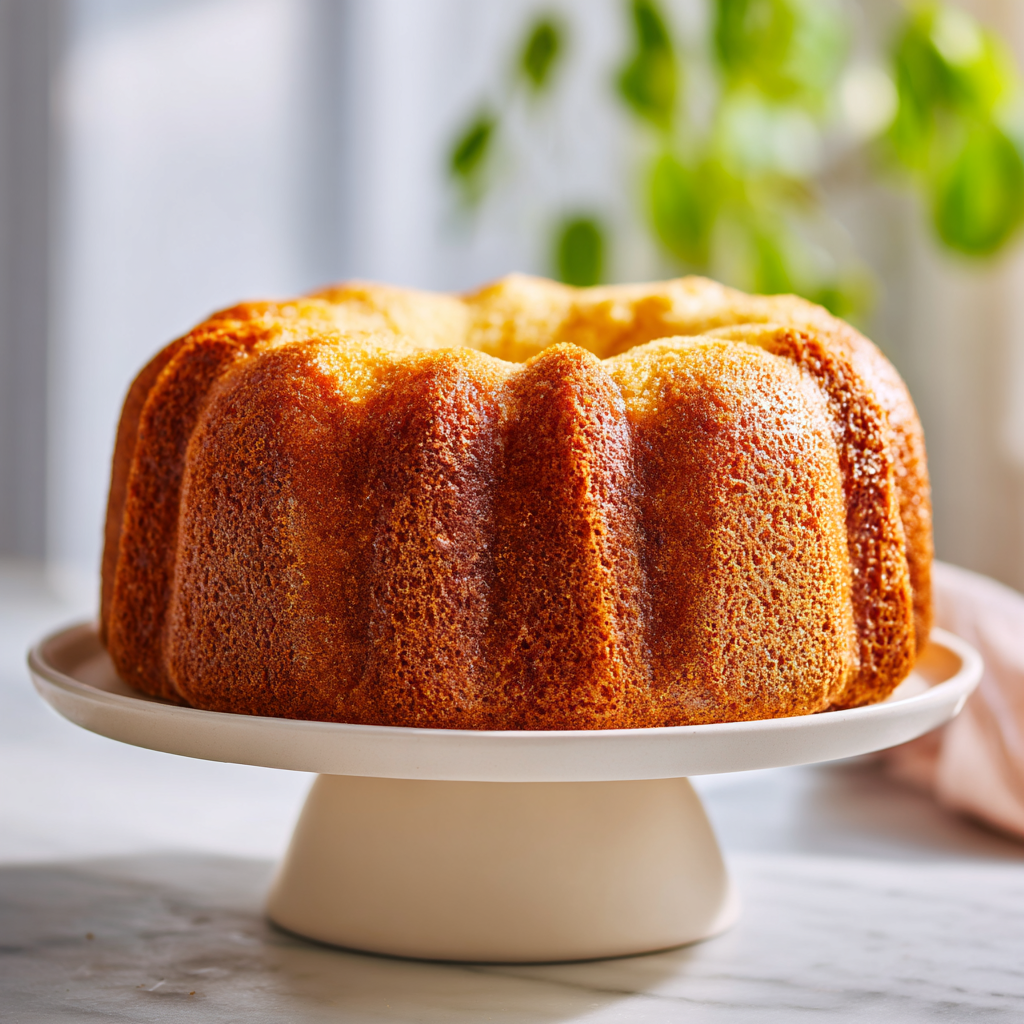
This is the best pound cake I’ve ever made. It’s called Million Dollar Pound Cake, and for good reason. The crumb is incredibly moist and tender, practically melting on your tongue. The flavor is pure, rich butter, with a hint of vanilla and almond that makes it feel special without being fussy. And that crack on top? It’s not a flaw. That’s the signature of a perfect pound cake. Don’t try to smooth it out.
What makes this the best pound cake recipe is the balance. The ratio of butter to sugar to eggs to flour is exactly right. The technique is straightforward but precise. And the result is a cake that’s equally at home on a simple weeknight dessert plate or dressed up with whipped cream and fresh berries for a summer party.
Key Ingredients for Success
Let’s talk about what goes into this classic pound cake. The ingredient list is short, which means each one matters. A lot.
- Salted butter: A full pound. Yes, you read that right. This is a pound cake, after all. The butter provides flavor, tenderness, and structure. I use salted butter here. If you only have unsalted, add 1/2 teaspoon of salt to the flour.
- Granulated sugar: Three cups. It sweetens, but it also aerates the butter during creaming, which is how we get that light, tender crumb.
- Large eggs: Six of them, at room temperature. Eggs provide structure and richness. Room temperature eggs emulsify into the batter much more easily, creating a smoother, more stable mixture.
- All-purpose flour: Four cups. I use all-purpose here, and it works beautifully. For a slightly fluffier, more tender crumb, you can substitute cake flour. Just know that cake flour absorbs less liquid, so the texture will be a bit more delicate.
- Whole milk: Three-quarters of a cup, at room temperature. Whole milk adds moisture and tenderness. You can substitute buttermilk, heavy cream, or half-and-half if you want.
- Vanilla and almond extracts: One teaspoon each. This is the secret to that classic pound cake flavor. The almond extract is subtle, but it adds a depth that makes people ask, “What’s in this?”
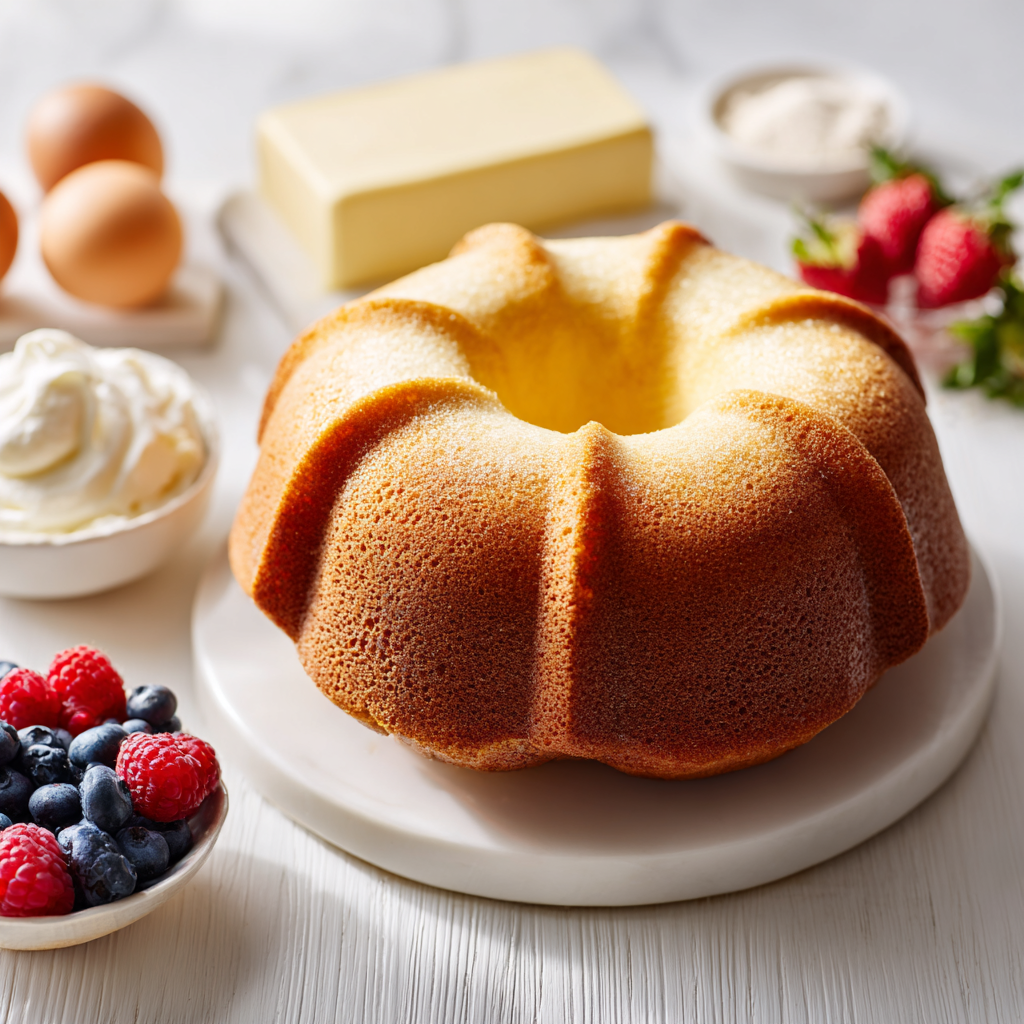
Take your time with these ingredients. Make sure the butter is truly softened, not melted. Let the eggs and milk sit out for about an hour before you start. It makes a real difference.
Step-by-Step: The Method Behind the Magic
This is where the technique comes in. The creaming method is the foundation of a great pound cake. Sugar crystals are sharp. When you beat them into softened butter, they create tiny air pockets. Those air pockets expand in the oven, giving the cake its lift and tenderness. So don’t rush this step.
Stage 1: Cream the Butter and Sugar
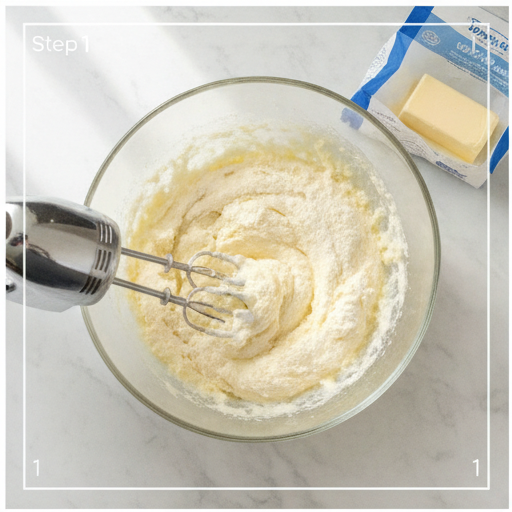
In a large mixing bowl, beat the softened butter on medium speed for 5 minutes. Yes, five full minutes. It should become pale and creamy. Then, gradually add the sugar, continuing to beat until the mixture is light and fluffy. You’ll see it change color, becoming almost white. The texture will look like a thick, airy paste. That’s exactly what we want.
Stage 2: Add the Eggs One at a Time
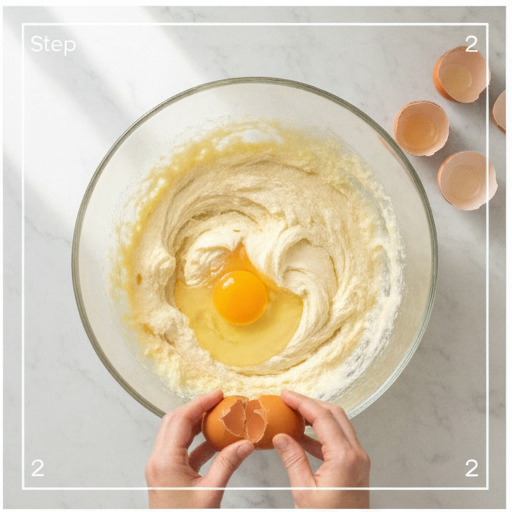
Add the eggs one at a time, mixing well after each addition. This is crucial. If you dump all the eggs in at once, the batter can separate, and you’ll end up with a greasy, dense cake. Each egg needs time to fully incorporate into the butter-sugar mixture. The batter will look smooth and glossy.
Stage 3: Alternate Flour and Milk
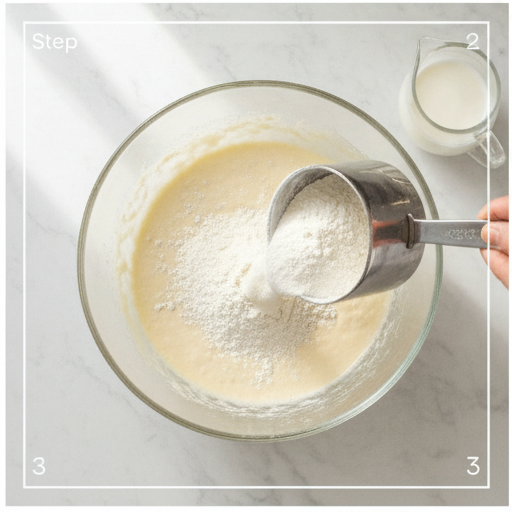
Here’s where we prevent overmixing. Add the flour and milk alternately, beginning and ending with flour. Mix on low speed just until combined after each addition. Overmixing develops gluten, which makes the cake tough and rubbery. We want a tender crumb, so we stop as soon as the flour disappears. The batter will be thick and smooth.
Stage 4: Fold in Extracts and Bake
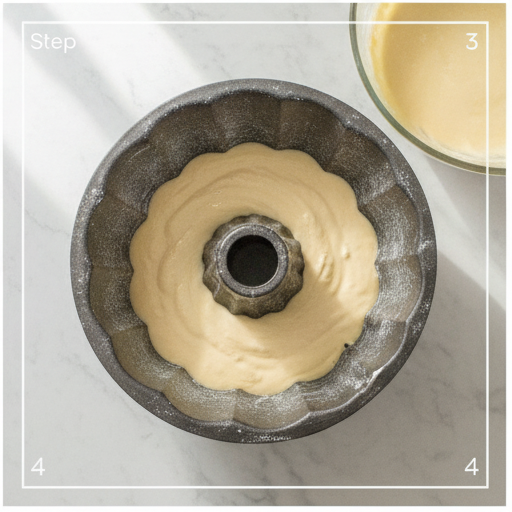
Gently fold in the vanilla and almond extracts. Pour the batter into a well-greased and floured 12-cup Bundt or tube pan. Smooth the top. Bake at 300°F for 1 hour 30 minutes to 1 hour 40 minutes. The low temperature is key. It allows the cake to bake slowly and evenly, developing that golden brown crust without burning the outside before the center is done. Use a long wooden skewer or a sharp knife to test for doneness. It should come out clean, or with just a few moist crumbs attached.
Let the cake cool in the pan for 10 minutes. Then run a knife around the edges to loosen it, and invert it onto a wire rack to cool completely. Be patient. The cake will continue to bake from residual heat during this time.
Tips for a Moist Pound Cake
Everyone asks how to make a moist pound cake. Here are the secrets I’ve learned over years of baking.
- Room temperature ingredients are non-negotiable. Cold butter won’t cream properly. Cold eggs can cause the batter to curdle. Cold milk won’t emulsify. Let everything sit out for at least an hour.
- Don’t overmix. Once the flour is added, mix only until it’s just combined. Overmixing develops gluten and creates a tough, rubbery cake. It can also cause gummy streaks.
- Bake low and slow. 300°F is the sweet spot. A higher temperature will brown the crust too quickly while the center remains underdone.
- Use a scale to measure flour. If you don’t have one, fluff the flour with a spoon, spoon it into your measuring cup, and level it off with a knife. Scooping directly from the bag packs the flour and can lead to a dry cake.
- Don’t overbake. The cake is done when a skewer inserted into the center comes out clean or with a few moist crumbs. The internal temperature should be around 210°F. The cake will continue to cook as it cools in the pan.
Common Mistakes to Avoid
Even experienced bakers run into trouble sometimes. Here’s how to fix the most common issues.
Troubleshooting Guide
❌ Overmixing the batter: This leads to a tough, rubbery cake or gummy streaks. ✅ Mix only until the flour is just incorporated. Stop as soon as you don’t see any more dry flour.
❌ Over-creaming butter and sugar: This can also cause gummy streaks. ✅ Cream for 5 minutes on medium speed. Don’t go longer.
❌ Using cold ingredients: Prevents proper emulsification, leading to a dense, greasy cake. ✅ Let butter, eggs, and milk sit at room temperature for at least an hour.
❌ Baking at too high a temperature: Burns the exterior before the center is done. ✅ Bake at 300°F as the recipe states.
❌ Not measuring flour correctly: Leads to a dry, dense cake. ✅ Use a scale or the spoon-and-level method.
❌ Not greasing the pan properly: The cake will stick. ✅ Grease thoroughly with butter, then dust with flour, tapping out the excess.
The bottom crust separated from the cake? That can happen if the cake was overmixed or if the eggs were too cold. My pound cake overflowed? You might have used a pan that’s too small. This batter needs a 12-cup capacity. For a smaller Bundt pan, fill it only about 1 inch from the top and bake any extra batter in a cupcake pan.
Storage and Freezing Tips
This cake is even better the next day, if you can believe it. The flavors meld and the texture becomes even more tender. Here’s how to keep it that way.
- Room temperature: Wrap the cooled cake tightly in plastic wrap and store at room temperature for up to 3 days. The plastic wrap keeps it moist.
- Refrigerator: For longer storage, wrap it in plastic wrap and then foil, and refrigerate for up to 7 days. Bring to room temperature before serving.
- Freezer: To freeze, wrap the cake in several layers of plastic wrap, then a layer of foil, and place in a freezer bag for up to 6 months. Thaw overnight in the refrigerator, still wrapped, then bring to room temperature before slicing. Do not thaw in the microwave or oven, as it will dry out.
- Reheating: For a warm slice, place it in a 300°F oven for 5-10 minutes, or microwave for 15-20 seconds.
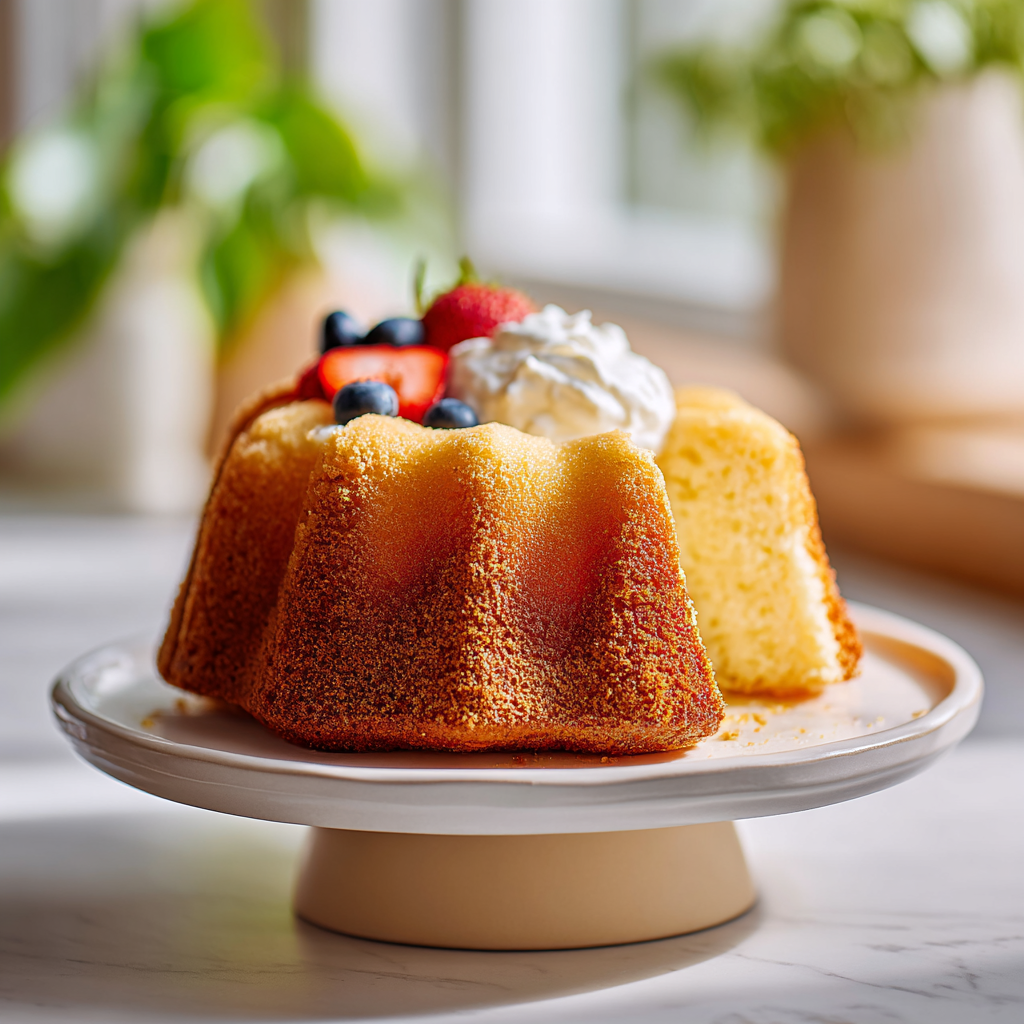
Serve this best pound cake plain, with a dusting of powdered sugar, or dress it up with whipped cream and fresh berries. It’s also fantastic cubed and layered with pudding and fruit for a dessert trifle. Got a secret tip? Share it in the comments. I’d love to hear how you make it your own.
For more inspiration, check out my Pinterest board where I pin all my favorite pound cake variations and serving ideas.
The Best Pound Cake: Million Dollar Pound Cake
Ingredients
Method
- Preheat your oven to 300°F. Grease a 12-cup Bundt or tube pan thoroughly with butter, then dust with flour, tapping out any excess.
- In a large mixing bowl, beat the softened butter on medium speed for 5 minutes until creamy. Gradually add the sugar, continuing to beat until the mixture is light and fluffy.
- Add the eggs one at a time, mixing well after each addition until fully incorporated.
- Alternately add the flour and milk, beginning and ending with flour, mixing on low speed just until combined after each addition. Do not overmix.
- Fold in the vanilla and almond extracts until evenly distributed.
- Pour the batter into the prepared pan and smooth the top with a spatula.
- Bake on the center rack for 1 hour 30 minutes to 1 hour 40 minutes, or until a sharp knife inserted into the center comes out clean.
- Remove the cake from the oven and let it cool in the pan for 10 minutes. Run a knife around the edges to loosen, then invert onto a wire rack to cool completely.
- Serve plain or with whipped cream and fresh fruit, if desired.
Nutrition
Notes
Tried this recipe?
Let us know how it was!Frequently Asked Questions
Source: Nutritional Information



3 Responses
This is the only pound cake recipe I use now. It’s foolproof if you follow the room temperature rule for eggs and butter. I added a lemon glaze on top for a twist, and it was incredible.
I made this for a family gathering and it was a huge hit! The almond extract really elevates the flavor. I did have a question though—my cake came out a bit denser than I expected. Could it be that I overmixed the batter after adding the flour?
Hi Sarah, I’m glad it was a hit! Yes, overmixing after adding the flour can definitely make the cake denser. The key is to fold the flour in just until it disappears—no more than 10-15 gentle strokes. Try that next time and you should get that light, tender crumb!