
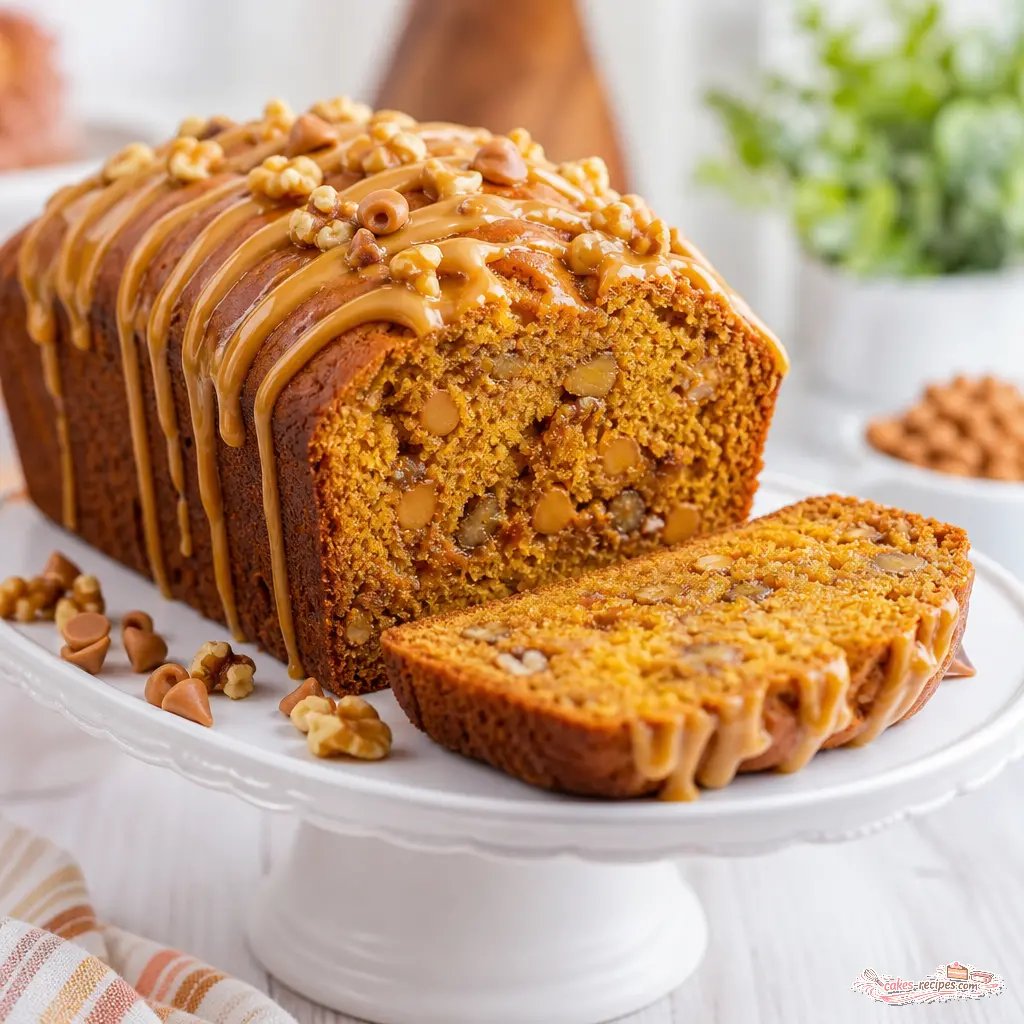
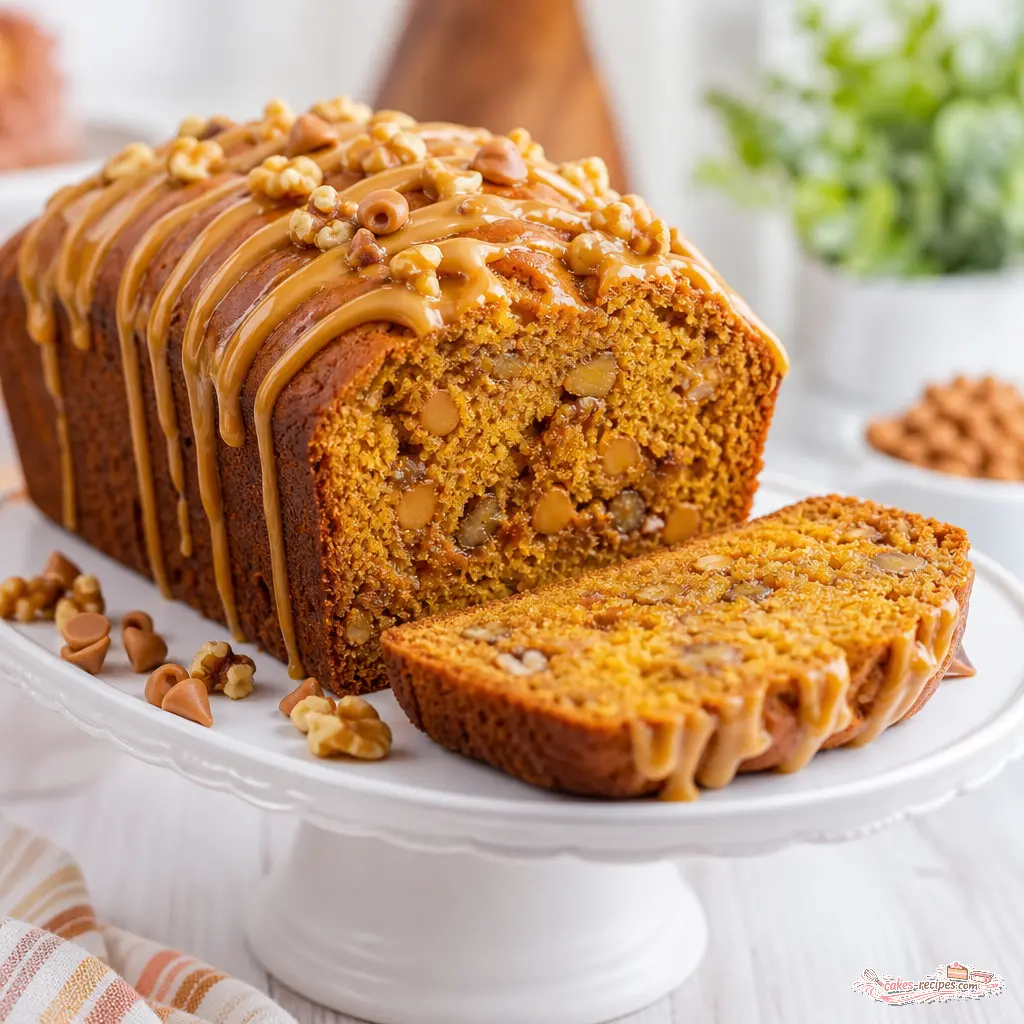
California Pumpkin Butterscotch Bread with Walnuts
Ingredients
Method
- Preheat your oven to 350°F. Grease a 9x5-inch loaf pan (or three mini loaf pans) with cooking spray or butter.
- In a large mixing bowl, combine the cooking oil, pumpkin puree, eggs, cinnamon, salt, and baking soda. Beat with an electric mixer until smooth and well blended.
- Stir in the flour, granulated sugar, coconut pudding mix, 1 cup of the butterscotch chips, and the chopped walnuts. Mix just until no dry streaks remain.
- Pour the batter into the prepared loaf pan(s). Bake for about 1 hour and 15 minutes, or until a knife or bamboo skewer inserted into the center comes out clean.
- Let the bread cool completely in the pan on a wire rack before removing and glazing.
- In a small saucepan over low heat, combine the remaining butterscotch chips and the heavy cream. Stir constantly until melted and smooth.
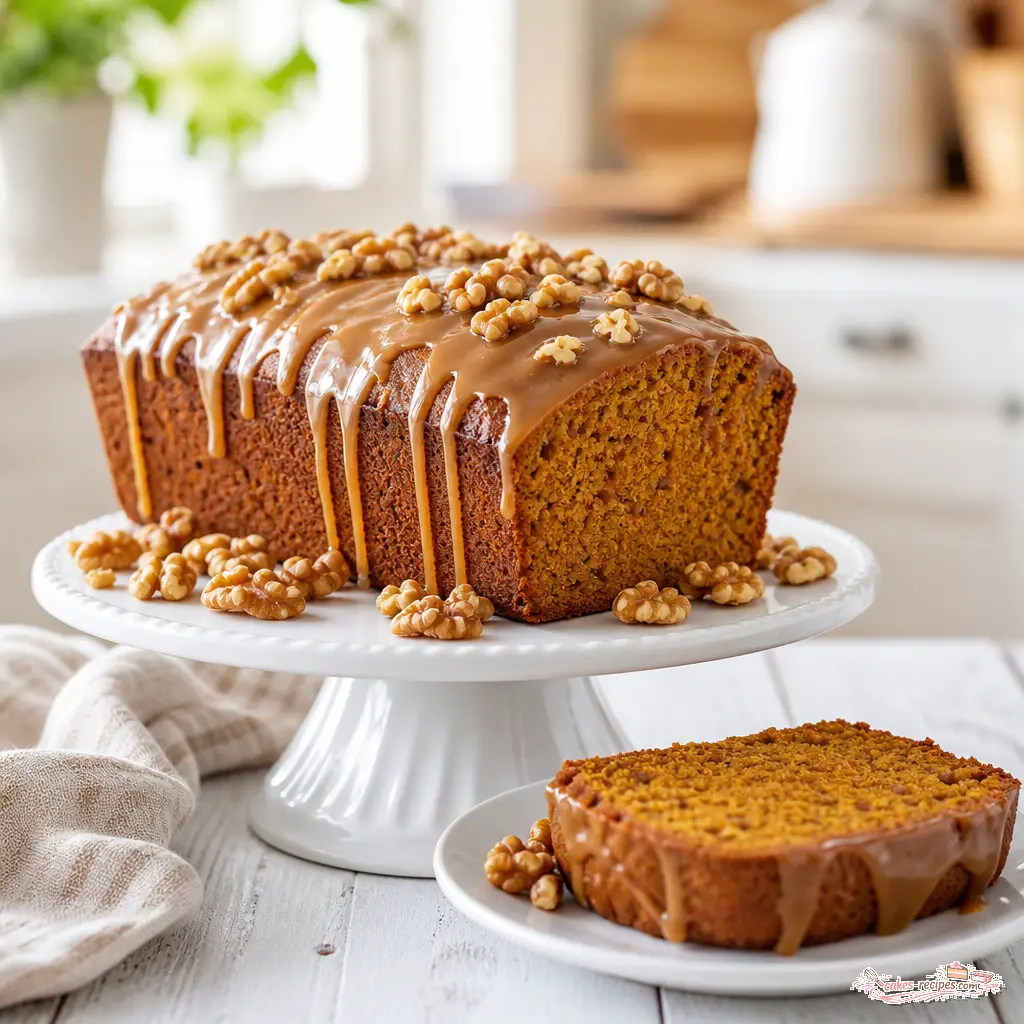
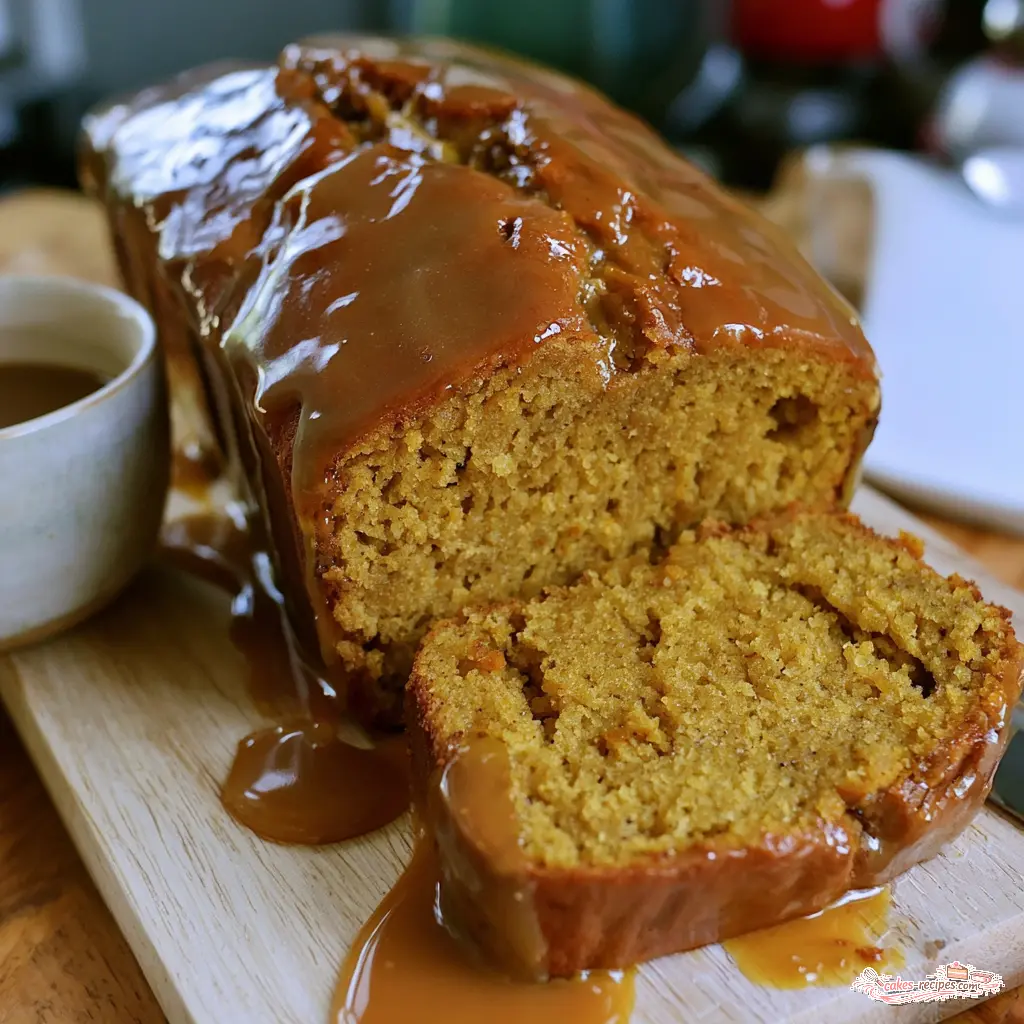
- Drizzle the warm glaze over the cooled pumpkin butterscotch bread. Let the glaze set before slicing.
Nutrition
Notes
Tried this recipe?
Let us know how it was!Why You’ll Love This Pumpkin Butterscotch Bread
Remember that butterscotch pudding from childhood? The one with the smooth, buttery sweetness that felt like a hug in a bowl? This bread is that same cozy feeling, baked into a loaf. I’ve been working on this recipe for a while, and honestly, I think I’ve finally nailed it.
What I love about this butterscotch bread is how it brings together two things that just work. The pumpkin keeps it incredibly moist, and the butterscotch chips add these little pockets of melted sweetness that surprise you in every bite. Plus, there’s walnuts for crunch and a silky butterscotch glaze on top. It’s the kind of loaf that makes your kitchen smell like a bakery.
This isn’t complicated, either. It’s a quick bread, so no yeast, no kneading, no waiting around for dough to rise. Just mix, pour, and bake. That’s exactly the texture we want: tender, sliceable, and full of flavor.
My daughter, who’s five, calls this “golden bread” because of the color. She doesn’t know it’s pumpkin and butterscotch working together to her it’s just magic. And honestly? That’s kind of how it feels when you pull a perfect loaf from the oven.
Ingredients You’ll Need
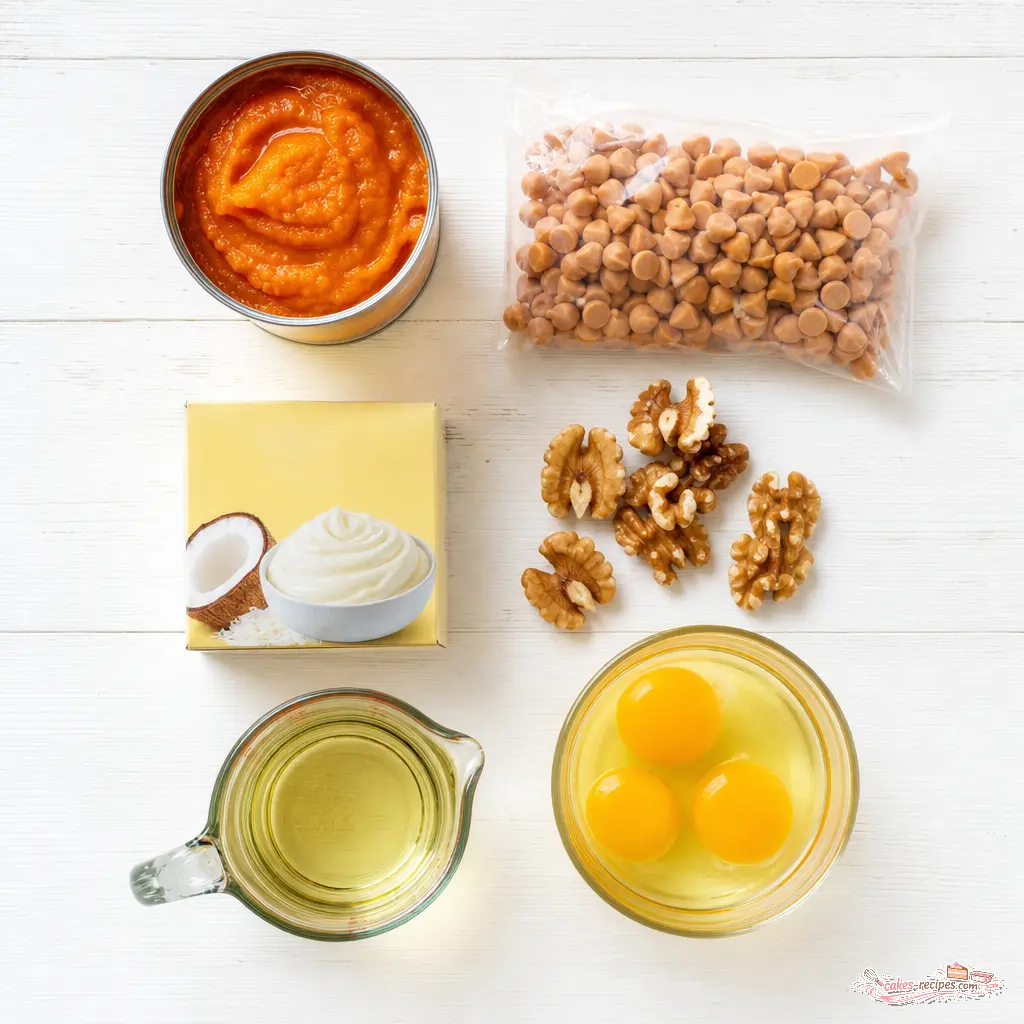
Let’s talk about what goes into this easy butterscotch bread recipe. The ingredient list might look a little unusual at first, but trust me, everything has a purpose. Here’s what you need:
- Pumpkin puree Canned is perfect, and it keeps the bread incredibly moist. Make sure it’s pure pumpkin, not pumpkin pie filling.
- Butterscotch chips The star of the show. We use a full 12-ounce bag, with most going into the batter and the rest for the glaze.
- Instant coconut pudding mix This is the secret ingredient. It adds tenderness and a subtle sweetness that complements the butterscotch flavor beautifully.
- Walnuts Chopped and added for crunch. Toasting them first deepens the flavor, but it’s optional.
- Cooking oil Keeps the bread tender and moist. Use a neutral oil like vegetable or canola.
- Eggs, flour, sugar, cinnamon, salt, baking soda The standard quick bread lineup. Nothing fancy here.
Kitchen Equipment
You don’t need much for this one. A 9×5-inch loaf pan, a large mixing bowl, an electric mixer (hand or stand), and a small saucepan for the glaze. That’s really it. Oh, and a toothpick or bamboo skewer for testing doneness.
How to Make Pumpkin Butterscotch Bread
Now for the fun part. I’ll walk you through the process, stage by stage. Take your time with each one, and you’ll be rewarded with a beautiful loaf.
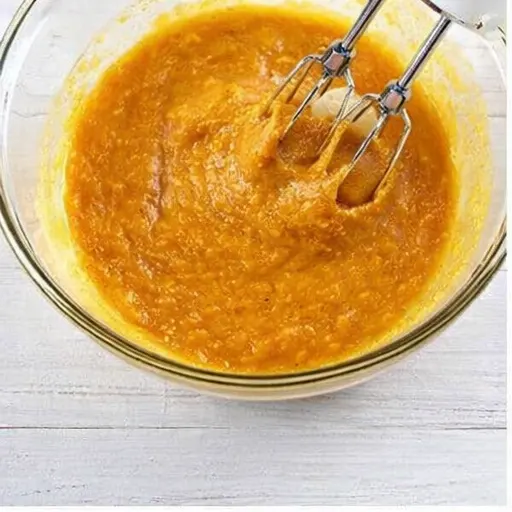
Stage 1: Mix the wet ingredients. In a large mixing bowl, combine the cooking oil, pumpkin puree, eggs, cinnamon, salt, and baking soda. Beat with an electric mixer until smooth and well blended. You want it to look like a thick, creamy orange batter. Gently does it here no need to overwork it.
Stage 2: Fold in the dry ingredients. Stir in the flour, granulated sugar, coconut pudding mix, 1 cup of the butterscotch chips, and the chopped walnuts. Mix just until no dry streaks remain. This works for me: use a rubber spatula and fold gently, scraping the bottom of the bowl. Overmixing will make the bread dense, so stop as soon as everything comes together.
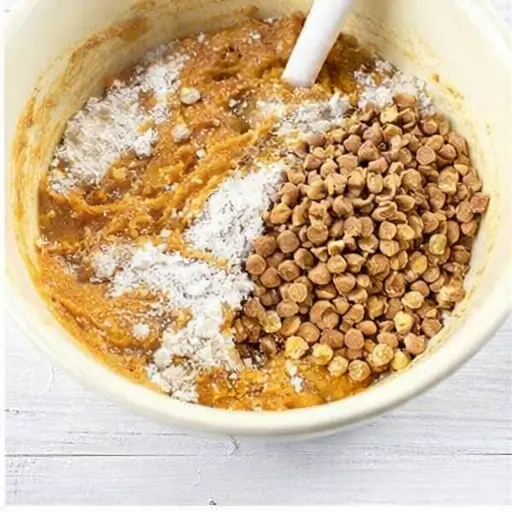
Stage 3: Pour and bake. Pour the batter into a greased 9×5-inch loaf pan. Smooth the top with the spatula. Bake at 350°F for about 1 hour and 15 minutes, or until a knife or bamboo skewer inserted into the center comes out clean. That’s what we want. The crust should be golden brown and the kitchen should smell incredible.
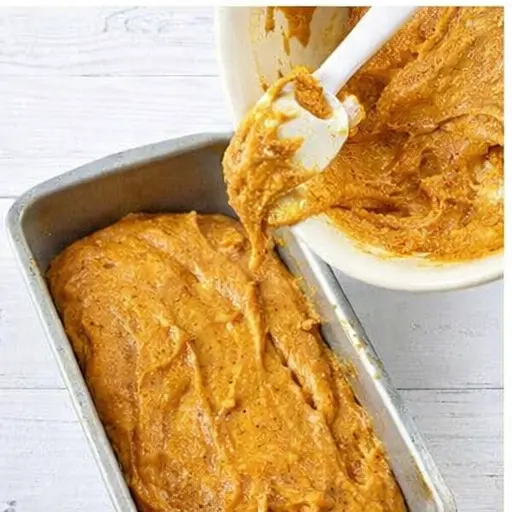
Stage 4: Cool completely. Let the bread cool completely in the pan on a wire rack before removing and glazing. This is important if you try to take it out while it’s still warm, it might crumble. Be patient with it. The cooling also helps the butterscotch chips set so they don’t ooze out when you slice.
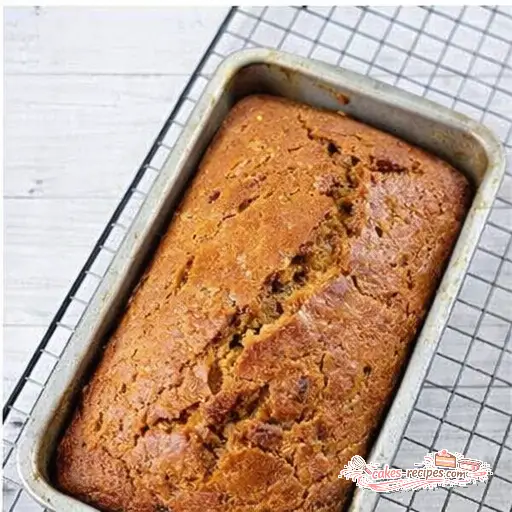
How to Make the Butterscotch Glaze
While the bread is cooling, make the glaze. In a small saucepan over low heat, combine the remaining butterscotch chips and the heavy cream. Stir constantly until melted and smooth. In my experience, low heat is key here high heat can scorch the chips and make the glaze grainy. Once it’s smooth, drizzle it over the cooled bread. Let the glaze set before slicing, about 15 to 20 minutes.
Expert Tips for Perfect Butterscotch Bread
I’ve made this loaf more times than I can count, and I’ve learned a few things along the way. Here are my best tips:
- Toast the walnuts first. A quick 2-3 minutes in a dry skillet brings out their nutty flavor and keeps them crunchy in the bread.
- Don’t overmix the batter. Mix until just combined. Overmixing develops gluten and makes the bread tough instead of tender.
- Coat the butterscotch chips with flour. If you’re worried about them sinking to the bottom, toss them in a tablespoon of flour before folding them in. It helps them stay suspended in the batter.
- Test for doneness properly. A toothpick or skewer should come out clean, but if it hits a melted chip, try again in a different spot. The bread is done when the center is set and the edges pull away from the pan.
- Bake early in the morning. In the summer heat, the oven can make your kitchen uncomfortably warm. Bake first thing in the morning when it’s cooler, and let the bread cool while you go about your day.
Variations and Substitutions
This recipe is pretty flexible, and I’ve tried a few variations that turned out great. Here are some ideas:
- Use vanilla pudding mix instead of coconut for a different twist. The texture stays the same, but the flavor is a little more neutral.
- Add chocolate chips. Semi-sweet or milk chocolate chips pair beautifully with the butterscotch flavor.
- Make mini loaves. Divide the batter into three mini loaf pans and bake for about 30 minutes. Perfect for gifting or freezing.
- Skip the glaze for a less sweet bread. It still tastes amazing, and it freezes better without the glaze.
- Add overripe banana for a butterscotch banana bread variation. Mash one banana and reduce the pumpkin puree slightly.
How to Store and Freeze Butterscotch Bread
This bread keeps beautifully, which makes it perfect for meal prep or last-minute treats.
At room temperature: Store in an airtight container for up to 3 days. The glaze will stay glossy and the bread will remain moist.
In the refrigerator: Wrap tightly and refrigerate for up to a week. Let it come to room temperature before serving, or warm slices in the microwave for 10-15 seconds.
In the freezer: This is my favorite option. Bake the bread, cool it completely, wrap it tightly in plastic wrap and then foil, and freeze for up to 3 months. Thaw overnight in the refrigerator or at room temperature. If you’re freezing without the glaze, add the glaze after thawing for the best presentation.
For reheating, a slice in the microwave for 10 seconds is perfect. Or pop it in a toaster oven at 300°F for about 5 minutes.
Frequently Asked Questions
I hope you love this butterscotch bread as much as my family does. It’s become a staple in our kitchen, especially during the summer when we want something cozy without spending all day in the kitchen. Beautiful work if you give it a try and tag me when you bake yours. I’d love to see your golden loaves!
For more baking inspiration, check out my Pinterest board where I share all my favorite recipes.
Source: Health & Nutrition Research
What Is Butterscotch Made Of?
Butterscotch is traditionally made from brown sugar and butter, cooked together until the sugar melts and caramelizes. Vanilla extract and salt are often added for depth. Unlike caramel, which uses white sugar, butterscotch gets its rich flavor from the molasses in brown sugar.
What Flavour Is Butterscotch?
Butterscotch has a warm, buttery, caramel-like flavor with distinct notes of brown sugar and vanilla. It’s sweeter and richer than caramel, with a deeper, more complex taste. In this butterscotch bread, the coconut pudding mix adds a subtle tropical note that complements the butterscotch perfectly.
Why Did My Butterscotch Bread Sink?
A sunken center usually means the bread was underbaked or the oven door was opened too often during baking. Make sure to test with a toothpick until it comes out clean. Also, avoid overmixing the batter, which can create air pockets that collapse. Bake at 350°F without peeking for the first 45 minutes.



6 Responses
I’m not usually a fan of pumpkin bread, but this one is a game changer. The butterscotch chips add just the right amount of sweetness without being overwhelming. I left out the walnuts because of allergies, and it was still fantastic.
I made this for a fall potluck and it was gone in minutes! Everyone asked for the recipe. I used instant coconut pudding mix and it turned out perfect. Can I substitute the walnuts with pecans? I think that would be delicious too.
Absolutely, Linda! Pecans would be a wonderful substitute—they have a similar crunch and buttery flavor that pairs beautifully with the butterscotch. So glad it was a hit at the potluck!
Made this yesterday and it turned out beautifully! The coconut pudding mix really adds a unique flavor that I wasn’t expecting. I used avocado oil and it worked perfectly. My only question is about the butterscotch chips—should they be folded in gently or just stirred in? I think I overmixed a bit and my bread didn’t rise as high as I hoped.
Great question, Sarah! You should fold the butterscotch chips in gently with a spatula, just until evenly distributed. Overmixing can deflate the batter and reduce rise, so a light hand is key. Glad the avocado oil worked out!
This recipe was good, but I found the glaze a bit too sweet for my taste. Next time I’ll skip it or use less cream. Also, the bread took about 10 minutes longer to bake than stated—might be my oven. Still, the texture was lovely and moist.