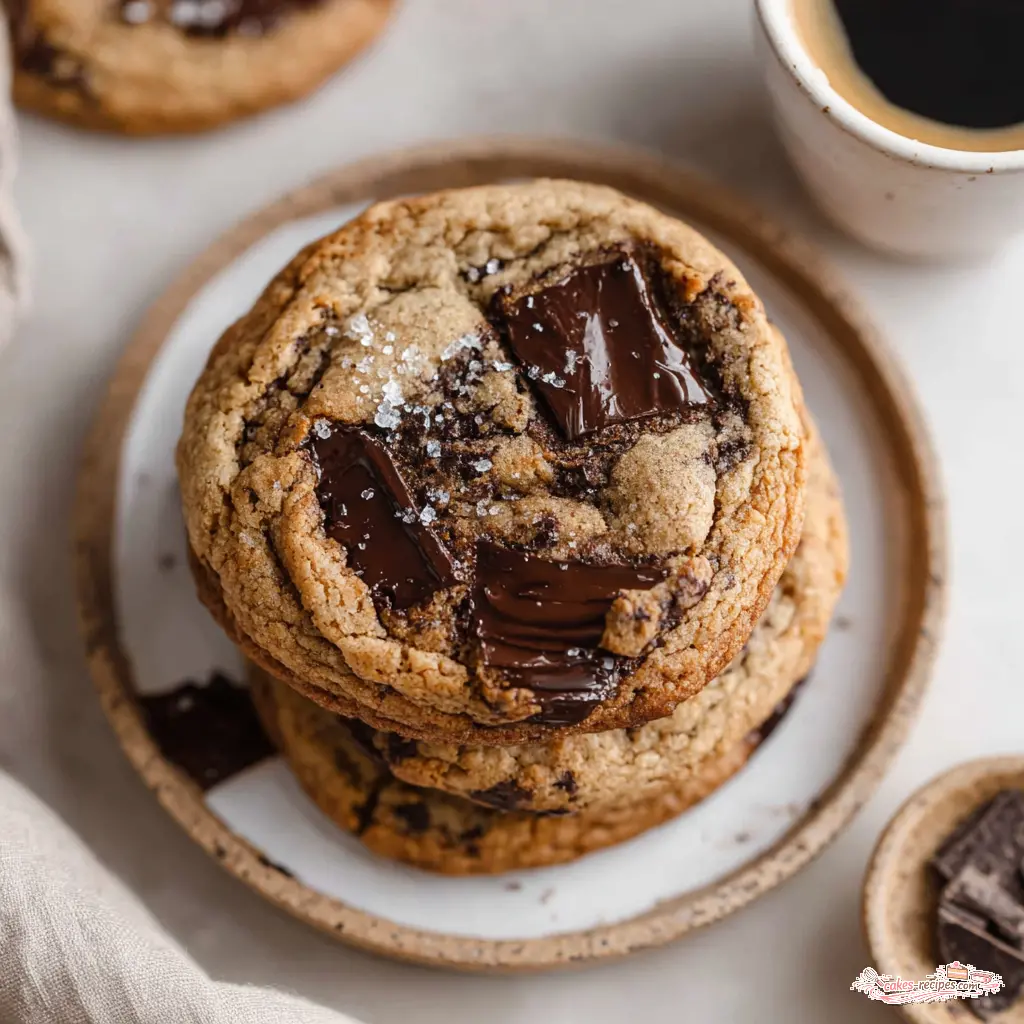
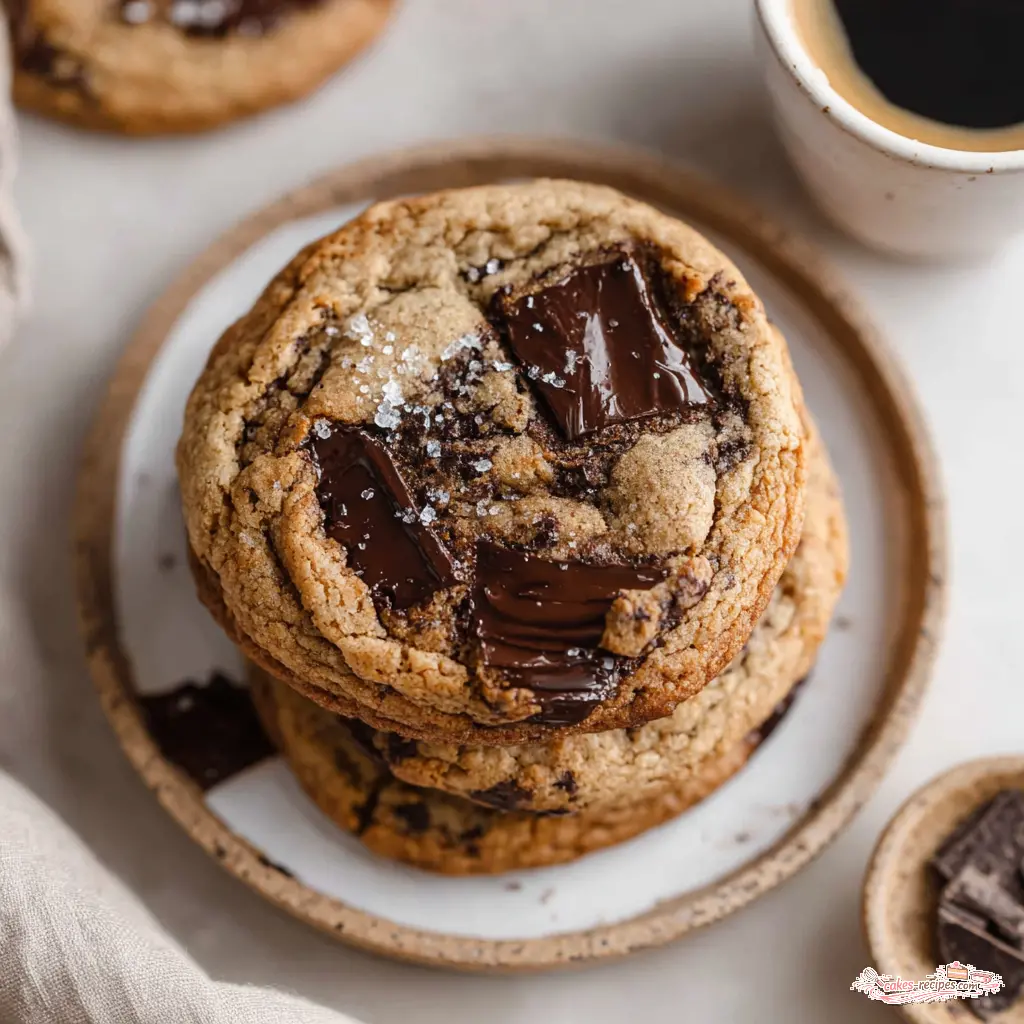
Brown Butter Espresso Coffee Cookies with Dark Chocolate
Ingredients
Method
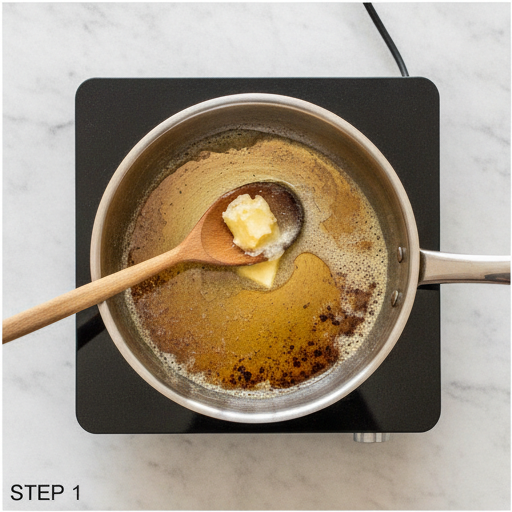
- In a medium saucepan over medium heat, melt the butter, stirring frequently. Continue cooking until the butter turns a deep amber color and smells nutty, about 5-7 minutes. Immediately remove from heat and pour into a large mixing bowl.
- Stir the instant espresso powder into the warm browned butter until fully dissolved. Set aside to cool for 10 minutes.
- In a separate bowl, whisk together the flour, cornstarch, baking soda, and sea salt. Set aside.
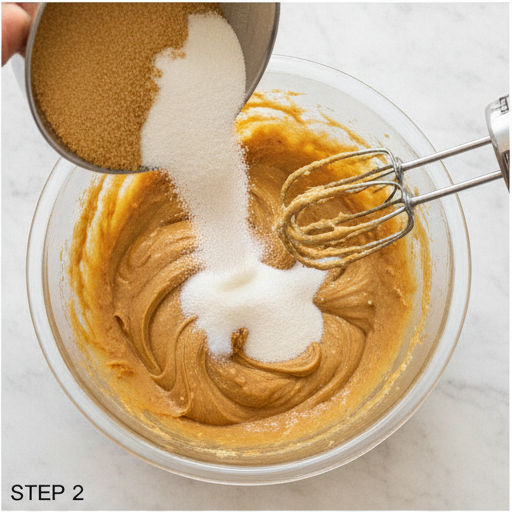
- To the cooled butter mixture, add the brown sugar and granulated sugar. Beat with an electric mixer on medium speed until well combined, about 2 minutes.
- Add the whole egg, egg yolk, and vanilla extract. Beat until smooth and creamy.
- Gradually add the flour mixture, mixing on low speed just until no dry streaks remain. Do not overmix.
- Fold in the chopped dark chocolate with a rubber spatula until evenly distributed.
- Using a cookie scoop or spoon, portion the dough into 2-tablespoon-sized balls. Place on a parchment-lined baking sheet, cover, and refrigerate for at least 1 hour, or up to 3 days for best flavor.
- When ready to bake, preheat the oven to 350°F. Line two baking sheets with parchment paper.
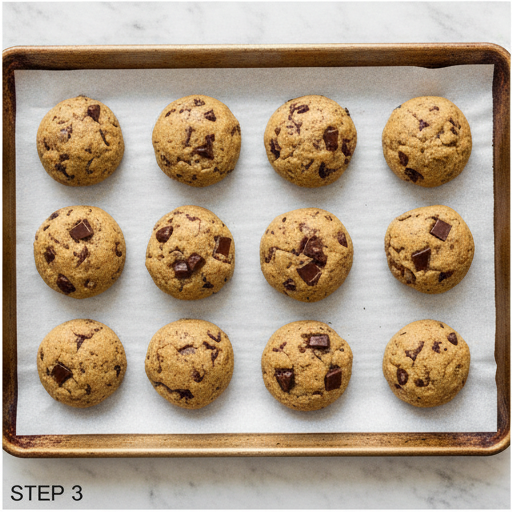
- Place the chilled cookie dough balls 2 inches apart on the prepared baking sheets. Bake for 8-10 minutes, until the edges are golden brown and the centers are still slightly soft.
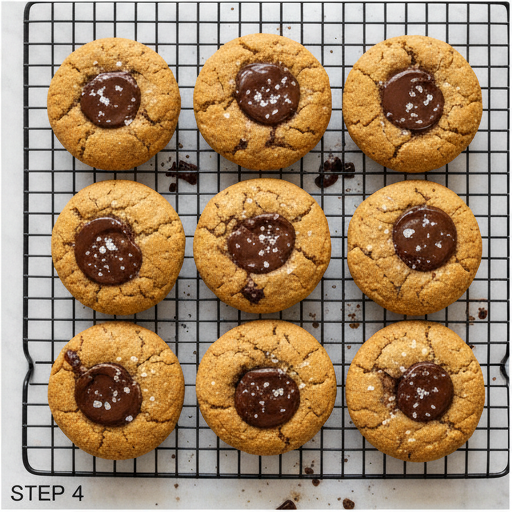
- Let the cookies rest on the baking sheet for 1 minute, then transfer to a wire rack to cool completely. While still warm, sprinkle with flaky sea salt if desired.
Nutrition
Notes
Tried this recipe?
Let us know how it was!Why You’ll Love These Coffee Cookies
You know that feeling when your morning coffee calls for a cookie companion? Like, the two just belong together. That’s exactly what I was chasing when I developed these brown butter espresso coffee cookies.
Here’s the thing I didn’t grow up baking coffee cookies. I came to it through coffee roasting. I spent a year in Colombia learning from Rosa, who ran this tiny roastery in the mountains. She’d make these simple coffee cakes using beans she’d roasted that morning. The coffee flavor was so clean and bold it changed my understanding of what coffee dessert could be. When I came back to Portland, every ‘coffee cookie’ I tasted was disappointingly weak.
So I set out to make a coffee cookie recipe that actually tastes like coffee. Not like coffee-flavored candy. Real, bold, complex coffee. And honestly, after dozens of tests, these are the ones.
What makes them special? Three things:
- Brown butter adds a nutty, toasty depth that amplifies the coffee
- Instant espresso powder gives you that concentrated coffee punch without extra liquid
- Dark chocolate 70% or higher, because the intensity needs to match
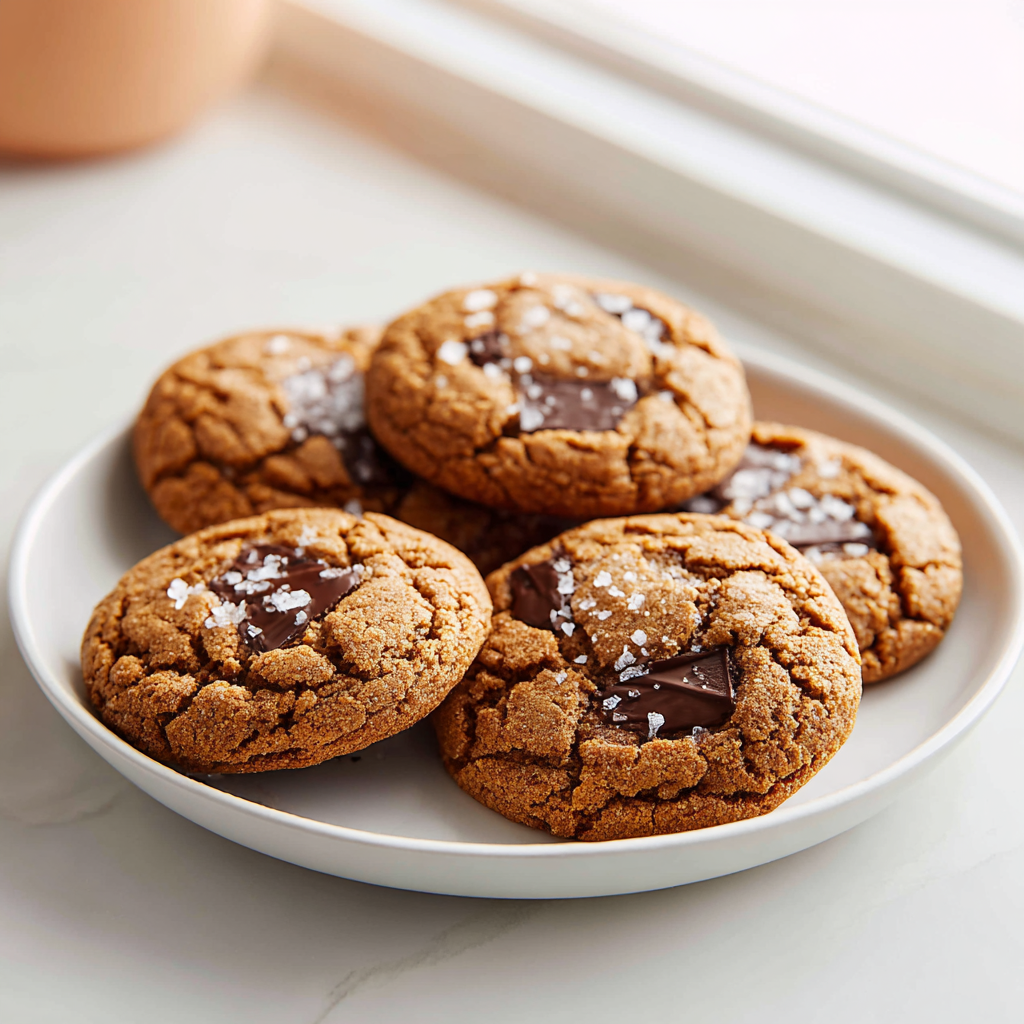
The result? Soft coffee cookies with crispy edges, gooey centers, and that perfect balance of bitter and sweet. They’re the kind of cookies you make for yourself on a Tuesday afternoon and suddenly your whole kitchen smells like a coffee shop.
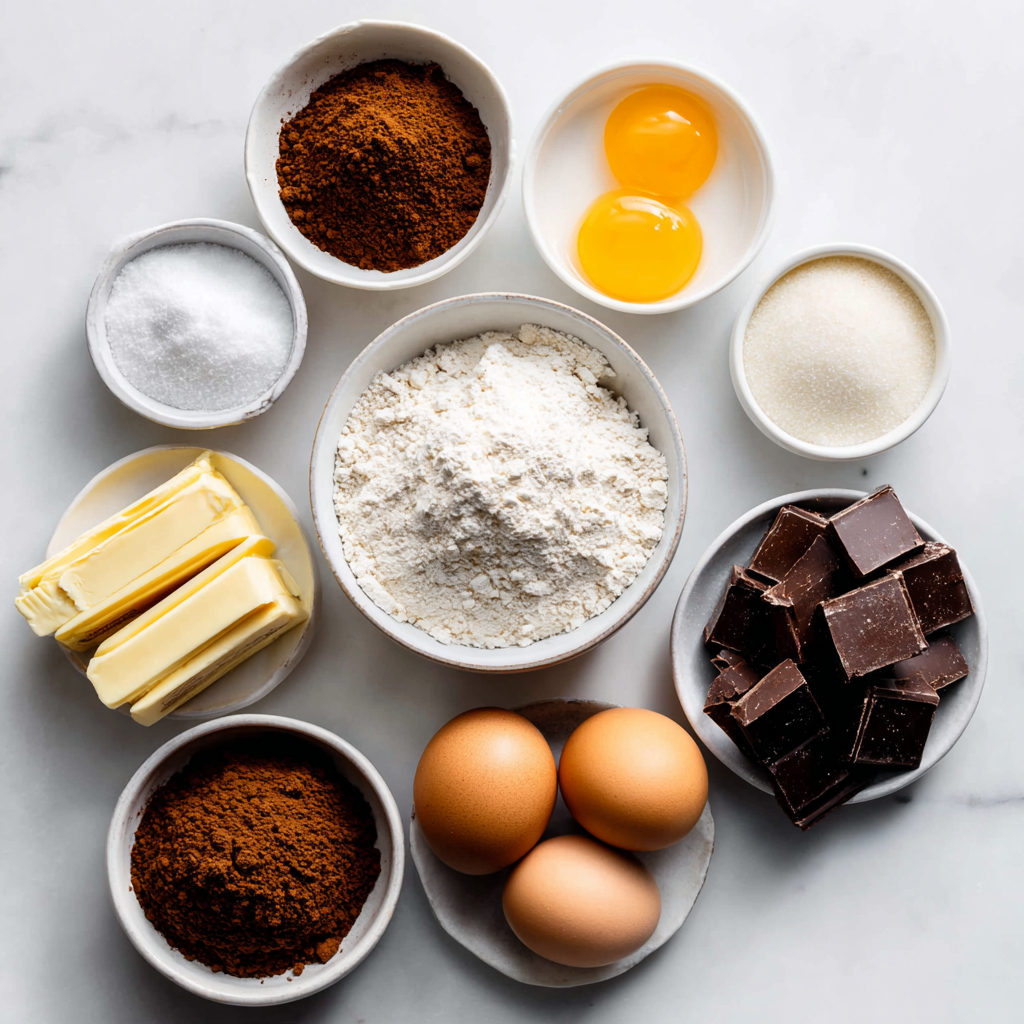
Ingredients for Coffee Cookies
Let’s talk about what goes into these coffee cookies. The ingredient list is pretty straightforward, but a few items deserve some attention.
Unsalted butter We’re browning it, so you want control over the salt. A full cup (two sticks) gives us enough fat to work with.
Instant espresso powder This is non-negotiable for me. Instant coffee works in a pinch, but espresso powder has a deeper, more concentrated flavor. I use Medaglia d’Oro or King Arthur Flour’s brand. You want 1/3 cup that’s a lot, I know, but trust the process.
Brown sugar and granulated sugar The brown sugar adds moisture and that slight molasses note that pairs beautifully with coffee. The granulated sugar helps with spreading and crispiness.
Egg plus one yolk The extra yolk is my secret for soft coffee cookies. More fat, more richness, more tenderness.
Dark chocolate I use a bar of 72% dark chocolate and chop it into chunks. Chips work fine, but chunks give you those beautiful pools of melted chocolate.
That’s it. No fancy extracts, no weird ingredients. Just coffee cookie basics done right.
How to Make Coffee Cookies Step by Step
Now for the fun part. I’m going to walk you through the four major stages of making these coffee cookies. Each step has a reason behind it I’ll explain the why as we go.
Stage 1: Browning the Butter
This is where the magic starts. In a medium saucepan over medium heat, melt your butter. Stir it frequently don’t walk away. You’re looking for the butter to turn a deep amber color and smell nutty. That takes about 5-7 minutes. The moment it hits that color, pull it off the heat and pour it into a large mixing bowl. Those little brown specks at the bottom? That’s the milk solids toasting. That’s flavor.
Now, while the butter is still warm, stir in your instant espresso powder. Watch it dissolve into this dark, fragrant liquid. The smell alone will make you hungry. Let it cool for about 10 minutes you don’t want to cook the eggs later.
Stage 2: Making the Dough
In a separate bowl, whisk together your dry ingredients flour, cornstarch, baking soda, and sea salt. The cornstarch is a trick for softer coffee cookies. It tenderizes the gluten.
To your cooled butter mixture, add both sugars. Beat with an electric mixer on medium speed for about 2 minutes. You want it well combined and slightly fluffy. Then add the whole egg, egg yolk, and vanilla. Beat until smooth and creamy.
Here’s the important part: gradually add the flour mixture, mixing on low speed just until no dry streaks remain. Do not overmix. Overmixing develops gluten and gives you tough cookies. We want tender.
Finally, fold in your chopped dark chocolate with a rubber spatula. Even distribution is key.
Stage 3: Chilling the Dough
This step is critical, especially if you’re baking in summer. Using a cookie scoop or spoon, portion the dough into 2-tablespoon-sized balls. Place them on a parchment-lined baking sheet, cover, and refrigerate for at least 1 hour. You can go up to 3 days the flavor actually deepens over time.
Why chill? Cold butter spreads slower in the oven. That means thicker, chewier cookies instead of flat puddles. In hot weather, your dough can get soft fast, so don’t skip this.
Stage 4: Baking to Perfection
When you’re ready, preheat the oven to 350°F. Line two baking sheets with parchment paper. Place the chilled dough balls 2 inches apart they’ll spread.
Bake for 8-10 minutes. You want the edges golden brown and the centers still slightly soft. They’ll continue to set on the sheet after you pull them out. Let them rest for 1 minute, then transfer to a wire rack.
While still warm, sprinkle with flaky sea salt if you want that sweet-salty thing. I always do.
Tips for the Best Coffee Cookies
Over the years, I’ve learned a few things that make the difference between good coffee cookies and great ones. Here’s what I’ve found:
- Use instant espresso powder, not ground coffee. Ground coffee won’t dissolve and will leave gritty bits. Instant dissolves completely into the butter.
- Don’t skip the cornstarch. It’s the secret to soft coffee cookies that stay soft for days.
- Cool the browned butter before adding eggs. If it’s too hot, you’ll scramble the eggs. Let it sit for 10 minutes.
- Measure flour correctly. Spoon it into your measuring cup and level it off. Scooping directly packs the flour and gives you dry cookies.
- Chill the dough. I can’t stress this enough. At least 1 hour. Your cookies will thank you.
- Slightly under-bake. Pull them when the edges are set but the centers look soft. They’ll finish cooking on the hot sheet.
Common Coffee Cookie Mistakes
❌ Using regular ground coffee instead of instant: Gritty texture, weak flavor. ✅ Stick with instant espresso powder.
❌ Not dissolving instant coffee before adding: You’ll get bitter specks. ✅ Dissolve it in the warm browned butter.
❌ Overmixing the dough: Tough, dense cookies. ✅ Mix just until no dry streaks remain.
❌ Skipping the chill step: Flat, spread-out cookies. ✅ Chill for at least 1 hour.
❌ Overbaking: Dry, crumbly cookies. ✅ Pull them when centers are still soft.
Recipe Variations
One of the best things about this coffee cookie recipe is how versatile it is. Here are some ways to change it up:
- Mocha cookies: Add 1-2 tablespoons of cocoa powder to the dry ingredients. You get a double hit of chocolate and coffee.
- Add nuts: Fold in 1/2 cup of chopped almonds or pecans with the chocolate. I like using almonds from the Central Valley here in California.
- Tiramisu-inspired: Skip the chocolate and top the baked cookies with a mascarpone cream frosting. Dust with cocoa powder.
- Gluten-free version: Swap the all-purpose flour for a good gluten-free 1-to-1 baking flour. I’ve tested this with Bob’s Red Mill and it works beautifully.
- Dairy-free version: Use vegan butter in place of unsalted butter. The flavor will be slightly different, but still delicious.
- Small batch: Cut all ingredients in half. You’ll get about 12 cookies instead of 24.
Each variation changes the texture slightly, so experiment and find your favorite.
Storage and Freezing
These coffee cookies stay fresh for up to 5 days in an airtight container at room temperature. I like to line the container with a paper towel to absorb any excess moisture. Don’t refrigerate them that dries them out.
For longer storage, you can freeze the unbaked dough balls. Portion them out, place on a baking sheet, freeze until solid, then transfer to a Ziploc bag. They’ll keep for up to 3 months. When you’re ready to bake, just add 1-2 minutes to the baking time no need to thaw.
If you’re reheating baked cookies, pop them in the microwave for 15-20 seconds. They’ll taste fresh from the oven.
Frequently Asked Questions
These coffee cookies have become my go-to for everything from lazy Sunday mornings to summer gatherings with friends. They pair beautifully with a cold brew or a tall glass of milk. And honestly, they’re the kind of cookie that makes people ask for the recipe before they’ve even finished the first one.
If you make these, tag me with your cookie creations! I love seeing them come to life in other kitchens. And if you’re looking for more inspiration, check out my coffee dessert board on Pinterest I’m always adding new ideas.
Trust the process, don’t skip the chill step, and remember: coffee cookies should taste like coffee. Rosa would approve.
Source: Health & Nutrition Research
Can I use Instant Espresso Powder instead of Instant Coffee?
Absolutely, and I actually recommend it. Instant espresso powder has a deeper, more concentrated flavor that stands up better to the butter and sugar. Instant coffee works too, but you’ll get a milder coffee cookie.
Can I use brewed coffee or espresso instead?
I wouldn’t. Brewed coffee adds too much liquid to the dough, which changes the texture and can make cookies spread too much. Stick with instant espresso powder dissolved in the browned butter it gives you pure flavor without messing with the chemistry.
Can I add other ingredients like nuts or chocolate chips to coffee cookies?
Yes! Fold in up to 1 cup of chopped nuts, chocolate chips, or toffee bits. Just keep in mind that add-ins can affect baking time slightly. If you’re adding a lot, you might need an extra minute in the oven.
What does espresso powder do in cookies?
Espresso powder adds concentrated coffee flavor without extra liquid. It dissolves into the fat (browned butter here) and infuses the entire dough. It also enhances chocolate flavor if you’re using chocolate that’s why you see it in many chocolate cake recipes.
Can I use ground coffee instead of espresso powder?
Please don’t. Ground coffee won’t dissolve and will leave gritty, bitter bits in your cookies. Instant espresso powder is specifically designed to dissolve completely. It’s the only way to get smooth, even coffee flavor.
Can I Use Espresso Instead of Espresso Powder?
Fresh brewed espresso adds too much moisture. You’d need to adjust the flour and it gets complicated. Espresso powder is dehydrated and concentrated it’s actually more potent than fresh espresso in baked goods.
Do coffee cookies have caffeine?
Yes, they do. Instant espresso powder contains caffeine, though less than a cup of coffee. Each cookie probably has about 5-10mg of caffeine roughly the same as a square of dark chocolate. Not enough to keep you up, but enough to notice.
What is the best way to add coffee flavor to cookies?
Dissolving instant espresso powder into warm browned butter is my go-to method. It distributes evenly, adds depth, and the browning process complements the coffee’s natural nuttiness. This gives you the most authentic coffee flavor without any weird aftertaste.
What tools do you need to make coffee cookies?
Nothing fancy. A medium saucepan for browning butter, a large mixing bowl, an electric mixer (handheld works fine), a rubber spatula, a cookie scoop, and baking sheets lined with parchment paper. That’s it.