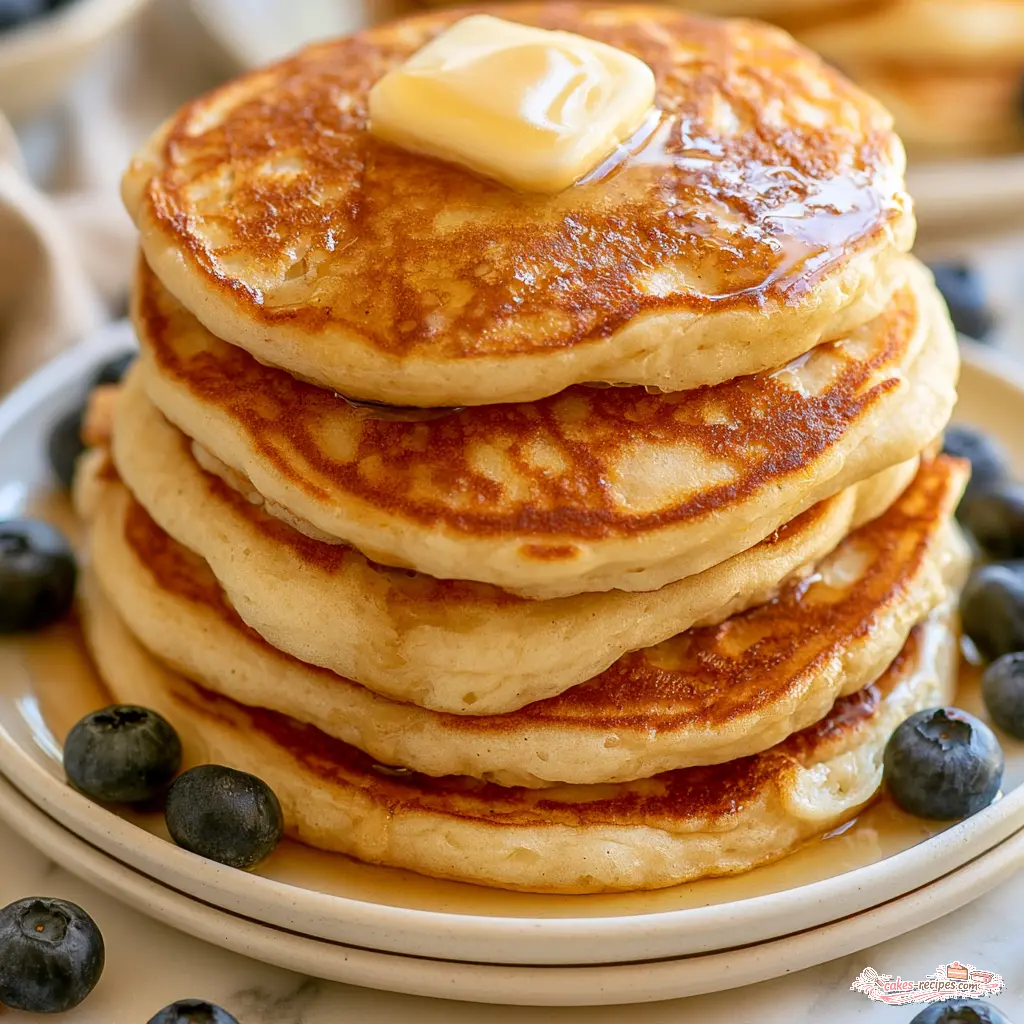
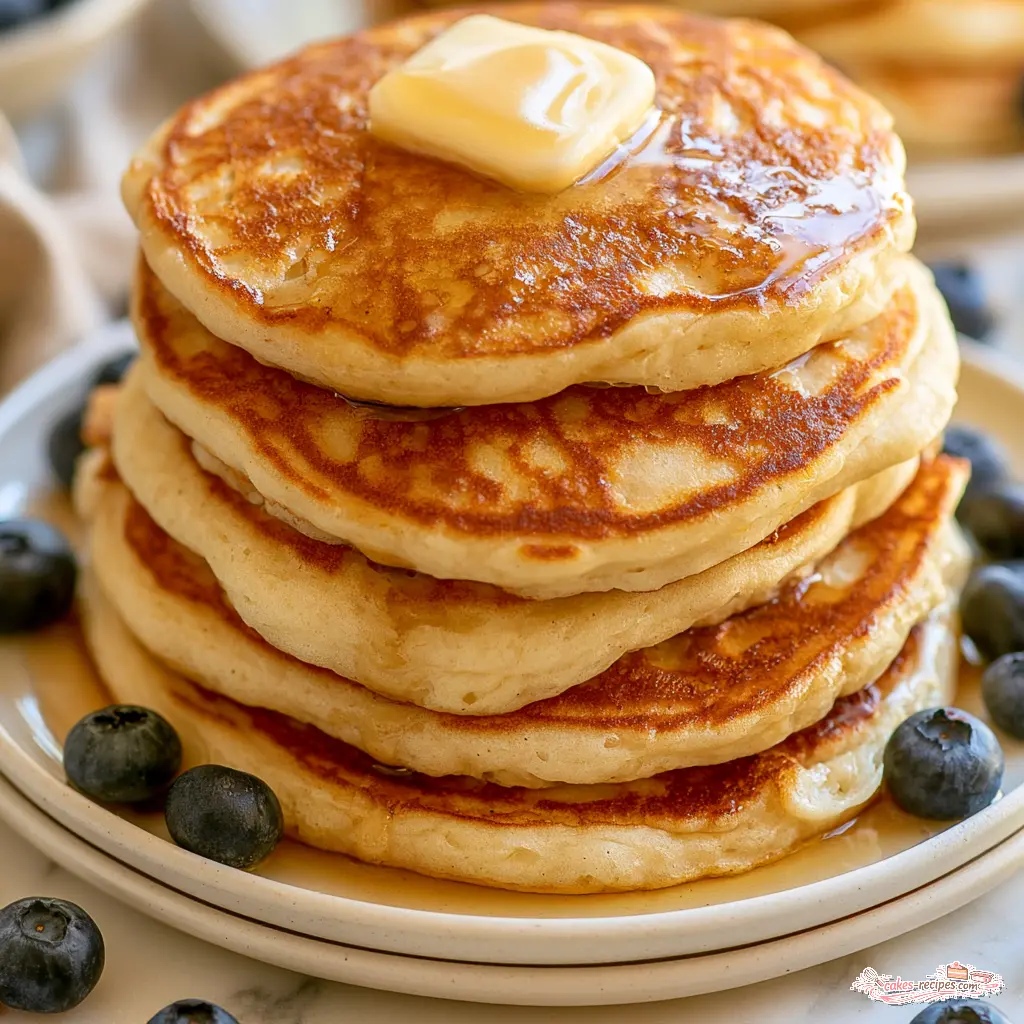
Fluffy Sourdough Discard Pancakes with Crisp Golden Edges
Ingredients
Method
- In a large mixing bowl, stir together the flour, sugar, salt, sourdough discard, eggs, milk, vanilla, and avocado oil. Do not add the baking powder or baking soda yet; whisk just until no dry patches remain, then cover the bowl and refrigerate overnight.
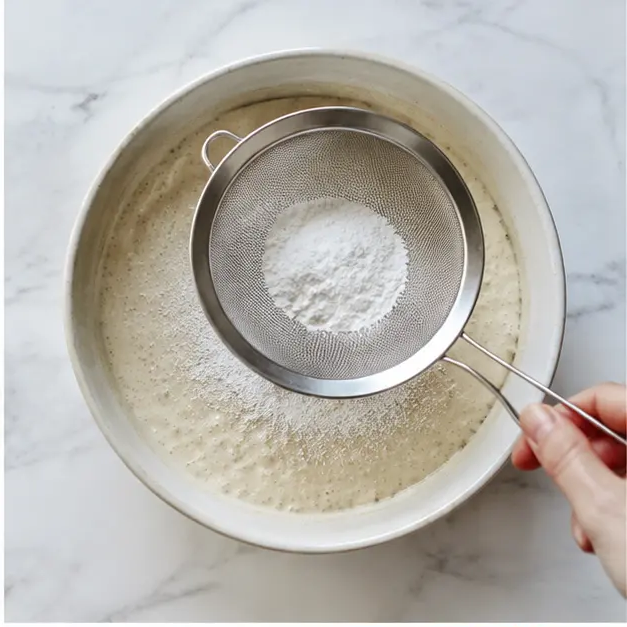
- The following morning, sift the baking powder and baking soda over the chilled batter. Whisk gently until the leaveners are fully mixed in.
- The batter should look thick and show tiny bubbles. If it seems too dense to scoop, loosen it with 1 tablespoon of milk at a time.
- Set the batter aside for at least 5 minutes so it becomes lively and bubbly. You can use it straight from the fridge.
- For a same-day version, whisk the flour, sugar, salt, baking powder, and baking soda in a large bowl. Add the sourdough discard, eggs, milk, vanilla, and oil, then stir gently until smooth. Let the batter rest for 5 to 10 minutes.
- Warm a large skillet or griddle over low heat and add about 1 tablespoon of oil, swirling to coat the bottom evenly.
- Use a 1/3-cup scoop to pour the batter into the pan. Cook over low heat until the edges look set and bubbles pop on the surface, then flip. Continue cooking until both sides are deep golden. Serve warm with fresh berries, maple syrup, or strawberry puree.
Nutrition
Notes
Tried this recipe?
Let us know how it was!Why These Fluffy Sourdough Discard Pancakes Work
Labor Day weekend means one thing in my kitchen: a slow, syrupy pancake brunch. It’s also the perfect excuse to finally use up that sourdough starter discard that’s been staring at me from the fridge all week.
You know the jar. Every morning, you open the fridge, and there it sits. Throwing it away feels wasteful, but what else do you do with it? I’ve been there. I’ve poured plenty of discard down the drain with a side of guilt.
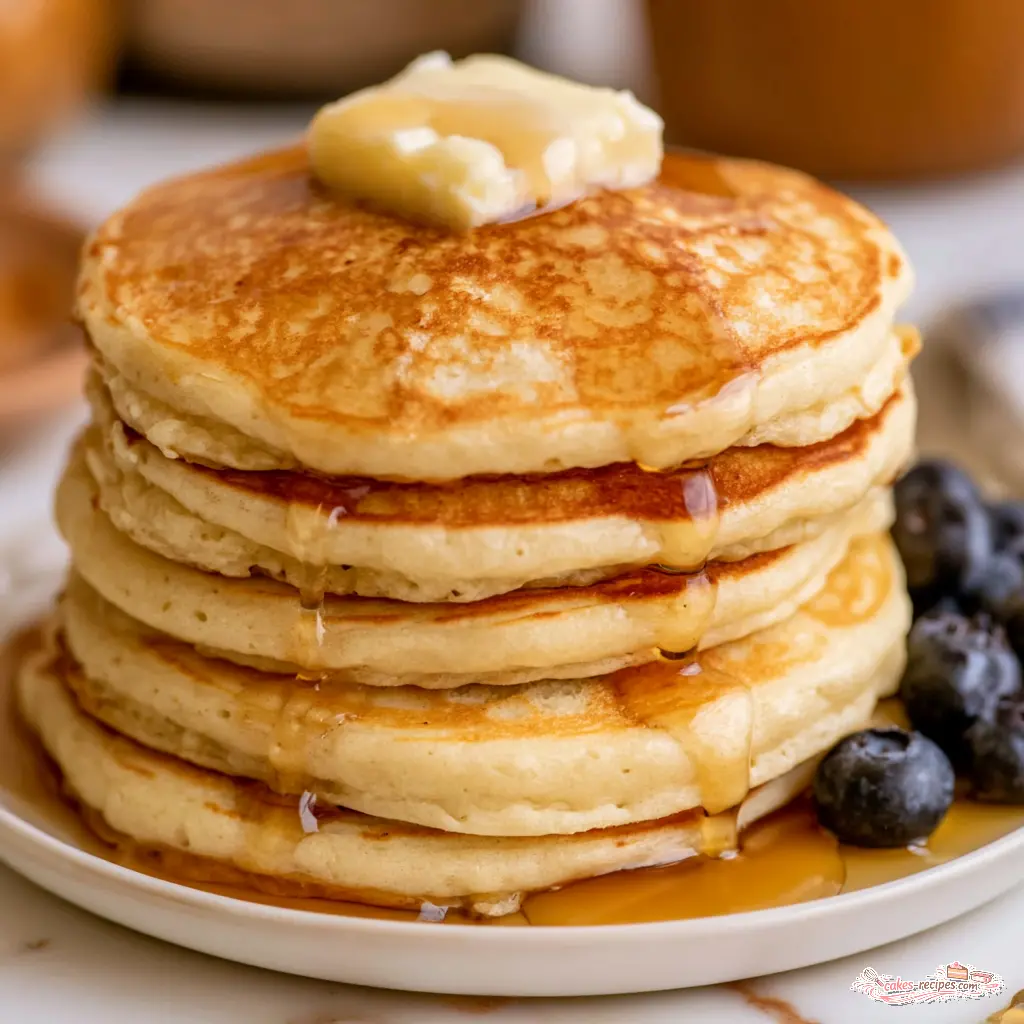
These fluffy sourdough discard pancakes are the fix. They turn unfed sourdough starter into a towering stack with crisp edges and pillowy centers. And they come together in about 20 minutes, which makes them my favorite easy sourdough discard recipe for hectic September mornings.
Full disclosure, I almost didn’t share this recipe because it’s almost too simple. But simple is exactly the point. One bowl, ten ingredients, and that jar you’ve been feeling guilty about. Let me walk you through why these fluffy sourdough pancakes work.
- The tang is intentional. That gentle sourdough tangy pancake flavor tastes artisanal, not accidental.
- Baking soda meets sourdough acidity. My husband, the chemistry teacher, calls it a tiny volcano in the batter. He’s not wrong. The acid reacts with the baking soda to create carbon dioxide, which lifts the pancakes while the baking powder adds extra fluff.
- Zero-waste sourdough baking that feels like a weekend treat, not a chore.
- Overnight or same day. Both versions work, and I’ll walk you through each.
In my testing, the first batch came out dense. The second was too sour. The third was exactly right. This is that third batch.
Ingredients You’ll Need
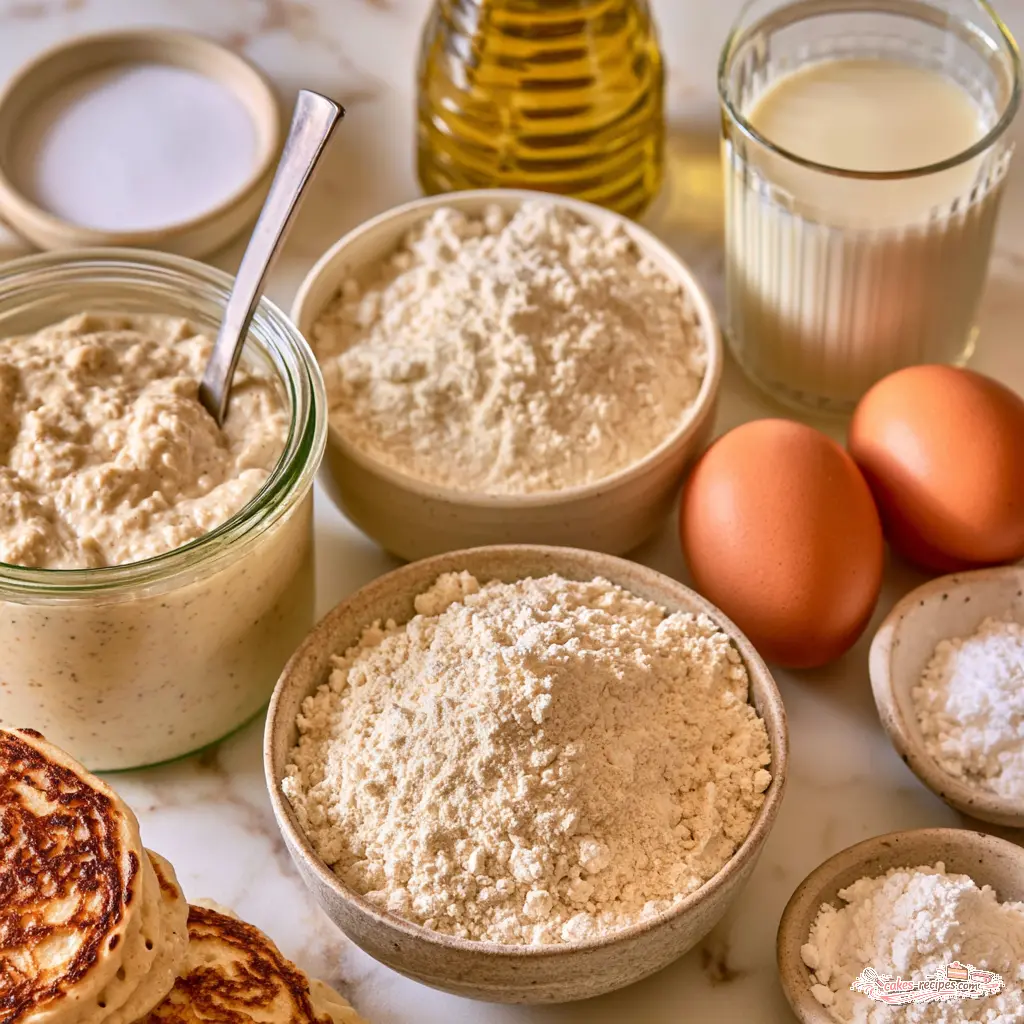
You probably have all of this already, which is my favorite part about fluffy sourdough discard pancakes.
- Sourdough discard, straight from the fridge. Use your unfed sourdough starter discard, not active bubbly starter. Active starter has different texture and hydration, and it won’t give you the same result.
- All-purpose flour, spooned and leveled. Too much flour means dense, heavy pancakes.
- Baking powder and baking soda. Both. The soda neutralizes the tang while creating lift, and the powder adds even more height.
- Eggs at room temperature. They blend into the batter more smoothly than cold ones.
- Whole milk. It gives the most tender crumb. Any milk you have works fine.
- Avocado oil. Neutral flavor, so the sourdough tang can shine. Plus more for the skillet.
You might have heard of the 321 rule pancakes ratio. This recipe is a friendlier, fluffier take on that idea, built around exactly one cup of discard, which is usually what’s sitting in your jar. It assumes a standard 100% hydration discard, equal parts flour and water.
How to Make Fluffy Sourdough Discard Pancakes
The full recipe is in the card above. Here are the four stages that actually matter. None of them are hard, but each one earns its keep.
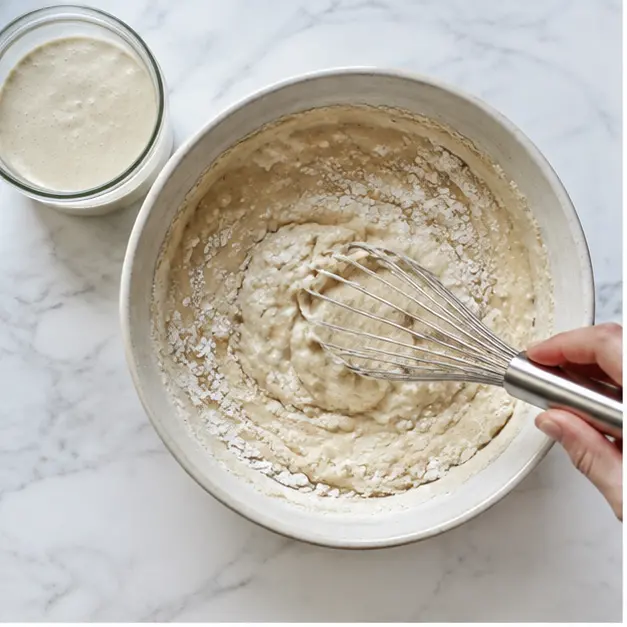
Stage 1: Mix the base batter. Whisk the flour, sugar, salt, sourdough discard, eggs, milk, vanilla, and avocado oil in a large bowl. Stop when no dry patches remain. If you’re making overnight sourdough pancakes, cover and refrigerate right now, before the leaveners go in. That matters, because baking powder and baking soda lose their power if they sit in the batter too long.
Stage 2: Add the leaveners. The next morning, sift the baking powder and baking soda over the chilled batter. Sifting keeps them from clumping, so nobody bites into a pocket of baking soda. Whisk gently, then let the batter rest for at least 5 minutes. You’ll see tiny bubbles appear, like the batter is waking up. That pancake batter resting time builds fluff.
Short on time? The same-day version works beautifully too. Whisk the dry ingredients first, then stir in the wet, and rest the batter for 5 to 10 minutes.
Stage 3: Cook low and slow. Warm a large skillet or griddle over low heat, then add about 1 tablespoon of avocado oil and swirl to coat. Low heat is the secret to golden brown pancake edges without scorched outsides. Cast iron skillet pancakes need even lower heat, since cast iron holds warmth like a champ.
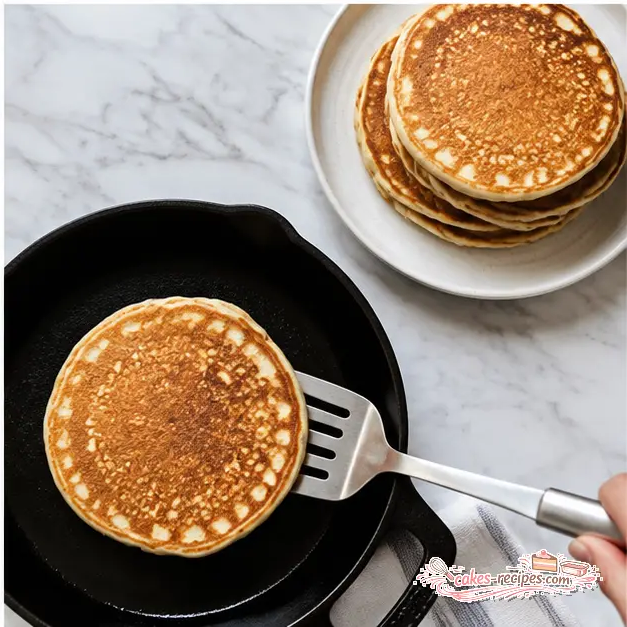
Cook one small test pancake before committing to the full batch. It’s your heat check. If it browns too fast, dial the burner down. The first side usually takes 2 to 3 minutes, depending on your pan.
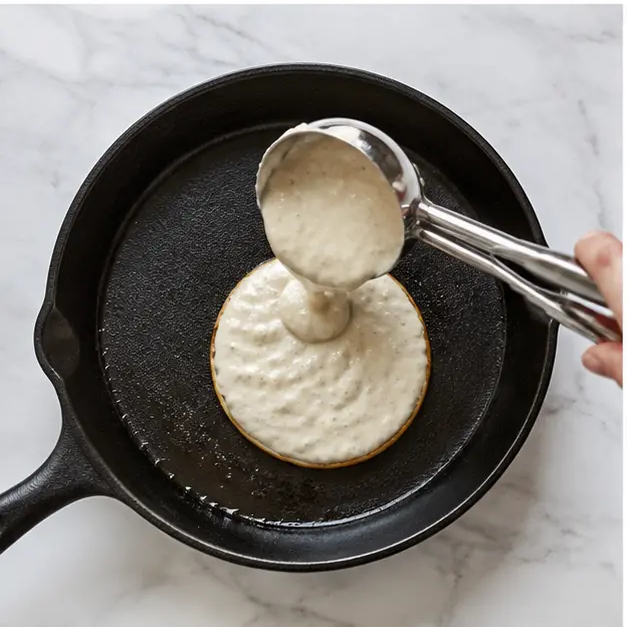
Stage 4: Flip. Use a 1/3-cup scoop to pour the batter. Cook until the edges look set and bubbles pop on the surface, then flip. That soft thump of the flip might be my favorite sound in the kitchen. Cook until both sides are deep golden, then serve warm.
Tips for the Best Pancakes
A few small details separate a good batch of sourdough discard pancakes from a great one.
- Check your leaveners. Old baking powder gives flat pancakes. If you’re not sure, stir a spoonful into warm water. No fizz means it’s time to replace it.
- Grease the skillet even if it’s nonstick. It helps the pancakes release cleanly and gives you crisper edges.
- Try butter instead of oil for especially crisp, buttery edges. Just keep the heat low, since butter burns faster than oil.
- Don’t overmix. Stir until smooth and stop. Overmixing develops gluten, and gluten makes pancakes gummy and tough.
- Watch the consistency. The batter should be thick but scoopable. Too dense? Loosen it with 1 tablespoon of milk at a time.
- Lower the heat as you go. Skillets get hotter with each batch. Adjust so every pancake stays golden instead of scorched.
Pancake Variations and Toppings
This fluffy sourdough discard pancakes recipe takes kindly to add-ins. Fold a handful of blueberries or chocolate chips into the batter just before cooking, and it’s a whole new breakfast.
For toppings, I keep it classic: maple syrup and a spoonful of strawberry puree. The sweetness balances the tangy pancake flavor perfectly.
Can you swap the avocado oil? Absolutely. Any neutral oil works, like canola or vegetable. Melted butter works too, and it adds richness. Just avoid strongly flavored oils, they’ll compete with the sourdough.
Want even more tang? Some folks swap part of the milk for buttermilk. It’s a fun buttermilk pancakes substitute experiment, and the extra acid gives the baking soda even more to react with.
How to Store and Reheat Leftovers
Leftover fluffy sourdough discard pancakes store beautifully, which is dangerous, because I could eat the whole batch myself.
- Refrigerate: up to 3 days in an airtight container.
- Freeze: up to 2 months. Layer them between sheets of parchment so they don’t stick together.
- Reheat: pop them in the toaster until warm and the edges crisp right back up.
And about that discard jar? Your sourdough discard stays usable in the fridge for about 10 days. If you see a grayish liquid on top, that’s hooch. Pour it off and give the jar a stir. Totally fixable.
Troubleshooting and FAQ
Let’s fix the common problems before they happen.
- ❌ Flat pancakes → ✅ Check the freshness of your baking powder and baking soda. Old leaveners won’t lift anything.
- ❌ Gummy, dense centers → ✅ You overmixed. Next batch, stir just until combined, then stop.
- ❌ Burnt outside, raw inside → ✅ Heat too high. Cook low and slow, and wait for the bubbles before flipping.
- ❌ Too sour for picky eaters → ✅ Use fresher discard. The longer discard sits in the fridge, the more acidic it becomes.
Still have questions? Here are the ones I hear most often.
Do the gut health benefits of sourdough survive baking?
Honestly, the live cultures don’t survive the heat of the griddle. But fermentation still breaks down some gluten and phytic acid before baking, which can make the pancakes easier to digest. So you’re not getting probiotics, but you’re getting a head start.
uffy sourdough discard pancakes, you’re officially out of excuses. That jar of discard in your fridge has a purpose now, and it’s a tall, golden stack of breakfast happiness. Drop a comment below and let me know how yours turned out. And if you added mix-ins, I want to hear about those too.Expert Notes & Data Insights
Before I hand over the last word, here’s the nerdy breakdown I wish someone had given me when I first started baking with discard. This is the stuff I learned through six rounds of testing, one very patient husband, and a lot of pancakes.
Why the Acid-Base Reaction Actually Matters
My husband, the chemistry teacher, calls it the secret to the fluff. Sourdough discard is naturally rich in lactic and acetic acids, the same compounds that give it that signature tang. When baking soda enters the mix, it reacts with those acids to produce carbon dioxide. That’s your first surge of lift. Baking powder then triggers a second surge when it hits the heat of the skillet. This one-two punch is why you need both leaveners, and why skipping either one gives you flat, dense pancakes.
What the Rest Time Really Does
I tested this more times than I care to admit. Pancakes cooked from batter rested for 5 minutes were noticeably fluffier than pancakes cooked immediately. At 10 minutes, the texture improved even more. The science is simple: the flour needs time to hydrate, and the gas bubbles need time to form and expand. So when the recipe says rest, it’s not being dramatic. It’s being accurate.
Sourdough Discard, Demystified
You’ve probably heard conflicting things about discard. Here’s what I’ve landed on after months of baking with it. Keep discard in the fridge for up to 10 days, and if you see grayish liquid sitting on top, that’s hooch. It’s harmless, just pour it off and stir. You can also freeze discard for later, which is a great way to save it if you’re not making pancakes every week. And here’s a fun fact: the discard that’s been sitting the longest is actually the most flavorful, since it’s had the most time to ferment. That extra acidity gives the baking soda even more to work with, which means better lift.
What Fermentation Really Does to the Flour
I’ll just say it plainly: the probiotic benefits do not survive the griddle. The heat kills the live cultures. But fermentation still changes the flour in important ways. The natural acids break down phytic acid, which can block mineral absorption. What’s left is a pancake that’s easier to digest and makes the iron, zinc, and calcium in your flour more available to your body. That’s a win even without the probiotics.
Nutritional Snapshot
For the data lovers, here’s the approximate breakdown for one pancake made with a 1/3-cup scoop and the recipe as written:
- Calories: Approximately 215
- Protein: 6g
- Carbohydrates: 28g
- Fat: 9g
- Fiber: 1g
These are friendly estimates, not a lab report. Swap in whole wheat flour and you’ll add a little fiber. Use melted butter instead of oil and the fat content shifts. But for the recipe as written, this is your ballpark.
Heat Management Cheat Sheet
- Electric griddle: 300°F to 325°F is the sweet spot.
- Regular skillet: low to medium-low. Give the pan a full 5 minutes to preheat.
- Cast iron: keep it at medium or lower. Cast iron holds heat like a champion, so it needs less fire and more patience.
- Batch one vs. batch three: your skillet gets hotter with every batch. Dial the heat down as you go so the last pancake comes out as golden as the first.
That’s the whole story. The science, the troubleshooting, and the secret to the fluffiest batch of fluffy sourdough discard pancakes you’ll ever make. Now go heat up that skillet and give that discard jar a second look. Your breakfast is waiting.
What makes fluffy sourdough discard pancakes so light and airy?
It’s a two-part lift. The baking soda reacts with the natural acids in your sourdough discard, creating carbon dioxide bubbles. The baking powder adds a second wave of rise. Resting the batter for at least 5 minutes lets those bubbles form, giving you that tall, pillowy texture.
Can I make the batter for fluffy sourdough discard pancakes the night before?
Yes, and it’s my favorite way to make them. Mix everything except the baking powder and baking soda, cover, and refrigerate overnight. In the morning, sift the leaveners over the chilled batter, whisk gently, rest 5 minutes, and cook. You get extra tang and a faster morning.
How should I store leftover sourdough discard pancakes?
Let them cool completely, then store in an airtight container in the fridge for up to 3 days. For longer, freeze for up to 2 months with parchment between each pancake. Reheat in the toaster until warm and crisp around the edges.
Can I substitute avocado oil with another oil in sourdough discard pancakes?
Absolutely. Any neutral oil like canola or vegetable works in a 1:1 swap. Melted butter works too and adds a little richness. Just skip strongly flavored oils, they’ll cover up that gentle sourdough tang.
What’s the best way to get crisp golden edges on sourdough discard pancakes?
Cook over low heat in a well-greased skillet. Low heat lets the edges set and turn golden before the center overcooks. For extra crispness, cook in butter instead of oil, and keep the heat low so the butter doesn’t burn.
Can I use active starter instead of sourdough discard?
Stick with discard for this recipe. Active starter has more bubbles and a different hydration, which changes the batter texture and makes pancakes less consistent. If you only have active starter, let it chill in the fridge overnight to mellow out.