
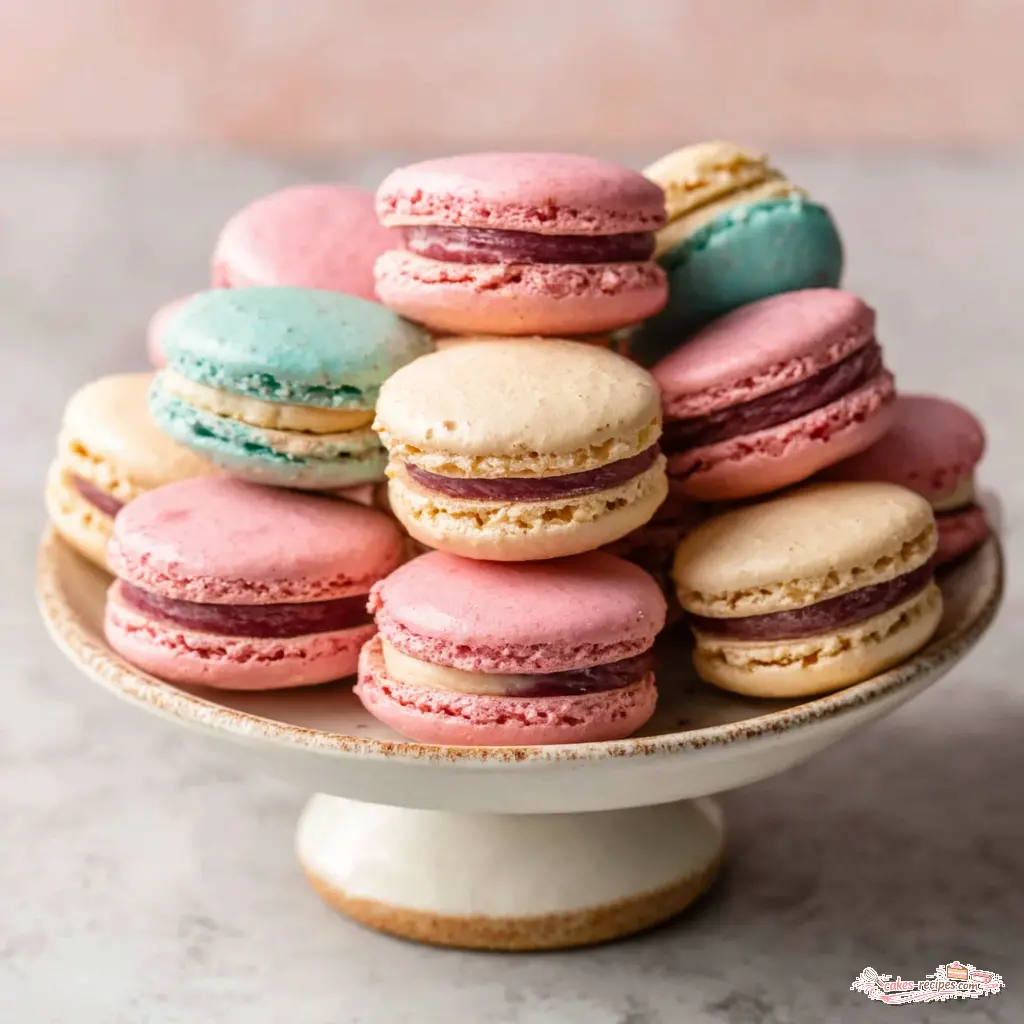
Classic French Macarons Recipes for Beginners
Ingredients
Method
- Preheat your oven to 300°F (150°C) and line baking sheets with parchment paper to prevent sticking.
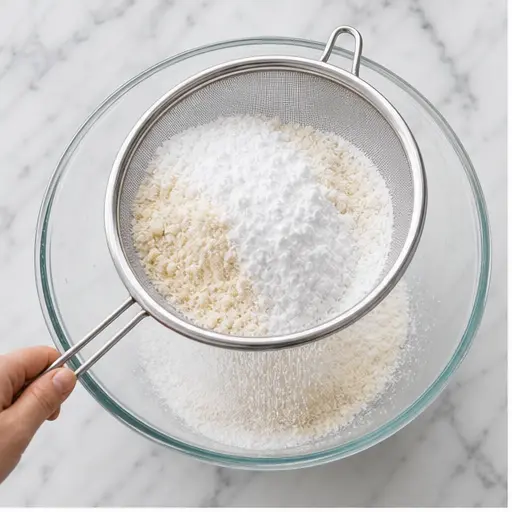
- Sift the almond flour and powdered sugar together through a fine-mesh sieve, discarding any lumps or large bits.
- Using an electric mixer, whip the egg whites on medium speed, gradually adding the granulated sugar until stiff, glossy peaks form.
- Gently fold the dry ingredients into the meringue with a spatula, using a precise folding motion to keep the batter airy and smooth.
- If desired, stir in food coloring and vanilla extract until evenly blended throughout the batter.
- Transfer the batter to a piping bag fitted with a round tip, and pipe small, even circles onto the prepared baking sheets.
- Let the piped macarons rest at room temperature for 25 to 35 minutes, until a thin skin forms on the surface.
- Bake in the preheated oven for 16 to 19 minutes, until the shells are set and matte, without browning.
- Remove from the oven and let the shells cool completely on the baking sheets before carefully peeling them off.
- Once cool, pair similar-sized shells and fill with your choice of buttercream, jam, or ganache to create elegant French confections.
Nutrition
Notes
Tried this recipe?
Let us know how it was!What Is a French Macaron?
Let me be real with you for a second. French macarons are finicky. Your first few might not be perfect, and that’s okay. I say this as someone who’s been there. My first batch? Flat, cracked, and honestly looked like sad little cookies that had given up on life. My mom, who taught me most of what I know about baking, just looked at them and said, “Well, they taste fine.” That’s family love right there.
But here’s the thing. Once you understand the science behind these delicate confections, they become less intimidating. A proper french macaron recipe gives you that perfect contrast: a crisp, thin shell that gives way to a soft, chewy interior. And those little ruffled feet at the bottom? That’s the sign you’ve nailed it. That’s the result you want.
So if you’re looking for french macarons recipes that actually work, you’re in the right place. Let’s break this down together.
Ingredients for French Macarons
The ingredient list for this french macarons recipe is surprisingly short. But each one plays a critical role. No room for substitutions here, folks.
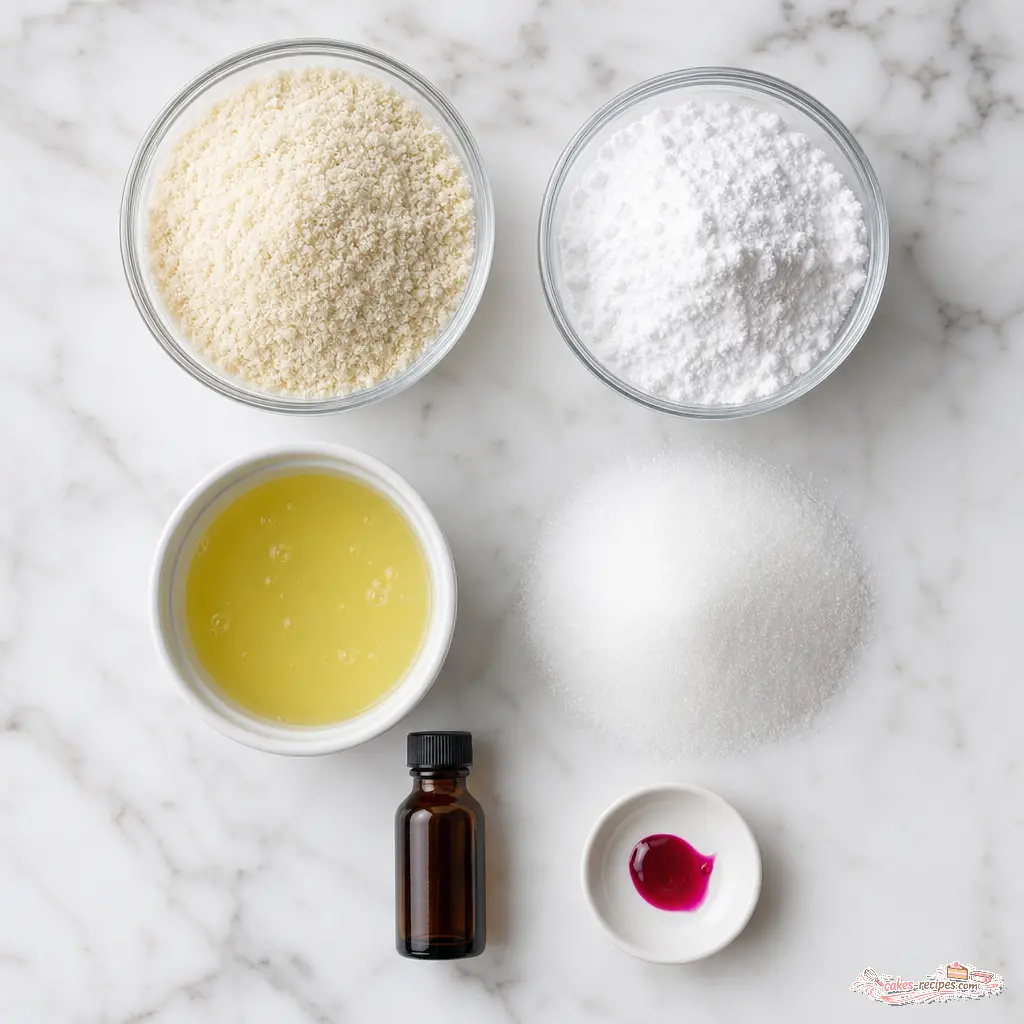
- Egg whites: Room temperature is non-negotiable. Cold egg whites won’t whip to the same volume. I like to separate mine and leave them on the counter for about an hour before starting.
- Almond flour: Finely ground is key. If you can find California Central Valley almonds, that’s ideal. They tend to be fresher and have a better flavor.
- Powdered sugar: This gives the shells their structure and sweetness. Don’t substitute with granulated sugar here.
- Granulated sugar: You’ll add this gradually to the egg whites to stabilize the meringue.
- Vanilla extract: A classic flavor. You could use other extracts, but let’s start simple.
- Food coloring: Optional, but it makes them look pretty. Gel or powder is better than liquid, which can throw off the moisture balance.
That makes sense, right? Simple ingredients, precise technique. That’s the macaron game.
Essential Tools
You don’t need a professional pastry kitchen, but a few tools make a world of difference. Here’s what I recommend having on hand:
- Kitchen scale for macarons: Seriously, get one. Measuring by weight is more accurate than cups, and accuracy is everything here.
- Fine-mesh sieve: For sifting the almond flour and powdered sugar together. Clumps are your enemy.
- Electric mixer: A stand mixer is ideal, but a hand mixer works. You need to whip those egg whites to stiff peaks.
- Silicone spatula: For the macaronage technique. A flexible one is best.
- Piping bag with round tip: For piping macarons into neat circles.
- Silicone baking mat macarons: These are better than parchment paper. They conduct heat evenly and make peeling the shells off much easier.
- Macaron template: You can print one online or draw circles on parchment paper to guide your piping.
Worth considering: a good oven thermometer. Ovens lie about their temperature, and macarons are unforgiving.
Pro Tips for Perfect Macarons
Before we dive into the method, let me share some tips I’ve learned the hard way. These will save you from common pitfalls.
- Age your egg whites: Separate them and leave them in the fridge uncovered for 24 hours. This lets some moisture evaporate, which helps the meringue stabilize. It’s optional but recommended.
- Sift, sift, sift: Don’t skip sifting the almond flour and powdered sugar. Lumps cause bumpy shells.
- Bake on a dry day: Humidity is the enemy of macarons. It affects how they dry and can cause them to spread or crack. If it’s humid, your resting time will be longer.
- Use the figure 8 test: When you’re folding the batter, lift some with your spatula and let it fall. It should form a ribbon that flows like lava and disappears into the batter after about 10 seconds. If it’s too thick, keep folding. If it’s too runny, you’ve gone too far.
- Tap the baking sheet: After piping, tap the sheet firmly on the counter a few times. This releases air bubbles that can cause hollow shells.
Fair point to remember: every oven is different. Your first batch might need a few minutes more or less. That’s normal.
How to Make French Macarons
Now let’s get into the actual process. I’ll walk you through the four major stages. Remember, the full recipe with exact measurements is in the recipe card above. This section is about the why and how.
Stage 1: Prepare the Dry Ingredients and Meringue
Start by preheating your oven to 300°F (150°C). Line your baking sheets with silicone mats or parchment paper. Then sift the almond flour and powdered sugar together. This step is crucial. Those fine particles need to be uniform for smooth shells.
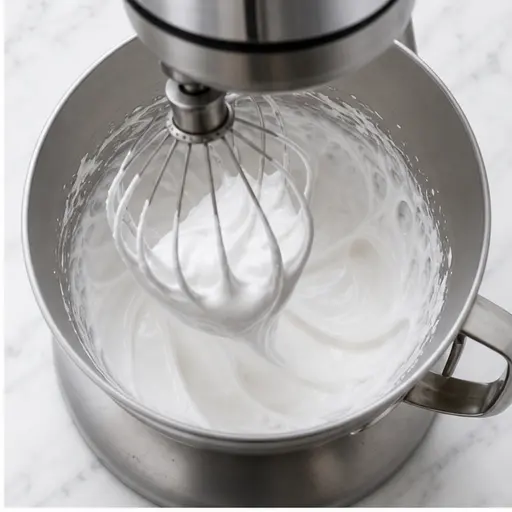
While you’re doing that, whip your egg whites. Start on medium speed and gradually add the granulated sugar. This is where patience matters. You want stiff, glossy peaks. The meringue should be firm enough that it doesn’t slide when you invert the bowl. That’s exactly right.
Stage 2: Macaronage Technique
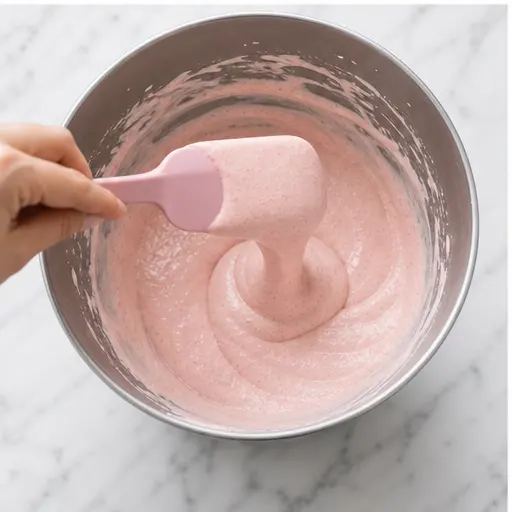
This is the most important step. Gently fold the dry ingredients into the meringue with a spatula. Use a precise folding motion: cut through the center, scrape the sides, fold over. The goal is to deflate the meringue just enough so the batter flows like lava.
How do you know when it’s ready? Lift some batter with your spatula. It should form a thick ribbon that slowly sinks back into the bowl. The ribbon should disappear into the batter after about 10 seconds. This is the macaronage technique, and it takes practice. Don’t rush it.
Stage 3: Piping and Resting
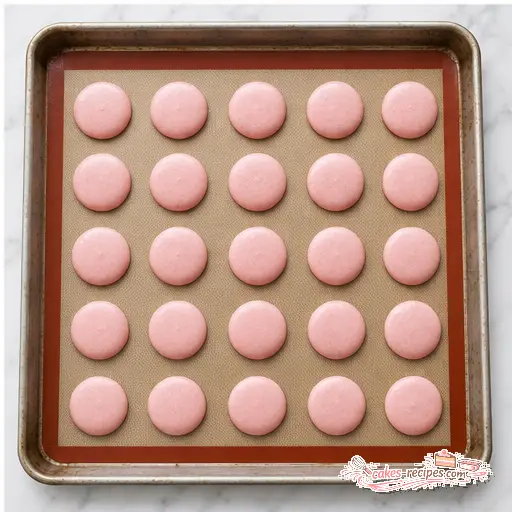
Transfer the batter to a piping bag fitted with a round tip. Pipe small, even circles onto your prepared sheets. Hold the bag perpendicular to the surface and squeeze gently. Stop squeezing before you lift to avoid peaks.
Now, let them rest. This is critical for developing that thin skin on the surface. Leave them at room temperature for 25 to 35 minutes. You’ll know they’re ready when the surface is no longer sticky to the touch. If you touch it gently with a clean finger, it shouldn’t stick. This resting time allows the shells to form properly in the oven.
Stage 4: Baking and Cooling
Bake for 16 to 19 minutes. The shells should be set and matte, with no browning. If they start to brown, your oven is too hot. When they’re done, let them cool completely on the baking sheets. Don’t try to peel them off while they’re warm, they’ll stick and tear.
Once cool, pair similar-sized shells and fill with your choice of filling. This is where the magic happens.
Macaronage: The Essential Technique
Let me expand on the macaronage technique because this is where most people go wrong. I’ve been there. My first few batches were either too thick or too runny. The goal is to achieve that lava-like consistency.
Here’s what I look for:
- Too thick: The batter holds its shape and doesn’t flow. You’ll get bumpy shells with no feet. Keep folding.
- Just right: The batter flows slowly and forms a ribbon that sinks back into the bowl in about 10 seconds. The surface smooths out after piping.
- Too runny: The batter flows like pancake batter and spreads too much. You’ve overmixed. Unfortunately, there’s no fixing this.
The figure 8 test is your friend. Lift some batter and draw a figure 8 with the ribbon. If the ribbon breaks before completing the shape, you need to fold more. If it flows smoothly, you’re close.
Troubleshooting Common Issues
Even with the best french macarons recipes, things can go wrong. Here are the most common problems and how to fix them.
Quick-Fix Troubleshooting Guide
❌ Cracked tops: Your oven is too hot. Lower the temperature by 10-15°F and check your oven thermometer.
❌ No feet (ruffled edges): The batter was undermixed or the shells didn’t rest long enough. Make sure the surface is dry to the touch before baking.
❌ Hollow macaron shells: The meringue was overbeaten or the oven temperature fluctuated. Try aging your egg whites and using an oven thermometer.
❌ Bumpy shells: The almond flour wasn’t sifted enough. Sift it twice if needed.
❌ Shells stick to the mat: They were underbaked. Bake for a minute or two longer next time.
❌ Batter is too runny: You overmixed during the macaronage technique. Start fresh and fold more gently.
Best Fillings for Macarons
The shell is just the beginning. The filling is where you can get creative. Here are some macaron filling ideas that work beautifully with this recipe.
- Vanilla buttercream macarons: A classic. Simple, sweet, and lets the shell shine.
- Chocolate ganache macarons: Rich and decadent. Use good quality chocolate for best results.
- Raspberry macarons: A tart fruit filling balances the sweetness of the shell. Use seedless jam or a fresh raspberry buttercream.
- Pistachio macarons: Add finely ground pistachios to your buttercream for a nutty twist.
You can also pipe a ring of buttercream and fill the center with jam or ganache. That’s a nice way to get two textures in one bite.
How to Store and Mature Macarons
Here’s a secret: macarons taste better the next day. After you fill them, place them in an airtight container and refrigerate for 24 hours. This process, called maturing macarons, allows the filling to soften the shell slightly, creating that perfect chewy texture.
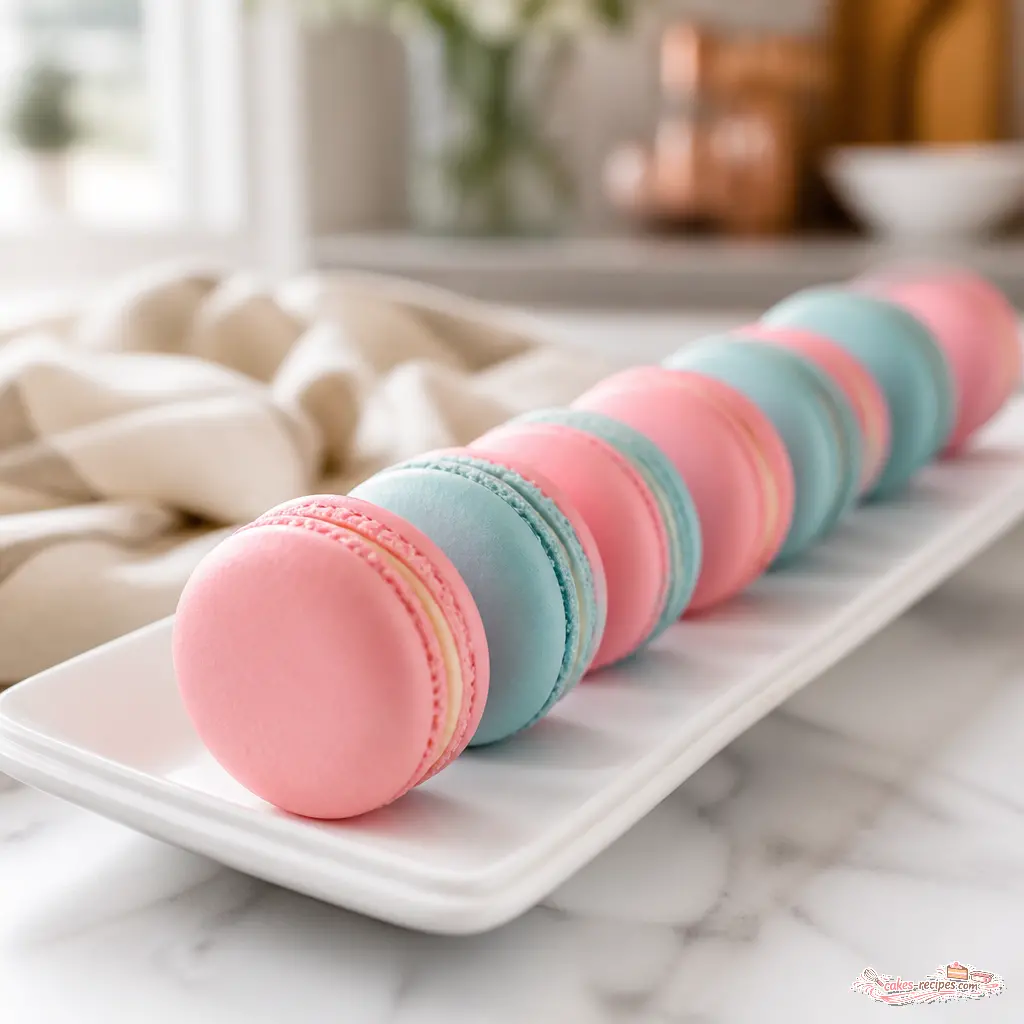
For macaron storage, keep them in the fridge for up to 5 days. You can also freeze them for up to a month. Just place them in a single layer in a freezer-safe container with parchment paper between layers. When you’re ready to serve, let them thaw in the fridge for a few hours.
Pro tip: if you’re planning to gift them, make the shells a day ahead, fill them, and let them mature overnight. The texture will be spot on.
Frequently Asked Questions
You’ve got this. Bake, learn, and enjoy the journey. The first time you see those perfect little feet form in the oven, you’ll know it was all worth it. And when you peel a macaron off the silicone mat without it sticking? Pure satisfaction.
If you’re looking for more inspiration, follow me on Pinterest for more french macarons recipes and baking tips. I’m always sharing new ideas there.
Source: Nutritional Information
How Do I Know The Batter Is Properly Mixed?
Use the figure 8 test. Lift some batter with your spatula and let it fall. It should form a thick ribbon that slowly sinks back into the bowl, disappearing after about 10 seconds. The surface should smooth out within 15 seconds after piping.
Can I Pipe Other Shapes?
Absolutely. You can pipe heart-shaped macarons, simple daisies, or even seasonal shapes like snowmen or bunnies. Just adjust your piping technique and use a template. The baking time might vary slightly for different sizes.
Should Egg Whites Be Room Temperature for Macarons?
Yes, room temperature egg whites whip to a higher volume and create a more stable meringue. Cold egg whites take longer to whip and can result in a less stable structure. Let them sit out for about an hour before starting.
What Brand of Almond Flour Should I Use?
Look for finely ground almond flour from a brand like Bob’s Red Mill or Blue Diamond. In Australia, brands like Lucky Almond or Macro work well. The key is fine texture, not the brand name. Sift it twice to remove any lumps.
Can I Add Cocoa Powder to French Macarons Recipes?
Yes. Replace about 1 to 2 tablespoons of the powdered sugar with unsweetened cocoa powder. Sift it together with the almond flour and powdered sugar. This works well for chocolate ganache macarons.
Does High Humidity Affect Macarons?
Yes, high humidity (80-90%) can significantly affect macarons. The shells will take longer to dry and may not form a proper skin. If you’re in a humid climate, use a dehumidifier or bake on a dry day. Increase resting time as needed.


6 Responses
I tried this recipe last weekend and my macarons actually had feet! Not perfect, but way better than my previous attempts. The tip about room temperature egg whites made a huge difference. Thanks for being honest about the learning curve—it made me feel less discouraged when my first batch cracked.
Any advice for getting the shells really smooth on top? Mine came out a bit bumpy even after sifting the almond flour twice. I love the flavor though—the vanilla buttercream was spot on.
Hi Michael, bumpy tops usually mean the batter needs a few more folds during the macaronage stage. You want it to flow like lava—smooth and shiny. Also, tapping the baking sheet firmly after piping helps settle any bumps. Hope that helps!
I’m a total beginner and my first batch turned out hollow inside. The shells looked great but there was a gap. Any idea what went wrong? I followed the recipe exactly, but maybe my oven runs hot?
David, hollow shells are often caused by over-whipping the meringue or baking at too high a temperature. Try whipping the meringue to stiff peaks but not dry, and use an oven thermometer to check your actual temp. Baking at 300°F (150°C) for 14-16 minutes usually works well.
Made these for a bridal shower and everyone thought I bought them from a bakery! The recipe is so well explained. I added a tiny bit of lavender extract along with the vanilla and it was divine.