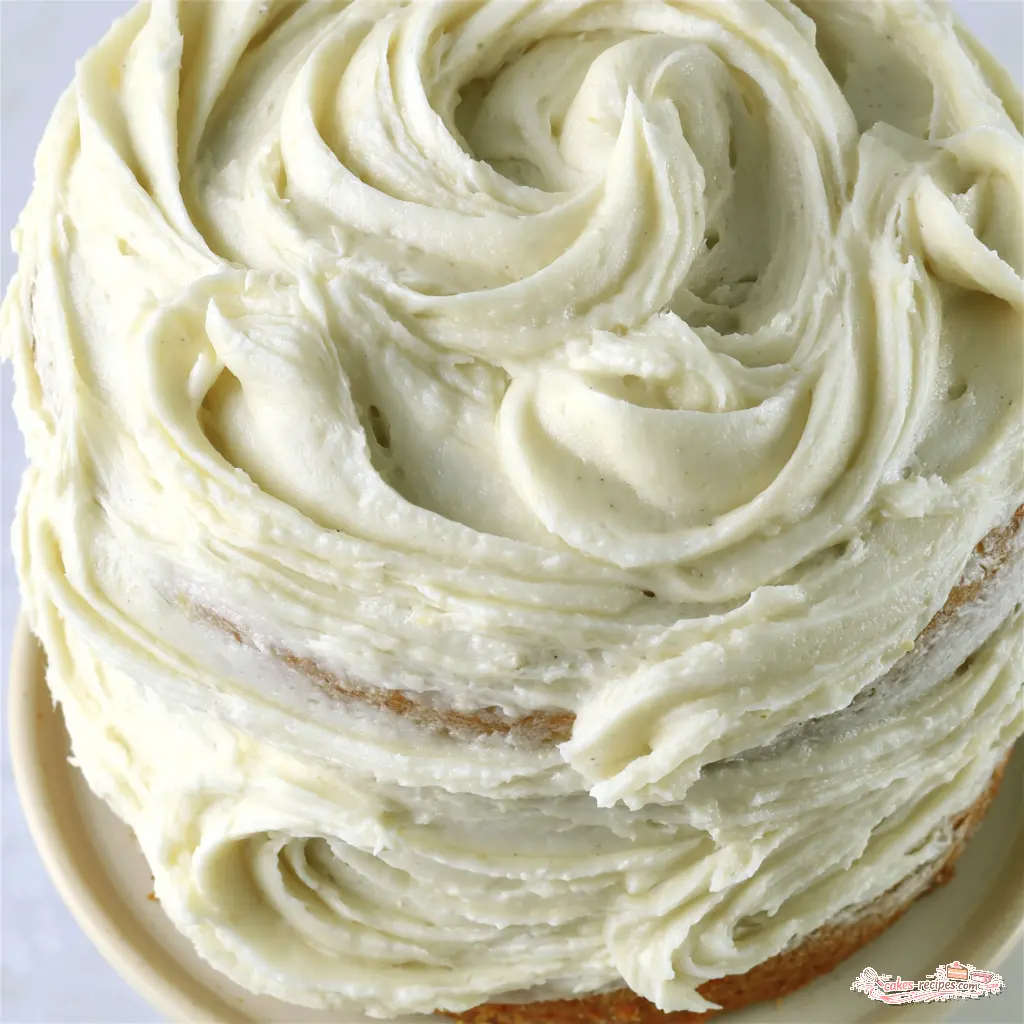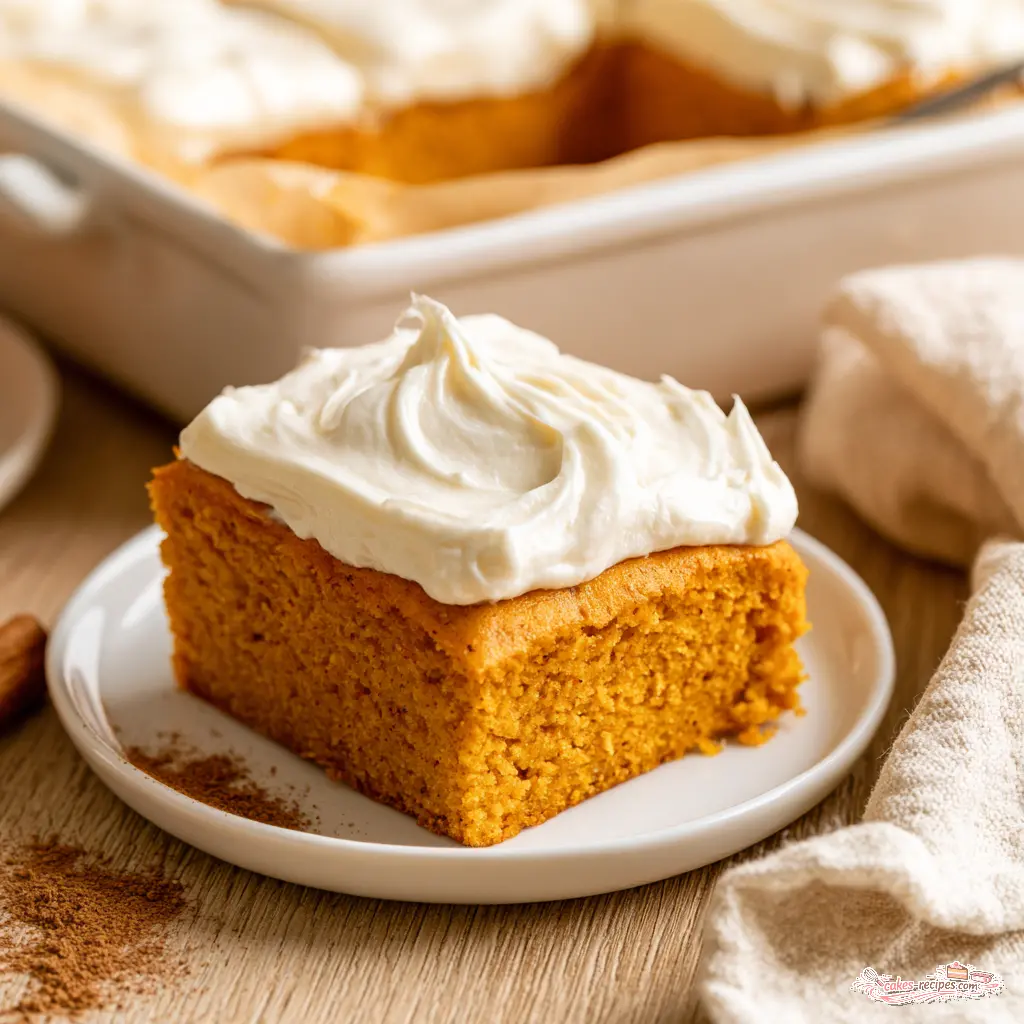
Introduction: A Slice of the Amalfi Coast
Imagine the sun-drenched cliffs of the Amalfi Coast, the air thick with the scent of salt and citrus. In the heart of this Italian paradise, a simple yet sublime dessert is born: Lemon Ricotta Cake. This isn’t the dense, butter-heavy American lemon cake you might be used to. This is something lighter, more elegant, and profoundly moist.
The secret to its tender, velvety crumb lies not in a stick of butter, but in a generous amount of creamy ricotta cheese. This traditional Italian ingredient transforms the cake, creating a texture that is at once rich and airy, with a subtle tang that perfectly complements bright, zesty lemon. This authentic recipe promises an easy, foolproof path to a dessert that is equally at home on a holiday table or as a simple afternoon treat with a cup of espresso.
The Story Behind Lemon Ricotta Cake: An Amalfi Coast Classic
To understand this cake, you must first understand its origins. The Amalfi Coast is legendary for its terraced lemon groves, which produce the prized sfusato amalfitano. These lemons are not like the ones you typically find in a grocery store; they are larger, less acidic, and bursting with an intoxicatingly sweet and floral aroma. For centuries, these lemons have been the heart and soul of the region’s cuisine, from limoncello to this very cake.
Italian baking has a long and beautiful tradition of using ricotta, a fresh whey cheese, to add moisture and richness to cakes and pastries. Where an American recipe might rely on heavy butter or oil to create a tender crumb, the Italian approach uses ricotta to achieve a result that is both decadent and surprisingly light. This lemon ricotta cake is a perfect example of this philosophy. It’s a cake that celebrates the purity of its ingredients—the sweet, aromatic lemon, the creamy ricotta, and the simple perfection of a well-made sponge. It’s a testament to the Italian belief that the best food comes from the best, most honest ingredients, prepared with a loving hand.
Key Ingredients for the Perfect Lemon Ricotta Cake
The magic of this cake comes from a careful balance of simple, high-quality ingredients. Each one plays a crucial role in achieving that signature moist and tender texture.
Ricotta: The Secret to Moisture
This is the star of the show. For the best results, use whole milk ricotta. It has a higher fat content, which translates directly into a richer, more tender cake. Before you begin, check your ricotta for excess water. If there is a layer of liquid on top, gently drain it off. If the ricotta seems very watery, line a strainer with cheesecloth and let it drain for 30 minutes. Most importantly, bring it to room temperature so it blends smoothly into the batter, leaving you with a perfectly uniform crumb without any lumps.
Lemons: Zest and Juice from Fresh Amalfi-Style Lemons
There is no substitute for fresh lemon. You will need 2 to 3 large, organic lemons. Zest them first (before juicing) to capture the fragrant, flavorful oils from the peel. This zest is where the true lemon essence lives. To intensify the flavor, rub the zest into the sugar with your fingers—this releases the oils and infuses the entire cake with a bright, aromatic lemon note. Use the freshly squeezed juice for a balanced, natural tartness that cuts through the richness of the ricotta.
Flour and Leavening: Cake Flour for Tender Crumb
For the most delicate crumb, cake flour is ideal because it has a lower protein content, which results in less gluten development and a more tender cake. If you don’t have cake flour, you can make a quick substitute: for every cup of all-purpose flour, remove 2 tablespoons and replace them with 2 tablespoons of cornstarch. Sift it together with the baking powder and a pinch of baking soda to ensure an even rise and a light, airy texture.
Eggs and Sugar: Structure and Sweetness
For an extra-fluffy cake, consider separating the eggs. Whip the egg whites to soft peaks and fold them into the batter at the very end. This is a traditional Italian technique that adds incredible lightness. The yolks, meanwhile, add richness and help emulsify the batter. Use standard granulated sugar and a touch of vanilla extract to round out the citrus flavors.
Step-by-Step Instructions: How to Make Authentic Lemon Ricotta Cake
Follow these simple steps to create a bakery-worthy cake in your own kitchen. The process is straightforward, but a few key techniques will guarantee a perfect result.
Step 1: Prep the Pan and Preheat
Preheat your oven to 350°F (175°C). Grease a 9-inch round cake pan (a springform pan works wonderfully for easy release) with butter or non-stick spray. Dust it with flour, or line the bottom with a circle of parchment paper for guaranteed, mess-free removal.
Step 2: Mix Dry Ingredients
In a medium bowl, whisk together 1 ½ cups (190g) of cake flour, 1 ½ teaspoons of baking powder, and ¼ teaspoon of baking soda. Sifting these ingredients together helps to aerate the flour and ensures there are no lumps of leavening agent in your final cake.
Step 3: Cream Butter and Sugar
In a large bowl, beat ½ cup (1 stick) of unsalted butter with 1 cup (200g) of granulated sugar until light and fluffy. This takes about 3-4 minutes with an electric mixer. The mixture should look pale and aerated. This step is crucial for incorporating air, which will help your cake rise beautifully.
Step 4: Add Ricotta, Eggs, and Lemon
Beat in 1 cup (250g) of your room-temperature ricotta until just combined. Then, add the egg yolks one at a time, mixing well after each addition. Scrape down the sides of the bowl, then mix in the fresh lemon zest, 2 tablespoons of lemon juice, and a teaspoon of vanilla extract.
Step 5: Combine Wet and Dry
Gradually add the dry ingredients to the wet mixture, mixing on low speed until just combined. Do not overmix. If you are using the whipped egg whites, gently fold them into the batter now with a rubber spatula, using a light hand to maintain the airy texture.
Step 6: Bake and Cool
Pour the batter into your prepared pan and smooth the top. Bake for 40 to 50 minutes, or until the cake is golden brown and a toothpick inserted into the center comes out clean. The top should spring back when lightly touched. If the cake is browning too quickly, tent it loosely with aluminum foil after 30 minutes. Let the cake cool in the pan for 10 minutes, then turn it out onto a wire rack to cool completely.
Tips for a Foolproof Lemon Ricotta Cake
Even a simple recipe can be perfected with a few insider tips. Here’s how to ensure your cake is a triumph every time.
Avoiding a Dense Cake
The number one enemy of a light ricotta cake is overmixing. Once you add the flour, gluten begins to develop. Mixing too vigorously or for too long will create a tough, dense cake. Use a gentle hand with a rubber spatula for the final folding steps. Also, make sure your ricotta is not watery, as excess moisture can also weigh down the batter.
Getting the Perfect Lemon Flavor
To get a deep, authentic lemon flavor that sings, use the zest-rubbing technique mentioned earlier. The natural oils in the zest are the most potent and fragrant part of the fruit. When you rub the zest into the sugar, you’re creating a lemon-infused sugar that flavors the entire cake from the inside out. Pair this with fresh juice, and you’ll never reach for artificial lemon extract again.
Storage and Serving Suggestions
This cake is deliciously versatile. Because of the ricotta, it stays moist for days. Store it covered at room temperature for up to 3 days. For longer storage, refrigerate it for up to a week. Always bring it back to room temperature before serving to revive its tender texture and flavor. Serve it simply with a dusting of powdered sugar, or dress it up with a tangy lemon glaze (mix 1 cup powdered sugar with 2-3 tablespoons of fresh lemon juice). A dollop of lightly sweetened whipped cream or a side of fresh berries makes it a stunning finale to any meal.
Frequently Asked Questions
What is the famous lemon cake in Amalfi?
The famous lemon cake from the Amalfi Coast is the ‘Delizia al Limone,’ a sponge cake filled with lemon cream, but the simpler lemon ricotta cake is also a beloved local dessert that showcases the region’s prized sfusato amalfitano lemons.
Do I need to refrigerate lemon ricotta cake?
Because it contains ricotta cheese, it’s best to refrigerate any leftovers if you plan to keep it for more than 2 days. However, for serving, bring it to room temperature for best flavor and texture. If eating within 1-2 days, storing covered at room temperature is fine.
What makes Ina Garten’s lemon cake special?
Ina Garten’s lemon cake is known for its dense, buttery texture and intense lemon flavor from both zest and juice, plus a lemon syrup soak. Our authentic Italian version is lighter and moister thanks to ricotta, with a more delicate crumb and less sugar.