
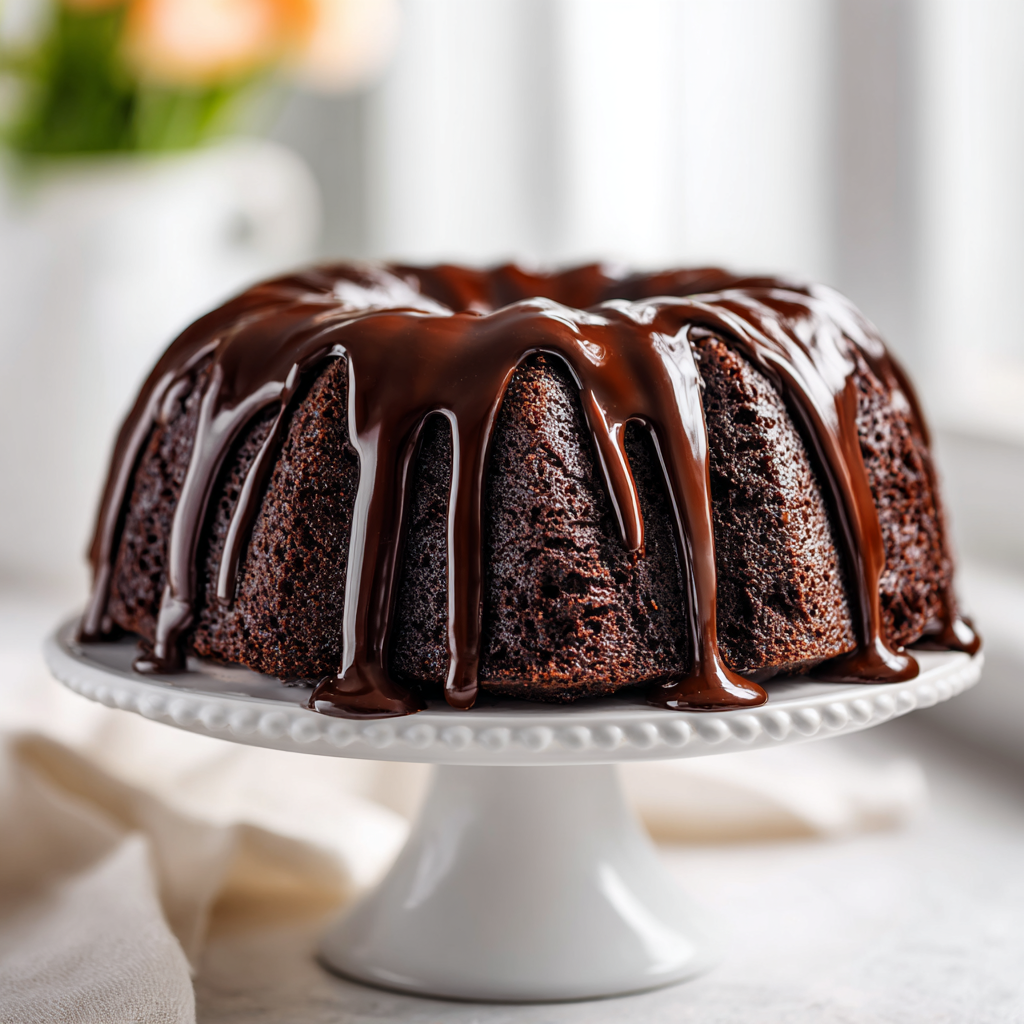
Pudding Filled Bundt Cake: Chocolate Cheesecake Surprise
Ingredients
Method
- Preheat your oven to 350°F. Generously spray a 12-cup Bundt pan with nonstick cooking spray, making sure to coat all the crevices.
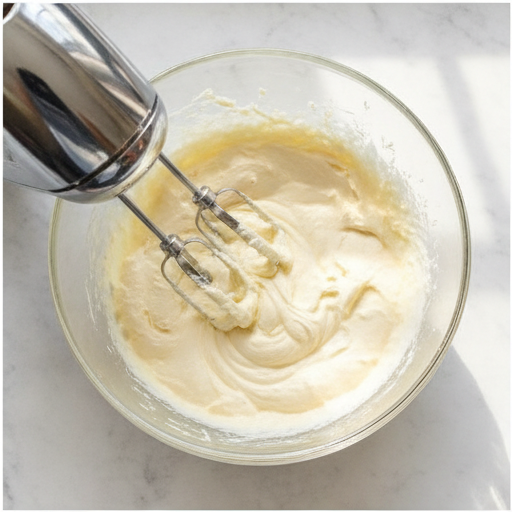
- In a medium bowl, beat the softened cream cheese and granulated sugar with an electric mixer until smooth and creamy. Add the egg, vanilla extract, and flour, and beat just until combined. Set aside.
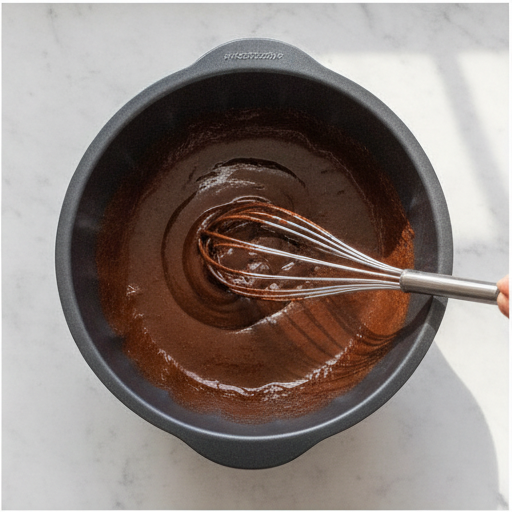
- In a large heatproof bowl, combine the cocoa powder, chopped bittersweet chocolate, and espresso powder. Pour the boiling water over the top, cover the bowl with a plate or plastic wrap, and let sit for 5 minutes.
- Whisk the chocolate mixture until smooth and fully melted. Let it cool to room temperature (about 15 minutes), then whisk in the sour cream until well blended.
- In a separate large bowl, beat the softened butter, brown sugar, and vanilla extract with an electric mixer on medium speed until light and fluffy, about 3 minutes. Add the eggs one at a time, beating well after each addition. Reduce mixer speed to low. Add the flour mixture in three additions, alternating with the cooled chocolate mixture, starting and ending with the flour. Mix just until the batter is smooth—do not overmix.
- Pour a little more than half of the chocolate batter into the prepared Bundt pan, spreading it evenly. Gently spoon the cheesecake filling over the center of the batter, keeping it away from the edges of the pan. Carefully spread the remaining chocolate batter on top to cover the filling completely.
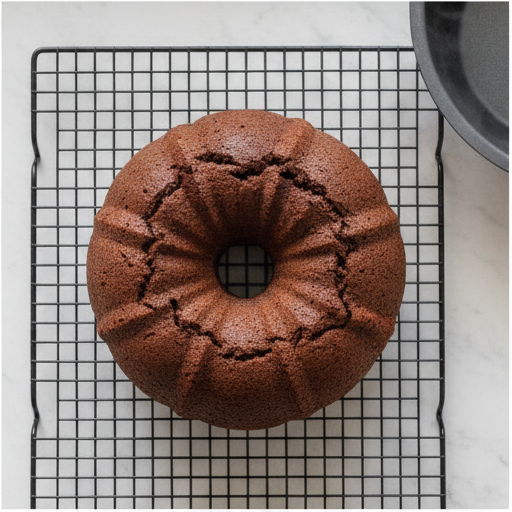
- Bake for 50 to 55 minutes, or until a toothpick inserted into the cake (avoiding the filling) comes out with a few moist crumbs. Let the cake cool in the pan on a wire rack for 10 minutes, then invert onto the rack to cool completely.
- In a small saucepan, heat the heavy cream and corn syrup over medium heat until hot but not boiling. Remove from heat, add the chopped semisweet chocolate, and let sit for 1 minute. Whisk until smooth and glossy. Let the glaze cool slightly until it thickens to a drizzle-able consistency, then pour over the cooled cake. Let the glaze set at room temperature, about 10 minutes, before slicing and serving.
Nutrition
Notes
Tried this recipe?
Let us know how it was!Why You’ll Love This Pudding Filled Bundt Cake
I’ve had my fair share of pudding disasters. You know the ones. You slice into what looks like a perfect bundt cake, and the filling has either sunk to the bottom, leaked out the sides, or just disappeared into the batter like it was never there. It’s frustrating, and it makes you wonder if a pudding filled bundt cake is even possible at home.
It is. And I’m going to show you exactly how.
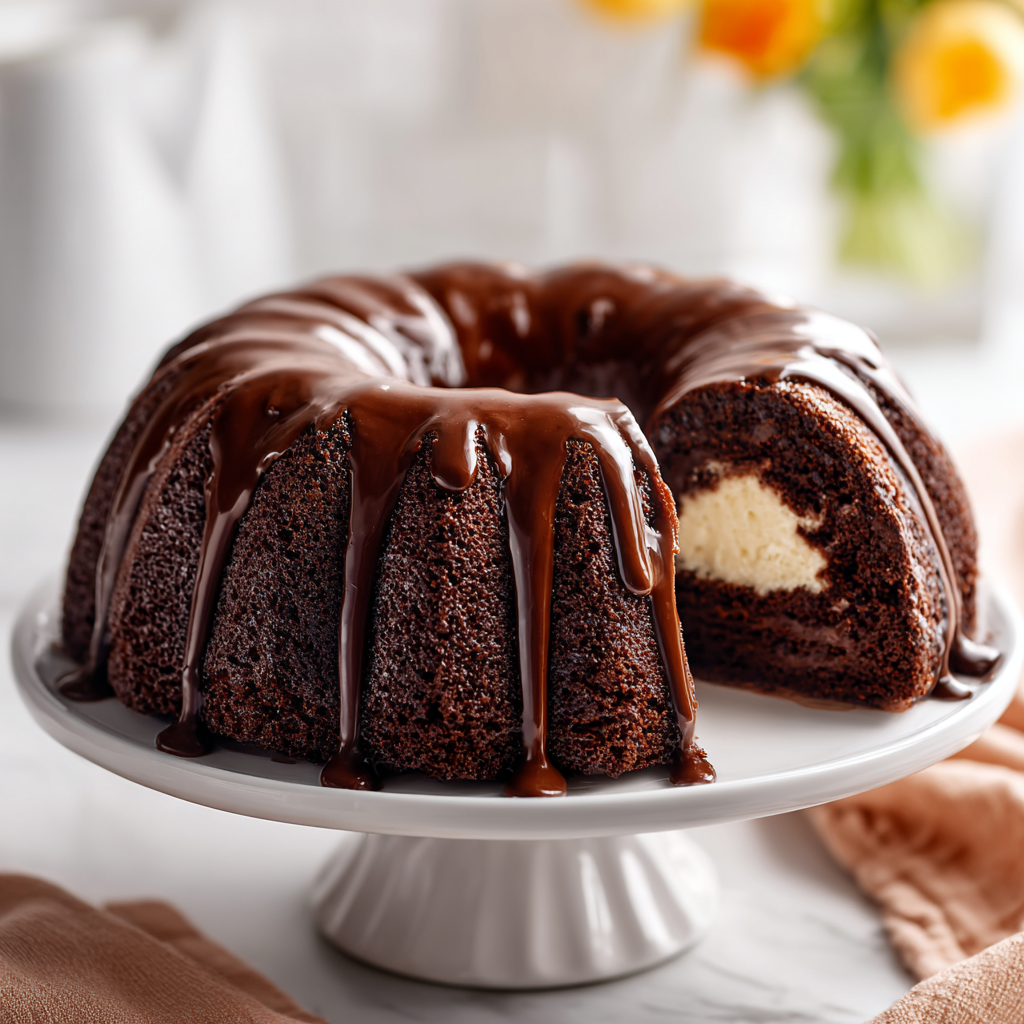
This pudding filled bundt cake is the one that changed everything for me. It’s a tender, deeply chocolate bundt cake with a creamy cheesecake center that stays right where you put it. No sinking. No leaking. Just a beautiful surprise in every slice. The cake itself is incredibly moist thanks to sour cream and melted chocolate, and the filling is a simple cream cheese mixture that bakes up into a smooth, tangy pocket of goodness.
Let me walk you through it. I promise, once you master this technique, you’ll be making pudding filled bundt cakes for every occasion. Summer barbecues, July 4th parties, Sunday dinners. It’s that kind of dessert.
Ingredients
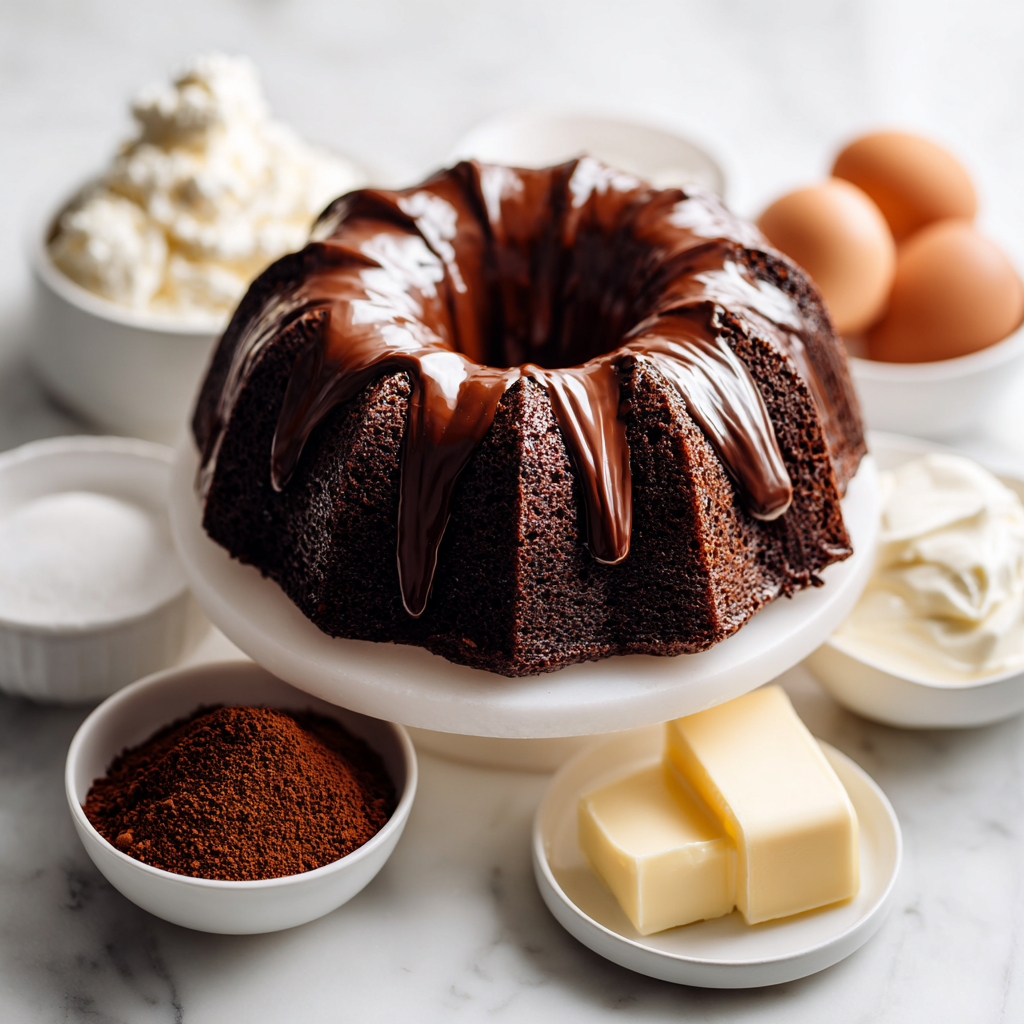
This recipe uses ingredients you probably already have in your pantry. That’s part of what makes it so reliable. Here’s what you’ll need:
For the filling: Cream cheese, granulated sugar, an egg, vanilla extract, and a tiny bit of flour. That flour is the secret to keeping the filling from sinking. I’ll explain why in a moment.
For the cake: Unsweetened cocoa powder, bittersweet chocolate, espresso powder (optional but highly recommended), boiling water, all-purpose flour, fine sea salt, baking soda, sour cream, unsalted butter, packed light brown sugar, vanilla extract, and eggs. The sour cream and brown sugar work together to create a super tender crumb.
For the glaze: Heavy cream, light corn syrup, and semisweet chocolate. Simple, glossy, and perfect for showing off the bundt pan’s design.
How to Make Pudding Filled Bundt Cake
The key to a successful pudding filled bundt cake is in the assembly. You’re essentially creating a barrier of batter around the filling so it stays suspended in the middle. Here’s how it works.
First, make the filling. Beat the softened cream cheese and sugar until smooth. Add the egg, vanilla, and that teaspoon of flour. The flour helps stabilize the filling so it doesn’t sink into the batter. Set it aside while you work on the cake.
Next, prepare the chocolate base. In a heatproof bowl, combine the cocoa powder, chopped bittersweet chocolate, and espresso powder. Pour the boiling water over it, cover the bowl, and let it sit for 5 minutes. This method, called blooming, deepens the chocolate flavor and makes the cake incredibly rich. Whisk until smooth, then let it cool to room temperature. Stir in the sour cream.
Then, make the cake batter. Beat the butter, brown sugar, and vanilla until light and fluffy. Add the eggs one at a time, beating well after each. Alternate adding the flour mixture and the cooled chocolate mixture, starting and ending with the flour. Mix just until combined. Overmixing will make the cake tough.
Now for the assembly. Pour a little more than half of the batter into your prepared bundt pan. Spread it evenly. Then gently spoon the cheesecake filling over the center of the batter. Keep it away from the edges of the pan. That’s the trick. If the filling touches the metal, it will stick and cause problems. Spoon the remaining batter on top, spreading it to completely cover the filling.
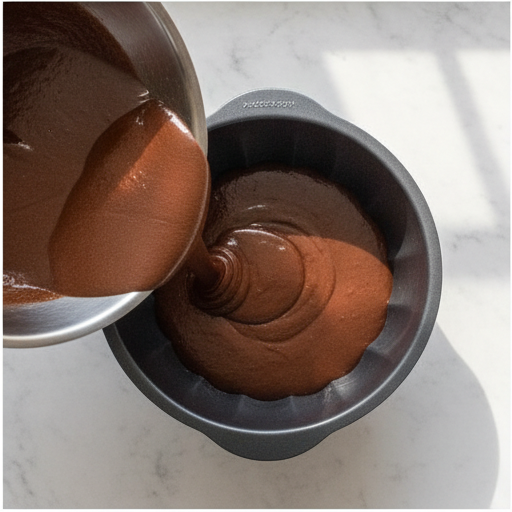
Bake and cool. Bake at 350°F for 50 to 55 minutes. A toothpick inserted into the cake (avoid the filling) should come out with a few moist crumbs. Let the cake cool in the pan for 10 minutes, then invert it onto a wire rack to cool completely. This step is crucial. If you try to unmold it too early, the cake can break.
Tips for the Best Pudding Filled Bundt Cake
Over the years, I’ve learned a few things that make a real difference. Here are my top tips for a no-fail pudding filled bundt cake.
- Use room temperature ingredients. This is non-negotiable. Cold cream cheese makes lumpy filling. Cold eggs and sour cream can make the batter curdle. Let everything sit out for about an hour before you start.
- Don’t skip the pan prep. I prefer the butter-and-flour method my Oma taught me. Softened butter painted into every groove with a pastry brush, then flour tapped and rotated until every surface is coated. It takes ten minutes, but it guarantees a perfect release. If you’re short on time, a good baking spray with flour works too.
- Keep the filling away from the pan edges. This is the most important tip for preventing filling from sinking or sticking. Make a well in the center of the batter and spoon the filling there. It should be surrounded by batter on all sides.
- Check for doneness carefully. Because the filling is moist, a toothpick test can be tricky. Insert the toothpick into the cake portion, not the filling. You want a few moist crumbs, not wet batter.
- Let it cool completely before glazing. A warm cake will melt the glaze into a puddle. Patience pays off here.
Storage and Leftovers
This pudding filled bundt cake stores beautifully. Keep it in an airtight container at room temperature for up to two days, or in the refrigerator for up to four days. The filling stays creamy and the cake stays moist.
To reheat, microwave individual slices for about 15 seconds, or warm the whole cake in a 350°F oven for about 15 minutes. It’s also delicious cold, straight from the fridge.
This cake freezes well too. Wrap it tightly in plastic wrap and then foil. It will keep for up to three months. Thaw overnight in the refrigerator before serving.
Variations and Substitutions
One of the best things about this recipe is how adaptable it is. Here are a few ideas to make it your own.
- Flavor swaps: Use a vanilla cake base with a chocolate pudding filling. Or try a lemon cake with a raspberry cream cheese filling. The technique stays the same.
- Dietary adaptations: For a gluten-free version, use a gluten-free all-purpose flour blend in both the cake and the filling. For a dairy-free version, use a dairy-free cream cheese alternative and a plant-based butter. The texture will be slightly different, but it still works.
- Topping ideas: Instead of the chocolate glaze, try a simple dusting of powdered sugar, a drizzle of caramel sauce, or a scoop of vanilla ice cream.
Frequently Asked Questions
I hope this recipe becomes a favorite in your kitchen. It’s one of those desserts that feels special but is surprisingly simple to make. If you give it a try, let me know how it turns out. And if you’re looking for more bundt cake inspiration, I’d love for you to follow along on Pinterest for more recipes like this.
Source: Nutritional Information



6 Responses
This cake was delicious, but I found it a bit too sweet for my taste. Could I reduce the brown sugar without affecting the texture too much? Also, is there a substitute for the espresso powder if I don’t have any?
Hi David! Glad you enjoyed it overall. You can reduce the brown sugar to 1 3/4 cups without major texture issues—just know it’ll be slightly less moist. As for the espresso powder, you can simply omit it; it’s there to deepen the chocolate flavor, not add coffee taste. Enjoy your next bake!
I’ve been looking for a reliable pudding filled bundt cake recipe for years, and this one is it! The tip about adding flour to the filling was a game-changer. I’ll be making this for every potluck from now on.
I made this for my husband’s birthday and it was a huge hit! The cheesecake filling stayed perfectly in the center, just like you promised. I used Dutch-processed cocoa and it gave the cake such a rich flavor. Definitely a keeper!
Great recipe, but I had a little trouble with the glaze. It was too thick to pour smoothly, even after adding a splash of cream. Any tips for getting that perfect fudgy consistency without it being a paste?
Hi Mark! I’m sorry the glaze gave you trouble. If it’s too thick, try warming it gently over a double boiler or in short bursts in the microwave (10 seconds at a time), stirring until it’s smooth and pourable. A little extra heavy cream can help too, but go slow—just a teaspoon at a time! Let me know how it goes.