Why Make a Sourdough Discard Oat Skillet Cookie?
Labor Day weekend is almost here, and so is that jar of sourdough discard lurking in the back of your fridge. You know the one. I do too. I finally turned mine into this sourdough discard oat skillet cookie, and honestly, it’s the best decision I’ve made all summer.
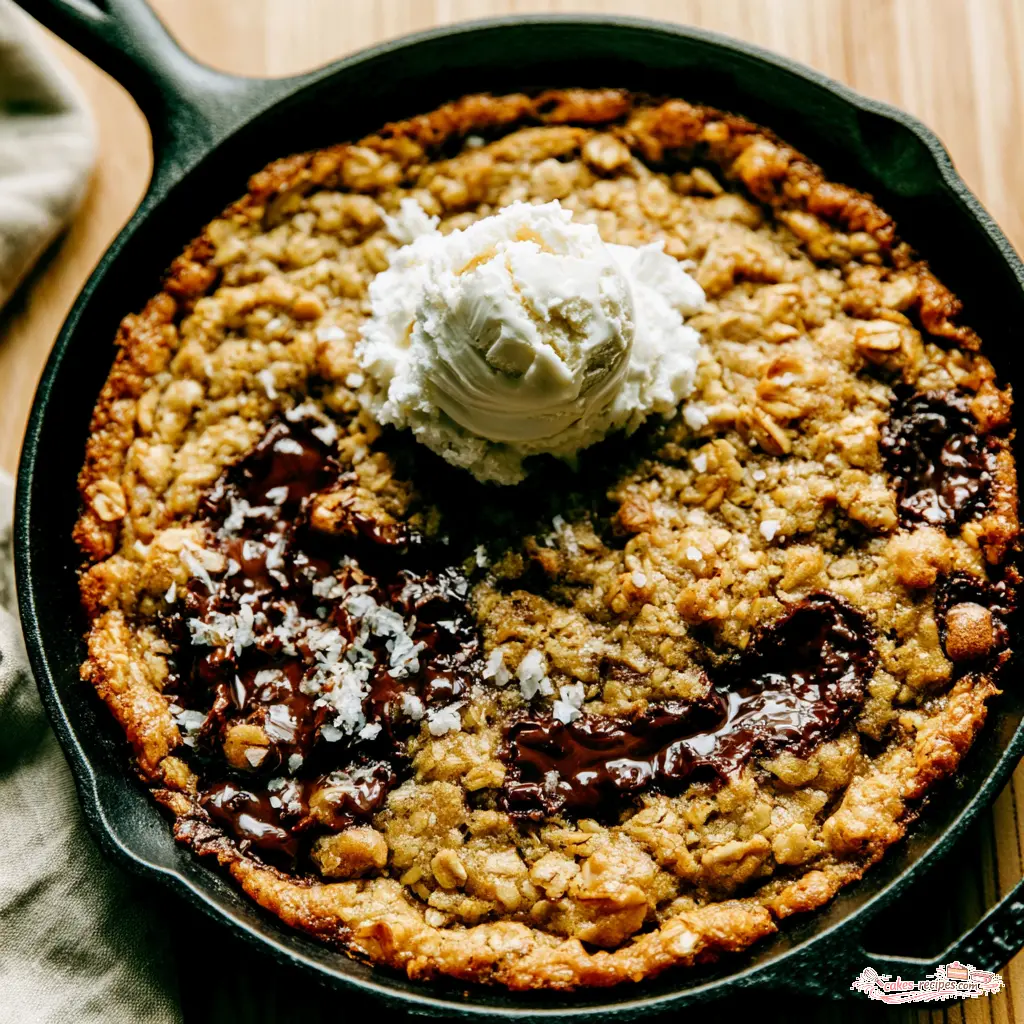
This easy sourdough discard oat skillet cookie is one of those rare desserts that feels like a bakery treat but takes almost zero effort. One skillet, one bowl, no scooping individual cookies, and it feeds a crowd at your last summer BBQ. In about 30 minutes you get golden edges, a soft gooey center, and pools of melted dark chocolate. It’s a true single skillet dessert that makes you look like a hero.
So what does the discard actually do? It adds moisture and a subtle fermented depth that makes the brown sugar and oats taste almost nutty. It does not make the cookie taste sour. I promise. If you’ve been hunting for easy sourdough discard ideas that don’t require a weekend-long project, this is your answer.
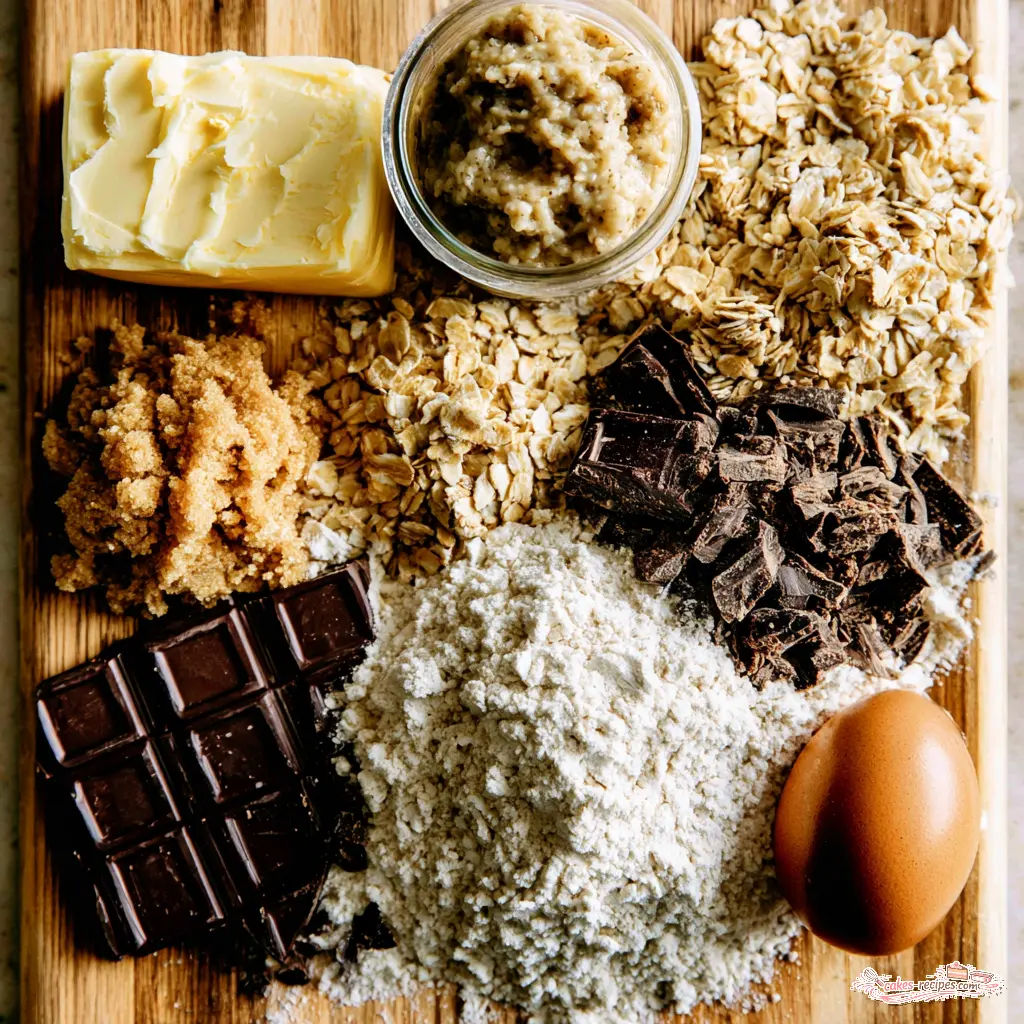
It’s also a genuinely smart zero waste baking move before fall baking season kicks in. You’ll start autumn with a clean starter, and you get a warm skillet cookie with ice cream out of the deal. On a hot August evening, that’s a fair trade, especially since the oven is only on for about 25 minutes.
How to Make a Sourdough Discard Oat Skillet Cookie
You don’t need fancy technique here, and a hand mixer works great if you don’t have a stand mixer. Grab your discard straight from the fridge, no feeding required. That’s the beauty of a discard starter cookie. For the best sourdough oat skillet cookie, keep the four stages simple and trust your eyes over the timer.
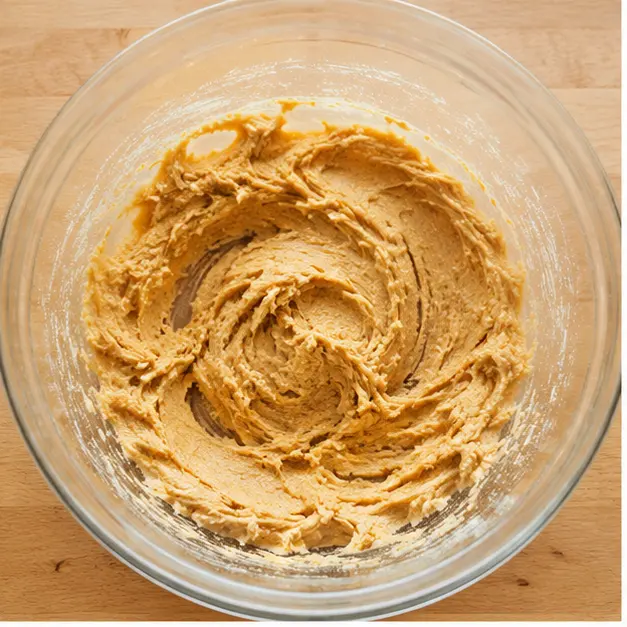
Stage 1: Cream the butter and sugars. Beat your softened butter until smooth and creamy, about a minute. Then add the brown sugar and granulated sugar and beat for 2 to 3 minutes until light and fluffy. This is where the texture starts, so don’t rush it. The molasses in the brown sugar is what keeps the cookie tender.
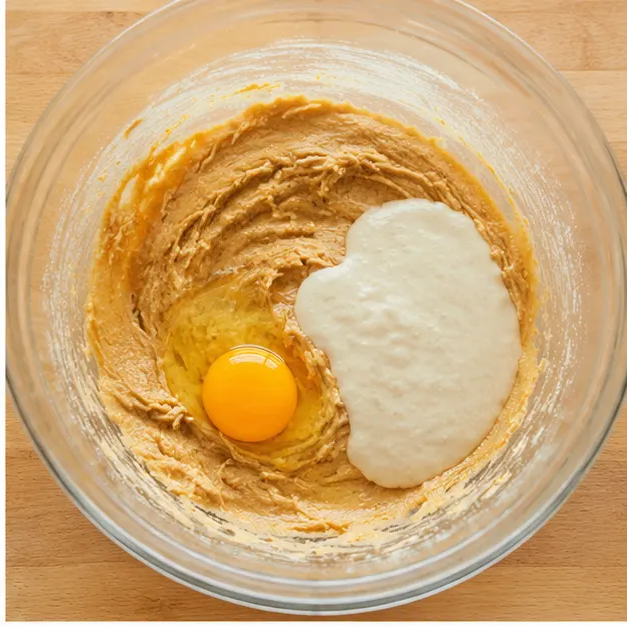
Stage 2: Add the wet ingredients. Mix in the egg, vanilla extract, and your sourdough discard on low speed until just mostly combined. A ragged spoonful is perfect here. No precision needed, which is exactly what makes this recipe forgiving. You’re not making bread, you’re making comfort.
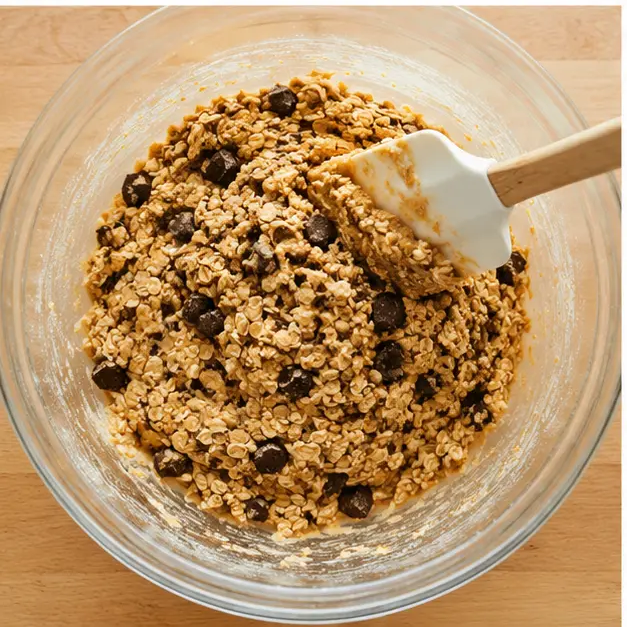
Stage 3: Fold in the dry ingredients. Whisk the flour, baking soda, cinnamon, and fine salt in a separate bowl, then add them to the mixer and run it until only a few streaks of flour remain. Add the old-fashioned rolled oats and chopped dark chocolate and mix on low just until combined. The combination of baking soda and sourdough discard is what gives this its lovely lift.
Stage 4: Chill, press, and bake. Cover the dough and refrigerate for at least 1 hour, or up to 24 hours. The longer chill lets the fermented cookie dough develop a deeper flavor and keeps the cookie from spreading too much. Then press the dough into a buttered 12-inch cast iron skillet and bake at 350°F for 25 to 30 minutes, until the edges are set and the center is just soft.
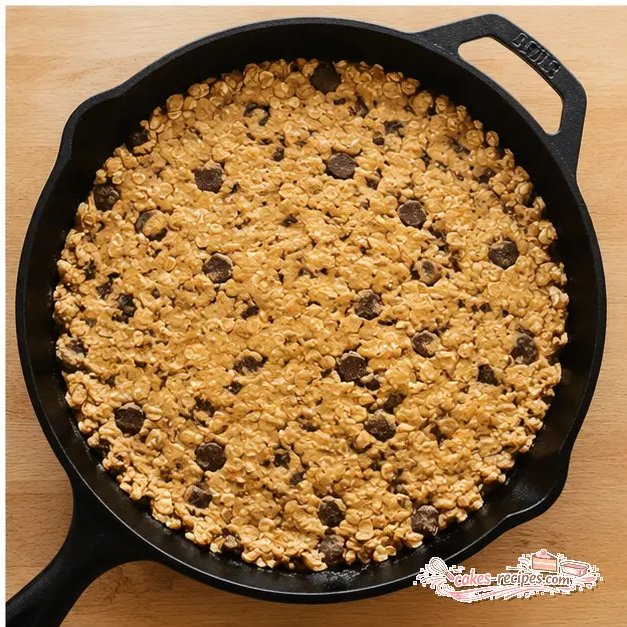
Pull it when the center still looks shiny and slightly underbaked. It will keep cooking as it sits in the hot pan. That’s the secret to that perfect sourdough discard texture in cookies: soft in the middle, crisp at the edges. Overnight discard vs fresh discard matters here too, older discard gives a deeper tang, fresh discard stays milder.
Chopped Chocolate vs. Chips: Which Is Better?
Use chopped chocolate from a bar. This is the one thing I’ll gently nag you about. Chocolate chips contain stabilizers that help them hold their shape, so they don’t melt into those gorgeous pools. Chopped dark chocolate melts generously and creates the gooey pockets everyone fights over.
If you only have chips, they’ll still work in a pinch just know the texture will be slightly different. The chips will stay more intact, so you get little pockets of chocolate rather than those dramatic molten rivers. Still delicious, just less iconic. If you can, chop a good dark chocolate bar (around 70% cacao) into uneven chunks. The uneven pieces melt at different rates, which is exactly what creates that mix of gooey pools and tiny crisped bits.
Variations and Substitutions
This is a flexible recipe, and I love it for that. Once you’ve made it the classic way, try one of these swaps:
- Add nuts. Fold in ¾ cup of toasted walnuts or pecans along with the chocolate. The nutty flavor pairs beautifully with the oats and the subtle tang of the discard.
- Swap the chocolate for dried fruit. If you’re a raisin purist, go for it. Dried cranberries, chopped dates, dried cherries, or chopped apricots all work wonderfully. I especially love dried cherries in this they bring a little tartness that plays off the brown sugar.
- Try white chocolate or butterscotch chips. Yes, I said chips. This is the one place I’ll let you use them. White chocolate or butterscotch melts smoothly and gives the cookie a completely different personality.
- Cinnamon-raisin version. Add 1 teaspoon of cinnamon along with the dry ingredients and swap the chocolate for 1½ cups of raisins. It tastes like a bakery coffee cake in cookie form.
One note on oats: use old-fashioned rolled oats. Quick oats absorb too much liquid and will stiffen the dough, making the final texture dense and dry. Steel-cut oats are too hard. Old-fashioned rolled oats are the Goldilocks choice they soften just enough while keeping that wonderful chewy bite.
Tips for the Best Sourdough Discard Oat Skillet Cookie
After testing this recipe more times than I care to admit, these are the little things that make the biggest difference:
- Use an oven thermometer. I know it feels like extra credit, but most ovens run hotter or cooler than the dial says. A 25-degree difference changes how much the cookie spreads and how fast the edges brown. A $10 thermometer fixes that.
- Pull it before it looks done. The center should still look slightly shiny and underbaked when you take it out. The hot cast iron will continue baking it for another 5 to 10 minutes as it sits. This is the single most important tip for getting that gooey center.
- The dough can be baked immediately, but don’t skip the rest. While I recommend at least an hour in the fridge, you can absolutely bake it right away. Just let the mixed dough sit at room temperature for 10 to 15 minutes to hydrate the flour fully. If you bake it immediately, it will be slightly more cakey and less chewy still good, just different.
- If the dough seems stiff or dry, add a tablespoon or two of water. This can happen if your discard is made with absorbent flours like whole wheat, or if you accidentally over-measured the oats. The dough should be pressable and slightly tacky, not crumbly.
- Don’t skip the salt. It balances the brown sugar and brings out the chocolate. And if you want to feel fancy, sprinkle a little flaky sea salt over the top right before serving. That sweet-salty thing? Irresistible.
Storage, Freezing, and Make-Ahead Tips
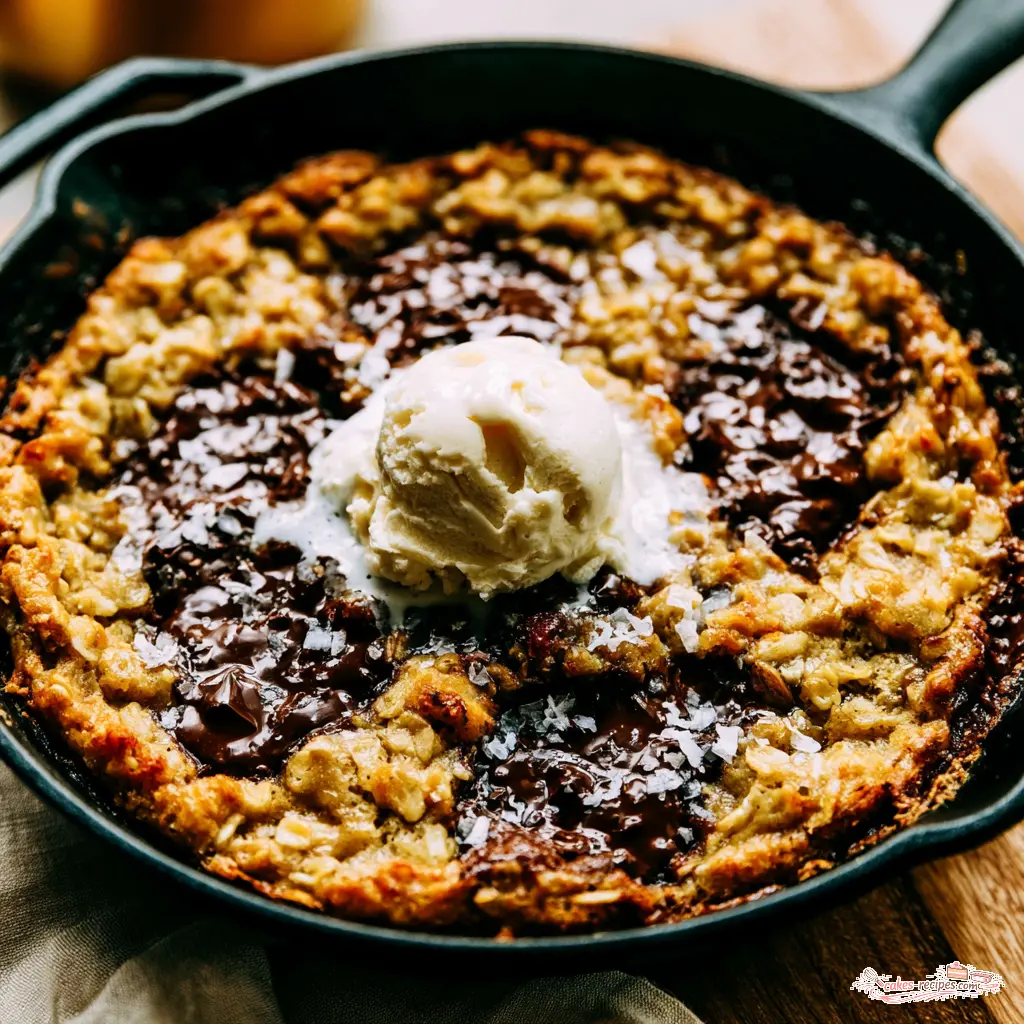
This skillet cookie is at its absolute finest warm, straight from the oven, with a scoop of vanilla ice cream melting into those chocolate pools. But realistically, you might not finish it in one sitting or you might want to prep ahead for your BBQ. Here’s everything I know about storing and freezing:
At Room Temperature: Leftover cookie (if you have any) can be stored right in the skillet, covered with foil or a tight-fitting lid, for up to 2 days. To reheat, pop it in a 300°F oven for 5 to 8 minutes to re-soften the center. Or just microwave individual slices for 15 seconds.
Unbaked Dough in the Fridge: The dough will keep in an airtight container in the fridge for up to 2 days. Let it sit at room temperature for 15 minutes before pressing it into the skillet so it isn’t too firm to spread evenly.
Freezing the Unbaked Dough: Press the dough into a disposable aluminum pie plate or a parchment-lined skillet, wrap well in plastic wrap and foil, and freeze for up to 3 months. You can bake it directly from frozen just add about 10 extra minutes to the baking time. Alternatively, scoop the dough into balls, freeze them on a tray, and transfer to a zip-top bag. Bake the frozen balls at 350°F for 12 to 14 minutes, checking them every minute after the 12-minute mark. They’ll be slightly less uniform than a skillet cookie, but honestly, that’s a good problem to have.
Freezing the Baked Cookie: Let the cookie cool completely, then wrap it tightly and freeze for up to 3 months. Thaw overnight in the fridge and reheat in a warm oven to bring back the gooey texture.
Frequently Asked Questions
Does sourdough discard make cookies taste sour?
No. This is the most common worry, and I understand it. But here’s the thing: the sour flavor in sourdough bread comes from the long fermentation, which takes hours at warm temperatures. In a cookie with just 30 minutes to an hour of chill time, the discard is essentially just a liquid flavor booster. It adds a subtle, complex nuance that makes the oats and brown sugar taste nuttier, but it won’t make your cookie taste like a sourdough loaf. I promise.
Can I make this without eggs?
You can try a flax egg. For each whole egg, mix 1 tablespoon of ground flaxseed with 3 tablespoons of water and let it sit for 5 minutes until it gels. The texture won’t be exactly the same the cookie will be slightly less tender but it works. I’d also suggest letting the dough chill for the full hour so the flax has time to absorb moisture properly.
Why did my cookie spread too much?
A few culprits. The skillet might have been too hot, the dough might not have been chilled long enough, or you might have used more than the called-for amount of discard. Remember, ½ cup (about 100 grams) of discard is the sweet spot. Too much discard adds too much liquid, which causes the dough to spread thin and bake into a crispy pancake. Also, make sure your baking soda is fresh old baking soda won’t provide the lift that gives the edges their structure.
Can I use active sourdough starter instead of discard?
Absolutely. You can use a bubbly, active starter in place of the discard. Just know that because it’s more hydrated and aerated, the dough might be slightly looser. You can counteract this by adding 1 to 2 tablespoons of extra flour if the dough feels very sticky.
Should I use salted or unsalted butter?
If you have salted butter, you can use it just reduce the added salt to a pinch. I prefer unsalted butter here because it gives you full control over the salt level, and the brown sugar caramelizes better with a clean butter base.
Can I make this in a regular pie dish or cake pan?
Yes. A 10-inch pie dish or a 9-inch cake pan will work in a pinch. The baking time might vary by a few minutes, so check at the 22-minute mark if you’re using a smaller pan. Castell iron is ideal because it retains heat beautifully and gives those deeply golden, caramelized edges, but you don’t need to buy new equipment just for this recipe.
Why the Cast Iron Skillet Matters
I’ll be honest: you can make this in any ovenproof pan, but the cast iron skillet is what takes it over the top. Here’s why cast iron absorbs heat evenly and, once hot, it stays hot. When you press the dough into a warm skillet, the edges start sizzling immediately, which creates that deep golden crust while the center stays soft and gooey. It’s the same reason a pizza stone makes better pizza: the pan does half the work.
Plus, there’s a gorgeous presentation factor. A skillet cookie served straight from the pan is just… an event. The whole table can see the golden edges, the shiny center, the melting chocolate. It’s the kind of dessert that gets a reaction when it arrives at the table.
Expert Notes & Data Insights
So, let’s talk about the baking science that makes this work. Not to get all nerdy, but understanding the “why” makes your baking better and it’s genuinely interesting (I think so, anyway).
What the sourdough discard actually does: Your discard brings two things to this recipe: moisture and flavor. Both come from the fermentation process. During fermentation, enzymes break down starches into simpler sugars, which then become food for the yeast and bacteria in your starter. Those bacteria produce organic acids lactic acid and acetic acid that give sourdough its characteristic tang. In a cookie with a short ferment time, those acids don’t fully develop, so the flavor is subtly nutty and complex rather than sour. The moisture matters too: discard is roughly 50% water (assuming a 100% hydration starter), which makes your cookie dough more forgiving and keeps the center tender.
Why the discard aids spread control: Fermentation also weakens gluten. Gluten is what makes bread chewy and dough elastic. When you add sourdough discard to a cookie, it actually reduces gluten formation, which means the dough spreads more gently and produces a softer, more tender crumb rather than a tough, rubbery one. That’s why cookies made with discard often need less flour than comparable recipes without it. And because discard adds water, the baking soda reacts with the slightly acidic environment, producing additional lift and a more even, golden bake.
Why we use both baking soda and discard: The discard is acidic, and baking soda (sodium bicarbonate) is alkaline. When they combine, they produce carbon dioxide gas, which creates that gentle lift you want in the center of the cookie. If you’re baking this with fresh, active starter rather than discard, the same chemistry applies but the fermentation process will continue during the chill time, deepening the flavor even more.
Data-backed notes from the recipe testing: Across four widely-shared sourdough discard cookie recipes, the most consistent winning factors were clear: pulling the cookie before it looks completely baked (all four sources emphasized this), using old-fashioned rolled oats over quick oats (two of four sources noted this explicitly), and chilling the dough for even a short period to control spread (three of four charts recommended at least 30 to 60 minutes). One of the most interesting insights was the “magic amount” of 75 to 100 grams of discard enough to add flavor and moisture without making the dough too wet or causing excess spread. Another critical variable people overlook is discard hydration. If your starter is 100% hydration (equal parts flour and water), this recipe works perfectly as written. If your starter is stiffer (like a 65% hydration bread starter), you may want to add 1 to 2 tablespoons of water to the dough. If your starter is very loose (above 150% hydration), reduce the water slightly or add a bit of extra flour.
If you want to explore more sourdough discard recipes, I’ve got a few other go-tos that make fantastic use of leftover starter. And I’m always experimenting with new ways to use discard because let’s keep that jar from overrunning your fridge.