Why You’ll Love This Vanilla Cream Cake
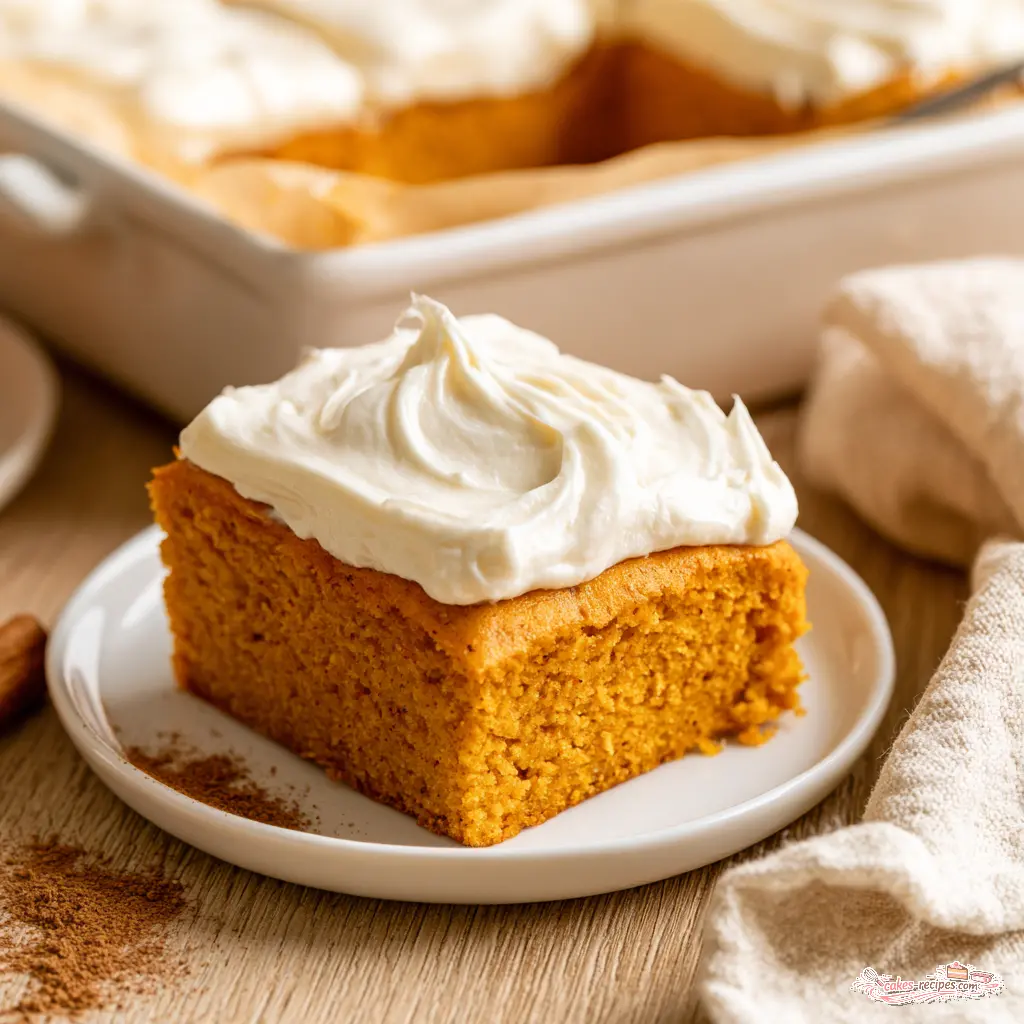
If you have spent any time searching for the perfect vanilla cake, you know the struggle. Many recipes promise a moist crumb but deliver dryness within hours, or they boast a rich flavor that falls flat on the palate. This Vanilla Cream Cake is the definitive answer to those frustrations. It is the cake you will turn to for birthdays, celebrations, or simply because you deserve a slice of perfection with your afternoon coffee.
What makes this recipe truly special is the technique. We are using the reverse creaming method, a professional baker’s secret that guarantees an exceptionally tender and fine crumb. Unlike the traditional method of creaming butter and sugar together first, this approach mixes the softened butter directly into the dry ingredients. This coats the flour particles in fat, which limits gluten development and results in a cake that is incredibly soft, velvety, and sturdy enough for layered masterpieces. Furthermore, a combination of buttermilk and a touch of vegetable oil ensures this cake stays luxuriously moist for days—not just hours. It is an easy recipe built with simple ingredients, yet it produces a result that tastes like it came from a high-end bakery. Whether you bake it as a classic layer cake or as a batch of tender cupcakes, this is the only vanilla cake recipe you will ever need.
Ingredients for Vanilla Cream Cake
The beauty of this Vanilla Cream Cake lies in its simplicity. You likely have most of these pantry staples on hand. Using the right ingredients, however, is the key to unlocking the best texture and flavor. Let’s break down exactly what you need and why each component matters.
- Flour: For the most tender crumb, we recommend a mix of cake flour and all-purpose flour. Cake flour provides a soft, delicate structure, while all-purpose flour gives the cake enough strength to hold up to stacking and frosting. If you only have all-purpose, you can substitute by using the spoon-and-level method and adding a tablespoon of cornstarch per cup.
- Leavening Agents & Salt: A combination of baking powder and baking soda provides the perfect lift. The baking soda also helps neutralize the acidity of the buttermilk, contributing to a balanced flavor. Salt is essential for enhancing the sweetness and overall taste.
- Fats: You will need unsalted butter for rich flavor and vegetable oil for moisture. The oil ensures the cake remains soft at room temperature, while the butter delivers that classic, creamy taste. Use your butter cold, straight from the fridge, for the reverse creaming method to work its magic.
- Sweetener: Standard granulated sugar is perfect. It not only sweetens the cake but also helps to tenderize the gluten structure.
- Liquids & Flavor: Buttermilk is the hero of this recipe. Its acidity reacts with the baking soda and helps break down gluten, resulting in an exceptionally tender crumb. Large eggs provide structure and stability. Finally, a generous amount of pure vanilla extract is non-negotiable for that signature, aromatic flavor.
For the Vanilla Cream Frosting
- Heavy cream: Whipped to stiff peaks for a light, airy texture.
- Cream cheese: Provides a tangy, rich base that balances the sweetness. Use full-fat, block-style cream cheese for the best stability.
- Powdered sugar: Sweetens and thickens the frosting.
- Vanilla extract: To reinforce the cake’s flavor.
Step-by-Step Instructions
Follow these detailed instructions to ensure a perfect result every time. The process is straightforward, but paying attention to the order of steps is crucial for the reverse creaming method to work.
Prepare the Pans and Preheat
Begin by preheating your oven to 350°F (175°C). Grease two 8-inch or 9-inch round cake pans thoroughly. For the best results, line the bottoms with parchment paper rounds and grease the paper as well. This guarantees your cakes will release cleanly without tearing.
Combine Dry Ingredients
In the bowl of a stand mixer fitted with the paddle attachment, whisk together the cake flour, all-purpose flour, baking powder, baking soda, and salt. This ensures the leavening agents are evenly distributed throughout the flour.
Reverse Creaming Method: Mix Butter into Dry Ingredients
This is the most important step. Cut your cold, unsalted butter into small cubes. Add the butter and the granulated sugar to the dry ingredients. Mix on low speed until the butter is broken down into small, pea-sized pieces and the mixture resembles a coarse, sandy meal. There should be no large chunks of butter visible. This process coats the flour with fat, which prevents gluten from forming a tough network.
Add Wet Ingredients and Mix
In a separate bowl or a large liquid measuring cup, whisk together the buttermilk, eggs, and vanilla extract. With the mixer running on low speed, slowly pour the wet ingredients into the dry mixture. Increase the speed to medium and beat for about 1-2 minutes, or until the batter is smooth, thick, and well-combined. Be careful not to overmix once the flour is fully incorporated, as this can develop the gluten and make the cake tough.
Bake and Cool
Divide the batter evenly between the prepared pans. Bake for 25-30 minutes, or until a toothpick inserted into the center comes out clean or with a few moist crumbs. The tops should be golden and spring back when lightly touched. Let the cakes cool in the pans for 10 minutes, then turn them out onto a wire rack to cool completely before frosting.
How to Make Vanilla Cream Frosting
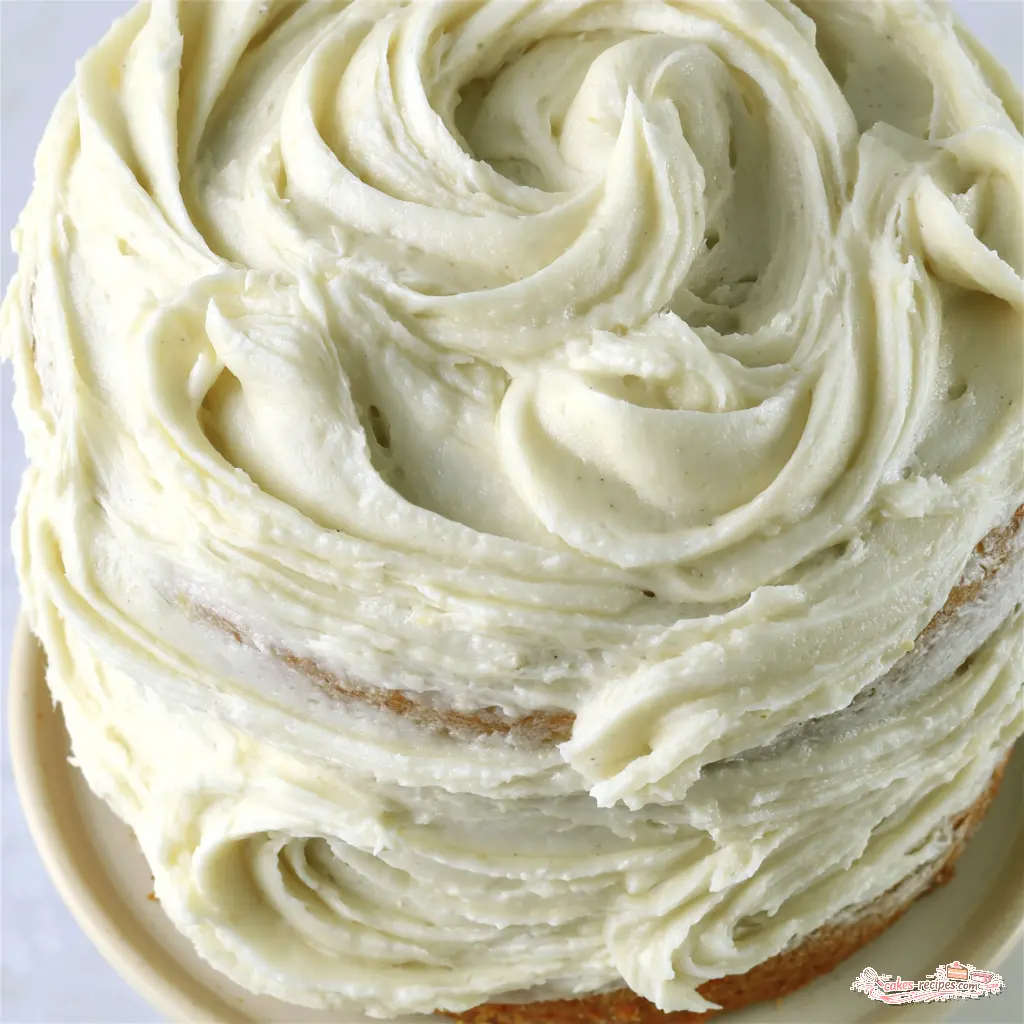
While the cake is cooling, you can prepare the frosting. This Vanilla Cream Frosting is light, fluffy, and not overly sweet—the perfect complement to the rich cake.
- Whip the cream: In a large, chilled bowl, beat the heavy cream with an electric mixer until stiff peaks form. Be careful not to over-whip, or it will turn into butter. Set aside in the refrigerator.
- Make the base: In another bowl, beat the softened cream cheese with the powdered sugar and vanilla extract until smooth and creamy. Scrape down the sides of the bowl as needed.
- Fold it together: Gently fold the whipped cream into the cream cheese mixture using a rubber spatula. Fold until just combined and no white streaks remain. Do not overmix, or the frosting will become too soft.
- Chill: For the best spreading consistency, refrigerate the frosting for at least 15-20 minutes before using. This helps it firm up so it spreads beautifully without sliding off the cake.
Tips for the Perfect Vanilla Cream Cake
Want to elevate your baking from good to exceptional? These simple tips will ensure your Vanilla Cream Cake is flawless every single time.
- Use room temperature ingredients: This is critical for the reverse creaming method. Cold eggs and buttermilk can cause the batter to seize or curdle. Let your eggs and buttermilk sit on the counter for 30 minutes before starting.
- Do not overmix after adding flour: Once you add the wet ingredients, mix only until the batter is smooth. Overmixing develops gluten, which leads to a tough, dry cake.
- Measure flour correctly: The most common baking mistake is using a measuring cup to scoop flour directly from the bag. This packs the flour, leading to too much in the recipe. Instead, use the spoon and level method: spoon flour into your measuring cup and level it off with a knife.
- For extra moisture: Brush the cooled cake layers with a simple syrup (equal parts sugar and water, heated until dissolved). This is a professional trick that keeps the cake incredibly moist for days, especially if you are making a layered cake in advance.
Variations and Substitutions
This Vanilla Cream Cake recipe is wonderfully versatile. Here are a few ways to adapt it to your dietary needs or flavor preferences.
- Gluten-Free: Substitute the all-purpose and cake flour with a high-quality 1:1 gluten-free flour blend that contains xanthan gum. The texture will be slightly different but still delicious.
- Dairy-Free: Use a high-quality plant-based butter substitute and a dairy-free milk (like oat or soy) mixed with 1 tablespoon of lemon juice to create a buttermilk alternative. Ensure your cream cheese substitute is also firm and block-style.
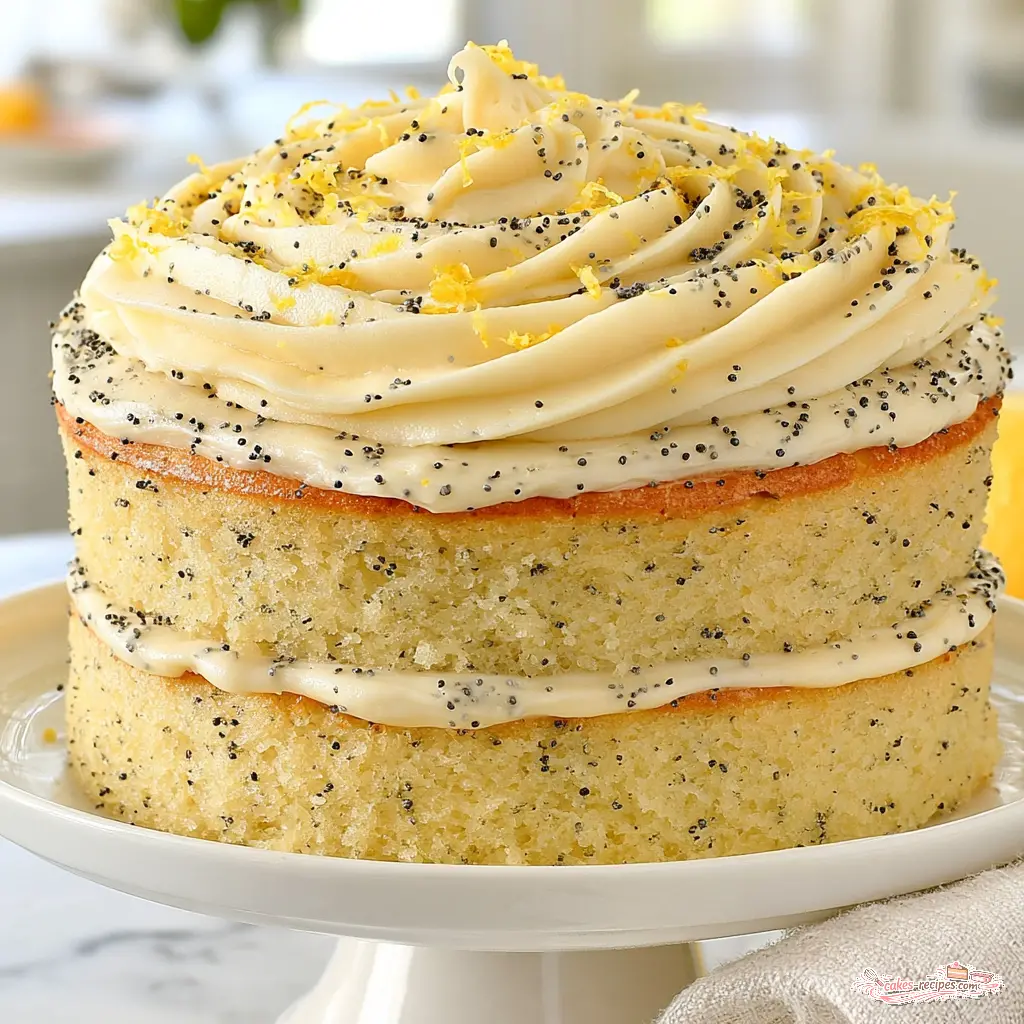
- Lemon Cream Cake: Add the zest of 2 lemons to the dry ingredients and substitute 1 teaspoon of vanilla extract with lemon extract for a bright, citrusy twist.
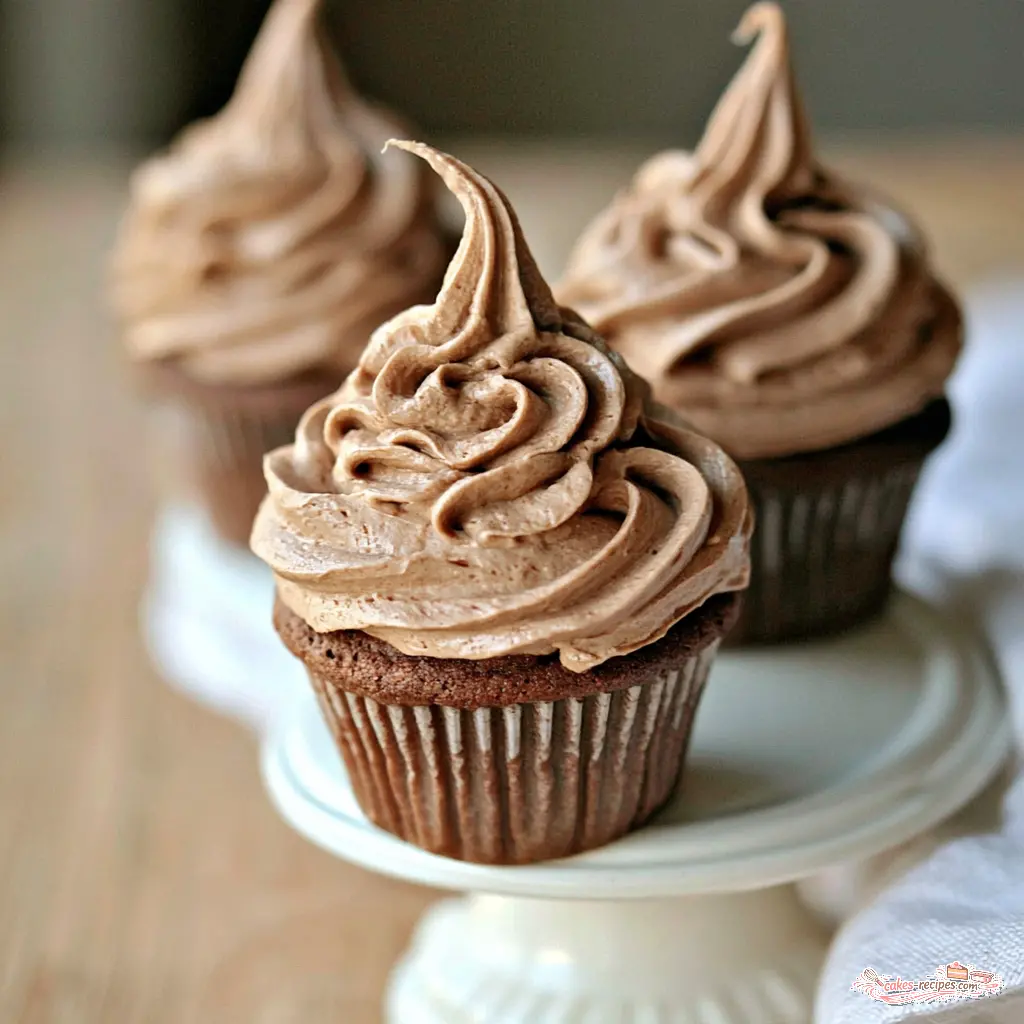
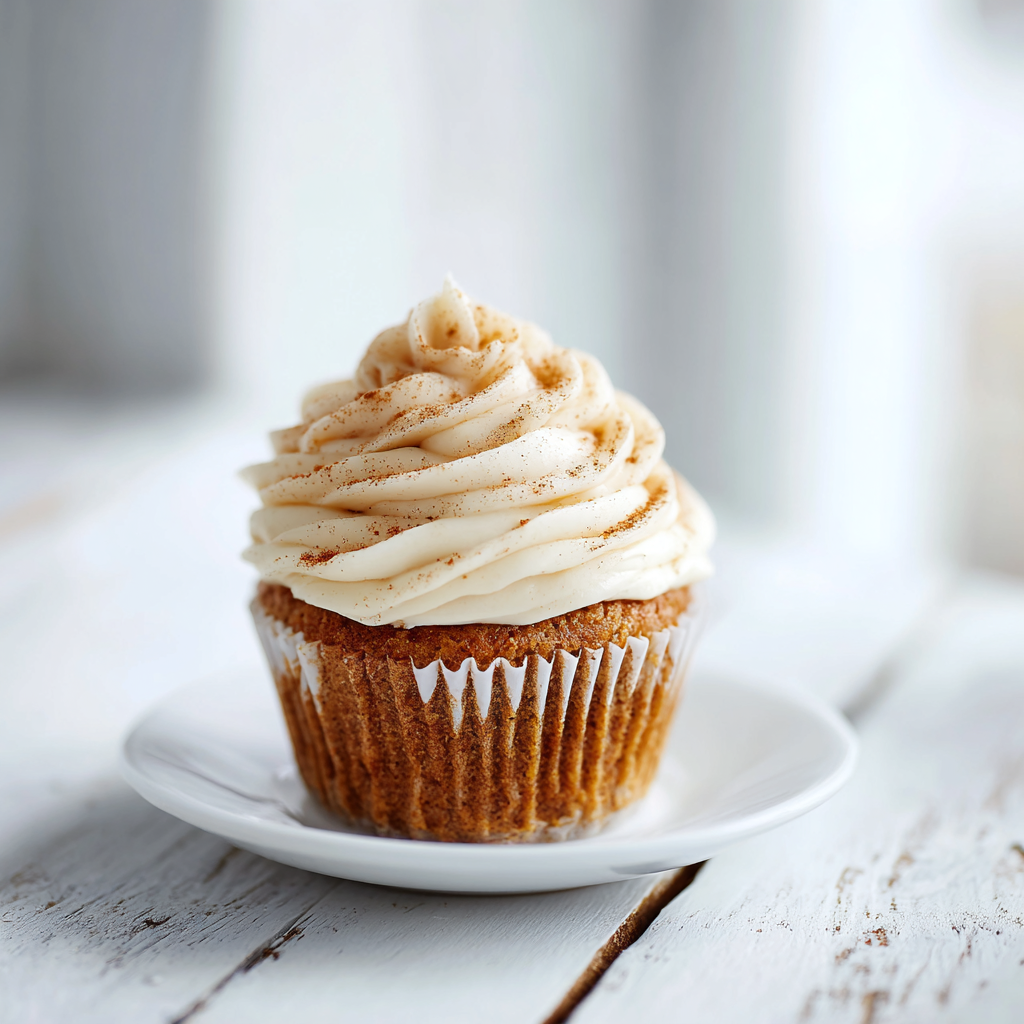
- Cupcakes: This batter makes excellent cupcakes. Fill lined muffin tins 2/3 full and bake at 350°F for 18-20 minutes. You will get about 24 cupcakes.
How to Store and Freeze
One of the best things about this cake is how well it keeps. Here is how to store it to maintain its fresh-baked quality.
- Room Temperature: Store the frosted or unfrosted cake in an airtight container at room temperature for up to 2 days.
- Refrigerator: For longer storage, keep the cake in the refrigerator for up to 5 days. Allow it to come to room temperature for about 30 minutes before serving for the best flavor and texture.
- Freezing: Unfrosted cake layers can be tightly wrapped in plastic wrap, then foil, and frozen for up to 3 months. Thaw them overnight in the refrigerator before frosting as usual.
Frequently Asked Questions
What is the reverse creaming method?
The reverse creaming method involves mixing softened butter into the dry ingredients before adding liquids. This coats the flour particles with fat, resulting in a tender, fine crumb and a naturally flat top, perfect for layer cakes.
Can I use all-purpose flour instead of cake flour?
Yes, you can substitute 1 cup all-purpose flour minus 2 tablespoons plus 2 tablespoons cornstarch per cup of cake flour. Sift together before using.
How do I make buttermilk at home?
Add 1 tablespoon lemon juice or white vinegar to 1 cup milk. Let sit for 5-10 minutes until curdled.
Can this cake be made into cupcakes?
Absolutely! Fill cupcake liners 2/3 full and bake at 350°F for 18-20 minutes. Yield about 24 cupcakes.
How long does this cake stay fresh?
The cake stays moist for up to 4 days at room temperature in an airtight container, or up to 5 days in the refrigerator.