["Bake the Best BA Banana Bread Recipe"]
Ingredients
Method
- Preheat the oven to 350°F. Lightly coat an 8½x4½-inch loaf pan with nonstick vegetable oil spray and line it with parchment paper, leaving a generous overhang on the long sides. Whisk 1½ cups all-purpose flour, 1¼ tsp. baking soda, and ¾ tsp. Diamond Crystal or ½ tsp. Morton kosher salt in a medium bowl to combine.
- Beat 1 cup packed dark brown sugar, ⅓ cup mascarpone (or yogurt/sour cream), and 4 Tbsp. room-temperature unsalted butter in a large bowl using an electric mixer on medium-high speed until light and fluffy, about 4 minutes. Add 2 large eggs one at a time, beating to blend after each addition and scraping down the sides and bottom of the bowl with a rubber spatula as needed.
- Reduce the mixer speed to low, add the dry ingredients, and mix until just combined. Add 4 large mashed ripe bananas and mix until just incorporated. Fold in ½ cup chopped chocolate and/or ½ cup chopped raw walnuts using a spatula. Scrape the batter into the prepared loaf pan and smooth the top.
- Bake the bread for 60–65 minutes or until a tester inserted into the center comes out clean. Transfer the pan to a wire rack and let the bread cool in the pan for 1 hour. Turn the bread out onto the rack and allow it to cool completely before slicing.
Notes
Tried this recipe?
Let us know how it was!Why This Isn’t Just Another Loaf Cake
I’ll tell you what, I have baked more loaf cakes in my lifetime than I care to admit. Growing up in Charleston, my grandmother Eunice taught me that a proper cake doesn’t need frosting to hide behind. It needs structure. It needs flavor that stands on its own two feet. For years, I thought I had seen it all when it came to banana bread. I was wrong. One often overlooked factor in achieving this is selecting the correct [banana bread baking dish] for even heat distribution.
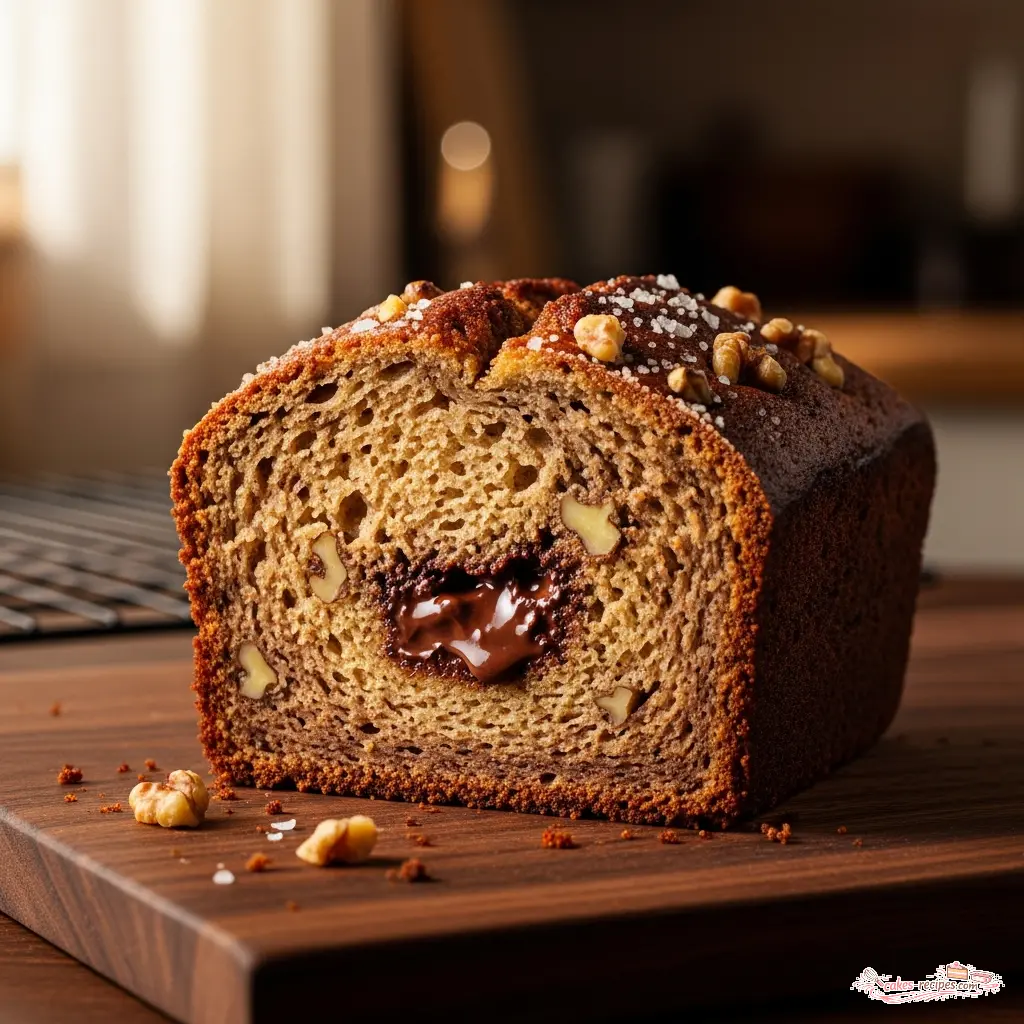
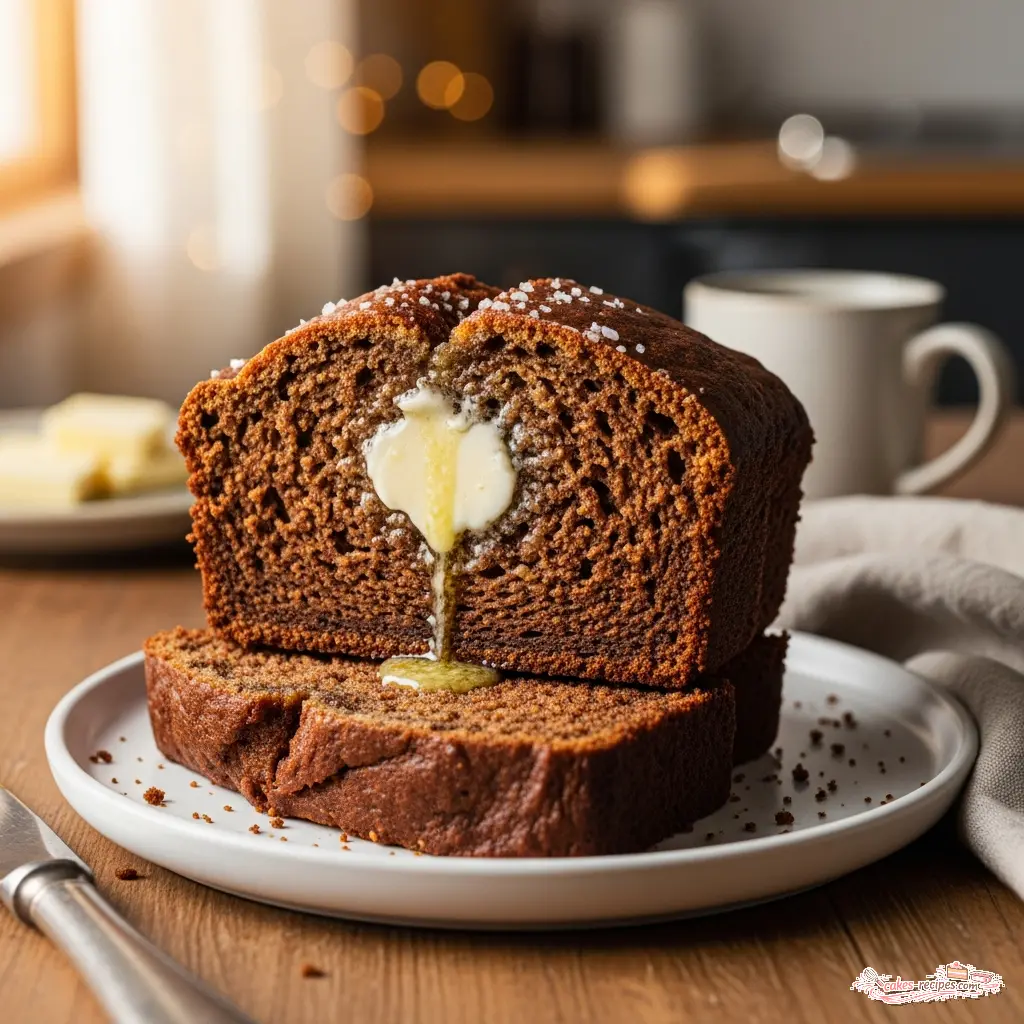
There is a reason the internet lost its collective mind over this specific recipe. It’s not just hype. This b a banana bread is different. Most recipes you find are essentially muffins baked in a loaf pan quick, oily, and often a bit bland unless you drown them in butter. This one? This one eats like a cake. It has a deep, dark, mahogany crust that shatters when you slice it, and an interior so moist it almost feels like a pudding, yet it holds its shape perfectly.
I know what you’re thinking. “James, it’s just banana bread. How complicated can it be?” Bless your heart, it’s not complicated, but it is precise. The magic here isn’t in some rare ingredient you have to order from specialty shops. It’s in the technique. It’s in understanding why we cream the butter instead of melting it, and why we let those bananas get so black you’d think they were ready for the compost bin. That’s just how it’s done if you want that bakery-style result.
This winter, when the wind is howling outside and you just want your kitchen to smell like heaven, this is the recipe you turn to. It takes a little longer than the mix-and-dump versions, but I promise you, that first warm slice with a pat of salted butter is worth every single minute.
The Great Fat Debate: Butter vs. Oil
Here is the thing about fat in baking. Butter gives you flavor, but oil gives you moisture. My grandmother always used butter because, well, margarine was a sin in her house. But butter contains water, and when that water evaporates, it can leave a cake feeling dry a day later. Oil is 100% fat. It coats the flour proteins and keeps the crumb tender for days.
This b a banana bread recipe is genius because it doesn’t make you choose. We use both. You get the rich, nostalgic flavor of butter creamed to create aeration and lift and you get the staying power of oil. It’s the best of both worlds. If you find yourself with fewer ingredients, you might consider a [2 banana loaf recipe] for a smaller batch.
Now, pay attention here. We are not melting the butter. We are creaming it with the sugar. This is where many home cooks go wrong. You want to beat that butter and sugar until it’s pale and fluffy. I mean really fluffy. This incorporates air, which acts as a leavening agent alongside your baking soda. If you rush this step, your loaf will be dense and heavy, like a brick. Take your time. Let the mixer run.
The Secret to Moisture: Mascarpone & Dark Sugar
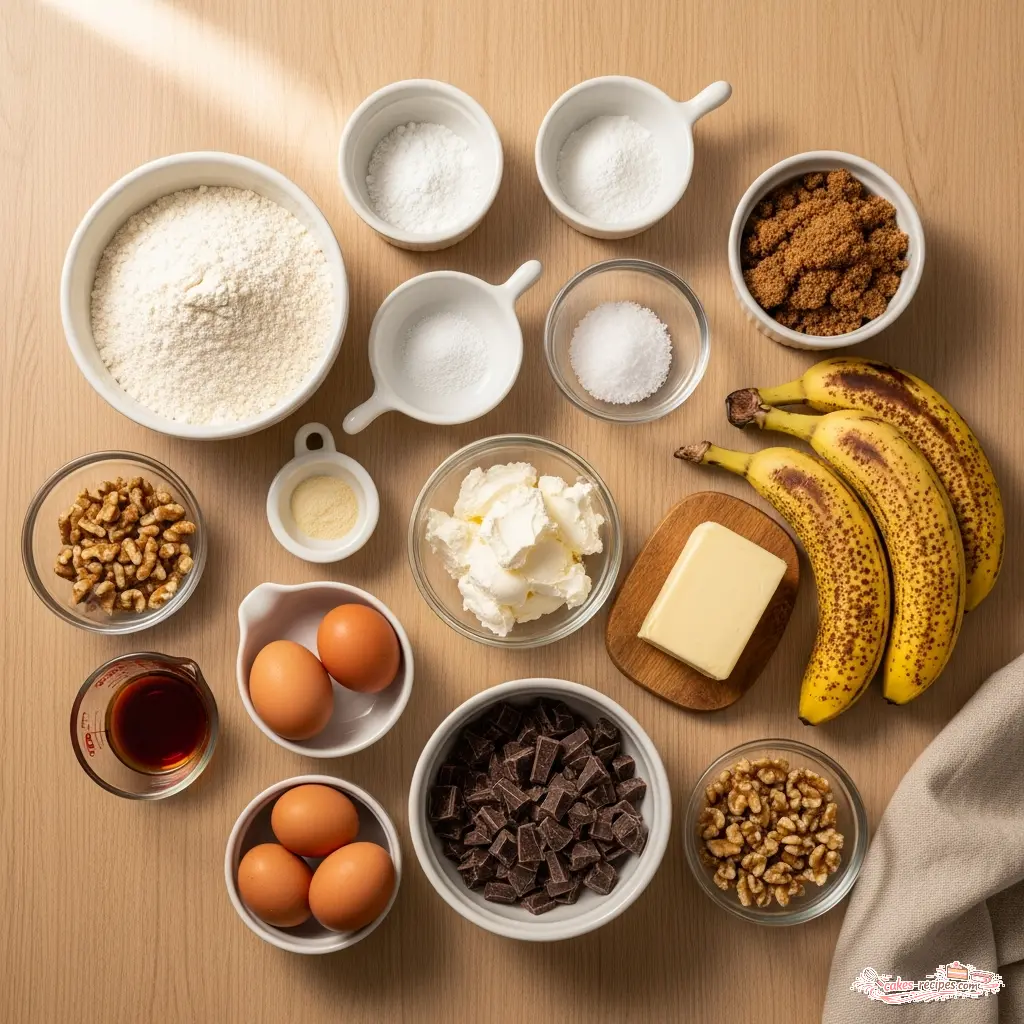
You might look at the ingredient list and pause when you see mascarpone. I did too, the first time. It seems a bit fancy for a humble quick bread, doesn’t it? But here is why it works. Mascarpone is essentially Italian cream cheese, but it’s less tangy and much richer than the brick stuff we put on bagels. It adds a luxurious, velvety texture to the batter.
If you can’t find mascarpone, or you just don’t want to buy a whole tub for one recipe, don’t worry. I’ve tested this with plain whole-milk Greek yogurt and full-fat sour cream. Both work beautifully. The sour cream substitution actually adds a lovely little tang that cuts through the sweetness. Just make sure whatever you use is full-fat. This is not the time for diet food.
Then there is the sugar. We are using dark brown sugar here, not light, and definitely not white sugar for the batter. Dark brown sugar has more molasses. Molasses is hygroscopic, which is a fancy way of saying it attracts and holds onto water. This ensures your b a banana bread stays moist for days. It also gives the bread that deep, caramel-like color and flavor that white sugar just can’t provide. This combination of ingredients mirrors the richness found in a classic [banana bread recipe with oil and milk].
Banana Ripeness: The Uglier, The Better
I cannot stress this enough. If your bananas are yellow, walk away. If they have a few brown spots, wait two days. You want your bananas to be practically black. They should look like you forgot about them for a week. When a banana ripens, its starches convert to sugar, and the flavor intensifies.
Using green or barely ripe bananas is the number one mistake people make. You’ll end up with a bland loaf that tastes like flour and disappointment. We want overripe bananas that are soft, fragrant, and mash easily. If you are desperate and your bananas are still yellow, you can roast them in their skins at 300°F for about 15-20 minutes until they turn black and soft. It’s not quite the same as natural ripening, but it’ll do in a pinch.
Troubleshooting: Why Did My Loaf Sink?
I’ve had readers write to me in a panic because their beautiful loaf collapsed in the middle. It’s heartbreaking, I know. Generally speaking, this happens for one of two reasons.
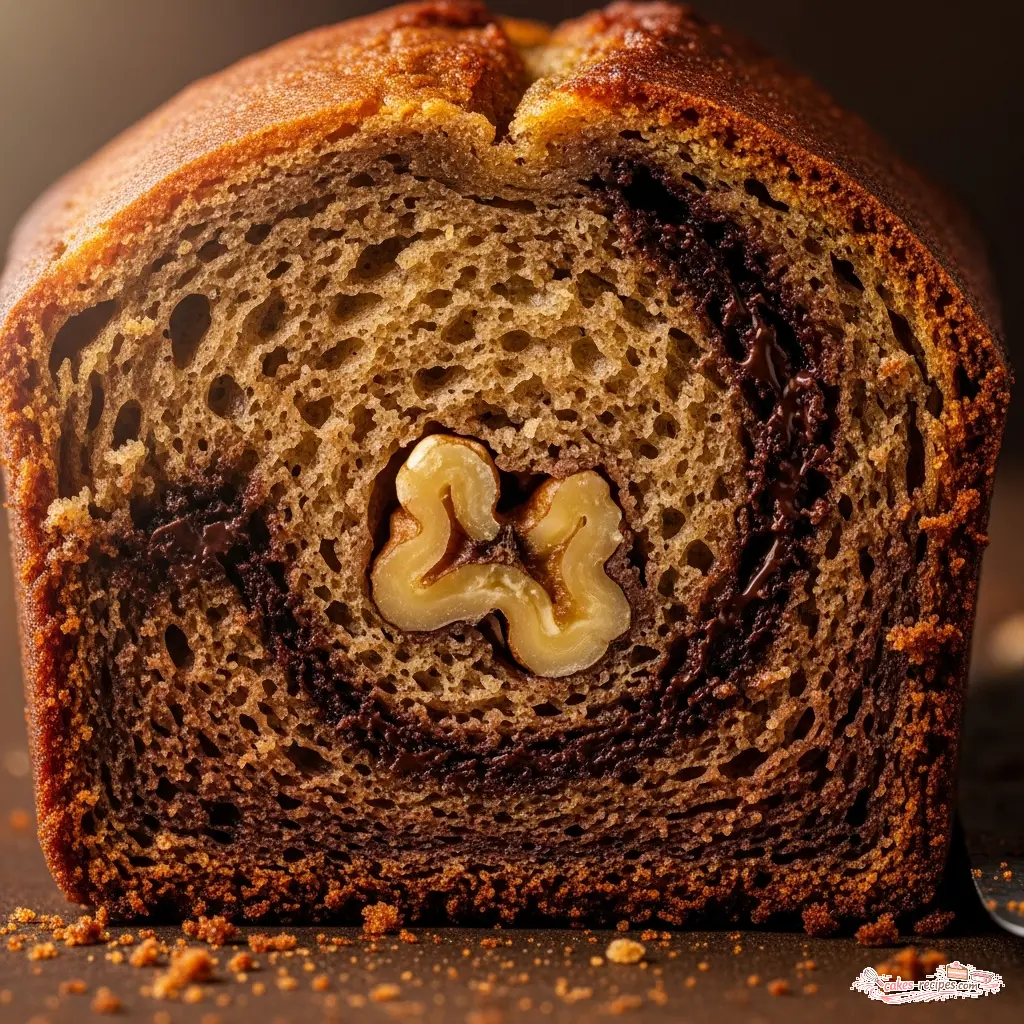
First, it might be underbaked. This is a dense, wet batter. It takes a long time to bake often a full hour or even 65 minutes. If you pull it out when the top looks dark but the center is still raw, the structure hasn’t set. It will fall as it cools. Don’t rely just on the color. Use a tester. It shouldn’t come out bone dry (that means you overbaked it), but it shouldn’t have wet batter on it either. To be absolutely certain, checking the internal [banana bread temperature] with a probe thermometer is the best way to confirm doneness.
Second, you might have over-mixed the batter. Once the flour goes in, you need to be gentle. I mean really gentle. If you beat the flour like it owes you money, you develop gluten. Gluten is great for chewy sourdough bread, but terrible for tender banana bread. Over-developed gluten creates a tight network that traps gas, rises high in the oven, and then snaps back and collapses when the heat is gone. Mix just until the flour streaks disappear. That’s it.
Storage & The “Next Day” Rule
Here is the hardest part of this entire recipe. You need to wait. I know, the kitchen smells amazing, and you want to slice into it immediately. But if you cut it while it’s hot, the steam escapes, and the bread can become gummy. Let it cool completely on a wire rack.
Better yet, this b a banana bread is actually superior on day two. The flavors meld, the moisture distributes evenly, and the crust softens just a tiny bit into this incredible, sticky texture. Store it wrapped tightly in plastic wrap at room temperature. It will keep for about 3-4 days, though in my house with four kids, it rarely lasts past breakfast the next morning.
If you want to freeze it, slice it first. Wrap individual slices in plastic wrap and then put them in a freezer bag. That way, you can pull out a single slice, pop it in the toaster or warm it in a skillet with a little butter, and have a fresh-tasting treat in minutes. It’s a lifesaver for busy mornings.
Frequently Asked Questions
Well, there you have it. The search for the perfect loaf is over. I truly believe this b a banana bread will become a staple in your home just like it has in mine. It’s reliable, it’s comforting, and it tastes like you spent years mastering it. So go ahead, let those bananas turn black on the counter. Your patience is about to be rewarded.
When you pull that mahogany beauty out of the oven, take a picture of that crack down the center. Grandma Eunice would be proud. And save me a slice, would you?
Reference: Original Source