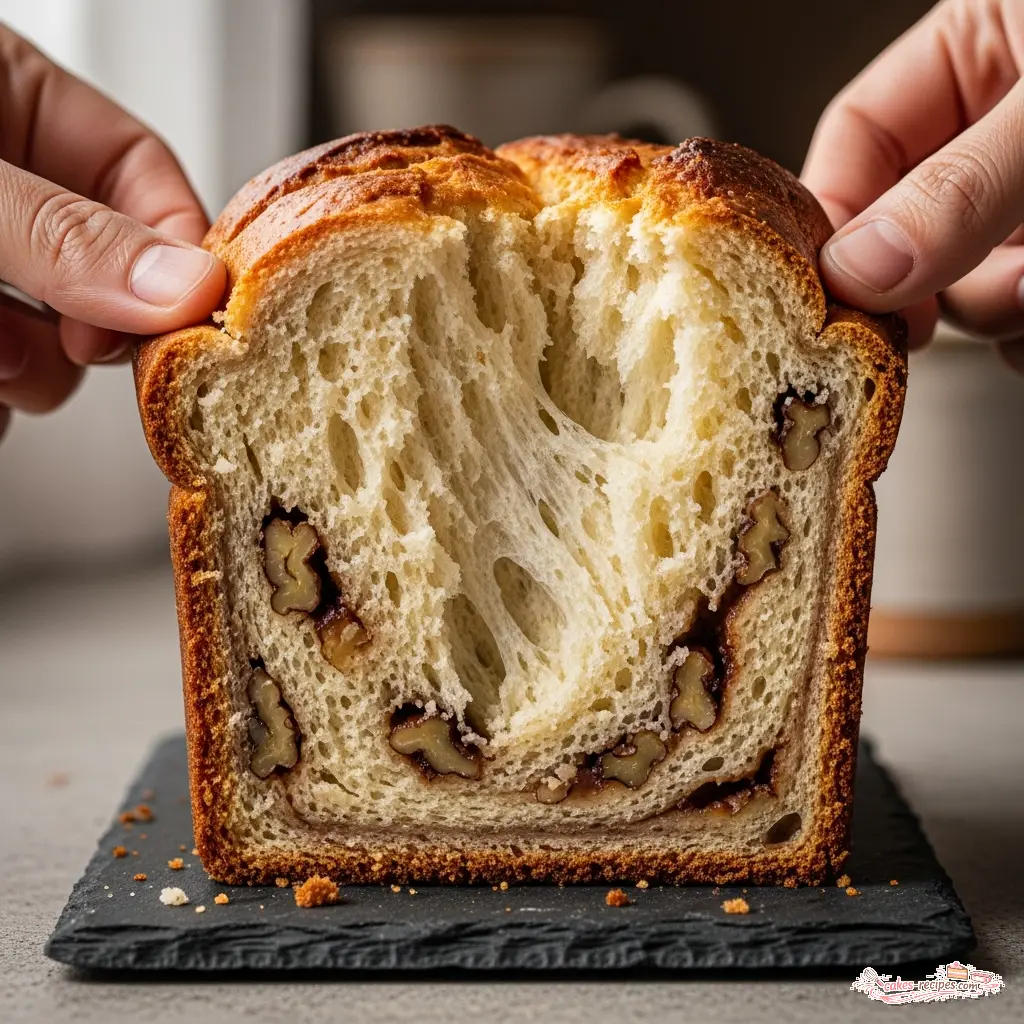
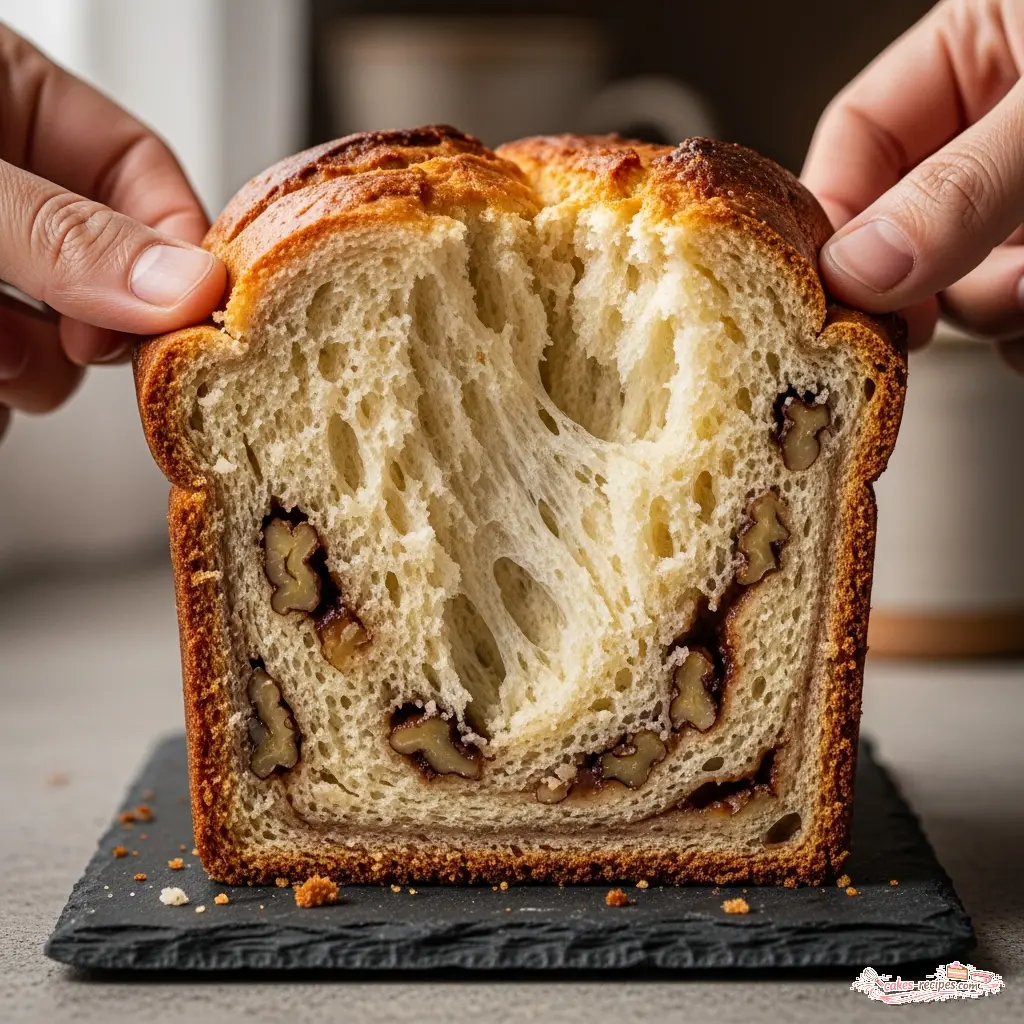
[ "Ultimate Bakery Style Banana Bread With 5 Bananas" ]
Ingredients
Method
- Position the oven rack in the lower third and preheat the oven to 350°F (177°C). Grease a 9x5-inch loaf pan with nonstick spray and set it aside.
- Whisk the flour, baking soda, salt, and cinnamon together in a medium bowl and set aside.
- Beat the butter and brown sugar in a large bowl using a mixer with a paddle attachment on medium-high speed for about 3 minutes until light and creamy. Add the eggs one at a time on medium speed, beating well after each addition and scraping the bowl as needed. Mix in the yogurt, vanilla, and mashed bananas until combined.
- Combine the dry ingredients with the wet ingredients and beat on low speed just until incorporated, avoiding over-mixing. Fold in the nuts or chocolate chips if using.
- Spread the batter into the prepared pan and bake for 60–65 minutes, covering loosely with foil halfway through to prevent over-browning. Ensure a toothpick inserted in the center comes out clean before removing from the oven. Cool in the pan on a wire rack for 1 hour, then transfer the bread directly to the rack to cool completely.
- Wrap the bread tightly and store at room temperature for up to 3 days or refrigerate for up to 1 week.
Notes
Tried this recipe?
Let us know how it was!Why Most Home Recipes Fail (And How to Fix It)
Here’s the thing. Most people treat banana bread like a trash bin for old fruit. They see five black bananas on the counter and think, “Well, better make something.” But they don’t respect the process. They dump ingredients into a bowl by volume, mix it until their arm hurts, and then wonder why their loaf comes out flat, dense, or gummy at the bottom. I see this all the time with my students. They want that tall, proud bakery style banana bread they see in coffee shop windows, but they’re using a recipe from the back of a flour bag that hasn’t been updated since 1982.
I didn’t grow up baking this stuff. My mentor, Rosa, taught me that every ingredient needs a purpose. In coffee roasting, we obsess over the Maillard reaction that beautiful browning that creates flavor complexity. It’s the same here. Real talk: achieving that dark, caramelized crust and high dome isn’t magic. It’s chemistry. It’s about how the sugars interact with the heat and how the leavening agents respond to the acidity in the bananas and yogurt. When you get it right, the result is spectacular. A loaf that isn’t just “good for homemade” but actually rivals what we serve at the best cafes in Portland.
You’re going to love this recipe because it stops apologizing for being homemade. We are going to use a kitchen scale because precision matters. We are going to use specific techniques to ensure a moist crumb that lasts for days. And yes, we are going to use a lot of bananas. Trust the process.
The Science of the Dome: Baking Soda vs. Baking Powder
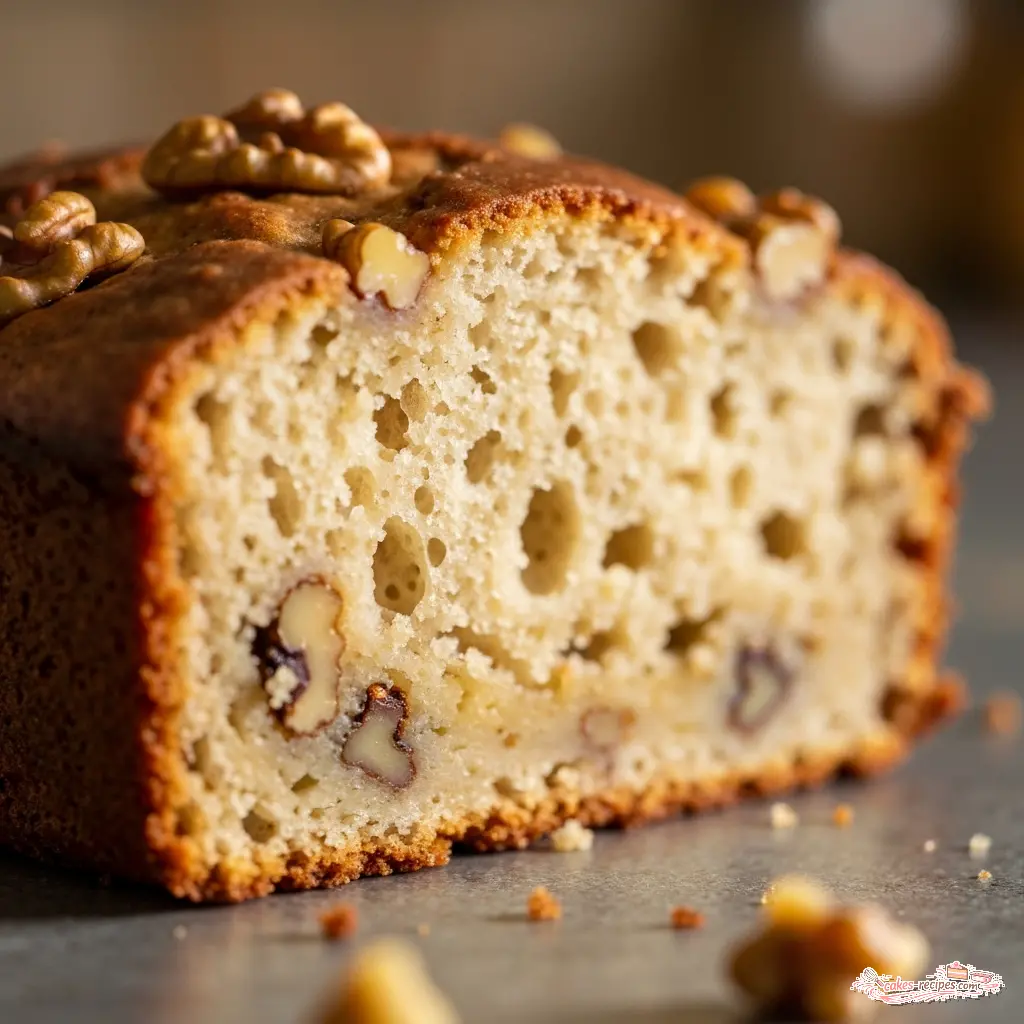
If you have ever pulled a loaf out of the oven only to watch it sink into a sad, dense brick, I feel your pain. Generally, this happens because the leavening wasn’t strong enough to lift the heavy batter of a bakery style banana bread. Bananas are heavy. Nuts are heavy. This is a dense batter.
We rely heavily on baking soda here. Why? Because we are using acidic ingredients: brown sugar (which contains molasses), yogurt (or sour cream), and the bananas themselves. Baking soda reacts instantly with these acids to create carbon dioxide bubbles. That’s your lift. But here is the secret most people miss: you need a high-heat start. I start my oven at 425°F for the first 10 to 15 minutes. This thermal shock forces the batter to spring up rapidly, setting the edges and creating that signature dome before the center cooks through. Then, we drop the temp to finish baking. It’s a technique I use for muffins, and it works perfectly for loaves too.
The “5 Bananas” Rule and Ripeness
Let’s talk about the star of the show. You cannot make a bakery style banana bread with yellow bananas. You just can’t. It’s like trying to make espresso with light roast beans that haven’t degassed it’s going to be sour and grassy. You need bananas that are ugly. I’m talking black. Not just spotted. Black.
When a banana skin turns black, the starches inside have fully converted to sugar. The flavor changes from “banana” to a complex, almost boozy sweetness with notes of vanilla and rum. That is what we want. If you use 5 bananas that are merely yellow, your bread will be dry and lack flavor. If you use 5 bananas that are black, you get incredible moisture and depth.
What if my bananas aren’t ripe?
I get asked this all the time. Honestly, patience is best. But if you are desperate, you can cheat. Put your unpeeled bananas on a baking sheet and roast them at 300°F for about 15 to 20 minutes until they turn black and leak a bit of juice. It’s not 100% the same as natural ripening, but it gets you 90% of the way there. It helps mimic that deep, caramelized flavor profile we are chasing.
Precision Baking: Grams vs. Cups
I can’t stress this enough. If you want consistent results, you need a kitchen scale. A cup of flour can weigh anywhere from 120 grams to 150 grams depending on how you scoop it. That difference is huge. It’s the difference between a moist, tender crumb and a dry, crumbly mess. In my kitchen, we weigh everything.
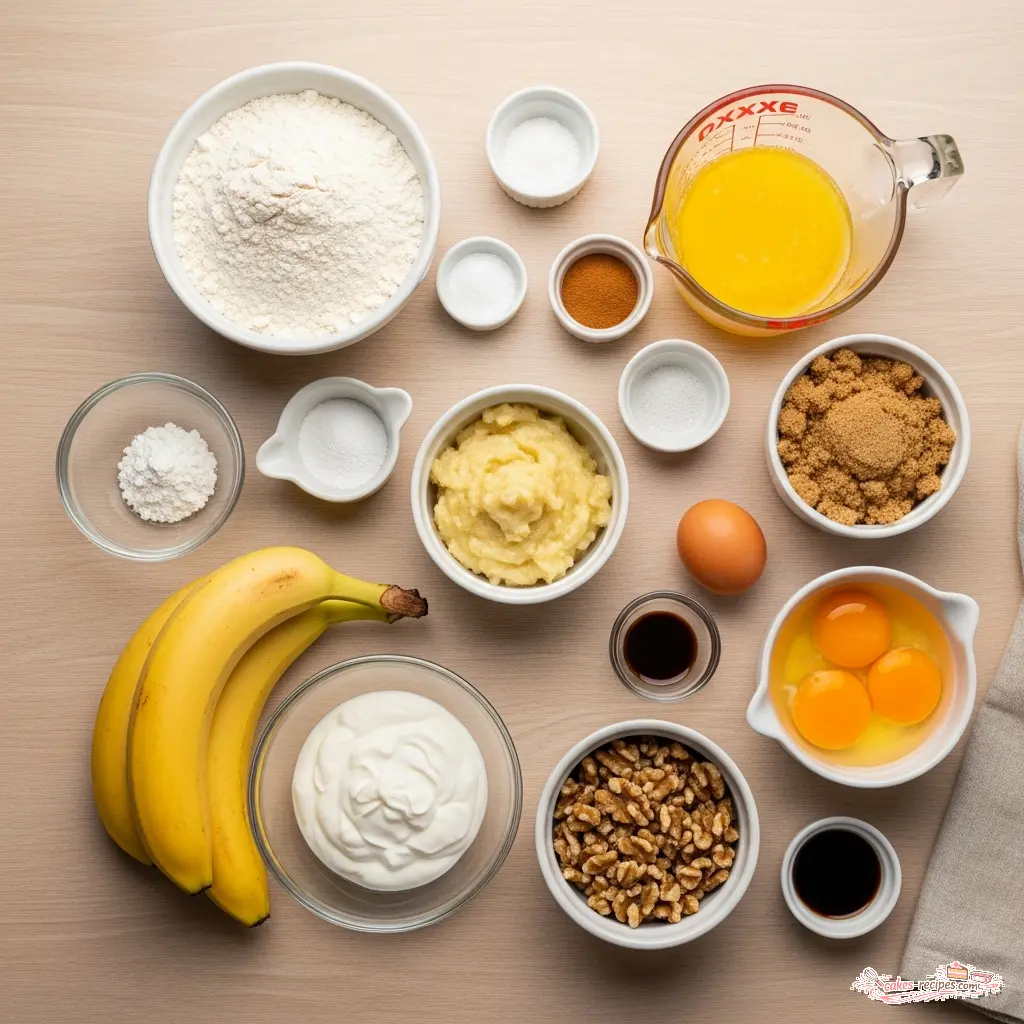
For this bakery style banana bread, we are looking for about 460 to 500 grams of mashed banana. That is usually about 5 medium bananas. If you just grab “5 bananas” without weighing, you might end up with too much liquid (gummy bread) or too little (dry bread). Weigh your fruit. It’s a small step that separates the pros from the guessing game.
Flavor Complexity: Beyond Vanilla
Vanilla extract is great. I use it. But if you really want to elevate your loaf, you have options. Sometimes I run out of vanilla, or I just want something different. Bourbon is a fantastic substitute. The oaky, caramel notes in bourbon pair perfectly with the bananas. Dark rum works too. It gives it a tropical, Bananas Foster vibe.
Another trick I learned from Rosa is to brown the butter. Instead of just melting it, cook it in a saucepan until the milk solids turn golden brown and it smells nutty. This adds a layer of savory richness that cuts through the sweetness of the sugar and fruit. It makes the kitchen smell incredible, like a French bakery. If you do this, just make sure to let it cool slightly before mixing it with the eggs so you don’t scramble them.
Mixing Method: The “Muffin Method”
We use the muffin method here. That means wet ingredients in one bowl, dry ingredients in another, and then we combine them. The most critical rule? Do not overmix. I mean it. Stop mixing as soon as you see the last streak of flour disappear.
If you keep stirring, you develop gluten. Gluten is great for sourdough bread where you want chewiness. It is the enemy of bakery style banana bread. We want tender. We want soft. If you overmix, you get a rubbery loaf with tunnels in it. I usually fold the dry ingredients in by hand with a spatula rather than using a mixer. It gives me more control and prevents me from ruining the texture. If you are looking for more ways to use overripe fruit, you can also learn about adding bananas to muffin mix for a quick breakfast treat.
Troubleshooting Common Failures
I’ve seen it all in my workshops. Here is why your bread might be failing and how to fix it.
Common Mistakes & Fixes
Mistake: The center is raw but the top is burning.
Solution: Your oven is too hot or the pan is too dark. Tent the loaf loosely with aluminum foil after 30 minutes. This shields the crust while the interior finishes cooking.
Mistake: The loaf sank in the middle.
Solution: You likely underbaked it. Use a digital thermometer. The internal temperature should be between 200°F and 206°F. The toothpick test can be misleading if you hit a piece of banana or chocolate.
Mistake: The bottom is gummy/dense.
Solution: Too much banana liquid or overmixing. Weigh your bananas. If they are extra juicy, you can simmer the banana mash on the stove for 5 minutes to reduce the liquid before adding to the batter.
Storage: Keeping It Moist
This bread actually tastes better the next day. The flavors meld and the moisture redistributes. But you have to store it right. Do not put it in the refrigerator. The cold air will stale the bread faster than leaving it on the counter. It’s science retrogradation of starch happens faster at fridge temps.
Wrap the cooled loaf tightly in plastic wrap. I usually do two layers. Keep it at room temperature for up to 4 days. If you need to keep it longer, freeze it. Slice it first, wrap individual slices in plastic, then put them in a freezer bag. That way you can pull out a single slice for breakfast and toast it. It’s a lifesaver on busy mornings.
Frequently Asked Questions
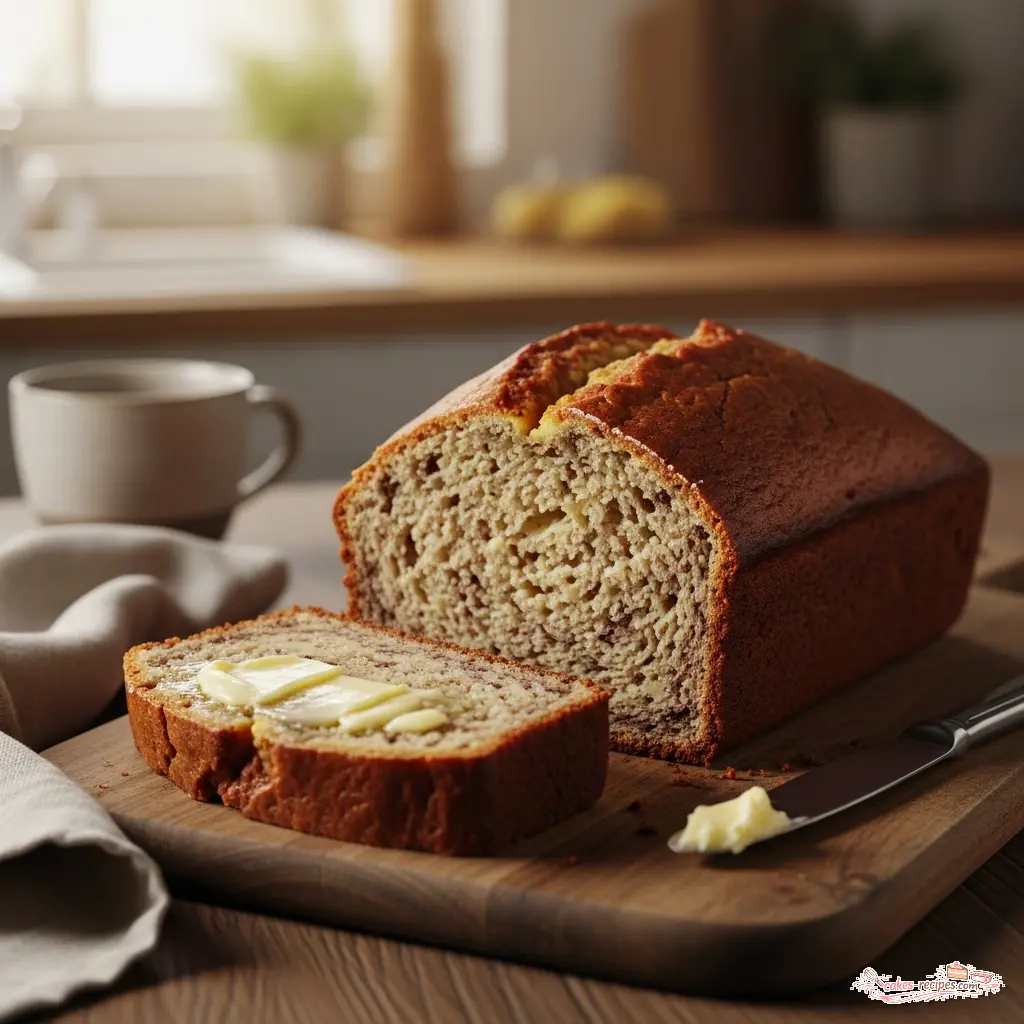
The Final Slice
When you pull this tall, proud loaf out of the oven, and that smell hits you warm butter, caramelized sugar, toasted nuts it’s a moment. It reminds me of those early mornings at Rosa’s roastery, where the simplest things were done with the most care. You don’t need a professional bakery kitchen to get these results. You just need patience, the right bananas, and the willingness to measure in grams.
So, next time you see those spotty bananas on your counter, don’t throw them out. Don’t even think about it. That is liquid gold waiting to happen. Make this bakery style banana bread, brew a fresh cup of coffee (medium roast, please), and enjoy the process. Let me know how high your dome gets in the comments below. I love seeing those success stories.
Reference: Original Source