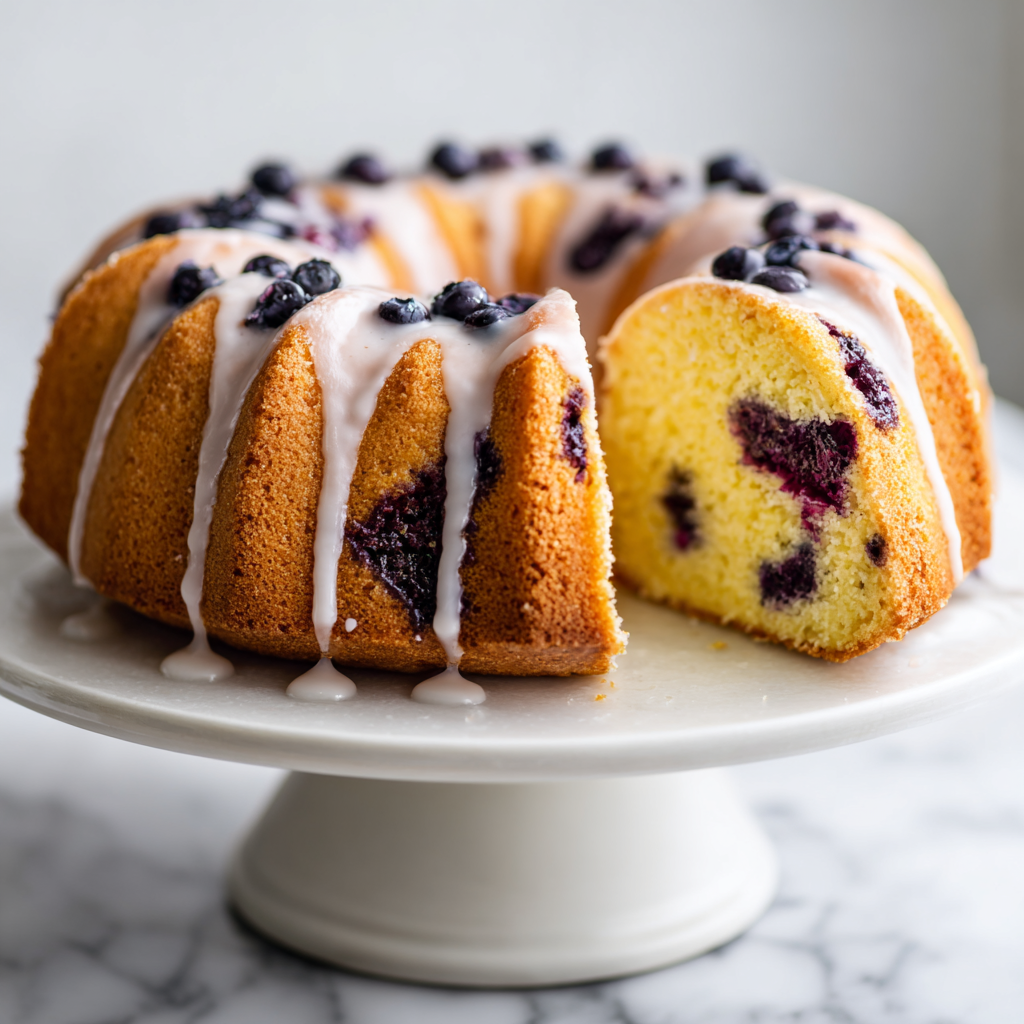
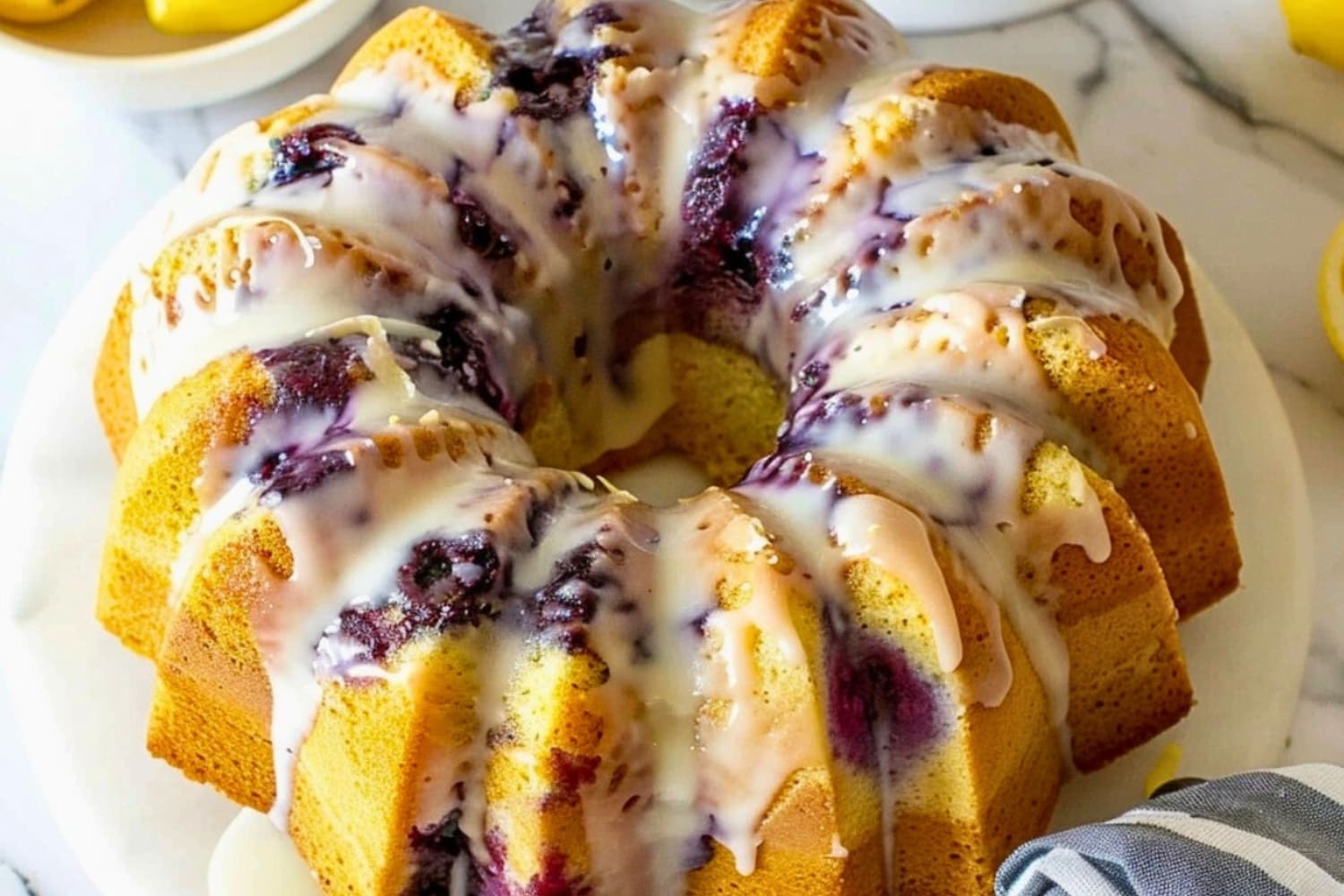
Blueberry Lemon Pound Cake
Ingredients
Method
- Preheat your oven to 350°F. Grease a 10-inch Bundt pan generously with butter or baking spray, then dust with flour and tap out any excess.
- In a medium bowl, whisk together the flour, baking powder, baking soda, and salt until well blended.
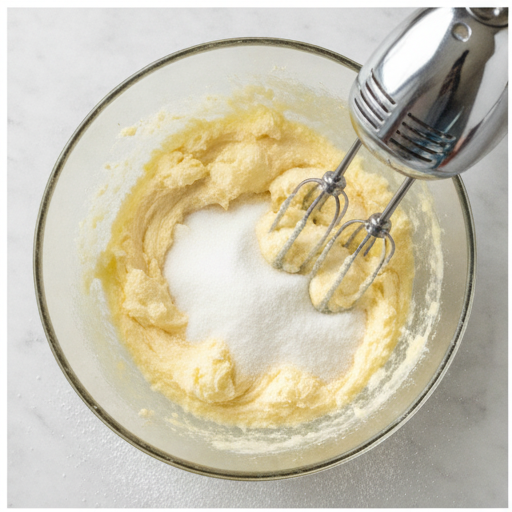
- In a large bowl, beat the butter and sugar with an electric mixer on medium speed until light and fluffy, about 3 to 5 minutes.
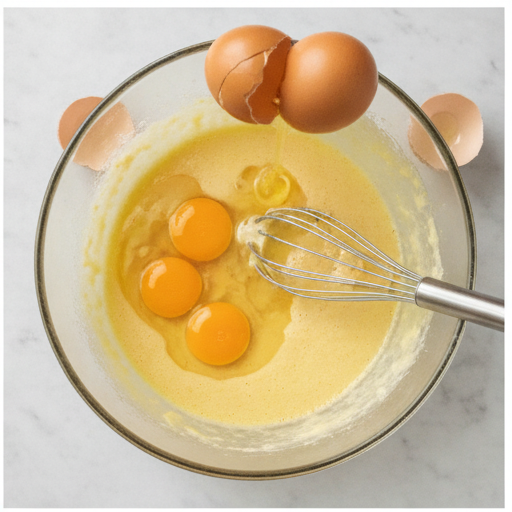
- Add the eggs one at a time, beating well after each addition. Scrape down the sides and bottom of the bowl. Mix in the lemon zest, lemon juice, and vanilla extract.
- Alternate adding the flour mixture and the buttermilk, starting and ending with the flour. Add the flour in three parts and the buttermilk in two parts. Stir gently by hand with a spatula after each addition until just combined.
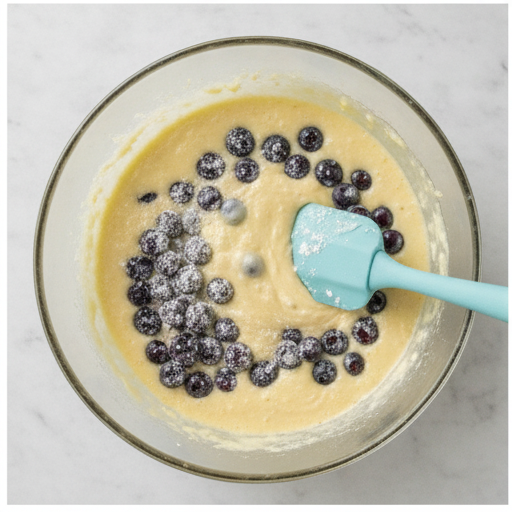
- Before adding the final portion of flour, toss the blueberries with a little flour to coat them. Gently fold the blueberries into the batter until no streaks of flour remain, being careful not to overmix.
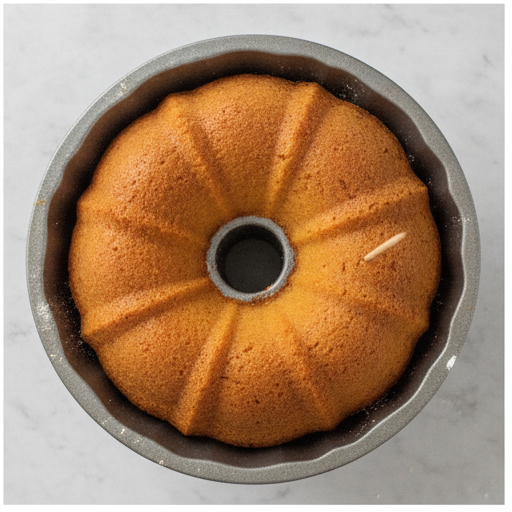
- Pour the batter into the prepared Bundt pan. Bake for 50 to 60 minutes, or until a toothpick inserted into the center comes out clean. Let the cake cool in the pan for 15 to 20 minutes.
- Invert the pan onto a wire rack and carefully remove the cake. Allow it to cool completely before glazing.
- In a small bowl, whisk together the sifted powdered sugar and lemon juice until smooth.
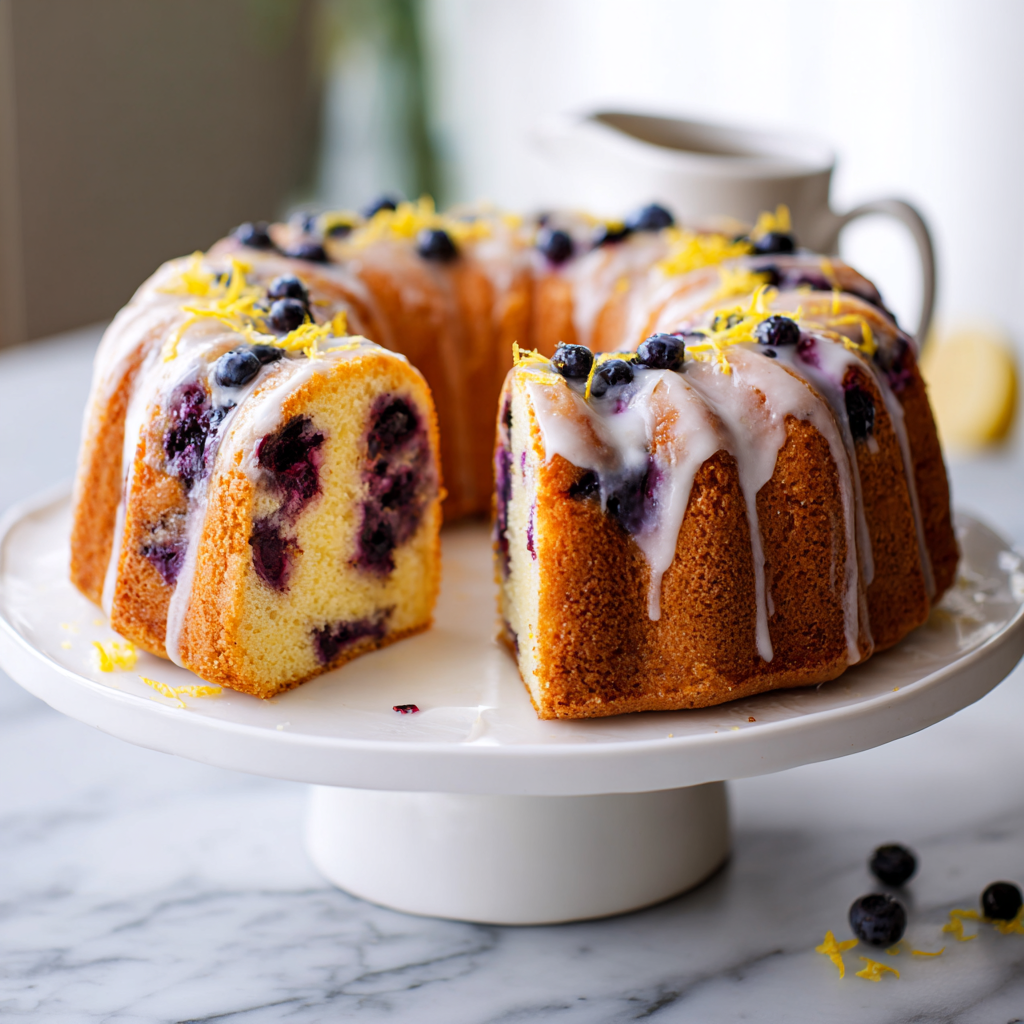
- Drizzle the glaze over the completely cooled cake, letting it run down the sides. Let the glaze set for about 15 minutes before slicing and serving.
Nutrition
Notes
Tried this recipe?
Let us know how it was!Why This Blueberry Lemon Pound Cake Works
The first time I made a lemon blueberry pound cake, I’ll tell you what the berries all sank to the bottom like little purple stones. I was thirteen, it was for a 4-H competition, and I’d skipped the flour-coating step because I was in a hurry. My grandmother Eunice, who’d been making pound cakes for church sales since before I was born, just patted my shoulder and said, “Now you know why I take my time.”
That cake was dense. Not in the right way, either heavy and greasy instead of tender and buttery. I placed last. But I learned something that day that’s stuck with me ever since: a proper blueberry lemon pound cake isn’t complicated, but it does demand respect for the process. Every step matters, from creaming the butter and sugar until they’re light and fluffy to gently folding those berries in at the end.
This recipe is the one I’ve been making for years now. It’s the one my fifteen-year-old daughter texts me photos of, asking if the crack on top is “Grandma-worthy.” It’s the one that tastes like Sunday dinners after church, when the whole family gathered and pound cake was always on the table. And here’s the thing it works every single time.
Ingredients You’ll Need
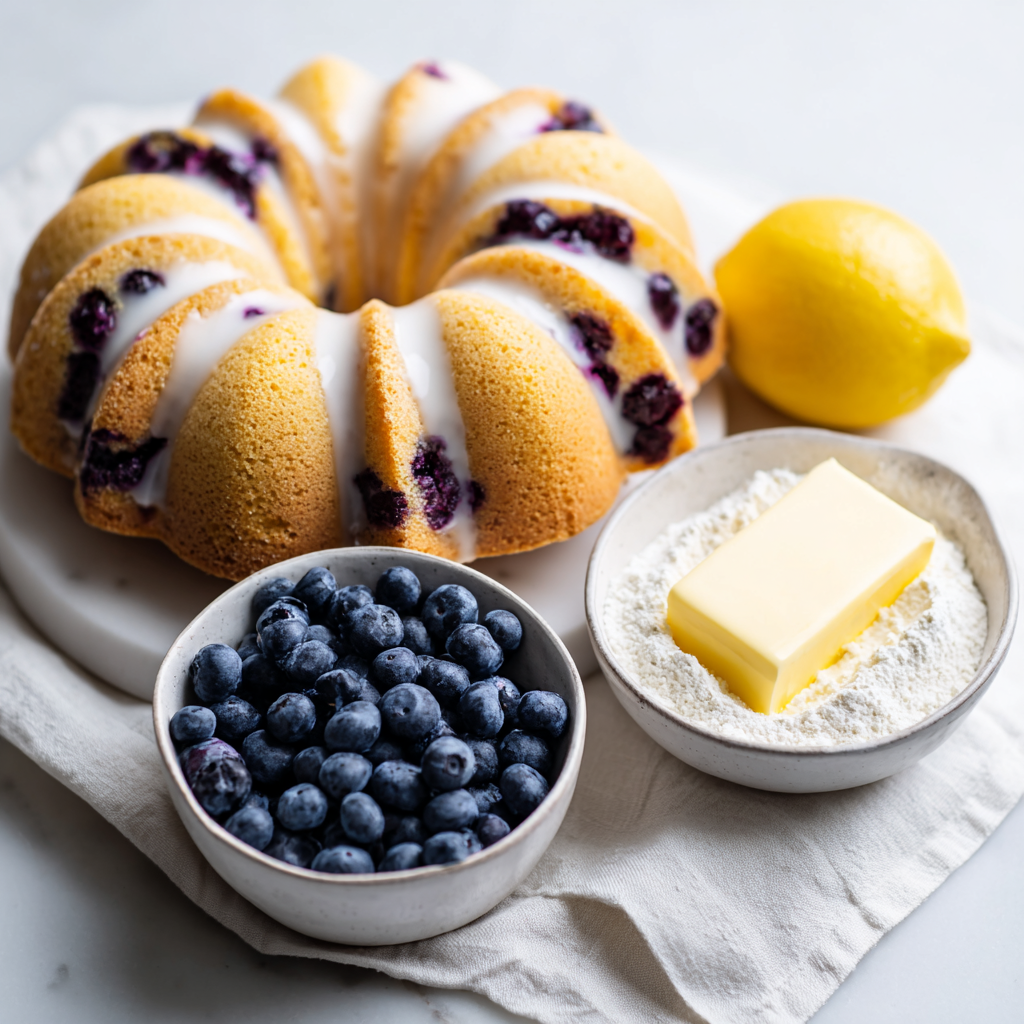
Let me walk you through what goes into this cake. Nothing fancy, I promise just good, honest ingredients that do their job.
- All-purpose flour 3 cups. This gives the cake structure without making it tough. I’ve tried cake flour, but all-purpose gives that perfect pound cake density.
- Baking powder and baking soda They work together for just the right rise. The buttermilk reacts with the soda to keep things tender.
- Salt Just a teaspoon. It balances the sweetness and brings out the lemon flavor.
- Unsalted butter A full cup, at room temperature. This is non-negotiable. Cold butter won’t cream properly, and then your cake will be dense in the wrong way.
- Granulated sugar 2 cups. It sweetens, yes, but it also helps create that tender crumb when creamed with the butter.
- Eggs 4 large, also at room temperature. Room-temperature eggs emulsify into the batter so much better than cold ones.
- Lemon zest and lemon juice A tablespoon each. I like Meyer lemons if I can find them at the farmers market. They’re a bit sweeter, but regular lemons work beautifully.
- Vanilla extract A teaspoon. It rounds everything out. Grandma Eunice always added a splash, and I’ve never skipped it.
- Buttermilk 1 cup, room temperature. This is what makes the cake so moist and tender. The acidity tenderizes the gluten.
- Blueberries 2 cups, fresh or frozen. If using frozen, don’t thaw them first. I’ll explain why in a minute.
- For the glaze Powdered sugar and lemon juice. Simple, bright, and perfect.
Step-by-Step Instructions
Alright, let’s get to it. I’m going to walk you through this the way I’d show my own kids. Take your time, and trust the process.
Stage 1: Prep Your Pan and Oven
Preheat your oven to 350°F. Now, grease your 10-inch Bundt pan generously. I mean really get in there with butter or baking spray. Then dust it with flour and tap out the excess. This is one of those steps that seems small, but it’s the difference between a cake that releases perfectly and one that leaves half its crust stuck to the pan. I’ve learned that one the hard way, bless your heart.
Stage 2: Cream the Butter and Sugar
In a large bowl, beat the butter and sugar with an electric mixer on medium speed until light and fluffy. This takes 3 to 5 minutes. I know it’s tempting to rush I’ve been there. But here’s the thing: this is where you’re building the structure of your cake. The sugar crystals cut tiny air pockets into the butter, and those pockets are what give your cake its tender crumb. When I was learning, Grandma Eunice would cream by hand with a wooden spoon for fifteen minutes. We’ve got it easier with electric mixers, but we still need to give it time.
Stage 3: Add Eggs, Flavor, and Dry Ingredients
Add the eggs one at a time, beating well after each. Scrape down the sides of the bowl. Mix in the lemon zest, lemon juice, and vanilla. Now, alternate adding the flour mixture and the buttermilk flour in three parts, buttermilk in two. Start and end with flour. Stir gently by hand with a spatula after each addition until just combined. Don’t overmix. Overmixing activates the gluten and makes the cake tough. That’s just how it’s done.
Before you add the final portion of flour, toss the blueberries with a little extra flour. This is the trick I learned after that 4-H disaster. The flour creates friction, so the berries stay suspended in the batter instead of sinking. Gently fold them in until no streaks of flour remain.
Stage 4: Bake and Cool
Pour the batter into your prepared pan and bake for 50 to 60 minutes. Start checking at 50 minutes insert a toothpick into the center. It should come out clean, with maybe a few moist crumbs but no wet batter. The top should be golden brown and have that beautiful crack running down the center. That’s the mark of a proper pound cake.
Let the cake cool in the pan for 15 to 20 minutes. Then invert it onto a wire rack and carefully remove the pan. Let it cool completely before glazing. I know it’s hard to wait, but if you glaze it while it’s warm, the glaze will just melt right off.
For the glaze, whisk together sifted powdered sugar and lemon juice until smooth. Drizzle it over the completely cooled cake and let it set for about 15 minutes. Then slice and enjoy.
Pro Tips for the Best Pound Cake
Let me share a few things I’ve learned over the years. These make all the difference.
- Room temperature ingredients are essential. Butter, eggs, buttermilk they all need to be at room temperature. Cold ingredients won’t emulsify properly, and you’ll end up with a dense, greasy cake.
- Don’t overmix. Once you add the flour, stir just until it’s combined. Overmixing develops gluten and makes the cake tough.
- Coat your blueberries in flour. I mentioned this, but it’s worth repeating. It prevents them from sinking and keeps the berry juice from bleeding into the batter.
- Grease and flour your pan thoroughly. A Bundt pan has lots of nooks and crannies. Get in there with a pastry brush if you need to.
- Check for doneness early. Ovens vary. Start checking at 50 minutes, even if your recipe says 60.
Variations to Try
Once you’ve mastered this blueberry lemon pound cake, you can switch things up. Here are a few ideas.
- Orange Blueberry Pound Cake: Use orange zest instead of lemon zest, but keep the lemon juice in the glaze. It’s a lovely combination.
- Lemon Raspberry Pound Cake: Swap the blueberries for raspberries. The tartness of raspberries pairs beautifully with the lemon.
- Vanilla Pound Cake: Skip the blueberries and use a vanilla glaze made with milk and vanilla extract instead of lemon juice. Simple and classic.
- Cream Cheese Glaze: For a richer finish, beat together 4 ounces of cream cheese, 1 cup of powdered sugar, and a tablespoon of lemon juice. It’s decadent.
How to Store and Freeze Leftovers
This cake keeps beautifully, which is one of the reasons I love it for gatherings.
- At room temperature: Store in an airtight container for up to 3 days. The glaze will stay shiny and the cake will stay moist.
- In the refrigerator: Store in an airtight container for up to a week. Let it come to room temperature before serving for the best texture.
- To freeze: Bake the cake without the glaze. Wrap it tightly in plastic wrap, then in aluminum foil. Freeze for up to 3 months. Thaw overnight on the counter, then glaze before serving.
- To reheat: Pop individual slices in the microwave for about 15 seconds. Or warm them in a 300°F oven for 5 to 10 minutes.
Common Mistakes and How to Fix Them
Even experienced bakers run into trouble sometimes. Here’s what to watch for.
- ❌ Overmixing the batter: Leads to a tough, dense cake. ✅ Mix just until the flour disappears. A few lumps are fine.
- ❌ Not creaming butter and sugar enough: The cake won’t rise properly. ✅ Beat for a full 3 to 5 minutes until the mixture is pale and fluffy.
- ❌ Using cold ingredients: The batter will curdle or be lumpy. ✅ Let everything come to room temperature before starting.
- ❌ Not greasing and flouring the pan thoroughly: The cake will stick. ✅ Use a pastry brush to get into all the crevices of your Bundt pan.
- ❌ Leaving the cake in the pan too long: It will stick as it cools. ✅ Turn it out after 15 to 20 minutes.
- ❌ Using frozen blueberries without coating them in flour: They’ll sink and bleed. ✅ Toss them with flour while still frozen.
Frequently Asked Questions
I hope you love this blueberry lemon pound cake as much as my family does. It’s the kind of dessert that brings people together whether it’s for a Sunday dinner, a summer picnic, or just because it’s Tuesday and you deserve something beautiful. Give it a try, and let me know in the comments how yours turned out. And if you’re looking for more inspiration, come find me over on Pinterest I’m always sharing new recipes and tips.
Source: Nutritional Information
How do you keep blueberries from sinking in a blueberry lemon pound cake?
Toss your blueberries with a little bit of flour before folding them into the batter. That extra coating creates friction, so the berries stay suspended instead of sinking to the bottom. It’s the trick I learned after my first failed cake, and it works every time.
Can I use frozen blueberries instead of fresh in a lemon blueberry pound cake?
Absolutely. Use frozen blueberries straight from the freezer don’t thaw them first. Toss them with flour while they’re still frozen to prevent the juices from bleeding into the batter. Frozen berries might make the bake time a few minutes longer, so keep an eye on it.
What is the secret to a moist blueberry lemon pound cake?
The secret is buttermilk and proper creaming. Buttermilk adds tenderness and moisture without making the cake heavy. And creaming the butter and sugar for a full 3 to 5 minutes creates air pockets that keep the crumb light and tender. Don’t rush either step.
How should I store leftover blueberry lemon pound cake?
Store it in an airtight container at room temperature for up to 3 days. For longer storage, refrigerate for up to a week or freeze the unglazed cake for up to 3 months. Let it come to room temperature before serving for the best texture and flavor.
Can I make a blueberry lemon pound cake without buttermilk?
You can make a quick substitute by adding a tablespoon of lemon juice to a cup of milk and letting it sit for 5 minutes. It won’t be quite as rich as real buttermilk, but it’ll work in a pinch. For the best results, I recommend using real buttermilk.