

Cottage Cheese Flatbread with Flour
Ingredients
Method
- Preheat the oven to 375 degrees Fahrenheit. Line a large rimmed baking sheet with parchment paper.
- In a medium bowl, whisk the cottage cheese, eggs, almond flour, garlic powder, and Italian seasoning until smooth, then fold in the shredded cheese.
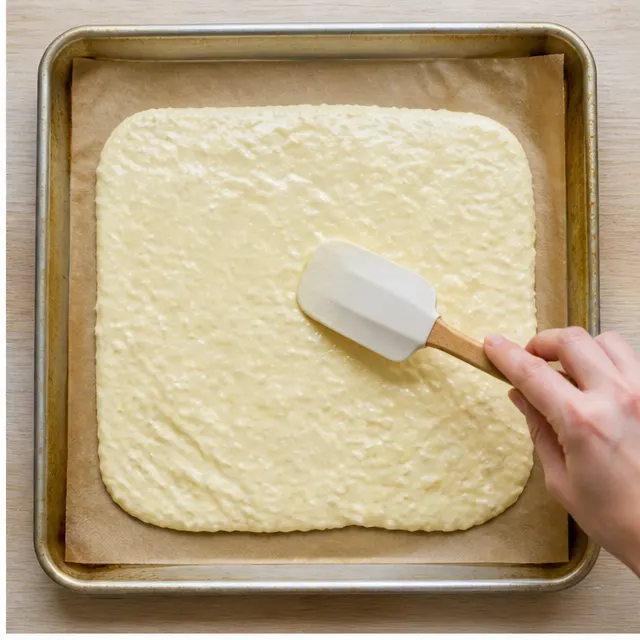
- Pour the batter onto the prepared pan and spread it into an even rectangle about 1/4 inch thick.
- Drizzle the melted butter over the surface, then sprinkle with the everything bagel seasoning and red pepper flakes.
- Bake for 20 to 25 minutes, until the flatbread is golden brown and the edges are crisp.
- Let it cool on the baking sheet for a few minutes before slicing into squares, strips, or triangles. Garnish with fresh herbs if desired.
Nutrition
Notes
Tried this recipe?
Let us know how it was!Why This Cottage Cheese Flatbread With Flour Works
I’m late to the cottage cheese party, and I’m not ashamed to admit it. Real talk, I tried this viral cottage cheese flatbread with flour three times before I got it right. The first two attempts? Total flops. Soggy middles, tearing edges, flatbread that made me question my entire kitchen existence.
But here’s the thing. The fix is stupid-easy.
Blend the cottage cheese until it’s completely smooth. Wait, really? Yes. Trust me. I know it feels like an extra step, but lumpy cottage cheese is exactly why your flatbread falls apart. Those lumps trap moisture and create weak spots in the dough. Blend it smooth and everything changes.
This cottage cheese flatbread with flour is the high-protein flatbread that’s been all over my feed, and honestly, it deserves the hype. It clocks in at 13 grams of protein per serving, it’s naturally gluten-free, and it comes together in one bowl in about 35 minutes. No yeast. No chilling. No complicated folding techniques.
I’m a baking guy by trade, too. I’ve tested more recipes than I care to count, and I know when something is worth the effort versus when it’s just internet noise. This one is worth it. Totally worth it.
Key Ingredients and Substitutions
The ingredient list for this cottage cheese flatbread with flour is so short you’ll wonder if this counts as cooking. It does. Trust the process.
- Whole milk cottage cheese: Non-negotiable, in my experience. Full-fat has less water than low-fat, which means a firmer, crispier flatbread. Low-fat versions turn out soft and sad. Don’t do that to yourself.
- Large eggs: Room temperature, lightly beaten. They’re the binder holding everything together.
- Super-fine almond flour: Made from California almonds, naturally. The super-fine grind matters, so don’t grab coarse almond meal.
- Garlic powder and Italian seasoning: The flavor base. Skip these and you get a bland flatbread, which is a crime in my kitchen.
- Unsalted butter, everything bagel seasoning, red pepper flakes: Drizzled and sprinkled on top before baking. This is how you get that golden, crispy finish with a little kick.
- Shredded Monterey Jack cheese: Folded into the batter for melty pockets throughout. Use a good melting cheese.
- Fresh herbs: Chives, parsley, basil, whatever’s in your fridge. The final touch that makes it look like you tried.

Now, substitutions. What I’ve found is that this recipe is more forgiving than most people think.
For a nut-free option, replace the almond flour with 1/4 cup all-purpose flour. The texture will be slightly more bready, but it still works beautifully. Can’t find Monterey Jack? Use sharp cheddar, mozzarella, or pepper jack if you want extra heat. The flatbread rolls with the punches. At its core, this is a 3-ingredient flatbread: cottage cheese, eggs, and flour. Everything else is flavor, and flavor is flexible.
How to Make Cottage Cheese Flatbread With Flour
The full recipe card is at the top, so I won’t waste your time repeating it. Instead, let me walk you through the four stages that actually matter, with the tips I’ve learned from testing this cottage cheese flatbread more times than I’d like to admit.
Stage 1: Get the batter smooth
In a medium bowl, whisk the cottage cheese, eggs, almond flour, garlic powder, and Italian seasoning until completely smooth. Then fold in the shredded cheese. Here’s where most people mess up: they stop whisking too early. You want zero lumps, no streaks, just a smooth, even batter. Thirty extra seconds of whisking changes everything, I promise.

Stage 2: Spread it even, not too thin
Pour the batter onto a parchment-lined baking sheet and spread it into an even rectangle about 1/4 inch thick. I know it’s tempting to spread it as far as it’ll go. Don’t. Thin edges over-brown before the center sets, and you end up with a flatbread that crumbles when you slice it. Keep it even and you’ll get clean slices every time.
Stage 3: Butter, season, and bake
Drizzle the melted butter over the surface. This is non-negotiable for crispy flatbread. The butter creates those gorgeous golden edges and that rich, nutty aroma. Then sprinkle on everything bagel seasoning and a pinch of red pepper flakes. Into the oven at 375 degrees Fahrenheit for 20 to 25 minutes. Your kitchen will smell incredible. The butter browning, the seasoning toasting, it’s a whole mood.

Stage 4: Rest, slice, enjoy
Let it cool on the baking sheet for a few minutes before cutting. I know. The smell is torture. But resting lets the edges set and makes slicing infinitely cleaner. Cut into squares, strips, or triangles, hit it with fresh herbs, and try not to demolish the whole thing standing over the counter. Good luck with that last one, honestly.

Texture and Expert Tips That Actually Matter
Let’s talk about texture, because that’s what makes or breaks this cottage cheese flatbread with flour.
This flatbread sits somewhere between a wrap and a frittata. The edges get crisp and blistered, the center stays tender and slightly chewy. It’s not bread, so don’t expect bread. Expect something better: a soft flatbread that holds up to stuffing, rolling, and dipping without falling apart.
Here are the common mistakes I’ve made so you don’t have to:
- ❌ Not blending the cottage cheese smooth → Lumpy batter causes weak spots and tearing. Blend the cottage cheese completely smooth for at least 30 seconds, scraping down the sides of the bowl.
- ❌ Using low-fat cottage cheese → More water means a softer, less crisp result. Use whole milk, full-fat cottage cheese, and drain it before measuring if it looks watery.
- ❌ Spreading the batter too thin → Edges over-brown while centers stay underdone. Keep it at 1/4 inch thick.
- ❌ Adding too much flour → Makes the dough dry and tough. Stick to the 1/4 cup almond flour and follow the recipe. No shortcuts here.
- ❌ Skipping the butter drizzle → This is the difference between golden and blah. The melted butter is your crispy flatbread tip. Use it.
What I’ve found is that sogginess almost always comes down to moisture. Too much water in the cottage cheese, not enough time in the oven, or a pan that didn’t get hot enough. This recipe bakes at 375 degrees for 20 to 25 minutes, and that window is exactly right for a golden, blistered finish.
Flavor Variations
The base recipe for this cottage cheese flatbread with flour is delicious on its own. But this is where it gets really fun.
- Make it a cottage cheese pizza crust: After baking, top it with sauce, shredded cheese, and your favorite toppings. Pop it under the broiler for a couple of minutes until everything melts. It’ll change your pizza night, I promise.
- Add herbs to the batter: Fold a couple tablespoons of chopped fresh rosemary, thyme, or basil right into the mix. What I’ve found: herbs in the batter deliver way more flavor than garnishing on top.
- Go heavier on the heat: Love spice? Double the red pepper flakes or swap in pepper jack instead of Monterey Jack. This flatbread can handle it.
That’s the beauty of this simple flatbread recipe. It’s a blank canvas. Dress it up for a summer picnic or keep it plain for everyday wraps. Either way, it works.
Storage and Serving Suggestions
This is where this cottage cheese flatbread becomes your new best friend. It’s the meal prep flatbread you didn’t know you needed.
For storage: keep leftovers in an airtight container in the refrigerator for up to 3 days. To reheat, use a toaster oven or a dry skillet over medium heat. That brings back the crispy edges without making things rubbery. My one tip: skip the microwave. It turns the flatbread sad and chewy.
To make ahead: mix the batter, cover the bowl, and refrigerate overnight before baking. The batter holds up beautifully, which makes it perfect for busy mornings or back to school lunch prep.
Now, how to serve it:
- As a wrap: Flexible enough to wrap around grilled chicken, avocado, and crunchy slaw. It’s the cottage cheese wrap that’ll make you forget about store-bought tortillas.
- With soup: Cut it into strips and serve alongside tomato soup or a hearty stew. It’s a superior dipper with real structure.
- For lunch: Pack it with hummus and fresh veggies. It looks and tastes normal enough that picky kids won’t suspect it’s good for them.
- For breakfast: Top it with a fried egg and hot sauce. A high-protein flatbread at 7 AM is never a bad call.

Honestly, the best part is how versatile this is. One batch gives you wraps, dippers, pizza crusts, and breakfast bases. It’s so easy you’ll question if it counts as cooking. It does, and it’s totally worth it.
Frequently Asked Questions
Save this one for later, you’re going to want it again. Pin this cottage cheese flatbread recipe to your favorite board so it’s waiting for you when you need a quick, high-protein meal.
Make this tonight and tell me in the comments if it disappears the way it does at my house. I’d bet good money it does.
Source: Learn More About This Dish
Can I substitute the cottage cheese?
Yes, but the texture will change. Full-fat cottage cheese gives the best structure for this cottage cheese flatbread with flour. Low-fat versions have more water and turn out softer and less crisp. Ricotta works in a pinch, but it won’t have the same protein count.
Can I oven-bake this flatbread?
That’s exactly how this recipe works. Bake at 375 degrees Fahrenheit for 20 to 25 minutes on a parchment-lined baking sheet. The oven gives you even browning and crispy edges without flipping, which makes it the easiest high-protein flatbread you’ll ever make.
Can I use almond flour in this recipe?
This recipe already uses super-fine almond flour, which makes it naturally gluten-free. For a nut-free option, swap the 1/4 cup almond flour for the same amount of all-purpose flour. The texture becomes slightly more bready, but it’s still delicious and easy.